Serum Hormone Monitoring in HRT: Analytical Methods, Clinical Applications, and Research Frontiers
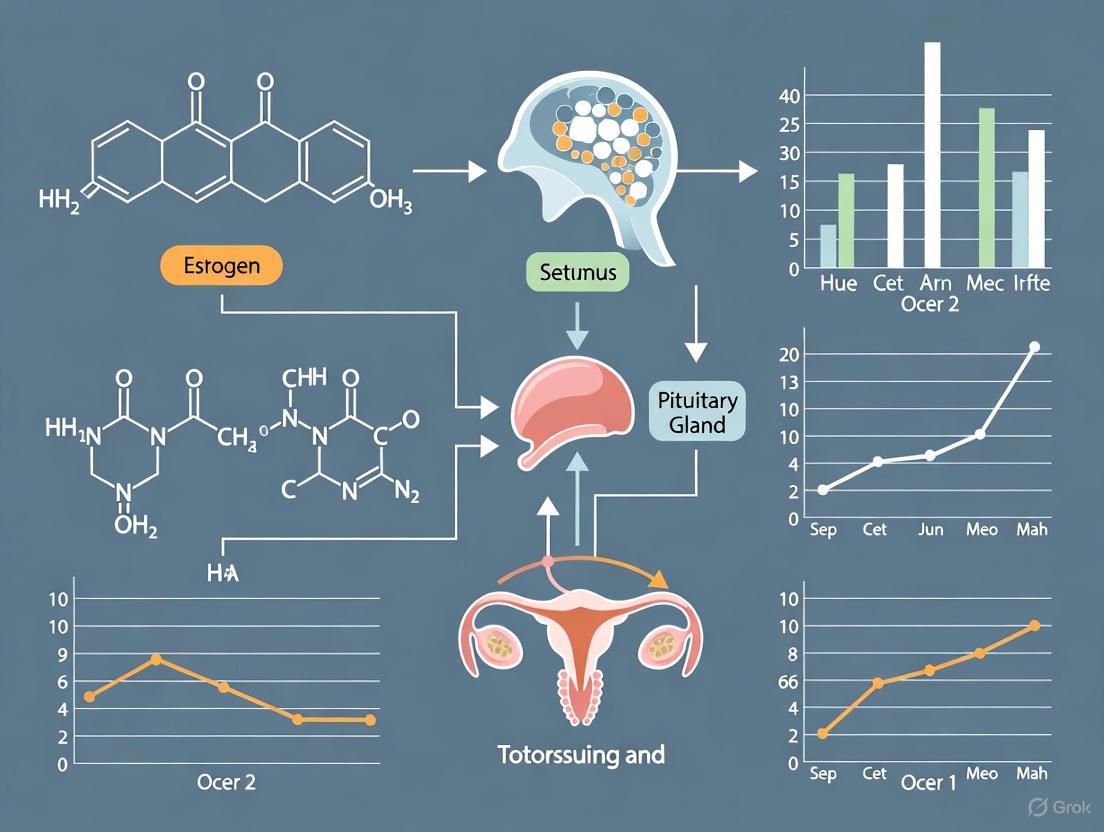
This article provides a comprehensive resource for researchers, scientists, and drug development professionals on serum hormone monitoring during Hormone Replacement Therapy (HRT).
Serum Hormone Monitoring in HRT: Analytical Methods, Clinical Applications, and Research Frontiers
Abstract
This article provides a comprehensive resource for researchers, scientists, and drug development professionals on serum hormone monitoring during Hormone Replacement Therapy (HRT). It covers the foundational role of key hormones like estradiol, progesterone, and testosterone in therapeutic efficacy and safety. The content delves into advanced methodological approaches, including mass spectrometry and automated immunoassays, highlighting the critical importance of assay standardization. A significant focus is placed on troubleshooting analytical challenges and optimizing protocols for accurate measurement across a wide physiological range. Furthermore, the article explores validation strategies and comparative analyses of biological matrices, offering insights into the translation of biomarker data into robust clinical and research outcomes. This synthesis aims to advance the precision and reliability of HRT monitoring in both development and clinical practice.
The Scientific Basis and Clinical Imperative of Hormone Monitoring
The development and clinical application of Hormone Replacement Therapy (HRT) necessitates a rigorous, data-driven approach to ensure both therapeutic efficacy and patient safety. Serum hormone monitoring serves as the cornerstone of this process, providing objective, quantitative data that guides dosing, confirms target engagement, and mitigates risk. For researchers and drug development professionals, establishing robust protocols for the precise measurement of serum hormone levels is paramount. These protocols underpin pharmacokinetic/pharmacodynamic (PK/PD) modeling, inform clinical trial endpoints, and are essential for individualizing treatment regimens to mirror physiological hormone levels as closely as possible. This document outlines key experimental parameters and detailed methodologies for the serum monitoring of estradiol and testosterone within HRT research.
Key Serum Parameters and Monitoring Schedules
For researchers, tracking the correct analytes at appropriate timepoints is critical for building a complete PK/PD profile of an HRT formulation. The following table summarizes the primary serum markers and recommended sampling schedules.
Table 1: Key Serum Parameters for HRT Monitoring in Clinical Research
| Parameter | Therapeutic & Research Significance | Target Population | Recommended Monitoring Schedule (Post-Initiation) | Common Research Assays |
|---|---|---|---|---|
| 17β-Estradiol (E2) | Primary efficacy biomarker for vasomotor symptom relief; correlates with bone density preservation [1] [2]. | All women on systemic estrogen therapy. | 3-6 months; Annually once stable [2]. | LC-MS/MS, Immunoassay |
| Estrone (E1) | Major metabolite of oral estradiol; monitoring provides full metabolic profile [1]. | Subjects on oral estrogen formulations. | Aligned with E2 sampling. | LC-MS/MS, Immunoassay |
| Testosterone, Total & Free | Key efficacy biomarker for female sexual interest/arousal disorder; levels must be maintained within premenopausal range to avoid virilization [2]. | Women receiving testosterone adjunct therapy. | Baseline, 3 months, and 6 months [2]. | LC-MS/MS (Total), Equilibrium Dialysis (Free) |
| Sex Hormone-Binding Globulin (SHBG) | Impacts free hormone bioavailability; oral estrogens significantly increase hepatic SHBG production [1]. | All study participants, especially on oral estrogen. | Aligned with primary hormone sampling. | Immunoassay |
| Follicle-Stimulating Hormone (FSH) | Indicator of ovarian suppression; less reliable for dosing titration in menopausal women. | All female participants. | Baseline and periodic checks. | Immunoassay |
Experimental Protocol: Serum Collection and Analysis for HRT Research
This protocol provides a detailed methodology for the collection, processing, and analysis of serum samples in an HRT clinical study context.
Materials and Equipment
- Sample Collection: Venipuncture kit (tourniquet, needle, holder), serum separator tubes (SST).
- Sample Processing: Centrifuge, calibrated pipettes, cryogenic vials.
- Storage: -80°C freezer.
- Analysis: Access to LC-MS/MS or high-sensitivity immunoassay platform.
Pre-Analytical Phase
- Timing of Sampling: For users on a daily, continuous HRT regimen, standardize blood draws to a consistent time of day (e.g., 8-10 AM) to minimize diurnal variation. If a trough level is required, draw blood immediately before the next scheduled dose.
- Sample Collection: Perform venipuncture using standard clinical procedures and collect blood into a serum separator tube.
- Sample Processing: Allow the blood to clot at room temperature for 30 minutes. Centrifuge at 1,300-2,000 RCF for 10 minutes to separate serum.
- Aliquoting and Storage: Immediately transfer the clear serum into pre-labeled cryogenic vials. Freeze aliquots at -80°C until analysis to prevent degradation.
Analytical Phase
- Assay Selection: Prioritize Liquid Chromatography-Tandem Mass Spectrometry (LC-MS/MS) for its high specificity and sensitivity, particularly for low-level postmenopausal hormone measurement and for differentiating between structurally similar compounds (e.g., endogenous estradiol vs. equine estrogens) [1]. High-sensitivity immunoassays are an acceptable alternative if validated against MS.
- Quality Control: Run internal quality control (QC) samples at low, medium, and high concentrations with each batch. Participate in external proficiency testing programs.
Data Interpretation and Reporting
- Reference Ranges: Interpret results against age-specific and menopausal status-specific reference ranges. For premenopausal women, note the menstrual cycle phase.
- Clinical Correlation: Correlate serum levels with clinical efficacy endpoints (e.g., reduction in hot flash frequency, Greene Climacteric Scale scores) and safety labs.
Research Reagent Solutions for HRT Monitoring
Table 2: Essential Reagents and Materials for Serum Hormone Analysis
| Item/Category | Function in Research & Monitoring | Specific Examples & Notes |
|---|---|---|
| Certified Reference Standards | Calibration and quantification of assays; essential for method validation. | USP Estradiol RS, USP Testosterone RS. |
| Mass Spectrometry Grade Solvents | Mobile phase for LC-MS/MS; high purity is critical for sensitivity and low background noise. | Methanol, Acetonitrile, Water. |
| Stable Isotope-Labeled Internal Standards | Correct for matrix effects and loss during sample preparation in LC-MS/MS; ensures accuracy. | Estradiol-d5, Testosterone-d3. |
| Solid-Phase Extraction (SPE) Kits | Purify and concentrate serum samples prior to analysis, removing interfering substances. | C18 cartridges, mixed-mode cation exchange. |
| Quality Control Materials | Monitor assay precision and accuracy across multiple runs. | Commercial human serum-based QC pools at multiple levels. |
Visualizing the HRT Monitoring Workflow
The following diagram illustrates the end-to-end process for serum monitoring in an HRT research setting, from subject enrollment to data analysis.
HRT Serum Monitoring Workflow
Visualizing the Mechanistic Basis for HRT and Monitoring
Serum monitoring is grounded in the physiological mechanism of hormone action. The following diagram depicts the hypothalamic-pituitary-ovarian (HPO) axis disruption in menopause and the site of HRT intervention, illustrating why serum levels of E2 are a direct measure of target engagement.
HRT Mechanism and Serum Feedback
Application Notes: Biomarker Roles and Clinical Utility
Hormonal biomarkers are critical for diagnosing deficiencies, personalizing treatment, and monitoring therapeutic efficacy and safety in hormone replacement therapy (HRT). The accurate measurement of estradiol, progesterone, testosterone, and luteinizing hormone (LH) provides insights into the endocrine system's function and guides clinical decision-making.
Estradiol (E2) serves as a primary biomarker in both female and male health. In women, it is crucial for managing menopausal hormone therapy and fertility treatments. Beyond its reproductive functions, estradiol plays a protective role in cardiovascular, bone, and cognitive health [3]. In men, estradiol (aromatized from testosterone) is essential for bone density maintenance and metabolic health, with imbalances linked to adverse effects [4].
Progesterone works synergistically with estradiol, particularly in female reproductive medicine. In Hormone Replacement Therapy Frozen Embryo Transfer (HRT-FET) cycles, serum progesterone levels below 11 ng/mL are associated with poorer reproductive outcomes, necessitating luteal phase support rescue strategies [5]. Emerging research highlights urine progesterone measurement as a potential diagnostic tool, with levels ≥ 4000 ng/mL correlating with significantly higher live birth rates (48% vs. 35%) [5].
Testosterone is a key biomarker in male health, with deficiency (total testosterone < 300 ng/dL) linked to symptoms including reduced libido, erectile dysfunction, decreased muscle mass, increased fat mass, low bone density, fatigue, and mood disturbances [6] [4]. Testosterone replacement therapy (TRT) requires careful monitoring, with guidelines recommending target levels of 500-800 ng/dL for optimal therapeutic benefits while minimizing risks such as erythrocytosis [4].
Luteinizing Hormone (LH) provides crucial diagnostic information about hypothalamic-pituitary-gonadal axis function. In men, low LH levels help differentiate between primary (testicular) and secondary (hypothalamic-pituitary) hypogonadism [6]. In women undergoing HRT-FET, low serum LH levels (< 6.41 mIU/mL) prior to progesterone administration are associated with poorer pregnancy outcomes, suggesting a potential role in endometrial receptivity [7].
Table 1: Diagnostic and Therapeutic Thresholds for Key Hormonal Biomarkers
| Biomarker | Population/Context | Diagnostic/Therapeutic Threshold | Clinical Utility |
|---|---|---|---|
| Testosterone | Adult Men (Hypogonadism) | < 264-300 ng/dL (Diagnostic) [6] | Diagnoses hypogonadism; guides TRT initiation [4] |
| Adult Men (TRT Target) | 500-800 ng/dL (Therapeutic) [4] | Optimal range for symptom relief and safety [4] | |
| Progesterone | Women (HRT-FET) | < 11 ng/mL (Serum) [5] | Indicates need for luteal phase support rescue [5] |
| Women (HRT-FET) | ≥ 4000 ng/mL (Urine) [5] | Predictor of higher live birth rate (48%) [5] | |
| LH | Women (HRT-FET) | < 6.41 mIU/mL (Serum) [7] | Predictor of poor pregnancy outcomes [7] |
| Men (Hypogonadism) | Low/Low-Normal with Low Testosterone [6] | Differentiates secondary from primary hypogonadism [6] |
Experimental Protocols for Biomarker Analysis
Protocol: Serum Progesterone Monitoring in HRT-FET Cycles
Objective: To monitor serum progesterone levels on the day of blastocyst transfer to identify patients requiring additional luteal phase support.
Materials:
- Serum collection tubes
- Automated immunoassay system (e.g., ARCHITECT, Abbott Laboratories)
Methodology:
- Patient Preparation: Patients undergo endometrial preparation with oral oestradiol (6 mg/24h) followed by vaginal micronised progesterone (400 mg/12h) [5].
- Sample Collection: On the day of blastocyst transfer, collect serum samples 2-4 hours after vaginal progesterone administration to capture peak levels [5].
- Sample Analysis:
- Analyze serum samples using a standardized automated immunoassay.
- The optimal cut-off for live birth is serum P4 ≥ 11 ng/mL [5].
- Clinical Intervention: For patients with serum P4 < 11 ng/mL, implement a luteal phase rescue strategy with additional progesterone administration [5].
Protocol: Urine Progesterone as a Diagnostic Tool
Objective: To evaluate urine progesterone concentration as a non-invasive alternative for assessing progesterone status in HRT-FET cycles.
Materials:
- Sterile urine collection cups
- ARCHITECT automated immunoassay system (Abbott Laboratories) [5]
- Creatinine assay for normalization
Methodology:
- Sample Collection: Collect first-morning urine samples on the day of blastocyst transfer [5].
- Sample Analysis:
- Data Interpretation:
Protocol: Serum LH Assessment in HRT-FET Cycles
Objective: To investigate the correlation between serum LH levels prior to progesterone administration and pregnancy outcomes in HRT-FET cycles.
Materials:
- Serum collection tubes
- Centrifuge
- Immunoassay platform for LH measurement
Methodology:
- Study Groups: Include patients undergoing HRT-FET with or without pituitary down-regulation using GnRH agonists [7].
- Sample Collection: Draw blood samples for LH measurement immediately before initiating progesterone administration for endometrial transformation [7].
- Sample Analysis:
- Quantify serum LH levels using a standardized immunoassay.
- Categorize levels based on quartiles: ≤25th percentile (LH ≤ 6.41 mIU/mL) as reference group [7].
- Data Analysis: Correlate LH levels with live birth rate, biochemical pregnancy rate, and miscarriage rate using multivariate logistic regression to adjust for confounding factors [7].
Protocol: Testosterone Profiling in Late-Onset Hypogonadism
Objective: To diagnose late-onset hypogonadism in men aged ≥50 years and establish a baseline for TRT monitoring.
Materials:
- Serum collection tubes
- Access to LC-MS/MS or standardized immunoassay for testosterone
- SHBG and LH/FSH assays
Methodology:
- Patient Selection: Include symptomatic men (e.g., reduced libido, erectile dysfunction, fatigue) aged ≥50 years [6] [4].
- Sample Collection:
- Collect two early morning (7-10 AM) fasting blood samples on separate days [6].
- Include measurements for total testosterone, SHBG, LH, and FSH.
- Sample Analysis:
- Diagnostic Criteria:
Table 2: Research Reagent Solutions for Hormonal Biomarker Analysis
| Reagent/Material | Function/Application | Example Use Case |
|---|---|---|
| ARCHITECT Automated Immunoassay | Quantitative measurement of progesterone in urine and serum | Urine P4 analysis in HRT-FET cycles [5] |
| Vaginal Micronised Progesterone | Luteal phase support in assisted reproduction | Standardized progesterone administration (400 mg/12h) [5] |
| Transdermal Testosterone Gel | Testosterone replacement therapy | Maintaining physiological T levels (500-800 ng/dL) [4] |
| GnRH Agonists (e.g., Leuprolide) | Pituitary down-regulation | Suppressing endogenous hormone activity in HRT-FET [7] |
| LC-MS/MS Platform | Gold-standard for steroid hormone quantification | Confirmatory testing for testosterone levels [6] |
Signaling Pathways and Experimental Workflows
LH-HPG Axis Regulatory Pathway
Diagram 1: LH-HPG Axis Regulation
This diagram illustrates the hypothalamic-pituitary-gonadal (HPG) axis regulation. The hypothalamus secretes Gonadotropin-Releasing Hormone (GnRH), which stimulates the pituitary gland to release Luteinizing Hormone (LH) and Follicle-Stimulating Hormone (FSH). These gonadotropins then act on the gonads to stimulate the production of key sex hormones (testosterone, estradiol, progesterone) [7]. These hormones exert systemic effects and complete the regulatory loop via negative feedback inhibition on both the hypothalamus and pituitary gland [6]. Measuring serum LH helps differentiate between primary (gonadal) and secondary (central) causes of hormone deficiency.
HRT-FET Monitoring Workflow
Diagram 2: HRT-FET Biomarker Monitoring
This workflow outlines the comprehensive biomarker monitoring protocol for Hormone Replacement Therapy Frozen Embryo Transfer (HRT-FET) cycles. The process begins with endometrial preparation using oral estradiol, followed by the initiation of vaginal progesterone. On the day of blastocyst transfer, simultaneous serum and urine samples are collected for multi-analyte biomarker analysis [5] [7]. Key decision points include assessing whether serum progesterone falls below the 11 ng/mL threshold (indicating need for luteal phase rescue), if urine progesterone meets or exceeds 4000 ng/mL (predicting higher live birth rate), and whether serum LH is below 6.41 mIU/mL (suggesting potential benefit from cycle deferral) [5] [7]. This integrated approach enables data-driven clinical decisions to optimize reproductive outcomes.
Testosterone Diagnostic Pathway
Diagram 3: Testosterone Deficiency Diagnosis
This diagnostic pathway outlines the evidence-based approach for evaluating men with suspected hypogonadism. The process begins with assessing symptomatic patients and proceeds with obtaining two early morning total testosterone measurements [6]. For patients with levels consistently below 300 ng/mL, subsequent LH and FSH measurement is critical for differentiating between primary hypogonadism (characterized by elevated gonadotropins indicating testicular failure) and secondary hypogonadism (characterized by low or inappropriately normal gonadotropins indicating hypothalamic-pituitary dysfunction) [6]. This distinction directly influences management, as secondary hypogonadism may require additional pituitary evaluation. For borderline cases (230-346 ng/dL), guidelines recommend measuring SHBG and calculating free testosterone, while also considering lifestyle modifications as first-line intervention for functional hypogonadism before initiating TRT [6] [4].
Hormone Replacement Therapy (HRT) is a critical therapeutic intervention for alleviating menopausal symptoms and preventing long-term health sequelae associated with estrogen deficiency. The efficacy and safety profile of HRT are profoundly influenced by precise targeting of physiological hormone ranges, appropriate patient stratification, and individualized treatment protocols. Recent regulatory developments, including the FDA's November 2025 decision to remove longstanding black box warnings, reflect an evolving understanding of HRT risk-benefit profiles when initiated in appropriate patient populations and therapeutic windows [8] [9]. This application note provides researchers and drug development professionals with current reference ranges, methodological frameworks, and emerging technologies for defining physiological targets in HRT research.
Physiological Targets and Therapeutic Windows
Estradiol Reference Ranges Across Physiological States
Establishing therapeutic targets for HRT requires fundamental understanding of endogenous hormone fluctuations throughout the female lifespan. Estradiol (E2), the most potent endogenous estrogen, demonstrates characteristic concentration patterns across developmental stages, with particular relevance for HRT target-setting in peri- and postmenopausal populations.
Table 1: Physiological Estradiol (E2) Reference Ranges by Age and Reproductive Status
| Life Stage | Typical Age Range | Estradiol Level (pg/mL) | Key Characteristics |
|---|---|---|---|
| Pre-puberty | Before age 8 | 0-10 pg/mL | Stable low levels |
| Puberty | Ages 8-13 | 10-300 pg/mL | Wide range during maturation |
| Reproductive years | 14-39 | 10-300 pg/mL | Cyclical fluctuation |
| Perimenopause | 40-49 | Highly variable | Erratic fluctuation, no established range |
| Menopause | 50+ | <10 pg/mL | Stable low levels |
Data adapted from clinical laboratory ranges [10]. Note: Perimenopausal levels show significant individual variability and lack standardized ranges due to erratic fluctuations. Therapeutic targets during this transition phase should prioritize symptom management over specific numerical values.
Defining the Optimal Therapeutic Window for HRT Initiation
Clinical evidence consistently identifies a critical therapeutic window for HRT initiation that optimizes benefit-risk profile. The most favorable outcomes occur when therapy begins:
This "timing hypothesis" is supported by extensive clinical data, including reanalyses of the Women's Health Initiative study, which demonstrated that younger women (ages 50-59) starting HRT closer to menopause onset had more favorable risk profiles for cardiovascular outcomes and breast cancer compared to older women initiating treatment later [8]. For women with premature ovarian insufficiency or early menopause (before age 40-45), continuing HRT until at least the average age of natural menopause (approximately 50 years) is recommended to mitigate long-term health risks associated with premature estrogen deficiency [1].
Methodological Framework for HRT Monitoring
Pre-Therapy Assessment Protocol
Comprehensive baseline assessment is essential for establishing appropriate physiological targets and identifying contraindications prior to HRT initiation. The following protocol outlines required and elective examinations based on current clinical guidelines [11].
Table 2: Pre-HRT Assessment Protocol for Research Populations
| Assessment Category | Specific Components | Frequency | Research Considerations |
|---|---|---|---|
| Basic Examination | History taking (medical, family, lifestyle), Physical examination (height, weight, BP, pelvic, breast), Blood tests (liver/kidney function, anemia, fasting blood sugar, lipid profile) | Pre-treatment baseline | Standardize data collection across research cohort |
| Required Screening | Mammography, Bone mineral density (BMD) test, Pap smear screening, Pelvic ultrasonography (cost-effective in Korean context) | Pre-treatment, then every 1-2 years | Document baseline fracture risk, breast density |
| Elective Examinations | Thyroid function test, Breast ultrasonography, Endometrial biopsy | Based on individual risk factors | Stratify participants by risk profile |
| Contraindication Screening | Undiagnosed vaginal bleeding, Estrogen-dependent cancers, Active thromboembolism, Active liver/gallbladder diseases | Pre-treatment | Exclusion criteria for clinical trials |
This comprehensive assessment serves both safety and stratification purposes in research settings, enabling appropriate candidate selection and baseline characterization for outcome analysis.
Hormone Formulations and Administration Routes
Therapeutic choices in HRT significantly influence physiological targets and risk profiles. Formulation and route selection should be guided by individual patient characteristics and research objectives.
Estrogen Formulations:
- Micronized 17β-estradiol: Bioidentical to endogenous human estradiol; preferred for physiological profile [1]
- Conjugated equine estrogens (CEE): Mixed estrogens derived from pregnant mare's urine [1]
- Synthetic estrogens (e.g., ethinyl estradiol): Distinct from HRT formulations; primarily used in oral contraceptives [1]
Administration Routes and Considerations:
- Oral administration: First-pass hepatic metabolism impacts triglyceride levels, coagulation factors, and VTE risk [1]
- Transdermal delivery (patches, gels, sprays): Avoids first-pass metabolism; favorable for women with cardiovascular risk factors, triglyceride concerns, or medication interactions [1]
Progestogen Requirements:
- Women with intact uteri: Require progestogen (progesterone or synthetic progestin) to prevent estrogen-induced endometrial hyperplasia [1]
- Hysterectomized women: Can utilize estrogen-only therapy [1]
Emerging Monitoring Technologies and Research Applications
Advanced Biosensing Platforms for Hormone Monitoring
Novel sensing technologies are revolutionizing hormonal assessment capabilities in research and clinical settings. Emerging platforms offer significant improvements in sensitivity, convenience, and temporal resolution for capturing dynamic hormone fluctuations.
Nanotechnology-Enhanced Detection: Recent advances in materials science and nanotechnology have enabled development of ultrasensitive biosensors capable of detecting steroid hormones at picomolar (pM) concentrations in various biological fluids, including blood, saliva, sweat, and urine [12]. These platforms utilize both optical and electrochemical detection strategies to achieve the requisite sensitivity for measuring physiological hormone levels, with potential for point-of-care and continuous monitoring applications [12].
Saliva-Based At-Home Testing: The Hormometer, introduced at CES 2025, represents a novel at-home hormone testing system that utilizes saliva samples to provide real-time assessment of cortisol and progesterone levels [13]. This technology uses a smartphone application for result interpretation and trend analysis, potentially enabling more frequent monitoring with reduced participant burden in longitudinal studies [13].
Wearable Monitoring Systems: Flexible and wearable sensing platforms represent the frontier of hormone monitoring technology, offering potential for noninvasive, continuous tracking of hormone fluctuations [12]. These systems could potentially capture dynamic hormone patterns throughout circadian and menstrual cycles, providing unprecedented temporal resolution for understanding hormone dynamics in research populations [12].
Research Reagent Solutions for Hormone Monitoring
Table 3: Essential Research Reagents and Platforms for HRT Investigations
| Reagent/Platform | Research Function | Application Notes |
|---|---|---|
| Ultrasensitive Biosensors | Detection of steroid hormones at pM concentrations | Enables measurement in alternative matrices (saliva, sweat) [12] |
| Optical Detection Strategies | Signal generation for hormone quantification | Colorimetric, fluorescent, or luminescent readouts [12] |
| Electrochemical Sensors | Electrochemical hormone detection | Portable, low-cost form factors for point-of-care testing [12] |
| Flexible/Wearable Substrates | Continuous, noninvasive hormone monitoring | Enables dynamic fluctuation tracking in real-world settings [12] |
| Saliva Collection Cartridges | At-home hormone sampling | Facilitates frequent sampling for improved temporal resolution [13] |
| Smartphone Analysis Platforms | Point-of-care result interpretation | Uses camera-based analysis for accessibility [13] |
Experimental Workflows and Data Interpretation
Integrated Workflow for HRT Monitoring Research
The following diagram illustrates a systematic approach to establishing and monitoring physiological targets in HRT research:
Diagram 1: Comprehensive HRT Research Workflow (82 characters)
Risk-Benefit Assessment Framework
The following diagram outlines key considerations for evaluating therapeutic windows and reference ranges in HRT research:
Diagram 2: HRT Benefit-Risk Assessment Framework (82 characters)
Defining precise physiological targets and therapeutic windows for HRT requires integration of established clinical guidelines with emerging monitoring technologies. The reference ranges and methodological frameworks presented in this application note provide research scientists and drug development professionals with evidence-based tools for designing rigorous HRT studies. Recent regulatory updates reflect a maturation of the risk-benefit understanding, particularly for appropriate candidate populations. Future research directions should leverage advanced biosensing platforms to capture dynamic hormone profiles and further refine individualized therapeutic targets, ultimately optimizing both efficacy and safety outcomes for women receiving hormone therapy.
Hormone Replacement Therapy (HRT) remains a cornerstone treatment for managing menopausal symptoms and mitigating long-term health risks associated with estrogen deficiency. The therapeutic goals of HRT have evolved from focusing primarily on symptomatic relief to encompassing broader objectives including cardiovascular health, bone density preservation, and cognitive function. Serum hormone monitoring is fundamental to optimizing this risk-benefit profile, ensuring that therapeutic hormone levels are achieved while minimizing potential adverse effects [14]. This document outlines the clinical and research objectives, provides structured protocols for serum hormone monitoring, and details essential methodologies for conducting rigorous HRT research.
Defining Clinical and Research Objectives
The application of HRT must balance immediate symptom control against long-term health outcomes, a balance that is guided by precise clinical objectives and validated through structured research.
Primary Clinical Objectives
- Effective Symptom Control: The primary indication for HRT is the management of vasomotor symptoms (VMS) and genitourinary syndrome of menopause (GSM). MHT is the most effective intervention for VMS, achieving symptom reduction of approximately 75% with standard-dose therapy and around 65% with low-dose regimens [15].
- Prevention of Long-Term Sequelae: HRT is indicated for the prevention and management of osteoporosis in younger postmenopausal women. In women with Premature Ovarian Insufficiency (POI), HRT mitigates adverse effects on bone, cardiovascular, and cognitive health [16] [14].
- Personalized Risk-Benefit Management: Therapy decisions must be based on a combination of the most up-to-date clinical guidelines, risk stratification, and the patient’s preferences. The initiation of HRT must be assessed by considering both the short-term and long-term benefits to the patient, as well as the associated risks [14].
Core Research Objectives
- Elucidating Timing and Formulation Impact: Research focuses on understanding differential risks and benefits depending upon the age of hormone initiation, formulation, and dose. This includes investigating the "timing hypothesis" for cardiovascular and cognitive benefits [17] [14].
- Validating Biomarkers and Monitoring Protocols: A key research objective is to standardize methods for measuring hormones, which must be valid and precise because of known variabilities in individual response and metabolism [18] [19].
- Evaluating Long-Term Health Outcomes: Ongoing studies aim to quantify the effects of HRT on outcomes such as cardiovascular disease, dementia, and all-cause mortality, particularly in specific sub-populations like women with POI or surgical menopause [16] [14].
Table 1: Key Quantitative Data on HRT Efficacy and Use
| Parameter | Quantitative Data | Context / Source |
|---|---|---|
| VMS Reduction (Standard Dose) | ~75% | Menopausal Hormone Therapy Guidelines [15] |
| VMS Reduction (Low Dose) | ~65% | Menopausal Hormone Therapy Guidelines [15] |
| Symptom Recurrence Post-Cessation | Up to 87% | Menopausal Hormone Therapy Guidelines [15] |
| POI Prevalence | 3.5% | ASRM/ESHRE POI Guideline, 2024 [16] |
| Projected HRT Market Size (2035) | USD 33.69 Billion | Market Outlook Report [20] |
Serum Hormone Monitoring: Application Notes
Analytical Considerations and Assay Validation
The accuracy of serum hormone monitoring is critical for both clinical management and research integrity.
- Assay Selection and Validation: Researchers must prioritize assays with demonstrated validity (sensitivity, specificity) and precision (intra- and inter-assay coefficient of variation; CV). A scoping review highlights inconsistencies in definitions and a scarcity of reported hormone values for menstrual cycle phases, making study comparisons challenging [18]. A strength of the included studies was the reporting of intra-assay coefficients.
- Key Hormone Metrics: In clinical and research settings for HRT, essential serum measurements include:
- Estradiol (E2): To ensure levels are within the therapeutic window.
- Follicle-Stimulating Hormone (FSH): Useful for diagnosing POI and assessing gonadal axis suppression. Note that in the menopausal transition, routine hormonal testing is not recommended for the general population due to variability, though it is advised for specific conditions like Turner mosaicism [15].
- Testosterone: Particularly in cases of concomitant sexual dysfunction or when considering testosterone therapy [16].
- Thyroid Function Tests, Liver and Renal Function, Lipid Panels: As part of a comprehensive baseline and safety monitoring panel [15] [19].
Table 2: Essential Research Reagent Solutions for Serum Hormone Monitoring
| Reagent / Material | Function / Application | Technical Notes |
|---|---|---|
| Immunoassay Kits | Quantification of total Estradiol, FSH, Testosterone. | Preferred for high-throughput analysis. Requires validation for precision in postmenopausal ranges [18]. |
| LC-MS/MS Systems | Gold-standard for specific, sensitive steroid hormone quantification. | Essential for measuring low-level estradiol and free hormone fractions; provides high specificity [18]. |
| SHBG Assay | Measurement of Sex Hormone-Binding Globulin. | Critical for calculating free/bioavailable hormone levels. |
| Quality Control Sera | Monitoring assay precision and accuracy. | Should include low, medium, and high concentration pools relevant to the therapeutic range. |
| Sample Collection Tubes | Standardized serum separation. | Use consistent tube type (e.g., serum separator tubes) to avoid interferences. |
Experimental Protocol: Serum Hormone Collection and Analysis for HRT Research
Objective: To standardize the collection, processing, and analysis of serum samples for the monitoring of hormone levels in HRT clinical trials.
Materials:
- Phlebotomy supplies (tourniquet, needle, vacutainer holder)
- Serum separator tubes (SST)
- Permanent ink pen, pre-printed labels
- Centrifuge
- Cryogenic vials
- -80°C freezer
- Validated hormone assay platform (e.g., LC-MS/MS or validated immunoassay)
Procedure:
Pre-Collection:
- Confirm participant fasting status if required by protocol (e.g., for lipid panels).
- Record the exact time of sample collection and the time of the participant's last HRT dose.
Sample Collection:
- Collect blood via venipuncture into a serum separator tube.
- Invert the tube gently 5-10 times to ensure mixing with the clot activator.
- Label the tube immediately with a unique participant ID, date, and time.
Sample Processing:
- Allow the blood to clot at room temperature for 30-60 minutes.
- Centrifuge at 1,300 - 2,000 RCF for 10-15 minutes to separate serum.
- Carefully aliquot the clear serum into pre-labeled cryogenic vials using a pipette, avoiding the buffy coat or red blood cells.
Sample Storage and Batch Analysis:
- Store aliquots at -80°C if analysis is not immediate.
- Analyze all samples from a single participant in the same assay batch to minimize inter-assay variability.
- Include internal quality control samples at low, medium, and high concentrations in each assay run.
Data Analysis:
- Calculate hormone concentrations against a standard curve.
- Report values with the appropriate units (e.g., pg/mL for estradiol, IU/L for FSH).
- Document the intra-assay and inter-assay Coefficient of Variation (CV) for quality assurance.
Integrated Monitoring and Safety Protocols
A comprehensive monitoring protocol in HRT research extends beyond hormone levels to encompass overall health and safety.
The workflow illustrates the integration of baseline risk assessment with continuous monitoring to inform treatment adjustments and ensure participant safety.
The objectives of HRT are multifaceted, spanning from immediate symptom control to the preservation of long-term health. Achieving these objectives requires a rigorous, evidence-based approach grounded in precise serum hormone monitoring. The protocols and application notes detailed herein provide a framework for researchers to generate high-quality, comparable data. This will ultimately refine our understanding of HRT's role across diverse patient populations and ensure that therapeutic strategies are both effective and safe, thereby improving outcomes for women in menopause and beyond.
The U.S. Food and Drug Administration (FDA) has initiated historic labeling changes for menopausal hormone therapy (MHT), also commonly referred to as hormone replacement therapy (HRT) [21] [22]. The most significant revision involves the removal of certain boxed warnings related to cardiovascular disease, breast cancer, and probable dementia from the prescribing information for these products [21] [23]. This regulatory evolution follows a comprehensive reassessment of the benefit-risk profile of MHT, particularly for younger women (aged 45-55) initiating treatment for bothersome vasomotor symptoms at or near the onset of menopause [21]. These changes aim to provide more accurate, evidence-based safety information to healthcare providers and patients, thereby facilitating more informed treatment decisions for menopausal symptom management. This document details these regulatory updates and their implications for clinical research, with a specific focus on the critical role of serum hormone monitoring within this new framework.
Analysis of Key Regulatory Changes and Supporting Data
The FDA's requested labeling changes, announced in November 2025, represent a substantial shift in the regulatory presentation of MHT risks [21] [22]. The table below summarizes the core revisions:
Table 1: Key FDA-Requested Labeling Changes for Menopausal Hormone Therapies
| Product Category | Changes to Boxed Warning | Changes to Overall Labeling |
|---|---|---|
| All MHT Products (Systemic & Local Vaginal) | - Remove language on cardiovascular diseases, breast cancer, and probable dementia [21] [24].- Remove language on endometrial cancer (except for systemic estrogen-alone products) [21].- Remove recommendation for "lowest effective dose for shortest amount of time" [21]. | - Remove the warning for probable dementia [21]. |
| Systemic MHT Products | - | - Add guidance on considering initiation for moderate to severe VMS in women <60 years old or <10 years since menopause [21] [23].- Incorporate WHI data for the 50-59 age cohort [21].- Retain cardiovascular and breast cancer information outside the boxed warning [21]. |
| Local Vaginal Estrogen Products | - | - Condense safety information, prioritizing data relevant to local administration [21] [25]. |
Quantitative Data from Major Studies and Reanalyses
The regulatory changes are grounded in a reassessment of data from the Women's Health Initiative (WHI) and subsequent studies, which clarified risks relative to patient age and timing of therapy initiation.
Table 2: Quantitative Data on MHT Benefits and Risks from Clinical Evidence
| Outcome Measure | Findings from WHI & Subsequent Analyses | Key Contextual Factors |
|---|---|---|
| Cardiovascular Disease | Increased risk in WHI study (average age 63) [21]. | Risk reduction observed when MHT started in women <60 years or within 10 years of menopause [23] [26]. |
| Invasive Breast Cancer | Increased risk with CEE + MPA in WHI study [21] [26]. | No increased risk with estrogen-alone therapy; risk may vary by progestogen type [2] [26]. |
| Probable Dementia | Increased risk in WHI study of women aged 65-79 [21]. | Population was much older than typical MHT initiators; warning being removed [21]. |
| Venous Thromboembolism (VTE) | Increased risk with oral estrogen [26]. | Risk can be reduced by using transdermal estradiol formulations [26]. |
| All-Cause Mortality | Not increased [23]. | Associated with a reduction when MHT is initiated in younger women [22] [23]. |
| Fracture Risk | Up to 60% reduction [23]. | Consistent benefit for osteoporosis prevention [21] [2]. |
Implications for Serum Hormone Monitoring in Clinical Research
The updated FDA guidance underscores the necessity for individualized MHT regimens, which in turn elevates the importance of precise serum hormone monitoring in both clinical practice and research settings. The goal is to ensure therapeutic efficacy while minimizing potential risks, a balance that requires accurate quantification of hormone levels.
Experimental Protocol: Serum Estradiol Monitoring in MHT Research
Objective: To establish a standardized protocol for monitoring serum estradiol (E2) levels in study participants receiving systemic MHT, ensuring levels are maintained within a target therapeutic range that optimizes symptom control and safety.
Materials and Reagents: Table 3: Research Reagent Solutions for Serum Hormone Monitoring
| Item | Function/Description |
|---|---|
| LC-MS/MS System | High-performance liquid chromatography-tandem mass spectrometry; considered the gold standard for specific and accurate measurement of serum sex hormones like estradiol [27]. |
| Serum Collection Tubes | Tubes without anticoagulants (e.g., red-top clot tubes) for obtaining clean serum samples. |
| Estradiol Calibrators | A series of known estradiol concentrations for creating a standard curve to quantify unknown samples. |
| Isotope-Labeled Estradiol Internal Standard | Corrects for sample-specific matrix effects and losses during sample preparation, improving assay precision and accuracy. |
| Solid-Phase Extraction (SPE) Plates | For efficient purification and concentration of estradiol from serum samples prior to LC-MS/MS analysis. |
Methodology:
- Participant Selection & Baseline Assessment: Enroll research participants according to study protocol (e.g., women aged 45-60 initiating MHT for vasomotor symptoms). Record baseline characteristics.
- Sample Collection: Collect venous blood samples at predetermined intervals (e.g., baseline, 3 months, 6 months, and then annually). Allow blood to clot and centrifuge to separate serum. Aliquot and freeze serum at -80°C until analysis.
- Sample Preparation (Solid-Phase Extraction): a. Thaw serum samples on ice. b. Add a known amount of isotope-labeled internal standard to each serum aliquot to monitor extraction efficiency. c. Precipitate proteins, often with an organic solvent like methanol. d. Load the supernatant onto pre-conditioned SPE cartridges or plates. e. Wash with appropriate solvents to remove impurities. f. Elute estradiol with a strong organic solvent (e.g., acetonitrile or methanol). g. Evaporate the eluent to dryness under a gentle stream of nitrogen and reconstitute in the mobile phase for LC-MS/MS injection.
- LC-MS/MS Analysis: a. Chromatography: Inject the reconstituted sample onto a reverse-phase UHPLC column to separate estradiol from other interfering compounds. b. Mass Spectrometry: Analyze the eluting compounds using tandem mass spectrometry with Electrospray Ionization (ESI) in positive mode. Use Multiple Reaction Monitoring (MRM) for highly specific detection of estradiol and its internal standard.
- Data Analysis: Quantify serum estradiol concentrations by comparing the peak area ratio of estradiol to the internal standard against a daily calibration curve. Report values in pg/mL.
- Clinical Correlation & Dose Adjustment: Correlate estradiol levels with clinical efficacy (e.g., reduction in hot flash frequency/severity) and adverse effect profiles. Use these data to inform individualized dose adjustments within the research protocol.
Diagram 1: Serum estradiol monitoring workflow.
Regulatory Decision Pathway and Research Implications
The FDA's decision to update the MHT labeling was not made in isolation but was the result of a structured re-evaluation of scientific evidence. The following diagram outlines the key factors and processes that informed this regulatory shift, highlighting areas where ongoing research, particularly focused on specific patient subgroups and hormone levels, remains critical.
Diagram 2: FDA HRT guideline update rationale.
The evolving FDA guidelines for MHT labeling signify a critical advancement in precision medicine for menopausal care. By refining risk communication to better reflect the evidence for younger, symptomatic women, the FDA is promoting more individualized treatment paradigms. Within this new landscape, rigorous serum hormone monitoring emerges as an indispensable component of both clinical practice and research, ensuring that therapy is optimized for each individual's physiological profile and health context. These regulatory updates, therefore, not only change the content of a label but also set a new standard for evidence-based, personalized hormone therapy.
Advanced Analytical Techniques and Protocol Implementation
Accurate quantification of steroid hormones is a cornerstone of clinical and research biochemistry, forming the critical analytical foundation for diagnosing endocrine disorders and monitoring hormone replacement therapy (HRT) [28] [29]. The choice of analytical methodology directly impacts the reliability of hormonal data, influencing clinical decisions and research outcomes. Two principal technologies dominate this field: automated immunoassays and liquid chromatography-tandem mass spectrometry (LC-MS/MS) [30]. Immunoassays offer the advantages of high throughput and automation, making them a mainstay in many clinical laboratories [30]. However, their susceptibility to cross-reactivity from structurally similar steroid molecules can compromise specificity and lead to analytical inaccuracy, particularly at low concentrations [28] [30]. In contrast, LC-MS/MS has emerged as a powerful alternative, providing superior specificity, sensitivity, and the ability to profile multiple steroids simultaneously [28] [29]. This application note provides a detailed comparison of these methodologies, framed within the context of HRT research, and includes validated experimental protocols to guide scientists in their implementation.
Comparative Analytical Performance
The fundamental differences in the operating principles of immunoassays and LC-MS/MS translate directly into distinct analytical performance characteristics, which are critical for HRT research requiring precision over a wide range of concentrations.
Quantitative Method Comparison Data
Table 1: Comparative analytical performance of LC-MS/MS and immunoassays for key steroid hormones.
| Analyte | Method | Linear Range | Sensitivity (LOD) | Precision (%CV) | Accuracy (Recovery %) | Key Advantages / Limitations |
|---|---|---|---|---|---|---|
| Multi-Steroid Panel (19 steroids) | In-house LC-MS/MS [28] | R² > 0.992 | 0.05 - 0.5 ng/mL | < 15% | 91.8 - 110.7% | High specificity, comprehensive profile, low matrix effect [28]. |
| Testosterone, Progesterone | CLIA Immunoassay [28] | Not Specified | Higher than LC-MS/MS | Variable | Less accurate at low concentrations | High-throughput, but suffers from inaccuracy at low concentrations [28]. |
| Androstenedione | IDS Immunoassay [31] | Not Specified | Not Specified | Not Specified | ~ -0.2% bias vs. LC-MS/MS | Good correlation with LC-MS/MS, minimal bias [31]. |
| Androstenedione | Diasorin Immunoassay [31] | Not Specified | Not Specified | Not Specified | ~ +38% bias vs. LC-MS/MS | Significant positive bias compared to reference LC-MS/MS method [31]. |
| Testosterone, Progesterone, Estradiol | Automated iMS [32] | Not Specified | Not Specified | Not Specified | 93.9 - 110.8% (Recovery) | Automated, overcomes matrix effect and cross-reactivity [32]. |
Impact on Data Reliability in HRT Research
The data in Table 1 underscores several key considerations for HRT research. LC-MS/MS methods demonstrate excellent sensitivity and accuracy across a broad panel of steroids, which is indispensable for monitoring low-level hormones in postmenopausal women or patients on anti-hormone therapies [28] [29]. The high specificity of LC-MS/MS minimizes cross-reactivity, a known limitation of immunoassays that can lead to significant analytical bias [30]. For instance, a comparative study of androstenedione immunoassays revealed a 38% positive bias for the Diasorin method compared to a reference LC-MS/MS method, whereas the IDS assay showed minimal bias [31]. Such inaccuracies can directly impact the clinical interpretation of androgen status in conditions like PCOS. Furthermore, the ability of LC-MS/MS to measure a comprehensive steroid panel, including precursors and metabolites, provides a deeper insight into steroidogenic pathways, enabling more nuanced monitoring of HRT's biochemical effects [28].
Detailed Experimental Protocols
To ensure the generation of reliable and reproducible data, the following section provides detailed protocols for the two primary methodologies.
Protocol 1: High-Throughput LC-MS/MS for Multi-Steroid Profiling
This protocol is adapted from a validated method for quantifying 19 steroids in a single analytical run [28].
The following diagram illustrates the complete experimental workflow for the LC-MS/MS protocol:
Materials and Reagents
- Samples: Human serum or plasma (200 µL per sample) [28].
- Internal Standards: Stable isotope-labeled analogs for all 19 target steroids [28].
- Protein Precipitants: Methanol or Acetonitrile (LC-MS grade) [28].
- Solid-Phase Extraction: Oasis HLB 96-well µElution Plates (2 mg sorbent) [28].
- LC Column: ACQUITY UPLC BEH C18 (2.1 mm × 100 mm, 1.7 µm) with a guard column [28].
- Mobile Phases: (A) Water and (B) Methanol, both with 0.1% formic acid [28].
Step-by-Step Procedure
- Sample Preparation: Add 200 µL of serum/plasma to a tube containing the stable isotope internal standards. Vortex thoroughly [28].
- Protein Precipitation: Add 400 µL of methanol or acetonitrile. Vortex vigorously for 1 minute and centrifuge at >10,000 × g for 10 minutes [28].
- Solid-Phase Extraction (SPE):
- Load the supernatant onto an Oasis HLB µElution plate pre-conditioned with methanol and water.
- Wash with water and a water-methanol mixture (e.g., 5-30% methanol).
- Elute steroids with a high-strength organic solvent (e.g., 90% methanol) into a collection plate [28].
- Liquid Chromatography:
- Column Temperature: 45°C.
- Flow Rate: 0.4 mL/min.
- Gradient: Employ a binary gradient from 5% B to 95% B over a 10-14 minute run time [28].
- Mass Spectrometry Detection:
- Ion Source: Electrospray Ionization (ESI) in positive mode.
- Detection Mode: Multiple Reaction Monitoring (MRM).
- Monitor at least two specific MRM transitions per steroid for quantification and confirmation [28].
- Data Analysis: Quantify steroids using the ratio of the analyte peak area to the internal standard area, with calibration curves established for each steroid [28].
Protocol 2: Automated Immunoassay for Single Steroid Analysis
This protocol outlines the general procedure for automated chemiluminescent immunoassays (CLIA), as used for steroids like testosterone and progesterone [28] [30].
The following diagram illustrates the core principle of the automated immunoassay:
Materials and Reagents
- Samples: Human serum.
- Assay Kits: Commercial CLIA kits (e.g., Abbott, DiaSorin, Roche) specific for the target steroid, including calibrators and controls [31] [30].
- Analyzer: Automated immunoassay analyzer (e.g., Abbott Architect i2000SR, DiaSorin Liaison, Roche Elecsys) [31] [30].
Step-by-Step Procedure
- System Setup: Load the steroid-specific assay reagent cartridge, calibrators, and controls onto the automated analyzer.
- Sample Loading: Place patient serum samples in the designated sample rack.
- Automated Analysis: The instrument performs all subsequent steps:
- Pipettes a precise volume of sample and reagent.
- Incubates the mixture to allow competitive binding between the steroid and a labeled tracer for antibody sites.
- Separates the bound complex (e.g., using magnetic particles) and washes to remove unbound material.
- Triggers a chemiluminescent reaction and measures the resulting signal [30].
- Calibration and Quantification: The analyzer software calculates steroid concentrations in samples by interpolating the signal intensity against a stored master calibration curve.
The Scientist's Toolkit: Essential Research Reagents & Materials
Successful implementation of steroid quantification methods requires specific, high-quality materials. The following table details key solutions for setting up these analyses.
Table 2: Essential research reagents and materials for steroid hormone quantification.
| Item | Function / Application | Example Products / Specifications |
|---|---|---|
| Stable Isotope-Labeled Internal Standards | Corrects for sample loss & matrix effects in LC-MS/MS; ensures quantification accuracy. | Deuterated (e.g., d3-Testosterone, d8-Cortisol); for all target analytes [28]. |
| Chromatography Columns | Separates steroids to reduce ion suppression & isobaric interference in LC-MS/MS. | ACQUITY UPLC BEH C18 (1.7 µm); C18 with guard column [28]. |
| Solid-Phase Extraction Plates | Purifies and pre-concentrates samples for LC-MS/MS, improving sensitivity. | Oasis HLB 96-well µElution Plates (2 mg sorbent) [28]. |
| Certified Reference Materials & Calibrators | Establishes traceability and accuracy for both LC-MS/MS and immunoassays. | Certified pure standards; commercial calibrator sets traceable to reference methods [30]. |
| Automated Immunoassay Kits | Provides all reagents for automated, high-throughput steroid analysis. | Abbott Architect Testosterone II, Roche Elecsys Androstenedione, DiaSorin Liaison Aldosterone [31] [30]. |
| Monoclonal Antibodies | Key for immunoassay specificity; also used in immunologic MS (iMS) for enrichment. | Specific antibodies for T, P, E2 coupled to magnetic beads [32]. |
The choice between LC-MS/MS and automated immunoassays for steroid hormone quantification is strategic and depends on the specific requirements of the HRT research project. LC-MS/MS is unequivocally superior for applications demanding high specificity, sensitivity at low concentrations, and comprehensive metabolic profiling. While automated immunoassays offer operational simplicity and speed for high-volume, single-analyte testing, researchers must be cognizant of their potential for analytical bias. The protocols and data presented herein provide a framework for selecting and implementing the most appropriate methodology to ensure the generation of robust and reliable data in hormone replacement therapy research.
The establishment of robust reference intervals represents a foundational pillar in endocrine research and clinical diagnostics, particularly in the context of hormone replacement therapy (HRT). Substantial methodological variability across hormone assays has emerged as a critical challenge, potentially leading to inconsistent research findings and suboptimal clinical management [33]. Menstrual cycle research provides an exemplary model for demonstrating the necessity of method-specific reference intervals, given the dynamic fluctuations of reproductive hormones across cycle phases.
The critical importance of assay-specific validation is underscored by studies showing that even modern immunoassays demonstrate significant inter-method bias. For instance, method comparisons have revealed that different platforms can yield median testosterone and free thyroid hormone results that vary by 40% and 16% respectively, leading to substantial discordance in clinical interpretation [33]. This variability necessitates that laboratories establish their own method-specific reference intervals rather than relying on manufacturer-provided values.
Within HRT research, precise hormone monitoring is essential for both treatment individualization and outcome assessment. The menopausal transition is characterized by a natural decline in estradiol, which triggers metabolic changes including increased central adiposity, insulin resistance, adverse lipid profiles, and accelerated bone loss [2]. Accurate measurement of hormone levels is therefore crucial for determining appropriate HRT dosing and evaluating treatment efficacy.
Method-Specific Reference Intervals in Menstrual Cycle Research
Quantitative Hormone Variations Across the Menstrual Cycle
The menstrual cycle exemplifies a biological system requiring method-specific reference intervals due to predictable yet substantial hormone fluctuations. Phase-specific variability necessitates distinct reference ranges for each cycle phase, as demonstrated in studies establishing detailed reference values for estradiol (E2), luteinizing hormone (LH), and progesterone across follicular, ovulatory, and luteal phases [34] [35].
Table 1: Method-Specific Reference Intervals for Reproductive Hormones During the Menstrual Cycle
| Cycle Phase | Estradiol (pmol/L) | LH (IU/L) | Progesterone (nmol/L) | Assay Method |
|---|---|---|---|---|
| Early Follicular | 31-771 | 4.78-13.2 | 0.159-0.616 | LC-MS/MS [35] |
| Late Follicular | 104-1742 | - | - | LC-MS/MS [35] |
| LH Peak (Ovulation) | 275-2864 | 8.11-72.7 | 0.175-13.2 | LC-MS/MS [35] |
| Early Luteal | 95-1188 | - | - | LC-MS/MS [35] |
| Mid-Luteal | 151-1941 | 2.73-13.1 | 13.1-46.3 | LC-MS/MS [35] |
| Late Luteal | 39-1769 | - | - | LC-MS/MS [35] |
| Follicular Phase | 114-332 | 4.78-13.2 | 0.159-0.616 | Elecsys Immunoassay [34] |
| Ovulation | 222-1959 | 8.11-72.7 | 0.175-13.2 | Elecsys Immunoassay [34] |
| Luteal Phase | 222-854 | 2.73-13.1 | 13.1-46.3 | Elecsys Immunoassay [34] |
Comparative analyses reveal significant methodological discrepancies between measurement techniques. For example, a method comparison between two routine TSH and fT4 immunoassays demonstrated a 40% higher median TSH result on one platform compared to another, directly impacting research interpretation and potential clinical management decisions [33]. These findings highlight the critical importance of establishing method-specific reference intervals rather than relying on manufacturer-provided values or literature from different methodologies.
Advanced Detection Methods in Hormone Measurement
Liquid chromatography-tandem mass spectrometry (LC-MS/MS) has emerged as a superior methodology for steroid hormone quantification, offering enhanced specificity and sensitivity compared to conventional immunoassays [36] [35]. This technique minimizes cross-reactivity issues common in immunoassays and provides improved accuracy in the low concentration ranges particularly relevant for postmenopausal women and men [35].
The critical importance of method standardization was demonstrated in a comparison between a laboratory LC-MS/MS method and the Centers for Disease Control and Prevention (CDC) reference method, which revealed an average 10.7% measurement difference [35]. This finding underscores the necessity of harmonizing even LC-MS/MS methods against reference standards to ensure result comparability across research settings.
In contrast, routine immunoassays demonstrate limitations, particularly in measuring low estradiol concentrations. One study noted that electrochemiluminescence immunoassay (ELICA) could not distinguish false positives caused by exemestane, a medication used in breast cancer treatment [36]. This analytical interference highlights how method-specific characteristics can directly impact research outcomes and clinical interpretations.
Experimental Protocols for Establishing Reference Intervals
Participant Selection and Criteria
Rigorous participant screening is fundamental to establishing reliable reference intervals. Menstrual cycle studies typically enroll healthy women with confirmed ovulatory cycles, aged 18-37 years, with regular cycle lengths of 24-38 days [34] [37]. Exclusion criteria commonly include hormonal medication use, recent pregnancy or lactation, diagnosed endocrine disorders, and chronic illnesses that may affect hormonal status [34].
Standardized cycle phase verification is essential through multiple methodologies. The gold standard approach combines hormonal measures with ultrasonographic confirmation of ovulation. Studies utilizing this comprehensive methodology clearly demonstrate its value in generating robust reference data [37]. Precise cycle phase definition based on LH surge detection and progesterone elevation ensures accurate phase-specific reference intervals [34].
Sample Collection and Processing Protocols
Strategic sampling frequency across the menstrual cycle is critical for capturing hormonal dynamics. Dense sampling protocols with daily or every-other-day blood collection provide the most comprehensive hormonal profiles [35]. For resource-constrained studies, targeted sampling at key cycle phases (early follicular, periovulatory, and mid-luteal) can provide meaningful though less comprehensive data [38].
Standardized sample handling procedures must be established and consistently followed. Serum samples should be processed promptly, with clear protocols for centrifugation, aliquoting, and storage at -20°C or -80°C until analysis [36]. Documentation of sample processing times and storage conditions is essential for maintaining sample integrity and analytical consistency.
Analytical Methodology and Validation
Comprehensive method validation must precede reference interval establishment. This includes determination of analytical sensitivity (lower limit of quantification), precision (intra- and inter-assay coefficients of variation), accuracy (through method comparison with reference standards), and specificity (minimal cross-reactivity with related compounds) [33] [35].
Integration of quality control measures throughout the analytical process is imperative. This includes routine analysis of quality control materials at multiple concentrations, participation in external quality assessment schemes, and continuous monitoring of assay performance metrics [33]. These practices ensure analytical consistency throughout the reference interval establishment process.
Figure 1: Comprehensive Workflow for Establishing Method-Specific Reference Intervals in Hormone Research
Statistical Approaches for Reference Interval Establishment
Robust statistical methodologies are required for deriving reference intervals from hormonal data. The International Federation of Clinical Chemistry (IFCC) recommends non-parametric methods with a minimum of 120 reference individuals for each partition (e.g., cycle phase) to reliably estimate 2.5th and 97.5th percentiles [33]. For smaller sample sizes, robust methods or bootstrap techniques may be employed.
Data partitioning strategies must account for biological variables known to influence hormone concentrations. In menstrual cycle studies, this typically requires separate reference intervals for distinct cycle phases [34] [35]. Statistical methods should verify whether partitioning is justified based on significant differences between subgroups.
The Scientist's Toolkit: Essential Reagents and Materials
Table 2: Essential Research Reagents and Materials for Hormone Reference Interval Studies
| Category | Specific Examples | Research Application | Considerations |
|---|---|---|---|
| Hormone Assays | LC-MS/MS platforms, Automated immunoassays (e.g., Elecsys) | Quantitative hormone measurement | LC-MS/MS offers superior specificity for steroids; immunoassays vary in cross-reactivity [34] [35] |
| Reference Materials | Certified reference standards, CDC Hormone Standardization Program materials | Assay calibration and traceability | Ensures result comparability across methods and laboratories [33] [35] |
| Quality Control Materials | Commercial quality control sera at multiple concentrations, Pooled patient samples | Monitoring assay performance | Should span clinically relevant ranges including low concentrations [33] |
| Sample Collection Supplies | Serum separator tubes, Plasma EDTA tubes, Urine collection containers | Biological specimen collection | Tube type can affect analyte stability; must standardize collection protocols [37] |
| Laboratory Equipment | Centrifuges, -80°C freezers, Automated analyzers | Sample processing and analysis | Equipment calibration and maintenance critical for reproducible results |
| Statistical Software | R, SPSS, SAS, Prism | Data analysis and reference interval calculation | Should implement appropriate non-parametric statistical methods [36] |
Application to Hormone Replacement Therapy Research
HRT Monitoring and Individualization
Precise hormone measurement using method-specific reference intervals enables optimal HRT dosing and monitoring. In premature ovarian insufficiency (POI), for example, HRT is recommended until the average age of natural menopause (approximately 51 years) to mitigate long-term health risks including osteoporosis and cardiovascular disease [39] [40]. Accurate estradiol monitoring ensures adequate dosing for bone protection while avoiding supraphysiological levels.
Therapeutic efficacy assessment relies on method-consistent hormone measurement. In breast cancer patients receiving aromatase inhibitors, studies utilizing LC-MS/MS have established that estradiol suppression below 2.72 pg/mL indicates adequate endocrine therapy efficacy [36]. Without method-specific reference intervals, interpretation of therapeutic efficacy would be compromised.
Research Design Considerations in HRT Studies
Standardized monitoring protocols should be implemented in HRT clinical trials to ensure consistent data collection. This includes defining appropriate sampling times relative to treatment administration, standardized sample processing procedures, and consistent use of validated analytical methods throughout the study duration [2] [11].
Individualized interpretation of hormone levels must reference appropriate method-specific intervals. This is particularly important in menopausal transition when ovarian function fluctuates [11]. Research protocols should account for these physiological variations through appropriate sampling strategies and data interpretation frameworks.
The establishment of method-specific reference intervals represents an essential component of rigorous endocrine research, with direct relevance to HRT investigation and optimization. Menstrual cycle studies provide a compelling model demonstrating how biological variability, combined with analytical methodological differences, necessitates precisely defined reference intervals for accurate data interpretation. Implementation of the standardized protocols outlined in this document will enhance research reproducibility and facilitate the generation of clinically relevant data for hormone therapy individualization.
As the field advances toward increasingly personalized therapeutic approaches, the importance of robust reference intervals calibrated to specific analytical methods and relevant patient populations will continue to grow. Researchers are encouraged to adopt these standardized approaches to advance both scientific understanding and clinical application of hormone replacement therapies.
Serum hormone monitoring is a critical component of clinical research on Hormone Replacement Therapy (HRT), enabling the precise assessment of pharmacokinetics, pharmacodynamics, and dose-response relationships. The integrity of research data is heavily dependent on the standardization of pre-analytical procedures, as variations in sample collection, processing, and storage can significantly alter analyte stability and introduce bias [41]. This protocol details evidence-based procedures for the timing, frequency, and standardization of serum sample collection, specifically designed for HRT research contexts. Adherence to these guidelines ensures the generation of reliable, reproducible, and high-quality data for regulatory submissions and scientific publications.
Pre-Collection Planning and Patient Preparation
A well-defined collection plan is essential before any samples are drawn. Key considerations include:
Chronobiological Considerations
Hormone levels exhibit circadian rhythms and pulsatile secretion patterns. For consistency, the time of sample collection should be standardized for each participant across all study visits. Collection is ideally performed in the morning, typically between 7:00 and 10:00 AM, after an overnight fast, to minimize diurnal variation [42].
Fasting and Dietary Restrictions
Participants should fast for 8-12 hours prior to venipuncture. Intake of high-fat foods within 24 hours of collection can cause lipemia, which interferes with many analytical assays and results in turbid serum or plasma [42]. Researchers should instruct participants to avoid high-fat foods and maintain consistent dietary habits prior to sampling visits.
Medication and HRT Dosing Timing
The timing of blood collection relative to HRT administration must be meticulously documented. For pharmacokinetic studies, the trough level (immediately before the next dose) is often a standard measurement point. The specific timing should be justified in the study protocol based on the pharmacokinetic profile of the investigational product.
Specimen Collection Materials and Procedure
Research Reagent Solutions and Essential Materials
The following table details key materials required for standardized serum collection.
Table 1: Essential Materials for Serum Sample Collection
| Item | Specification/Function |
|---|---|
| Blood Collection Tube | Serum separator tube (SST); options include red-top, gold-top, or grey/red-top SST [43]. |
| Needle | 21- or 22-gauge needle for routine collection; 23-gauge may be necessary for difficult veins [42]. |
| Transfer Pipette | For recovering serum after centrifugation without disturbing the gel barrier or cellular pellet [43]. |
| Cryovials | For aliquotting and long-term storage; 1.0 mL or 1.8 mL screw-cap tubes are recommended [43]. |
| Centrifuge | A standard, calibrated centrifuge capable of maintaining room temperature and achieving 1000 G [43]. |
| Biohazard Supplies | Appropriate containers for sharps and biohazardous waste [42]. |
| Personal Protective Equipment (PPE) | Disposable gloves, lab coat, and eye protection [43] [42]. |
Step-by-Step Venipuncture and Collection Protocol
- Patient Identification: Verify the patient's identity using at least two unique identifiers [42].
- Tube Preparation: Gently tap additive-containing tubes just below the top to release any material adhering to the stopper [42].
- Venipuncture: Perform venipuncture using standard sterile technique.
- Tube Filling: Engage the vacuum tube and allow it to fill completely to ensure the proper blood-to-additive ratio [42].
- Mixing: Immediately after collection, invert serum separator tubes 8-10 times using a gentle, slow rolling motion of the wrist to ensure adequate mixing of the clot activator. Avoid vigorous shaking, which can cause hemolysis [43] [42].
- Labeling: Label all primary specimen containers with at least two patient identifiers in the presence of the patient [42].
Sample Processing, Handling, and Storage
The procedures following blood collection are critical for preserving sample integrity. The entire workflow is summarized in the diagram below.
Critical Timing Parameters
The following table outlines the maximum allowable time intervals for key processing steps, based on standardized protocols.
Table 2: Critical Time and Temperature Parameters for Serum Processing
| Processing Step | Key Parameter | Protocol Specification | Rationale & Consequences of Deviation |
|---|---|---|---|
| Clotting | Time & Temperature | 30-60 minutes at room temperature [41] [43]. | <30 min: Incomplete clot, residual cells/fibrin. >60 min: Cell lysis, analyte release/degradation [41]. |
| Centrifugation | Time & Force | Within 2 hours of collection; 10-15 minutes at 1000 G at room temperature [43] [42]. | Delayed separation increases analyte exposure to cells, risking glycolysis and proteolysis [42]. |
| Aliquoting & Storage | Time to Freeze | Aliquot and freeze at -80°C immediately post-centrifugation [43]. | Minimizes pre-analytical variability and preserves analyte stability [41]. |
| Shipping | Temperature | Ship on sufficient dry ice via overnight courier [43]. | Ensures sample integrity; a single thaw can compromise quality [41]. |
Aliquotting and Storage
- Aliquot Volume: Place approximately 0.5 mL of serum into each pre-labeled cryovial [43]. This practice avoids repeated freeze-thaw cycles of the primary sample.
- Storage Temperature: For long-term storage, maintain serum at -80°C or lower. Liquid nitrogen storage is optimal but -80°C is widely accepted and feasible [41].
- Freeze-Thaw Cycles: The number of freeze-thaw cycles should be minimized as they have a dramatic negative effect on sample quality, especially for proteins and other labile molecules [41].
Quality Control and Troubleshooting
Visual Inspection and Sample Rejection Criteria
- Hemolysis: Pink or red serum caused by the rupture of red blood cells. It can be avoided by using proper needle size, gentle collection technique, and allowing the specimen to clot completely before centrifuging [42]. Grossly or moderately hemolyzed specimens are often unacceptable for testing [42].
- Lipemia: Cloudy or milky serum caused by high lipid levels. This can be mitigated by proper patient fasting. Lipemic serum may not be a true indicator of the patient's physiologic state and can interfere with assays [42].
- Quantity Not Sufficient (QNS): Drawing an insufficient volume of blood is a common problem. Always draw whole blood in an amount appropriate to the tube's size to maintain the correct blood-to-additive ratio [42].
Standardization Across a Multi-Center Trial
For multi-center studies, it is imperative that all clinical sites adhere to the same SOPs. Centralized training, detailed manuals, and standardized kits containing the same collection materials (e.g., tube types, cryovials) are necessary to minimize inter-site variability and ensure the analytical reliability and reproducibility of the data [41].
In hormone replacement therapy (HRT) research, a comprehensive understanding of treatment efficacy and safety requires the integration of objective biochemical data with patient-centered outcomes. The recent regulatory evolution concerning HRT, including the removal of broad black-box warnings, underscores the necessity for robust methodologies that can correlate precise serum hormone levels with clinical endpoints and the patient experience [22]. This protocol details the application of advanced analytical techniques, specifically liquid chromatography-tandem mass spectrometry (LC-MS/MS), for the quantification of steroid hormones, and outlines the systematic collection of Patient-Reported Outcomes (PROs). By framing these methodologies within a cohesive data interpretation strategy, this document provides researchers and drug development professionals with a structured approach to validate HRT efficacy and safety, ensuring that clinical decisions are grounded in both gold-standard science and the patient's voice.
Quantitative Data in Hormone Research
Accurate quantification of hormone levels is foundational to interpreting their physiological impact. The following tables summarize key quantitative data from recent studies, providing reference points for assay performance and hormone level correlations.
Table 1: Analytical Performance of LC-MS/MS for Steroid Hormone Quantification in Serum and Tissue (Wang et al., 2024) [44] [45]
| Steroid Hormone | Matrix | Lower Limit of Quantification (LLOQ) | Accuracy (%) | Intra-Assay CV (%) |
|---|---|---|---|---|
| Cortisol | Serum | 0.003 - 10 ng/mL | 98 - 126 | < 15 |
| 17β-estradiol (E2) | Serum | Within LLOQ range | Within accuracy range | < 15 |
| Estrone (E1) | Serum | Within LLOQ range | Within accuracy range | < 15 |
| Testosterone | Serum | Within LLOQ range | Within accuracy range | < 15 |
| Progesterone | Serum | Within LLOQ range | Within accuracy range | < 15 |
| Estrone (E1) | Tissue | 0.038 - 125 pg/mg | 98 - 126 | < 15 |
| 17β-estradiol (E2) | Tissue | Within LLOQ range | Within accuracy range | < 15 |
| Testosterone | Tissue | Within LLOQ range | Within accuracy range | < 15 |
Table 2: Key Correlations Between Hormone Levels and Clinical Parameters (Wang et al., 2024) [44] [45]
| Correlation | Significance | Clinical/Research Implication |
|---|---|---|
| Tissue E1 ⇧ with Tissue E2 | p < 0.001 | Validates local aromatase activity in breast cancer tissue. |
| Tissue E1 ⇧ with Serum E1, E2, A4 | p < 0.01 | Supports correlation between systemic and local hormone levels. |
| Tissue E2 ⇧ with Serum E1 | p = 0.02 | Suggests serum E1 may be a proxy for tissue E2. |
| Tissue E2 ⇧ with Tumor Size | p = 0.03 | Indicates a potential role for local E2 in tumor progression. |
| E1:A4 Ratio ⇧ with Tumor Size | p = 0.02 | Suggests increased aromatase activity in larger tumors. |
Table 3: Value of Patient-Reported Outcomes (PROs) in Clinical Trials [46]
| Role of PROs | Description | Example from Clinical Trials |
|---|---|---|
| Treatment Selection | Provides a clearer picture of the costs and benefits of treatment from the patient's perspective. | Mitoxantrone + prednisone showed significantly improved pain palliation vs. prednisone alone in metastatic prostate cancer, leading to regulatory approval. |
| Enriching Understanding | Captures unique information on subjective symptoms (e.g., pain, fatigue) that cannot be gained from biomedical outcomes alone. | Ruxolitinib treatment in myelofibrosis led to significant improvements in fatigue and myelofibrosis-specific symptoms compared to placebo. |
| Informing Guidelines | PRO data are incorporated into standardized frameworks for evaluating the magnitude of clinical benefit of new therapies (e.g., by ESMO and ASCO). | Between 2011-2015, 30 new drugs approved by the FDA received PRO labeling, with 77% of these trials having primary PRO endpoints. |
Experimental Protocols
Protocol 1: LC-MS/MS for Steroid Hormone Profiling in Serum and Tissue
This protocol is adapted from Wang et al. (2024) for the simultaneous quantification of multiple steroid hormones [44] [45].
1. Principle Liquid chromatography-tandem mass spectrometry (LC-MS/MS) is used to separate, identify, and quantify steroid hormones with high specificity and sensitivity. The method involves liquid-liquid extraction for serum, with an additional purification step for lipid-rich tissue samples.
2. Applications
- Monitoring systemic hormone levels in serum during HRT.
- Investigating local hormone concentrations in target tissues (e.g., breast).
- Assessing patient compliance and individual metabolic response to endocrine treatments.
3. Materials and Reagents
- Steroid Hormones: Calibrators for E2, E1, testosterone, progesterone, etc.
- Deuterated Internal Standards: d4-E2, d4-E1, d3-T, d9-P4, etc., for quantification.
- Solvents: Methanol, acetonitrile, water (Optima LC/MS grade), n-hexane (HX), methyl tert-butyl ether (MTBE).
- Solid Phase: Sephadex LH-20 for tissue extract purification.
- Equipment: LC-MS/MS system, centrifuge, vortex mixer.
4. Procedure A. Sample Preparation (Workflow detailed in Diagram 1)
- Serum (250 µL):
- Add 20 µL of internal standard mixture.
- Perform liquid-liquid extraction with 1 mL of HX/MTBE (3:1 v/v) by mixing for 10 minutes and incubating for 30 minutes at room temperature.
- Centrifuge at 3000 rpm for 10 minutes.
- Collect the organic (upper) phase for analysis.
- Tissue (20 mg):
- Homogenize the tissue sample.
- Perform liquid-liquid extraction as for serum.
- Purify the extract using column chromatography on Sephadex LH-20 to remove lipid contaminants.
B. LC-MS/MS Analysis
- Chromatography: Separate steroids using a reverse-phase LC column.
- Mass Spectrometry: Operate the mass spectrometer in multiple reaction monitoring (MRM) mode for high selectivity.
- Quantification: Peak areas of analytes are compared against their respective deuterated internal standards using 8-point calibration curves.
5. Data Analysis
- Calculate hormone concentrations using the internal standard method.
- Assess correlations between serum and tissue levels, and with clinical parameters (e.g., tumor size) using appropriate statistical tests (e.g., Pearson correlation).
Diagram 1: Workflow for LC-MS/MS-based steroid hormone analysis in serum and tissue samples.
Protocol 2: Integrating Patient-Reported Outcomes in Clinical Trials
This protocol is based on established guidelines and practices for incorporating PROs in clinical research [46] [47].
1. Principle PROs are any reports on the status of a patient's health condition that come directly from the patient, without interpretation by anyone else. They are collected using validated questionnaires to ensure standardized, reliable, and meaningful data.
2. Applications
- Serving as primary or secondary endpoints in HRT clinical trials (e.g., measuring reduction in hot flashes, improvement in sleep quality, or sexual function).
- Providing unique evidence for the patient's experience of treatment benefits and side effects to support regulatory claims and clinical guidelines.
3. Materials and Reagents
- Validated PRO Measures: Condition-specific questionnaires (e.g., for menopause symptoms) and generic HRQOL instruments.
- Data Collection Platform: Electronic PRO (ePRO) systems (tablets, web portals) are recommended to improve data quality and compliance.
- Protocol Document: A detailed PRO-specific protocol outlining hypotheses, data collection timepoints, and handling of missing data.
4. Procedure A. Study Design Phase
- Define PRO Hypothesis: Clearly state how the PRO will inform the trial's objectives (e.g., "HRT is hypothesized to yield a clinically meaningful improvement in fatigue scores compared to placebo").
- Select PRO Measure: Choose a validated instrument that measures the concepts relevant to the hypothesis (e.g., the PROMIS Fatigue scale).
- Plan Data Collection: Specify assessment timepoints (baseline, during treatment, follow-up) and mode of administration (ideally electronically).
B. Study Conduct Phase
- Patient Training: Instruct patients on how to complete the PRO measures.
- Active Monitoring: Implement systems to minimize avoidable missing data, such as reminders for ePRO completion.
C. Data Analysis and Interpretation Phase
- Statistical Analysis: Pre-specify statistical methods for analyzing PRO data, which may include longitudinal models to assess change over time.
- Clinical Significance: Interpret results not just for statistical significance but for clinical meaning, using established thresholds for minimal important differences.
5. Data Interpretation
- PRO data should be interpreted in conjunction with clinical and biochemical endpoints (e.g., correlating improvements in PRO scores with stabilization of serum hormone levels) to build a comprehensive picture of treatment effect.
Diagram 2: Logical workflow for integrating Patient-Reported Outcomes (PROs) throughout the clinical trial lifecycle.
The Scientist's Toolkit: Research Reagent Solutions
Table 4: Essential Reagents and Materials for Hormone and PRO Research
| Item | Function/Application | Example/Note |
|---|---|---|
| Deuterated Internal Standards (e.g., d4-E2, d3-T) | Allows for highly accurate quantification by mass spectrometry by correcting for analyte loss during preparation. | Critical for the accuracy of the LC-MS/MS method described in Wang et al. [45]. |
| Sephadex LH-20 | A gel filtration medium used for the purification of tissue extracts to remove lipids and other interfering compounds prior to LC-MS/MS. | Used specifically in the tissue sample preparation protocol [45]. |
| Validated PRO Measures | Standardized questionnaires that reliably capture the patient's perspective on symptoms, function, and quality of life. | Examples include the PROMIS Fatigue scale or condition-specific menopause symptom scales [46]. |
| Steroid-Free Serum | Serves as a blank matrix for the preparation of calibration standards and quality control samples in LC-MS/MS assays. | Essential for establishing a standard curve free from background interference [48]. |
| Electronic PRO (ePRO) Platforms | Digital systems for administering PRO questionnaires, improving data quality, compliance, and real-time monitoring. | Facilitates the integration of PROs as an intervention in routine care [47]. |
The evolving landscape of HRT research demands rigorous, multi-faceted approaches to data interpretation. The protocols outlined herein—ranging from the precise quantification of steroid hormones using LC-MS/MS to the systematic capture of the patient experience via PROs—provide a robust framework for generating high-quality, clinically relevant evidence. By integrating these methodologies, researchers can effectively correlate serum levels with tangible clinical endpoints and patient-reported benefits, thereby advancing a more nuanced, patient-centered understanding of hormone replacement therapy. This integrated approach is paramount for validating therapeutic efficacy, ensuring patient safety, and ultimately informing both regulatory decisions and clinical practice.
Serum hormone monitoring is a foundational component of both clinical management and research in hormone replacement therapies (HRT) across menopause, andropause, and fertility disorders. The precise assessment of hormonal levels and metabolic markers enables dose optimization, risk mitigation, and the validation of therapeutic efficacy, forming the cornerstone of evidence-based treatment protocols. This paper delineates standardized application notes and experimental protocols for hormone monitoring within these distinct clinical contexts, providing a framework for researchers and drug development professionals engaged in endocrine therapeutics. The following sections detail specific monitoring methodologies, key biomarkers, and analytical workflows essential for advancing HRT research and development.
Menopause Management and Hormone Therapy Monitoring
Clinical Context and Monitoring Rationale
Menopausal hormone therapy (MHT) remains the primary intervention for alleviating vasomotor symptoms and preventing postmenopausal bone loss [15]. The timing of therapy initiation, formulation, dosage, and route of administration are critical variables influencing the risk-benefit profile, particularly concerning breast cancer, cardiovascular health, and bone density [17] [15]. Serum monitoring provides objective data to guide personalized treatment strategies within this complex landscape, ensuring efficacy while minimizing potential adverse effects.
Essential Pre-Treatment and Ongoing Monitoring Parameters
A comprehensive evaluation is mandatory prior to initiating MHT to establish baseline status and identify potential contraindications. This assessment should be personalized based on individual risk profiles [15].
Table 1: Standard Monitoring Parameters for Menopausal Hormone Therapy
| Monitoring Phase | Parameter Category | Specific Assessments | Recommended Frequency |
|---|---|---|---|
| Pre-Treatment Baseline | Clinical History & Lifestyle | Medical, familial, surgical history; smoking, alcohol intake, mental health [15] | Once, prior to initiation |
| Physical Examination | Height, weight, BMI, blood pressure, pelvic, breast, and thyroid exam [15] | Once, prior to initiation | |
| Core Laboratory Biomarkers | Liver & renal function, hemoglobin, fasting glucose, lipid panel [15] | Once, prior to initiation | |
| Hormonal Assays | Follicle-Stimulating Hormone (FSH), Estradiol (E2) [15] | Once, prior to initiation | |
| Imaging & Screening | Mammography, Bone Mineral Density (BMD) assessment, cervical cancer screening [15] | Once, prior to initiation (repeat BMD per guidelines) | |
| Ongoing Monitoring | Physical Examination & Biomarkers | Blood pressure, weight, liver function, lipid panel [15] | Every 1-2 years |
| Imaging & Screening | Mammography [15] | Annually | |
| Symptom & QoL Assessment | Vasomotor symptoms, sleep quality, mood, sexual function [15] | At each follow-up visit |
Advanced and Emerging Monitoring Techniques
Innovative monitoring strategies are enhancing personalized MHT. Dried urine testing provides a comprehensive profile of hormone metabolites, offering insights into estrogen metabolism pathways and potential long-term health risks [49]. Research into compounds like 3′,3′-diindolylmethane (DIM), found in cruciferous vegetables, shows promise for optimizing estrogen metabolism by promoting the production of protective metabolites, which can be tracked via these advanced methods [49]. Furthermore, transdermal estradiol formulations demonstrate more stable serum levels and a superior safety profile regarding thrombotic risk compared to oral preparations, a key consideration in monitoring and formulation selection [49].
Andropause (Male Hypogonadism) and Testosterone Replacement Therapy (TRT) Monitoring
Clinical Context and Diagnostic Criteria
Andropause, or late-onset hypogonadism, involves an age-related decline in testosterone production, leading to symptoms such as fatigue, decreased libido, reduced muscle mass, and low mood [50] [51]. The diagnosis requires the presence of characteristic symptoms confirmed by biochemical evidence of low serum testosterone levels.
Standardized Monitoring Protocol for Testosterone Replacement Therapy (TRT)
Monitoring in TRT is critical for ensuring therapeutic efficacy and screening for potential adverse effects, including erythrocytosis, cardiovascular strain, and prostate changes.
Table 2: Monitoring Protocol for Testosterone Replacement Therapy in Andropause
| Monitoring Phase | Objective | Key Actions & Assessments | Frequency & Timing |
|---|---|---|---|
| Pre-Treatment Diagnosis | Confirm Hypogonadism | Measure total serum testosterone (morning draw), SHBG. Consider free testosterone if total T is near lower limit. [51] | Two separate measurements for confirmation |
| Determine Etiology | Measure LH, FSH. High LH/FSH suggests primary hypogonadism; low/normal suggests secondary. [51] | Once, during diagnostic workup | |
| Establish Baseline & Exclude Contraindications | Check PSA, hematocrit, lipid panel, liver enzymes. Digital rectal exam (DRE) if indicated. [51] | Once, prior to initiation | |
| Initial Treatment Phase | Assess Efficacy & Initial Safety | Evaluate symptom response. Measure testosterone levels (trough for injections, steady-state for gels). [51] | 3-6 months after initiation |
| Adjust Regimen | Titrate dose based on serum levels and symptom response. | As needed | |
| Long-Term Maintenance | Ongoing Safety Surveillance | Monitor hematocrit, PSA, lipid panel, blood pressure. [51] | Annually |
| Assess Continued Efficacy | Evaluate sustained symptom relief and quality of life. | At each follow-up visit |
Complexities in Diagnosis and Comorbidities
Diagnosing androgen imbalance requires a nuanced approach, as conditions like thyroid dysfunction and cardio-metabolic issues (e.g., hypertension, diabetes) can mimic low testosterone symptoms [50]. A comprehensive diagnostic workup must therefore rule out these confounders. Furthermore, monitoring should extend beyond testosterone to include estradiol (to manage gynecomastia risk), cortisol (for stress axis evaluation), and Dihydrotestosterone (DHT) (associated with benign prostatic hyperplasia) [50].
Hormone Monitoring in Fertility Disorders and Assisted Reproduction
Clinical Context in Frozen Embryo Transfer (FET)
In assisted reproductive technology (ART), hormone replacement therapy (HRT) is commonly used to prepare the endometrium for frozen embryo transfer (FET). The primary goal is to create a synchronized, receptive endometrial state using exogenous hormones, superseding the natural cycle [52] [53].
Conventional vs. Simplified Monitoring Protocols
The conventional monitoring protocol involves serial transvaginal ultrasonography and serum hormonal assessments to track endometrial development and ensure adequate progesterone levels before embryo transfer [53]. A pivotal 2025 retrospective cohort study by Asoglu et al., however, demonstrated that in a specific subset of good-prognosis patients (aged <37 years, first FET cycle, adequate endometrial thickness during prior ovarian stimulation), omitting endocrine and ultrasound monitoring did not compromise pregnancy outcomes [52].
Table 3: Comparison of Monitoring Protocols in HRT for Frozen Embryo Transfer
| Parameter | Conventional Monitoring Protocol | Simplified (No-Monitoring) Protocol |
|---|---|---|
| Study Population | Mixed prognosis patients [53] | Good-prognosis patients only (e.g., <37 years, first FET, adequate prior EMT) [52] |
| Endometrial Preparation | Oral estradiol (e.g., 4-6 mg/day in escalated doses) [53] | Oral estradiol (e.g., 4-6 mg/day) [52] |
| Monitoring Method | Transvaginal ultrasound (TVUS) to measure endometrial thickness (target ≥7 mm) and pattern. Serum progesterone check before transfer. [53] | No interim TVUS or hormonal monitoring. |
| Progesterone Initiation | After adequate endometrial thickness is confirmed via TVUS [53] | After a fixed duration of estrogen priming (e.g., 10-12 days) [52] |
| Key Outcomes | Clinical Pregnancy Rate (CPR): ~69.7% [52] | Clinical Pregnancy Rate (CPR): ~68.4% [52] |
| Advantages | Allows for cycle cancellation if endometrium is suboptimal. | Reduces patient burden, clinic visits, and treatment costs. [52] |
| Limitations | Higher cost and resource utilization. | Applicable only to a selected population of good-prognosis patients. [52] |
Key Experimental Workflow in Fertility HRT Research
The following diagram summarizes the logical workflow and decision points in designing studies to evaluate monitoring protocols for HRT in FET cycles.
The Scientist's Toolkit: Key Research Reagent Solutions
The following reagents and assays are fundamental for conducting rigorous research in hormone therapy monitoring.
Table 4: Essential Research Reagents for Hormone Monitoring Studies
| Reagent/Assay | Primary Function in Research | Application Context |
|---|---|---|
| Immunoassays (ELISA, RIA) | Quantify serum/plasma levels of steroid (e.g., Estradiol, Testosterone, Progesterone) and protein (FSH, LH, SHBG) hormones. [15] [51] | Baseline diagnosis, pharmacokinetic profiling, therapeutic monitoring across all contexts. |
| LC-MS/MS Kits | Gold-standard for specific, high-throughput quantification of steroids and small molecules. Differentiates between similar hormone structures. | Validating immunoassay results, precise measurement of testosterone, estradiol, and metabolic panels. |
| Dried Urine Kits | Comprehensive profiling of hormone metabolites and pathways (e.g., estrogen metabolism). [49] | Research on long-term safety, metabolism of novel formulations, and nutraceutical interventions (e.g., DIM). |
| Phlebotomy Supplies | Standardized collection of serum/plasma samples for central laboratory analysis. | All clinical trials requiring centralized hormone level assessment. |
| Quality Control (QC) Pools | Assay validation and inter-/intra-assay precision monitoring. | Ensuring data integrity and reproducibility across all laboratory measurements. |
Strategic serum hormone monitoring is indispensable for personalizing therapy, validating new formulations, and ensuring patient safety in hormone replacement research. As evidenced by recent guidelines and studies, monitoring protocols are evolving toward risk-stratified, patient-centric approaches. The application of robust, standardized protocols and advanced reagent solutions, as outlined in this document, provides a critical framework for researchers dedicated to advancing the science of endocrine therapeutics across menopause, andropause, and fertility disorders.
Navigating Analytical Challenges and Enhancing Assay Performance
Within hormone replacement therapy (HRT) research, the accurate measurement of serum hormone concentrations is foundational for establishing dosage, efficacy, and safety. However, the analytical techniques used to measure these hormones, particularly at the low concentrations often targeted by therapy, are fraught with challenges related to specificity, sensitivity, and precision [54]. Immunoassays, while widely used, are notorious for cross-reactivity and interference, which can lead to falsely elevated or depressed hormone readings and ultimately, incorrect conclusions in scientific studies [54]. Mass spectrometry methods offer superior specificity but require significant expertise and are not immune to pitfalls [54]. This application note details the common pitfalls in hormone measurement and provides validated protocols to ensure data quality in HRT research.
Key Pitfalls in Hormone Measurement
Specificity Challenges
Specificity refers to an assay's ability to exclusively measure the intended analyte. A lack of specificity is a primary source of error.
- Cross-Reactivity in Immunoassays: Immunoassays rely on antibody binding, and structurally similar molecules can cross-react. For example, several testosterone immunoassays cross-react with dehydroepiandrosterone sulfate (DHEAS), leading to falsely high testosterone concentrations, especially in women and children [54]. Similar issues plague other steroid hormone immunoassays [54].
- Matrix and Binding Protein Effects: Steroid and thyroid hormones circulate bound to proteins (e.g., SHBG, TBG). Many automated immunoassays use fixed protocols to liberate hormones from these proteins, which may be inefficient in study populations with atypically high or low binding protein concentrations (e.g., pregnant women, oral contraceptive users, critically ill patients) [54]. This can cause a significant analytical bias, as demonstrated by a study where a radioimmunoassay falsely indicated a decrease in testosterone after oral contraceptive use, a finding later corrected by a more specific LC-MS/MS method [54].
- Heterophile Antibodies and Macrocomplexes: Endogenous antibodies in patient samples can interfere with immunoassay antibodies, causing falsely high or low results [55]. Additionally, some hormones, like prolactin, can form large molecular weight complexes (macroprolactin) that are detected by immunoassays but are biologically inert, leading to a falsely elevated diagnosis of hyperprolactinemia [55].
Sensitivity and Precision at Low Concentrations
Sensitivity defines the lowest concentration an assay can reliably detect, while precision describes the reproducibility of measurements. These parameters are critical at the low end of the measuring range.
- The "Hook Effect": In sandwich immunoassays (common for peptide hormones and prolactin), extremely high analyte concentrations can saturate the antibodies, preventing the formation of the detection complex and resulting in a falsely low or normal value [55]. This is a critical pitfall when measuring hormones in conditions like macroprolactinomas. The issue can be identified and corrected by performing sample dilutions [55].
- Imprecision in Low Concentration Ranges: Assay precision, often reported as the coefficient of variation (CV), is typically worse at low concentrations [54]. Kit inserts from manufacturers may report stellar precision data only for high-concentration samples, masking poor performance at the low levels relevant for monitoring HRT in certain populations (e.g., postmenopausal women or men on androgen suppression therapy) [54].
Table 1: Common Methodological Pitfalls and Their Impact on HRT Research
| Pitfall | Description | Commonly Affected Hormones | Impact on HRT Research |
|---|---|---|---|
| Cross-Reactivity [54] | Antibodies bind to structurally similar molecules | Testosterone, Estradiol, other steroids | Falsely elevated levels; incorrect dosing conclusions |
| Matrix Effects [54] | Sample-specific components (e.g., binding proteins) interfere | Total Testosterone, Total Thyroid Hormones | Inaccurate tracking of hormone levels in specific patient subgroups |
| Hook Effect [55] | Antigen excess causes falsely low results | Prolactin, hCG, LH/FSH (in rare cases) | Failure to identify true hormone excess from secreting tumors |
| Macrocomplex Interference [55] | Detection of biologically inert large complexes | Prolactin (Macroprolactin) | Misdiagnosis leading to unnecessary imaging and treatment |
| Biotin Interference [55] | High-dose biotin supplements interfere with assay | Thyroid Function Tests (TSH, FT4) | Falsely low or high results, distorting metabolic assessment |
Experimental Protocols for Accurate Measurement
Protocol: Verification of a New Hormone Assay
Before analyzing study samples, every new assay must undergo on-site verification [54].
- Precision Profile: Run internal quality control (QC) samples at multiple concentrations (low, medium, high) in replicates across multiple days. Calculate within-run and between-run CVs. A CV of <10-15% is generally acceptable, but should be justified for the study's purpose [54].
- Linearity and Dilution Recovery: Serially dilute a high-concentration patient sample with the zero calibrator or appropriate matrix. The measured concentrations should demonstrate a linear relationship, and recovery upon dilution should be 85-115%.
- Method Comparison: If a reference method is available (e.g., a validated LC-MS/MS assay), run a set of ~40 patient samples covering the assay's reportable range. Perform correlation analysis (e.g., Passing-Bablok regression).
- Limit of Blank (LoB) and Limit of Detection (LoD) Determination: Follow CLSI guidelines EP17-A2 to establish the lowest concentration distinguishable from zero.
Protocol: Investigating Suspected Hook Effect
This protocol is essential when a large pituitary tumor is observed but hormone levels are only slightly elevated [55].
- Sample: Patient serum with suspected high analyte concentration.
- Reagents: Assay diluent or zero calibrator.
- Procedure:
- Analyze the neat (undiluted) sample according to the standard immunoassay protocol.
- Prepare a 1:100 dilution of the sample using the appropriate diluent.
- Re-analyze the diluted sample using the same protocol.
- Interpretation: If the measured concentration in the 1:100 dilution is substantially higher (e.g., > 2x the expected dilution-corrected value), a Hook Effect is confirmed. The result from the diluted sample, corrected for dilution, should be reported.
Protocol: Screening for Macroprolactin
When hyperprolactinemia is diagnosed in an asymptomatic patient, screening for macroprolactin is warranted [55].
- Sample: Patient serum.
- Reagents: Polyethylene glycol (PEG) 6000.
- Procedure:
- Measure the total prolactin concentration in the neat serum.
- Mix 250 µL of patient serum with 250 µL of 25% PEG.
- Vortex and incubate at room temperature for 10 minutes.
- Centrifuge at 1500-3000 x g for 15-30 minutes.
- Carefully aspirate the supernatant and measure the prolactin concentration in it (this represents monomeric prolactin).
- Calculation & Interpretation:
- Calculate the percentage of monomeric prolactin: (Prolactin in supernatant / Total prolactin) x 100.
- Monomeric prolactin < 40% of total: Suggests macroprolactinemia is the primary cause.
- Monomeric prolactin > 60% of total: Suggests true hyperprolactinemia.
- Result between 40-60%: Inconclusive; consider repeating or using gold-standard gel filtration chromatography.
Workflow and Decision Pathways
Diagram 1: Assay selection and verification workflow to ensure specificity.
The Scientist's Toolkit: Essential Research Reagents and Materials
Table 2: Key Reagents and Materials for Hormone Assay Quality Control
| Item | Function/Description | Critical Application |
|---|---|---|
| Independent Quality Control (QC) Sera [54] | QC materials from a different manufacturer than the assay kit, spanning the assay's reportable range. | Monitoring between-assay variability and detecting long-term performance drift. |
| Charcoal-Stripped Serum | Serum depleted of endogenous hormones, used as a "blank" matrix. | Determining the limit of detection and for preparing calibration curves in the appropriate matrix. |
| Polyethylene Glycol (PEG) [55] | A precipitating agent for large protein complexes. | Screening for macroprolactin and other macrocomplexes to avoid false positives. |
| Analyte-Specific Antibodies | High-affinity, monoclonal antibodies are preferred for immunoassays. | The core reagent defining the specificity of an immunoassay; crucial for minimizing cross-reactivity. |
| Stable Isotope-Labeled Internal Standards | Non-radioactive isotopes (e.g., ^13^C, ^15^N) of the target hormone. | Used in LC-MS/MS to correct for sample preparation losses and ion suppression, ensuring precision and accuracy. |
| Binding Protein Blocks | Solutions containing specific binding proteins (e.g., SHBG, TBG). | Used to test for matrix effects in assays for total hormones and to validate free hormone calculations. |
Accurate serum hormone monitoring in HRT research demands rigorous attention to analytical methods. The pitfalls of immunoassay cross-reactivity, matrix effects, and the hook effect pose significant risks to data integrity. Mitigating these risks requires a proactive approach centered on thorough assay verification, the use of independent quality controls, and a clear decision-making pathway that includes more specific methods like LC-MS/MS when discrepancies arise. By adhering to the detailed protocols and utilising the essential tools outlined in this document, researchers can ensure the specificity, sensitivity, and precision necessary for robust and reliable HRT study outcomes.
Accurate hormone quantification is fundamental to clinical research, particularly in studies involving hormone replacement therapy (HRT). The reliability of this data, however, is continually challenged by several analytical variability sources. Immunoassays, while widely used in clinical laboratories for hormone analysis due to their rapid measurement times and automation, are susceptible to interferences because of the complexities of the antigen-antibody interaction occurring in a complex matrix [56]. These interferences can lead to incorrect interpretation of results, potentially driving unnecessary explorations or inappropriate treatments in a research setting [56]. For HRT research, where precise hormone level monitoring is critical for assessing drug efficacy and safety, understanding and mitigating these sources of error is paramount. This application note details the core challenges of calibration differences, cross-reactivity, and matrix effects, providing researchers with structured experimental protocols to identify and control these variables, thereby enhancing the quality and reliability of their data.
Core Challenges in Serum Hormone Monitoring
Calibration Differences
The foundation of any quantitative analytical method is a reliable calibration curve. A significant hurdle in quantifying endogenous steroids is the absence of a true analyte-free biological matrix for constructing external calibration curves [57]. This often leads to discrepancies between methods and laboratories.
- Metrological Traceability: Programs like the CDC's Hormone Standardization Program (HoSt) work to ensure testosterone and estradiol tests are accurate and reliable by providing reference measurement procedures and materials. A standardized test is one that has demonstrated, through CDC assessment, that its analytical performance consistently meets specific goals [58].
- Surrogate Calibration: Liquid chromatography-tandem mass spectrometry (LC-MS/MS) methods often employ stable isotope-labeled (SIL) analogues as surrogate calibrants. These are spiked into the true matrix, closely mimicking the behavior of the target analytes and providing a robust way to control for matrix effects [57].
- Internal Calibration: An emerging approach uses a one-standard calibration with a SIL standard. This method relies on the stability of the analyte-to-SIL response factor, offering a faster and less error-prone alternative to traditional multi-point external calibration curves [59].
Cross-Reactivity
Cross-reactivity occurs when an antibody raised against one specific antigen binds to a different, structurally similar molecule in the sample. This is a well-documented limitation of immunoassays and greatly reduces specificity, leading to false positives or overestimation of the analyte concentration [60]. The problem is widespread; one study of 11,000 affinity-purified antibodies found that 95% bound to non-target proteins [60].
- Common Interferents: Cross-reactants can be metabolites or precursors of the analyte, or concomitant drugs. For example, in estradiol immunoassays, cross-reactivity has been reported with fulvestrant (a breast cancer therapy) and exemestane metabolites [56].
- Assay Format Vulnerability: Competitive immunoassays, which are typically used for small molecules like steroids, are particularly susceptible to this interference [56].
Matrix Effects
Matrix effects are defined as the effect of a substance present in the sample that alters the correct value of the result [60]. Biological matrices like serum are complex, and components can interfere with the antigen-antibody interaction in immunoassays or with ionization efficiency in LC-MS/MS.
- Sources: Interferences can be exogenous (e.g., biotin supplements, drugs) or endogenous (e.g., human anti-mouse antibodies, heterophile antibodies, binding proteins) [56]. Bilirubin and lipids can also interfere, depending on the assay design and detection system [56].
- Impact: Matrix effects can cause erroneous results that appear coherent, potentially leading to a missed diagnosis or incorrect treatment decisions in a clinical context, and flawed data in research [56]. A recent survey indicated that matrix interference is the single most important challenge in ligand binding assays for large molecules [60].
Table 1: Summary of Major Variability Sources and Their Impact
| Variability Source | Main Cause | Primary Impact on Results | Most Affected Platform |
|---|---|---|---|
| Calibration Differences | Lack of analyte-free matrix; lack of standardization | Inaccurate absolute quantification | All, but particularly method comparisons |
| Cross-Reactivity | Limited antibody specificity; structurally similar molecules | False positives; overestimation of concentration | Immunoassay (especially competitive) |
| Matrix Effects | Endogenous/exogenous interferents in sample | Suppression or enhancement of signal | Immunoassay; LC-MS/MS (ion suppression) |
Experimental Protocols for Investigating Variability
Protocol: Evaluating Cross-Reactivity in an Immunoassay
1. Principle: This protocol assesses the specificity of an antibody by testing its interaction with a panel of structurally related compounds (e.g., hormone metabolites, precursor molecules, or common concomitant medications).
2. Reagents:
- Primary analyte of interest (e.g., 17-β estradiol).
- Cross-reactant candidates (e.g., estrone, estrone sulfate, fulvestrant).
- Assay buffer.
- Validated immunoassay kit or components (capture/detection antibodies).
3. Procedure:
- Prepare a calibration curve of the primary analyte according to the standard protocol.
- Separately, prepare solutions of each potential cross-reactant at a high concentration (e.g., 1,000 ng/mL) in the assay buffer.
- Run these cross-reactant samples in the immunoassay as if they were unknown samples.
- Calculate the apparent concentration of the primary analyte reported by the assay for each cross-reactant sample.
- Determine the percentage cross-reactivity using the formula: % Cross-reactivity = (Apparent Concentration of Primary Analyte / Actual Concentration of Cross-Reactant) x 100%
4. Interpretation: A cross-reactivity value >1% for any compound is often considered a significant potential source of interference for that assay. Research-grade kits may have higher cross-reactivity than approved in vitro diagnostics, so this validation is crucial.
Protocol: Assessing Matrix Effects in LC-MS/MS via Post-Column Infusion
1. Principle: This qualitative experiment helps identify regions of the chromatogram where ionization of the analyte is suppressed or enhanced by co-eluting matrix components.
2. Reagents:
- Blank matrix (e.g., charcoal-stripped serum or plasma from multiple lots).
- Mobile phases A and B.
- Standard solution of the analyte prepared in a pure solvent.
3. Procedure:
- Inject a processed sample of the blank matrix into the LC-MS/MS system.
- At the same time, begin a continuous post-column infusion of the analyte standard solution directly into the MS source, bypassing the LC column.
- The MS records the signal for the analyte throughout the chromatographic run.
- A stable signal indicates no matrix effects. A depression in the signal indicates ion suppression, while an elevation indicates ion enhancement.
4. Interpretation: The resulting trace is a "matrix effect chromatogram." Regions of significant signal suppression indicate where method development should focus, for example, by improving chromatographic separation or optimizing the sample clean-up procedure to remove the interfering components.
Protocol: Verifying Parallelism for Surrogate Calibration
1. Principle: When using SIL analogues as surrogate calibrants, it is critical to verify that the calibrant and the native analyte exhibit parallel behavior (i.e., parallelism) in the matrix across the assay range [57].
2. Reagents:
- Pooled human serum or plasma sample with a measurable level of the endogenous analyte.
- Stable isotope-labeled (SIL) analogue of the analyte.
- Appropriate internal standards.
3. Procedure:
- Prepare a series of dilutions (e.g., neat, 1:2, 1:4, 1:8) of the pooled sample using the assay buffer.
- Spike a fixed, known concentration of the SIL surrogate calibrant into each dilution.
- Process and analyze all diluted samples according to the established LC-MS/MS method.
- Plot the measured peak area ratio (analyte / internal standard) against the dilution factor for the native analyte. On the same graph, plot the measured peak area ratio (SIL calibrant / its internal standard).
4. Interpretation: The two curves should be parallel. Non-parallelism suggests that the SIL calibrant does not adequately mimic the behavior of the native analyte in the matrix, calling into question the validity of the surrogate calibration approach for that specific analyte-matrix combination.
The Scientist's Toolkit: Research Reagent Solutions
Table 2: Essential Reagents and Materials for Hormone Assay Development
| Item | Function/Description | Application Notes |
|---|---|---|
| Stable Isotope-Labeled (SIL) Internal Standards | Deuterated (e.g., Estradiol-d3) or 13C-labeled analogues of target hormones. | Corrects for losses during sample preparation and matrix effects in LC-MS/MS; used as surrogate calibrants [57]. |
| Matched Antibody Pairs | Capture and detection antibodies raised in different species, binding non-overlapping epitopes. | Essential for developing robust sandwich immunoassays; prevents steric hindrance and cross-reactivity with secondary antibodies [61]. |
| Stripped Serum (Charcoal/Dextran) | Serum depleted of endogenous hormones to create a "blank" matrix. | Used for preparing calibration standards and quality control samples, though it is not a perfect surrogate for native matrix [57]. |
| Derivatization Reagents (e.g., DMIS) | 1,2-Dimethylimidazole-5-sulfonyl chloride; reacts with phenol moieties on estrogens. | Enhances ionization efficiency and sensitivity in LC-MS/MS for low-level estrogen quantification [57]. |
| Solid-Phase Extraction (SPE) Plates (96-well) | High-throughput platforms for sample clean-up and analyte concentration. | Allows efficient removal of phospholipids and other interferents, reducing matrix effects and improving sensitivity [57]. |
Workflow and Relationship Visualizations
Hormone Assay Variability Investigation Workflow
The following diagram outlines a logical workflow for a researcher to systematically investigate and address the major sources of variability in hormone monitoring.
Surrogate Calibration with SIL Analytes
This diagram illustrates the process of using stable isotope-labeled (SIL) compounds as surrogate calibrants for the accurate quantification of endogenous hormones, a key method to address calibration challenges.
Immunoassay Interference Mechanisms
This diagram categorizes the primary mechanisms of interference in immunoassays, which are a major source of variability particularly for clinical immunoassays.
Within hormone replacement therapy (HRT) research, the accurate and reliable measurement of serum steroid hormones is a foundational requirement. Precise assay data underpin critical research conclusions regarding treatment efficacy, dosage optimization, and safety profiles. The CDC Hormone Standardization (HoSt) Program addresses the critical need for measurement consistency by establishing a standardized framework for testosterone and estradiol assays. This protocol outlines the Program's procedures and their application in HRT research, ensuring data comparability across studies and over time.
The CDC HoSt Program is designed to improve the detection, diagnosis, and management of chronic diseases by ensuring the analytical accuracy and reliability of steroid hormone tests used in clinical care, public health, and research [58]. It focuses specifically on total testosterone and estradiol measurements in serum.
The Program utilizes reference methods based on High Performance Liquid Chromatography coupled with tandem Mass Spectrometry (HPLC-MS/MS) to assign target values to serum samples [58]. These characterized materials are then used to evaluate the performance of routine methods, such as immunoassays, through a structured process of assessment and certification. A standardized laboratory test is one that has demonstrated, through CDC assessment, that its analytical performance consistently meets specific, clinically relevant goals [58].
Program Structure and Certification Protocols
The HoSt Program is structured into two independent phases, which can be undertaken sequentially or separately, allowing laboratories to either improve their methods or directly verify their performance.
HoSt Phase 1: Assessment and Improvement
Phase 1 is a collaborative process where participants assess and refine their analytical methods before certification [62].
- Objective: To enable participants to identify and correct inaccuracies (bias) in their laboratory methods.
- Process: CDC provides participants with sets of 40 individual donor serum samples (customizable up to 120) with predetermined target values for testosterone or estradiol, assigned using the CDC reference method [62].
- Procedure:
- Participants analyze the provided samples using their own routine methods.
- Participants compare their results against the CDC reference values.
- Participants calibrate or adjust their methods to minimize measurement bias, with technical assistance available from CDC upon request.
- Outcome: Laboratories gain a clear understanding of their method's performance and can achieve the level of accuracy required to proceed to Phase 2.
HoSt Phase 2: Verification and Certification
Phase 2 is the formal certification process that verifies a method's analytical performance meets the CDC's stringent criteria [62].
- Objective: To independently evaluate and certify the accuracy and precision of a laboratory's testosterone or estradiol measurements.
- Process: CDC provides participants with 10 blinded serum samples per quarter. Participants are unaware of the analyte concentrations [62].
- Procedure:
- Participants analyze the quarterly sets of blinded samples following a specific protocol.
- Participants report their results to CDC for analysis.
- CDC compares the reported results to the true values determined by its reference method.
- CDC evaluates the data for mean bias and imprecision over four consecutive quarters.
- Certification: Methods that meet the performance criteria over the evaluation period receive a certificate valid for one year. Certification requires ongoing quarterly participation to maintain status [62]. Successful participants are listed voluntarily on the CDC's website [63].
The following diagram illustrates the complete workflow for the CDC HoSt Program, integrating both Phase 1 and Phase 2.
Analytical Performance Criteria
Certification in the HoSt Program is granted based on strict analytical performance criteria for bias and precision, derived from biological variability data [62]. The following table summarizes the current acceptance criteria for testosterone and estradiol assays.
Table 1: CDC HoSt Program Analytical Performance Criteria for Certification
| Analyte | Accuracy (Mean Bias) Criteria | Precision Criteria |
|---|---|---|
| Testosterone | ±6.4% (over range of 2.50-1,000 ng/dL) [63] [62] | <5.3% CV* [62] |
| Estradiol | ±12.5% bias for values >20 pg/mL, or ±2.5 pg/mL absolute bias for values ≤20 pg/mL (over range of 1.92-209 pg/mL) [63] [62] | <11.4% CV* [62] |
*Precision is included in performance reports but is not currently used for certification decisions [62].
Impact on Hormone Replacement Therapy Research
The standardization of hormone assays has a direct and significant impact on the quality of HRT research.
- Improved Data Comparability: Standardized assays ensure that hormone level data can be reliably compared across different research sites, study populations, and over time. This is crucial for multi-center trials and for validating findings across studies.
- Informed Clinical Guidelines: Robust and comparable data are essential for developing evidence-based clinical guidelines. For instance, the 2024 guideline on Premature Ovarian Insufficiency (POI) relies on accurate hormone measurement to inform its 145 recommendations on diagnosis and management, including hormone therapy [16].
- Re-evaluation of Therapeutic Risks/Benefits: Accurate measurement is key to re-evaluating HRT. Recent FDA actions to remove outdated boxed warnings were based on a comprehensive review of scientific literature, which itself depended on reliable hormone data [22]. Standardized assays help clarify that initiating HRT within 10 years of menopause onset can reduce all-cause mortality, fractures, and cardiovascular risk [22].
- Validation of Research Methods: The HoSt Program provides a benchmark for validating new methodologies. For example, a 2025 study developed and validated a serum total testosterone LC-MS/MS assay and sought certification by the HoSt Program, confirming its accuracy for testing in pediatric, female, and hypogonadal male populations [64].
The Scientist's Toolkit: Essential Research Reagents and Materials
The following table details key materials and reagents used in the CDC HoSt Program and related standardized hormone testing.
Table 2: Essential Research Reagents and Materials for Standardized Hormone Assays
| Item | Function / Description | Application in HoSt Program |
|---|---|---|
| Individual Donor Serum Samples | Non-pooled, single-donor sera prepared following CLSI protocol C37 [62]. | Serves as the commutable matrix for both Phase 1 (characterized) and Phase 2 (blinded) testing. |
| CDC Reference Method (HPLC-MS/MS) | Highly precise and accurate method using High Performance Liquid Chromatography tandem Mass Spectrometry [58]. | Defines the target values for all samples; the primary reference against which routine methods are compared. |
| Stable Isotope-Labeled Internal Standards | Chemically identical analogs of the target hormone with a different isotopic mass (e.g., deuterated testosterone). | Used in MS/MS methods to correct for sample loss and matrix effects during sample preparation and analysis [64]. |
| Certified Reference Materials | Materials with values assigned by a reference method. | Used by participants and manufacturers to calibrate their own methods and establish traceability [58]. |
| Hexane:Ethyl Acetate Solvent | Organic solvent mixture. | Used for liquid-liquid extraction of steroids like testosterone from serum samples prior to LC-MS/MS analysis [64]. |
| C18 Chromatography Column | A reverse-phase HPLC column (e.g., Agilent Poroshell 120 EC-C18) [64]. | Separates the target hormone from other compounds in the serum extract to reduce interference during MS/MS detection. |
Detailed Experimental Protocol: LC-MS/MS Method Certification
The following workflow details the key experimental steps for developing and validating a serum testosterone LC-MS/MS method, as performed by a participant laboratory seeking HoSt certification [64].
Step-by-Step Protocol:
Sample Preparation:
- Aliquot Serum: Pipette a precise volume of patient serum, calibration standard, or QC material into a tube.
- Add Internal Standard: Add a known amount of a stable isotope-labeled internal standard (e.g., deuterated testosterone). This corrects for variability in subsequent steps.
- Liquid-Liquid Extraction: Add a solvent mixture of hexane and ethyl acetate. Vortex mix and centrifuge to separate phases. The testosterone and internal standard partition into the organic layer, which is transferred to a new tube and evaporated to dryness under a stream of nitrogen gas [64].
- Reconstitution: Reconstitute the dry residue in a mobile phase compatible with the LC system.
LC-MS/MS Analysis:
- Chromatographic Separation: Inject the reconstituted sample onto an HPLC system equipped with a reverse-phase C18 column (e.g., Agilent Poroshell 120 EC-C18). A gradient elution with water and an organic solvent (e.g., methanol) separates testosterone from other interfering compounds in the sample [64].
- Mass Spectrometric Detection: The eluent from the HPLC column is introduced into a triple quadrupole mass spectrometer (e.g., Agilent 6460C). Testosterone molecules are ionized, and specific precursor-to-product ion transitions for both testosterone and the internal standard are monitored in Multiple Reaction Monitoring (MRM) mode for high specificity and sensitivity [64].
Method Validation & Certification:
- Assay Validation: The developed method must be rigorously validated per guidelines. Key parameters include:
- Matrix Effects: Assess whether sample matrix components suppress or enhance the ionization of the analyte.
- Precision: Determine repeatability (within-run) and reproducibility (between-run) by calculating coefficients of variation (CV).
- Accuracy: Assess bias using certified reference materials.
- Analytical Measurement Range (AMR): Establish the range of concentrations over which the method is precise and accurate (e.g., 2.9-2330.4 ng/dL for testosterone) [64].
- HoSt Certification: Upon successful internal validation, the laboratory enrolls in the CDC HoSt Program, following the Phases 1 and 2 protocols described in Section 3 to achieve formal certification [62] [64].
- Assay Validation: The developed method must be rigorously validated per guidelines. Key parameters include:
Serum hormone monitoring is a cornerstone of hormone replacement therapy (HRT) research and clinical management. However, accurate measurement is fraught with population-specific challenges that can compromise data integrity and therapeutic outcomes. For post-menopausal women, historically unreliable assays struggle with low hormone concentrations. In men, diagnostic thresholds are controversially tied to aging assay methodologies. For pediatric populations, dynamic physiological changes during growth and puberty complicate interpretation. This article details these challenges and provides structured application notes and experimental protocols to enhance accuracy in research settings.
Challenges in Post-Menopausal Women
Accurately quantifying the low circulating concentrations of estradiol (E2) and testosterone in post-menopausal women presents significant analytical hurdles. The central challenge is the limited sensitivity and specificity of many commonly used immunoassays at these low levels [65].
Table 1: Assay Performance for Post-Menopausal Hormone Measurement
| Assay Type | Key Challenge | Reported Accuracy in Post-Menopausal Range | Standardization Initiative |
|---|---|---|---|
| Immunoassays | Variable and often poor accuracy due to cross-reactivity with other steroids [65]. | Can provide clinically meaningful results, especially at higher concentrations [65]. | CDC Hormone Standardization Program (HoSt) [65]. |
| Mass Spectrometry (LC-MS/MS) | Considered higher accuracy but requires specialized equipment and expertise [65]. | Higher accuracy for steroid hormone measurements; method of choice for research [65]. | CDC HoSt program uses LC-MS/MS for standardization [65]. |
The Centers for Disease Control and Prevention (CDC) has established a Hormone Standardization Program (HoSt) to improve the measurement of steroid hormones, including E2 and testosterone, using liquid chromatography-tandem mass spectrometry (LC-MS/MS) as a reference method. The CDC is also working to establish post-menopausal reference ranges for testosterone and E2 to further aid interpretation [65].
Experimental Protocol: LC-MS/MS for Post-Menopausal Estradiol
This protocol outlines the recommended methodology for achieving accurate E2 measurements in post-menopausal research participants.
- 1. Sample Collection: Collect serum samples using standard phlebotomy procedures. Aliquot and freeze at -80°C if not analyzed immediately.
- 2. Sample Preparation (Solid Phase Extraction):
- Thaw samples on ice.
- Add a known quantity of internal standard (e.g., deuterated E2, E2-d5) to correct for recovery and ionization variability.
- Pre-treat samples with a protein precipitation step.
- Load supernatant onto a pre-conditioned C18 solid-phase extraction cartridge.
- Wash with water and a mild organic solvent (e.g., 20% methanol) to remove impurities.
- Elute E2 with a pure organic solvent (e.g., 100% acetonitrile).
- Evaporate the eluent to dryness under a gentle stream of nitrogen and reconstitute in a mobile phase compatible with LC-MS/MS (e.g., 50:50 methanol:water).
- 3. Liquid Chromatography (LC):
- Column: Use a reverse-phase C18 column (e.g., 2.1 x 50 mm, 1.8 µm).
- Mobile Phase: A) Water with 0.1% formic acid and B) Methanol with 0.1% formic acid.
- Gradient: Employ a linear gradient from 60% B to 95% B over 5-7 minutes to separate E2 from interfering compounds.
- Flow Rate: 0.4 mL/min.
- Column Temperature: 40°C.
- 4. Tandem Mass Spectrometry (MS/MS) Detection:
- Ionization: Use Electrospray Ionization (ESI) in positive mode.
- Precursor Ion: Monitor for E2 [M+H]+ ion (m/z 255.2).
- Product Ions: Use multiple reaction monitoring (MRM). Quantify using a primary transition (e.g., m/z 255.2 → 159.1) and confirm with a secondary transition (e.g., m/z 255.2 → 183.1).
- Apply identical parameters to the internal standard.
- 5. Quantification & Quality Control:
- Generate a calibration curve using known E2 standards in a stripped serum matrix, calibrated to a CDC HoSt-approved reference material.
- Include quality control samples (low, medium, high) in each run to ensure accuracy and precision.
- Calculate sample concentration using the ratio of the analyte peak area to the internal standard peak area, interpolated from the calibration curve.
Challenges in Male Hormone Measurement
Diagnosing male hypogonadism relies on accurately measuring total testosterone and interpreting it against a clinical threshold. A key challenge is the lack of methodological consensus and a shifting diagnostic landscape. The traditional cutoff of 300 ng/dL was established decades ago using older immunoassay methods [66].
Recent data from the NHANES dataset reveals a concerning trend: when the measurement method shifted from immunoassay to mass spectrometry, the percentage of self-reported healthy men with total testosterone below 300 ng/dL nearly doubled, from 12% to 22% [66]. This suggests that the diagnostic threshold may be method-dependent. Using an inappropriately high cutoff with modern assays could lead to overdiagnosis and unnecessary treatment with testosterone replacement therapy, which carries risks of thromboembolism and prostate hyperplasia [66]. Professional societies offer conflicting guidelines, with the American Urological Association suggesting 300 ng/dL and the Endocrine Society recommending 264 ng/dL [66].
A comprehensive assessment should look beyond total testosterone. Measuring Sex Hormone-Binding Globulin (SHBG) is critical for calculating free, bioavailable testosterone, especially in conditions like obesity, liver disease, or aging where SHBG levels are altered [67]. The hypothalamic-pituitary-gonadal (HPG) axis feedback loop must also be evaluated by measuring Luteinizing Hormone (LH) and Follicle-Stimulating Hormone (FSH) to distinguish primary (testicular) from secondary (pituitary/hypothalamic) hypogonadism [67] [68].
Experimental Protocol: Comprehensive Male Hormone Panel
This protocol is designed for robust assessment of the male hypothalamic-pituitary-gonadal (HPG) axis.
- 1. Sample Collection and Timing:
- Collect blood via venipuncture between 8:00 and 10:00 AM to account for diurnal rhythm [67].
- Process serum within 2 hours and freeze at -20°C or -80°C for batch analysis.
- 2. Analytical Method Selection:
- For total testosterone, use a CDC HoSt-standardized LC-MS/MS method as the gold standard, following a protocol similar to the one detailed in Section 1.1 [66].
- For LH, FSH, and SHBG, high-sensitivity immunoassays (e.g., chemiluminescence) are typically sufficient.
- 3. Calculation of Free Testosterone:
- Calculate free testosterone using the Vermeulen equation, which is based on total testosterone, SHBG, and albumin concentrations.
- 4. Data Interpretation and Axis Evaluation:
- Primary Hypogonadism: Characterized by low testosterone with elevated LH and FSH.
- Secondary Hypogonadism: Characterized by low testosterone with inappropriately low or normal LH and FSH.
- Compensated Hypogonadism: Normal testosterone with elevated LH, indicating decreased Leydig cell reserve.
Table 2: Male Hormone Panel Interpretation
| Condition | Total Testosterone | Free Testosterone | LH/FSH | SHBG | Clinical Implication |
|---|---|---|---|---|---|
| Primary Hypogonadism | Low | Low | High | Variable | Testicular failure. |
| Secondary Hypogonadism | Low | Low | Low/Normal | Variable | Pituitary/Hypothalamic dysfunction. |
| High SHBG State | Normal | Low | Normal | High | Aging, liver disease; bioavailable hormone is low. |
| Obesity/Metabolic Syndrome | Low/Normal | Low | Low/Normal | Low | Altered HPG axis feedback. |
Challenges in Pediatric Populations
Monitoring growth hormone (GH) therapy in children relies on measuring Insulin-like Growth Factor-1 (IGF-1) as a surrogate for GH activity. The central challenge is the profound influence of sex steroids during early puberty, which can confound the interpretation of IGF-1 Standard Deviation Scores (SDS) [69].
Research shows that in children with early pubertal signs (Tanner stage 1), a significant proportion (15.7%) can have pubertal levels of sex steroids (testosterone or estradiol) [69]. These rising sex steroid levels drive a physiological increase in IGF-1. A study found that IGF-1 samples with an SDS ≥2 were associated with significantly lower levels of estradiol in girls and testosterone in boys, and a higher median GH dose, compared to samples with IGF-1 SDS <2 [69]. This indicates that without considering pubertal stage and sex steroid levels, a high IGF-1 SDS could be misinterpreted as over-replacement, when it may actually reflect an appropriate physiological response to puberty. This can lead to incorrect GH dose adjustments.
Experimental Protocol: Pediatric GH Therapy Monitoring
This protocol emphasizes the integration of pubertal staging with biochemical monitoring for accurate GH dose management.
- 1. Baseline and Periodic Clinical Assessment:
- Pubertal Staging: At each visit, a trained clinician must assess and document pubertal stage according to the Tanner scale (breast development in girls, testicular volume in boys).
- Auxology: Precisely measure height, weight, and growth velocity.
- 2. Biochemical Sampling and Analysis:
- Collect serum for IGF-1 and IGFBP-3.
- Crucially, simultaneously collect samples for sex steroid analysis: estradiol in girls and testosterone in boys, using sensitive LC-MS/MS assays.
- 3. Data Interpretation with Integrated Reference Ranges:
- Do not interpret IGF-1 SDS in isolation.
- Compare the patient's IGF-1 level to reference ranges that are stratified by both age/sex and pubertal stage (Tanner stage).
- Correlate the IGF-1 SDS with the measured concentration of sex steroids to determine if the level is appropriate for the child's individual pubertal status.
- 4. Dose Adjustment Decision Matrix:
- IGF-1 SDS >+2 with Low Sex Steroids: Consider reducing the GH dose, as this may indicate over-replacement.
- IGF-1 SDS >+2 with Rising/High Sex Steroids: Likely a physiological pubertal rise; maintain dose and monitor growth velocity closely.
- IGF-1 SDS <0 with Advanced Puberty: May indicate relative GH insufficiency; consider dose increase.
- Always use the trend of growth velocity as the primary outcome measure, with biochemical markers as supportive data.
Table 3: Pediatric GH Monitoring: Key Variables & Pitfalls
| Variable | Monitoring Purpose | Challenge/Pitfall |
|---|---|---|
| IGF-1 SDS | Surrogate marker for GH activity and treatment adherence [70]. | Highly dependent on pubertal stage and sex steroids; can be misleading without context [69]. |
| Pubertal Stage (Tanner) | Critical for contextualizing IGF-1 levels. | Clinical assessment requires expertise; discordance between physical signs and hormone levels exists [69]. |
| Sex Steroids (Testosterone/Estradiol) | Objectively defines pubertal hormone milieu. | Sensitive MS/MS required for low levels in early puberty; often not measured routinely [69]. |
| Growth Velocity | Primary efficacy endpoint of GH therapy. | Requires accurate, serial height measurements over 6-12 months. |
The Scientist's Toolkit: Research Reagent Solutions
Table 4: Essential Reagents and Materials for Hormone Assay Development
| Research Reagent / Material | Function / Application | Key Considerations |
|---|---|---|
| CDC-Standardized Calibrators | Calibrating LC-MS/MS or immunoassay systems to a reference method. | Essential for achieving accurate and comparable results across labs [65] [66]. |
| Stripped Serum Matrix | Preparing calibration standards and quality controls. | Must be verified for complete analyte removal and lack of matrix effects. |
| Stable Isotope-Labeled Internal Standards (e.g., E2-d5, T-d3) | Normalizes for sample loss during preparation and ion suppression/enhancement in MS. | Critical for assay precision and accuracy in mass spectrometry [65]. |
| High-Affinity/Specificity Antibodies | Core component of immunoassays for LH, FSH, SHBG. | Check cross-reactivity profiles, especially for steroid hormone assays [65]. |
| Solid Phase Extraction (SPE) Cartridges | Purifying and concentrating analytes from serum prior to LC-MS/MS. | Improves assay sensitivity and reduces matrix interference. |
| LC Columns (e.g., C18) | Chromatographically separating analytes of interest from isobaric interferences. | Key for resolving hormones like estradiol from its metabolites [65]. |
| Reference Materials for Pediatric IGF-1 | Calibrating IGF-1 assays. | Should be linked to international standards and ideally have pubertal-stage-specific reference intervals [69]. |
For research concerning serum hormone monitoring during hormone replacement therapy (HRT), the integrity of laboratory data is non-negotiable. Quality Assurance (QA) and Quality Control (QC) form the fundamental mechanism for guaranteeing scientific trust, ensuring compliance, and achieving complete data reproducibility [71]. In the context of HRT research, where studies have revealed substantial interindividual variation in serum estradiol levels among women using the same transdermal dose, robust QA practices are essential for generating reliable, comparable data that can inform personalized treatment strategies [72]. A successful QA/QC blueprint is vital for sustaining the credibility of research outcomes and delivering reliable scientific evidence for drug development [71].
This document outlines best practices for establishing a QA/QC framework that ensures both intra-laboratory (within-lab) and inter-laboratory (between-lab) reproducibility, with a specific focus on applications in serum hormone monitoring for HRT research.
Foundational Concepts: QA and QC Systems
A common misconception is that QA and QC are interchangeable; however, they represent distinct, synergistic concepts [71].
- Quality Assurance (QA) is a proactive, process-oriented system that establishes the framework and documentation for quality. It answers the question, "Are we doing the right things, the right way?" Key components include Standard Operating Procedures (SOPs), personnel training, documentation management, and internal audits [71] [73].
- Quality Control (QC) is a reactive, product-oriented set of activities that verifies specific quality requirements are met during testing. It answers the question, "Did the results meet the specified standard?" This typically involves analyzing control materials alongside test samples [71] [74].
The seamless integration of QA and QC creates a feedback loop where deviations detected by QC trigger corrective actions mandated by the QA system, forming the backbone of laboratory reproducibility [71].
Best Practices for Intra-Laboratory Reproducibility
Intra-laboratory reproducibility ensures that results are consistent and reliable within a single laboratory over time.
Method Validation and Assay Performance
The foundation of trustworthy data is the verified performance of the analytical method. Method validation provides documented evidence that a procedure is suitable for its intended purpose [71]. For quantitative hormone assays like serum estradiol measurement, core performance characteristics must be established.
Table 1: Key Validation Parameters for Quantitative Hormone Assays
| Validation Parameter | Definition and Importance for HRT Research |
|---|---|
| Accuracy | Ensures the reported result reflects the true hormone concentration, vital for therapeutic monitoring and dose customization [72] [71]. |
| Precision | Confirms low variability in replicate measurements. Establishes confidence in reproducibility over time and operators; critical for detecting true interindividual variation in hormone levels [72] [71]. |
| Selectivity/Specificity | The ability to unequivocally assess the target hormone (e.g., 17β-estradiol) in the presence of potential interferences from the sample matrix or similar molecules [71]. |
| Limit of Quantification (LOQ) | The lowest concentration of a hormone that can be determined with acceptable accuracy and precision. Crucial for monitoring low postmenopausal levels [71]. |
| Linearity and Range | The interval between the upper and lower hormone concentrations for which the method has acceptable performance. Must cover the physiologically and therapeutically relevant range [72] [71]. |
| Robustness | A measure of the method's capacity to remain unaffected by small, deliberate variations in method parameters (e.g., temperature, pH), indicating reliability during routine use [71]. |
Internal Quality Control (IQC) Strategies
Internal QC comprises procedures introduced within the laboratory to monitor the stability and performance of assays on a day-to-day basis [74].
- Control Material Selection: QC materials must be stable, homogeneous, and ideally, matrix-matched to the tested serum samples [75]. Running controls at multiple levels (e.g., low, medium, high) is essential to monitor the entire reportable range of the hormone assay [71].
- Statistical Process Control (SPC): The core of modern laboratory QC involves SPC tools, notably Levey-Jennings control charts and Westgard multi-rules. These tools allow researchers to graphically monitor assay performance and determine if variations are random (acceptable) or systematic (indicative of a problem requiring intervention) [71].
- Frequency of QC: The frequency with which QC materials are analyzed depends on the method's stability and the inherent risk associated with the results. For high-throughput analyzers, QC may be run frequently, while in other contexts, it may be performed daily or per batch [71].
- Third-Party Controls: The use of independent, third-party controls is considered a best practice. Unlike manufacturer-supplied controls, which may be optimized for a specific test system, third-party controls provide an unbiased assessment of assay performance and are better at detecting issues like calibrator degradation or subtle performance declines [75].
Best Practices for Inter-Laboratory Reproducibility
Inter-laboratory reproducibility ensures that results are consistent and comparable across different laboratories, a critical requirement for multi-center clinical trials and collaborative HRT research.
External Quality Assurance (EQA)
External QA involves external monitoring to check the accuracy of test results [74]. A major reason for EQA programmes is that a laboratory's results may be highly reproducible internally but consistently incorrect compared to a consensus or reference value [74].
- Proficiency Testing (PT): This involves the regular analysis of samples provided by an EQA scheme provider. The samples are of known composition but "blind" to the laboratory. The laboratory reports its results back to the provider for comparison with other participating laboratories [74].
- Method Standardization: The use of standardized methods, calibrated against international reference materials, is fundamental for reducing inter-laboratory variation. For hormone testing, this includes traceability to reference measurement procedures.
Table 2: Essential Research Reagent Solutions for Serum Hormone Monitoring
| Reagent/Material | Function in HRT Research |
|---|---|
| Certified Reference Materials (CRMs) | Provides the highest order of traceability for assay calibration, ensuring accuracy and comparability across labs. |
| Third-Party Quality Control Serums | Independent materials used to verify assay performance over time; should be patient-like, full-process, and stable with large lot sizes [75]. |
| Matrix-Matched Calibrators | Calibrators prepared in a human serum matrix to correct for matrix effects that can alter the accuracy of hormone quantification. |
| Stable Isotope-Labeled Internal Standards | Essential for mass spectrometry-based methods to correct for sample preparation losses and ion suppression/enhancement. |
Application Note: Protocol for Monitoring Serum Estradiol in HRT Research
Background and Objective
Transdermal estradiol is the gold standard for Menopausal Hormone Therapy (MHT) [72]. However, real-world studies show a wide range in serum estradiol concentration among women using the same transdermal dose, with up to one in four women having subtherapeutic levels (<200 pmol/L) despite using the highest licensed dose [72]. This protocol outlines a QA/QC-driven methodology for reliable monitoring of serum estradiol to identify such "poor absorbers" and guide dose customization in research settings [72].
Detailed Experimental Protocol
Sample Collection and Handling:
- Timing: Standardize the timing of blood collection in relation to the HRT application (e.g., trough levels just before the next dose).
- Tube Type: Collect blood into appropriate serum separator tubes.
- Processing: Centrifuge samples at a standardized speed and time (e.g., 1300-2000 RCF for 10 minutes) within 2 hours of collection.
- Storage: Aliquot serum immediately and freeze at -20°C or -80°C. Avoid multiple freeze-thaw cycles.
Analytical Procedure - Liquid Chromatography-Tandem Mass Spectrometry (LC-MS/MS):
- Sample Preparation: Thaw samples on ice. Perform protein precipitation using a mixture of methanol and acetonitrile containing stable isotope-labeled internal standards (e.g., ¹³C₃-estradiol).
- Instrumentation:
- Chromatography: Use a reverse-phase C18 column. Employ a gradient elution with water and methanol, both containing 0.1% formic acid, to separate estradiol from isobaric interferences.
- Mass Spectrometry: Operate in positive electrospray ionization (ESI+) mode. Monitor multiple reaction monitoring (MRM) transitions for estradiol and its internal standard.
- Calibration Curve: Prepare a 6-8 point calibration curve in stripped human serum, covering the expected physiological and therapeutic range (e.g., 50-2500 pmol/L).
Integrated QA/QC Measures:
- SOPs: All procedures must follow detailed, documented SOPs [71].
- Batch Design: Analyze samples in batches that include:
- Acceptance Criteria: Predefine criteria for batch acceptance (e.g., calibration curve R² >0.99, QC results within ±2 SD of the target mean, duplicate CV <15%).
Data Analysis and Interpretation
- Calculation: Calculate sample concentrations using the instrument software based on the calibration curve, with correction using the internal standard.
- Reference Intervals: Refer to established therapeutic ranges. For transdermal estradiol, the optimal range for symptom relief and bone loss prevention is approximately 220-550 pmol/L [72].
- Interindividual Variation: Acknowledge that substantial interindividual variation is normal. The goal of monitoring in a research context is to identify individuals outside the expected range for their dose and formulation [72].
Implementing a comprehensive QA/QC framework is not optional but essential for generating reproducible and reliable data in serum hormone monitoring for HRT research. By integrating robust internal QC practices, participating in external QA schemes, and adhering to standardized, validated protocols, researchers can ensure that their findings on interindividual variation and treatment efficacy are trustworthy. This, in turn, enables the advancement of personalized, high-quality menopause care and robust drug development [72] [71].
Biomarker Validation and Cross-Matrix Correlation Studies
In the field of hormone replacement therapy (HRT) research, the reliability of serum hormone monitoring directly dictates the quality of clinical findings and the safety of therapeutic interventions. Establishing robust validation frameworks for HRT biomarkers—ensuring their accuracy, precision, and limit of quantification (LoQ)—is therefore a foundational requirement for both scientific rigor and patient care. Hormones interact with nearly every system in the body, influencing mood, metabolism, and cardiovascular and sexual health. Initiating or adjusting HRT without a validated baseline measurement is not only clinically irresponsible but can also lead to poor patient outcomes and misleading research conclusions [76]. The integration of artificial intelligence (AI) and machine learning (ML) is poised to further revolutionize biomarker validation by enabling more sophisticated predictive models and automated analysis of complex datasets, thereby enhancing the precision of clinical decision-making [77]. This document outlines detailed application notes and experimental protocols to standardize the validation of key serum biomarkers used in HRT research and clinical development.
Core Analytical Validation Parameters for HRT Biomarkers
For any biomarker assay to be considered fit-for-purpose in HRT research, a series of core performance characteristics must be experimentally established. The following parameters form the minimum validation standard.
- Accuracy and Precision: Accuracy describes the closeness of agreement between a test result and the true value of the analyte. Precision refers to the closeness of agreement between a series of measurements obtained from multiple sampling of the same homogeneous sample under prescribed conditions.
- Experimental Protocol: To establish accuracy, prepare a minimum of five replicates at three different analyte concentrations (low, medium, and high) spanning the expected physiological range. Spike a known quantity of the pure analyte into a surrogate matrix and compare the measured value to the known nominal value. Report accuracy as percentage recovery (% Bias) [76].
- To establish precision, perform intra-assay (within-run) and inter-assay (between-run) testing. Analyze a minimum of five replicates per concentration level (low, medium, high) in a single run for intra-assay precision. Repeat this process over at least three different days or with different reagent lots for inter-assay precision. Express precision as the percent coefficient of variation (%CV) [76].
- Limit of Quantification (LoQ): The LoQ is the lowest concentration of an analyte that can be quantitatively determined with acceptable precision and accuracy. This is distinct from the Limit of Detection (LoD) and is critical for measuring hormones at the low end of the physiological range, such as estradiol in postmenopausal women.
- Experimental Protocol: Prepare and analyze a minimum of six replicates of a sample at or near the expected LoQ. The measured concentration must demonstrate an inter-assay CV of ≤20% and a mean accuracy of 80%-120% [78]. This process should be repeated over multiple runs to ensure robustness.
- Specificity and Selectivity: This parameter ensures that the method can unequivocally assess the analyte in the presence of other components, such as cross-reacting hormones, metabolites, or matrix components.
- Experimental Protocol: Test potential interferents, including structurally similar hormones (e.g., estrone, estriol), lipids (lipemia), hemoglobin (hemolysis), and bilirubin (icterus). Spike these substances into samples at physiologically relevant high concentrations and demonstrate that the impact on the quantitation of the target analyte is less than ±15% [78].
Table 1: Summary of Core Validation Parameters and Acceptance Criteria for HRT Biomarker Assays
| Validation Parameter | Experimental Design | Acceptance Criteria |
|---|---|---|
| Accuracy | N=5 replicates at 3 concentrations (low, mid, high) | Mean % Bias within ±15% |
| Precision (Intra-assay) | N=5 replicates at 3 concentrations in one run | %CV ≤ 15% |
| Precision (Inter-assay) | N=5 replicates at 3 concentrations over ≥3 runs | %CV ≤ 15% |
| Limit of Quantification (LoQ) | N=6 replicates of low-concentration sample | %CV ≤ 20%, Accuracy 80-120% |
| Specificity/Selectivity | Analysis with potential interferents present | Impact on measurement ≤ ±15% |
Pre-Analytical and Monitoring Workflow for HRT Biomarkers
A robust validation framework extends beyond the analytical method to encompass the entire sample lifecycle, from patient preparation to long-term monitoring. The workflow below visualizes this integrated process.
Figure 1: Integrated Workflow for HRT Biomarker Validation and Monitoring. This diagram outlines the critical steps from patient assessment through analytical validation to clinical application and long-term monitoring.
Pre-Analytical Considerations and Baseline Protocol
The integrity of biomarker analysis is heavily dependent on pre-analytical conditions. A thorough baseline assessment is essential for safety and personalizing treatment [15] [11].
- Patient Preparation and Timing: For menstruating women, sex hormone labs should ideally be drawn on days 19–21 of the cycle (luteal phase) for accurate progesterone and estradiol assessment [76]. A comprehensive medical history should be taken to rule out contraindications such as unexplained vaginal bleeding, estrogen-dependent malignancies, active thromboembolic disease, or active liver disease [15] [11].
- Core Baseline Laboratory Panels: The following panels should be ordered prior to initiating HRT [76] [11]:
- Female Hormone Panel: Estradiol (E2), Progesterone, Testosterone (Total and Free), DHEA-S, FSH, LH, Sex Hormone Binding Globulin (SHBG).
- General Health & Safety Panel: Complete Blood Count (CBC), Comprehensive Metabolic Panel (CMP), Lipid Panel, Thyroid Panel (TSH, Free T3, Free T4), Hemoglobin A1c, Vitamin D (25-OH).
- Elective Examinations: Depending on individual risk factors, mammography, breast ultrasonography, bone mineral density (BMD) assessment, and pelvic ultrasonography are recommended [15] [11].
Longitudinal Monitoring Protocol
Monitoring is not optional; it is a critical component of delivering safe and effective care. A structured timeline for re-testing ensures therapeutic response is evaluated and risks are managed [76] [79].
- Initial Follow-up: Re-test hormone levels, CBC, and relevant safety markers at 6–8 weeks after starting or adjusting HRT.
- Dose Titration Phase: During dose adjustment, evaluate symptom relief, hormone balance, and metabolic markers every 3–6 months.
- Long-term Maintenance: Once the patient is stable on a regimen, reassess hormone levels, relevant safety markers (e.g., PSA in men), liver function, and cardiovascular risk factors annually [76].
The Scientist's Toolkit: Key Reagent Solutions for HRT Biomarker Analysis
The following table details essential reagents and materials required for the development and implementation of validated assays for HRT biomarkers.
Table 2: Essential Research Reagents for HRT Biomarker Validation
| Reagent / Material | Function / Application | Specific Examples & Notes |
|---|---|---|
| Certified Reference Standards | Provides the ground truth for quantifying analyte concentration and establishing calibration curves. | 17β-estradiol, Progesterone, Testosterone, FSH. Must be of the highest purity and traceable to a national standard. |
| Matched Antibody Pairs | Critical for the development of immunoassays (e.g., ELISA) for specific hormone detection. | Monoclonal antibodies with high specificity for target hormones (e.g., estradiol) and low cross-reactivity with metabolites (e.g., estrone). |
| Mass Spectrometry Grade Solvents | Used in sample preparation (e.g., liquid-liquid extraction, protein precipitation) and LC-MS/MS mobile phases. | Acetonitrile, Methanol, Water. High purity is essential to minimize background noise and ion suppression. |
| Stable Isotope-Labeled Internal Standards | Corrects for sample matrix effects and variability in sample preparation and ionization efficiency in LC-MS/MS. | e.g., Estradiol-13C3, Testosterone-d3. Added to every sample at the beginning of the extraction process. |
| Control Materials | Monitors assay performance and stability over time across analytical runs. | Commercially available serum-based controls at low, medium, and high concentrations. |
| Specialized Collection Tubes | Ensures sample integrity from the moment of collection. | Serum separator tubes (SST), EDTA plasma tubes. Must be validated for stability of target analytes. |
Advanced Frameworks and Future Directions
The field of biomarker validation is rapidly evolving, moving beyond traditional analytical validation to incorporate clinical performance and advanced computational approaches.
- AI-Driven Predictive Biomarker Discovery: Contrastive learning frameworks, such as the Predictive Biomarker Modeling Framework (PBMF), are being developed to systematically and automatically discover predictive (as opposed to merely prognostic) biomarkers from large clinicogenomic datasets [80]. These AI-driven approaches can identify interpretable biomarker signatures that significantly improve patient selection for clinical trials and predict treatment outcomes with higher accuracy.
- Multi-Omics Integration: A key future trend is the integration of data from genomics, proteomics, metabolomics, and transcriptomics to create comprehensive biomarker signatures [77]. This multi-omics approach provides a more holistic understanding of disease mechanisms and treatment responses, enabling superior personalization of HRT.
- Clinical Validation Requirements: A benchmarking study for LLMs in longevity medicine highlighted key axes for evaluating model-generated recommendations, which can be analogously applied to biomarker validation frameworks: Comprehensiveness, Correctness, Usefulness, Interpretability/Explainability, and Consideration of Toxicity/Safety [81]. A fully validated biomarker framework must address these clinical requirements to ensure real-world utility and safety.
- Postmortem Tissue Biomarkers: Research into postmortem tissues (blood, hypothalamus, pituitary) has identified strong biomarker candidates for menopausal status, including AMH, FSH, estrone, estradiol, and progesterone [78]. This work enables the postmortem determination of menopausal status, which is crucial for studying the cellular and molecular effects of the menopausal transition on the human brain.
Within the context of hormone replacement therapy (HRT) research, the precision of hormone level monitoring is paramount for evaluating treatment efficacy and safety. The choice of biological matrix—serum or plasma—is a critical pre-analytical factor that can significantly influence measured concentrations of steroid hormones, including estradiol and progesterone. This article provides a detailed comparative analysis of serum, EDTA plasma, and heparin plasma matrices, offering application notes and standardized protocols to guide researchers in drug development and clinical science. The objective is to equip scientists with the data and methodologies necessary to select the most appropriate matrix for reliable hormone quantification, ensuring data comparability across studies investigating HRT outcomes.
Theoretical Foundations: Serum and Plasma in Hormone Analysis
Fundamental Definitions and Compositional Differences
Serum and plasma, while both derived from blood, are distinct matrices with different preparation methods and compositions. Plasma is the liquid portion of blood collected when an anticoagulant—such as EDTA or heparin—is added to prevent coagulation before cell removal. Serum, in contrast, is obtained by allowing whole blood to clot naturally, followed by centrifugation to remove blood cells and clotting factors [82]. This fundamental difference in processing leads to variations in analyte composition. During the clotting process to produce serum, platelets release various metabolites and hormones, which can alter the concentration of certain analytes compared to plasma [83] [82].
Relevance to Hormone Replacement Therapy Research
In HRT research, accurate measurement of steroid hormones like estrone (E1), 17β-estradiol (E2), progesterone, and testosterone is essential. These hormones exist in circulation in both free and protein-bound states, and the matrix chosen for analysis can impact the measured levels. For instance, the clotting process in serum preparation can release cellular components that may interfere with some hormone assays or affect the concentration of the hormones of interest. Understanding these matrix-specific effects is crucial for the correct interpretation of hormonal data, particularly when assessing the pharmacokinetics of administered hormones or the suppression of endogenous production during therapy.
Quantitative Matrix Comparison for Hormone Analysis
Comparative Stability of Hormones Across Matrices
For steroid hormones commonly monitored in HRT research, studies indicate a high degree of concordance between serum and plasma matrices when measured with high-specificity methods like Liquid Chromatography-Tandem Mass Spectrometry (LC-MS/MS).
Table 1: Stability and Concordance of Select Hormones in Different Blood Matrices
| Hormone | Serum vs. Plasma Concordance | Key Stability Findings | Clinical Research Implication |
|---|---|---|---|
| ACTH | Variable | EDTA plasma stable at room temperature for up to 6 hours (mean change: -2.6%) [84]. | EDTA plasma is preferred; allows a 6-hour processing window. |
| Aldosterone | High | Stable in serum gel tubes at room temperature for at least 6 hours (mean change: +0.2%) [84]. | Serum gel tubes are suitable for reliable measurement. |
| Renin | High | Stable in serum gel tubes at room temperature for at least 6 hours (mean change: -1.9%) [84]. | Serum gel tubes are suitable for reliable measurement. |
| Estrogens (E1, E2) | Very High | Measured concentrations in serum, EDTA plasma, and heparin plasma are nearly identical (percent differences <4.8%) [85]. | Serum, EDTA plasma, and heparin plasma are largely interchangeable for LC-MS/MS analysis of parent estrogens. |
Impact on Metabolomic Profiles
Beyond specific hormones, the choice of matrix affects the broader metabolomic profile, which can be relevant in HRT studies investigating metabolic health.
Table 2: Metabolomic Differences Between Serum and Plasma Matrices
| Metabolite Class | Serum vs. Plasma (EDTA/Heparin) | Probable Cause |
|---|---|---|
| Amino Acids | Significantly higher concentrations in serum [83] [82]. | Release from platelets and blood cells during the clotting process [83]. |
| Lipoproteins | Less clear differences, with some studies showing minimal variation [82]. | Complex interplay of clotting factors and processing. |
| Selected Metabolites (e.g., Sarcosine, Pyruvic Acid) | Minor differences observed in some studies [86]. | Potential glycolysis or sample-specific processing effects. |
Experimental Protocols for Sample Processing
Standardized protocols are essential to ensure sample integrity and minimize pre-analytical variability.
Blood Collection and Processing for Serum Preparation
Materials:
- Serum collection tubes (e.g., with clot activator, without anticoagulant)
- Centrifuge
- Pipettes and cryogenic vials for aliquoting
- -80°C freezer for storage
Procedure:
- Collection: Perform venipuncture and collect blood into a serum tube.
- Clotting: Invert the tube 5 times gently. Allow the blood to clot at room temperature for 30-60 minutes [83].
- Centrifugation: Centrifuge the tubes at 1,300 - 2,000 RCF (relative centrifugal force) for 10 minutes at 20°C (room temperature) [83].
- Aliquoting: Carefully transfer the resulting supernatant (serum) into pre-labeled cryogenic vials using a pipette, avoiding disturbance of the clot or the bottom layer.
- Storage: Immediately freeze and store aliquots at -80°C to preserve hormone stability until analysis [87].
Blood Collection and Processing for Plasma Preparation
Materials:
- Plasma collection tubes (containing K₂EDTA or Lithium Heparin)
- Centrifuge
- Pipettes and cryogenic vials for aliquoting
- -80°C freezer for storage
Procedure:
- Collection: Perform venipuncture and collect blood into a plasma tube containing the chosen anticoagulant (EDTA or Heparin).
- Mixing: Immediately after collection, invert the tube 8-10 times thoroughly to ensure complete mixing of the blood with the anticoagulant [83].
- Centrifugation: Centrifuge the tubes at 1,300 - 2,000 RCF for 10 minutes at 20°C (room temperature). Note: For some hormones, centrifugation at 4°C is recommended to enhance stability.
- Aliquoting: Carefully transfer the liquid plasma fraction (the upper layer) into pre-labeled cryogenic vials, taking care not to disturb the buffy coat (white blood cell layer).
- Storage: Immediately freeze and store aliquots at -80°C [87].
Analytical Methodologies and Data Interpretation
Gold-Standard Analytical Technology: LC-MS/MS
Liquid Chromatography-Tandem Mass Spectrometry (LC-MS/MS) is the preferred method for the precise quantification of steroid hormones in HRT research due to its high specificity, sensitivity, and ability to multiplex [85] [88] [87]. Unlike immunoassays, which can suffer from cross-reactivity, LC-MS/MS can distinguish between structurally similar hormones and metabolites, which is critical for accurate monitoring.
Typical Workflow:
- Sample Preparation: Involves liquid-liquid extraction (LLE) or solid-phase extraction (SPE) to isolate hormones from the serum or plasma matrix. This step removes proteins and other interfering substances [88] [87].
- Chromatographic Separation: Extracts are injected into the LC system, where hormones are separated based on their chemical properties, resolving isobaric compounds like estrone and estradiol.
- Mass Spectrometric Detection: Separated analytes are ionized and detected in the mass spectrometer using Multiple Reaction Monitoring (MRM), which provides a highly specific fingerprint for each hormone [87].
The Scientist's Toolkit: Essential Research Reagents and Materials
Table 3: Key Reagents and Materials for Hormone Analysis
| Item | Function/Description | Example Application |
|---|---|---|
| EDTA Plasma Tubes | Contains K₂EDTA anticoagulant to chelate calcium and inhibit clotting. Preferred for many hormone stability studies [84]. | Collection of plasma for ACTH, aldosterone, and renin analysis. |
| Heparin Plasma Tubes | Contains lithium/sodium heparin to inhibit clotting factors. Performs closest to serum in metabolomic profiles [83]. | General metabolomics and hormone profiling. |
| Serum Tubes (Clot Activator) | Contains silica particles to accelerate clotting. Produces serum as the final matrix. | Standard collection for a wide range of hormone assays. |
| Certified Reference Standards | Pure, quantified analytes for instrument calibration. Essential for accurate quantification [87]. | Creating calibration curves for LC-MS/MS. |
| Isotopically Labeled Internal Standards | Deuterated (e.g., D3-cortisol) or 13C-labeled analogs of target hormones. Corrects for sample loss and matrix effects [88] [87]. | Added to each sample prior to extraction for LC-MS/MS normalization. |
| Quality Control (QC) Materials | Pooled serum/plasma with known hormone concentrations at low, medium, and high levels. Monitors assay performance [87]. | Run in every analytical batch to ensure precision and accuracy. |
Integrated Decision Framework for HRT Research
Selecting the optimal matrix requires a balanced consideration of analytical goals, practical constraints, and the specific hormones of interest. The following decision diagram synthesizes the experimental data to guide researchers.
Key Considerations for Matrix Selection
- Analytical Platform: For LC-MS/MS-based estrogen measurement, serum, EDTA plasma, and heparin plasma are highly comparable and largely interchangeable [85]. For other platforms, validation is required.
- Analyte Stability: If the study involves labile hormones like ACTH, EDTA plasma with a defined processing window (e.g., 6 hours at room temperature) is the matrix of choice [84].
- Study Logistics and Biobanking: When integrating with existing biobanks or collaborating across studies, consistency in matrix type is more critical than the choice between serum and heparin/EDTA plasma, given their strong agreement for many hormones [83] [85].
- Metabolomic Scope: If the research involves broad metabolomic profiling beyond hormones, heparin plasma is often a suitable choice as it shows the fewest metabolic differences compared to serum [83].
The accurate quantification of estrogen and its metabolites is fundamental to endocrine research, particularly in studies focusing on hormone replacement therapy (HRT). This application note provides a systematic comparison of serum and urine matrices for measuring estrogen metabolites, summarizing key correlative data, detailing standardized protocols for liquid chromatography-tandem mass spectrometry (LC-MS/MS) analysis, and presenting essential metabolic pathways. Data indicate that while serum and urine measurements of parent estrogens show moderate to strong correlation, significant discrepancies exist in metabolic pathway ratios, underscoring the importance of matrix selection based on specific research objectives. The accompanying protocols support the implementation of reliable, reproducible hormone metabolite analysis in clinical and translational research settings.
In hormone replacement therapy research, precise monitoring of estrogen and its metabolites is critical for understanding therapeutic efficacy, metabolic fate, and potential health risks. The choice between serum and urine as a biological matrix presents a significant methodological consideration, with each offering distinct advantages and limitations. Serum has traditionally been the gold standard for measuring circulating hormone levels. In contrast, urine collection is less invasive, integrates hormone production over time, and reflects the composite of systemic metabolism and excretion, often resulting in higher metabolite concentrations conducive to analysis [85]. Recent advancements in mass spectrometry have enabled sensitive concurrent measurement of multiple estrogen metabolites in both matrices, facilitating a more comprehensive assessment of an individual's hormonal status [89] [85]. This document synthesizes comparative data, standardizes analytical protocols, and visualizes key metabolic pathways to guide researchers in selecting appropriate methodologies for HRT studies.
Comparative Data Analysis: Serum vs. Urine
Correlation of Parent Estrogen Measurements
A pivotal study utilizing LC-MS/MS to analyze paired serum and urine samples from 64 healthy volunteers revealed nuanced correlations between matrices. The table below summarizes the Spearman correlation coefficients for parent estrogens, stratified by menopausal status and sex [85].
Table 1: Correlation Between Serum and Urine Measurements of Parent Estrogens
| Participant Group | Serum Unconjugated Estradiol vs. Urinary Estrone | Serum Unconjugated Estradiol vs. Urinary Estradiol |
|---|---|---|
| Postmenopausal Women | 0.76 | 0.65 |
| Premenopausal Women | 0.60 | 0.40 |
| Men | 0.33 | 0.53 |
Key Findings:
- Strong agreement in blood matrices: Measurements between serum, heparin plasma, and EDTA plasma were nearly identical, with percent differences less than 4.8% [85].
- Highest correlation in postmenopausal women: The strongest correlations between serum and urine were observed in postmenopausal women, a key demographic for HRT research.
- Moderate to low correlation in other groups: Correlations were more variable in premenopausal women and men, likely influenced by cyclical hormonal variations and lower absolute concentrations.
Discrepancies in Metabolic Pathway Ratios
While individual metabolites may correlate, the relative abundance of metabolites from different pathways shows significant matrix-specific differences. Research indicates that proportional concentrations of 16-pathway metabolites are consistently higher in urine than in serum [85].
Table 2: Discrepancy in 16-Pathway Metabolite Proportion Between Matrices
| Participant Group | Proportion of 16-Pathway Metabolites (vs. Total) | |
|---|---|---|
| In Urine | In Serum | |
| Postmenopausal Women | 50.3% | 35.3% |
This disparity is clinically relevant because the balance between estrogen metabolic pathways (e.g., 2-hydroxylation vs. 16α-hydroxylation) has been associated with health outcomes, including bone density response to HRT and potential cancer risks [89] [90]. The data suggest that pathway ratios are not directly transferable between serum and urine.
Experimental Protocols
Protocol 1: LC-MS/MS Analysis of Estrogen Metabolites in Serum/Plasma
This protocol is adapted from a high-sensitivity method for quantifying 15 estrogens and estrogen metabolites [85].
1. Sample Preparation:
- Aliquot Splitting: Split each serum/plasma sample into two aliquots.
- Aliquot A (Combined Concentration): For measuring the sum of conjugated plus unconjugated forms.
- Aliquot B (Unconjugated Fraction): For measuring specific unconjugated forms (e.g., estrone, estradiol, estriol).
- Internal Standard Addition: Add a mixture of stable isotopically labeled estrogens and estrogen metabolites to both aliquots to account for procedural losses.
2. Enzymatic Hydrolysis (Aliquot A only):
- Incubate the sample with β-glucuronidase/sulfatase enzyme (e.g., from Helix pomatia) in acetate buffer (pH ~5.0) for 90 minutes at 55°C. This step deconjugates glucuronidated and sulfated metabolites into their free forms.
3. Solid Phase Extraction (SPE):
- Condition a C18 SPE column with methanol and an aqueous buffer.
- Load the hydrolyzed sample (Aliquot A) or the untreated Aliquot B onto the column.
- Wash with water and a water-methanol solution to remove impurities.
- Elute the estrogens and metabolites with pure methanol.
4. Liquid Chromatography-Tandem Mass Spectrometry (LC-MS/MS):
- Chromatography: Inject the extracted sample into an LC system (e.g., Shimadzu Nexera XR). Use a reverse-phase column and a water/acetonitrile or water/methanol gradient with 0.1% formic acid for optimal separation of isomeric metabolites.
- Mass Spectrometry: Analyze eluting compounds using a triple quadrupole mass spectrometer (e.g., Thermo TSQ Quantiva) in positive electrospray ionization (ESI+) mode. Use selected reaction monitoring (SRM) for high specificity and sensitivity.
- Quantification: Generate calibration curves using known concentrations of pure analyte standards. Quantify samples by comparing the analyte-to-internal standard peak area ratio against the calibration curve. The lower limit of quantitation (LLOQ) for this method can be as low as 1 pg/mL [85].
Protocol 2: Analysis from Dried Filter Paper Urine Samples
This protocol, based on the DUTCH (Dried Urine Testing for Comprehensive Hormones) method, offers convenience for sample collection and transport [91] [92].
1. Sample Collection:
- 4-Spot Method (Recommended): Collect urine at four time points: first morning void, 2 hours later, at dinnertime, and before bed. This method has demonstrated excellent agreement (ICC >0.95) with 24-hour collections [91] [92].
- Saturation: Completely saturate a defined area (e.g., 2 x 3 inches) of filter paper (Whatman Grade) with urine.
- Drying and Storage: Air-dry the filter paper at room temperature for 24 hours. Store dried samples in a sealed bag with desiccant; they can be transported at ambient temperature.
2. Extraction and Hydrolysis:
- Extraction: Punch out a section of the dried urine filter paper and extract steroids using a buffer such as 100 mM ammonium acetate (pH 5.9).
- Hydrolysis: Transfer an aliquot of the extract and incubate with β-glucuronidase/sulfatase enzyme in acetate buffer (e.g., 55°C for 90 minutes) to deconjugate metabolites.
3. Derivatization and GC-MS/MS Analysis:
- Liquid-Liquid Extraction: After hydrolysis, extract the free steroids with an organic solvent like ethyl acetate. Evaporate the extract to dryness under a gentle nitrogen stream.
- Derivatization: Reconstitute the dried extract and derivative using a reagent such as bis(trimethylsilyl)trifluoroacetamide (BSTFA) with 1% TMCS at 70°C for 30 minutes. This step enhances volatility and detection specificity for gas chromatography.
- GC-MS/MS Analysis: Inject the derivatized sample into a GC-MS/MS system (e.g., Agilent 7890/7000B). Use a capillary GC column for separation. Analyze compounds using tandem mass spectrometry with electron impact (EI) ionization and SRM.
- Creatinine Normalization: Measure urinary creatinine in each sample using a method like the Jaffé reaction. Report hormone concentrations normalized to creatinine (e.g., pg/mg creatinine) to account for urine dilution [85] [92].
Estrogen Metabolism Pathways
Estrogen metabolism occurs primarily in the liver through two competitive phases, which determine the biological activity and potential impact of different metabolites.
Pathway Key Relationships:
- Competitive Pathways: The 2-, 4-, and 16-hydroxylation pathways compete for the same estrogen substrates (estrone and estradiol) [89] [90].
- Metabolite Activity: The 2-pathway metabolites (e.g., 2-OHE1) are considered more protective, while the 4-pathway can generate potentially DNA-damaging quinones, and the 16-pathway metabolites (e.g., 16α-OHE1) are strongly estrogenic [89].
- Clinical Significance: The ratio of 2-hydroxyestrone to 16α-hydroxyestrone (2-OHE1/16α-OHE1) in urine is a recognized marker. A low ratio has been associated with increased bone loss in postmenopausal women and may predict a more favorable bone density response to HRT [90].
The Scientist's Toolkit: Research Reagent Solutions
Table 3: Essential Reagents for Estrogen Metabolite Analysis
| Reagent / Material | Function in Protocol | Key Considerations |
|---|---|---|
| Stable Isotope-Labeled Internal Standards (e.g., ¹³C- or ²H-estradiol, estrone, metabolites) | Quantification accuracy; corrects for sample preparation losses and matrix effects. | Essential for high-precision MS/MS assays. Must be added at the very beginning of sample preparation [85] [93]. |
| β-Glucuronidase/Sulfatase (from Helix pomatia) | Enzymatic hydrolysis of phase II glucuronide and sulfate conjugates to free metabolites for measurement. | Enzyme activity and purity are critical for complete deconjugation. Requires optimized pH, temperature, and incubation time [93] [91] [92]. |
| C18 Solid Phase Extraction (SPE) Columns | Purification and concentration of analytes from biological matrix; removal of interfering salts and proteins. | Improves assay sensitivity and chromatographic performance. Conditioning and washing steps are crucial for reproducibility [92]. |
| LC-MS/MS Grade Solvents (Water, Methanol, Acetonitrile) | Mobile phase for liquid chromatography; sample reconstitution. | High purity is mandatory to minimize chemical noise and ion suppression in the mass spectrometer. |
| Derivatization Reagent (e.g., BSTFA with 1% TMCS) | Used in GC-MS/MS protocols to increase volatility and thermal stability of metabolites. | Derivatization is required for GC-MS/MS analysis of hormones. Must be performed in anhydrous conditions [91] [92]. |
| Filter Paper for Dried Urine (e.g., Whatman Grade) | Medium for simple, non-invasive, and stable sample collection and transport. | Defined paper grade and saturation area ensure consistent volume collection and accurate elution during extraction [91] [92]. |
The selection between serum and urine for estrogen metabolite profiling in HRT research is context-dependent. Serum and plasma measurements are highly correlated and are the preferred choice for assessing real-time, circulating hormone levels. Urine analysis, particularly using dried sample methods and mass spectrometry, provides a robust, non-invasive alternative that reflects integrated hormone production and metabolic fate over time. Researchers must be aware that metabolic pathway ratios are not directly interchangeable between matrices. The provided protocols and data empower scientists to make informed methodological choices, ensuring the reliability and relevance of their findings in advancing hormone therapy research.
Application Notes
The Role of Hormone Ratios in Serum Monitoring
In hormone replacement therapy (HRT) research, the balance between different hormones is often more critical than their individual concentrations. The testosterone-to-cortisol (T/C) ratio serves as a prime example, providing insights into the body's anabolic-catabolic balance. However, the analysis of hormone ratios presents specific statistical and interpretational challenges that researchers must address. A major concern lies in their distribution and inherent asymmetry, which means the outcome of parametric statistical analyses can be affected by the arbitrary decision of how the ratio is computed (e.g., A/B vs. B/A). To address these issues, methodologies such as log-transformation of ratios and the use of non-parametric statistical methods are recommended. Furthermore, moderation analysis is increasingly recognized as a powerful alternative that can provide more nuanced insights into the interaction between two interdependent hormones than simple ratio analysis [94].
Metabolic Pathway Analysis as a Systems Biology Tool
Beyond individual hormone levels, HRT can induce systemic shifts in metabolic pathways. Comparing these pathways across different physiological states (e.g., pre-HRT vs. post-HRT) allows for a functional comparison of metabolic maps. A modern approach involves transforming pathway maps from databases like the Kyoto Encyclopedia of Genes and Genomes (KEGG) into linear Enzymatic Step Sequences (ESS). These sequences represent a pathway as a series of enzymatic reactions, where nodes represent enzymes and edges represent metabolic compounds that are the product of one reaction and the substrate for the next. The comparison of ESS from different states using algorithms that calculate a dissimilarity score (where 0 indicates similar enzymes and 1 indicates different enzymes) can objectively quantify metabolic shifts. This provides a powerful method for comparing metabolic flux and enzyme expression levels under the influence of HRT [95] [96].
Integrating Hormone Ratios and Pathway Shifts in HRT Research
For a holistic view, data on hormone ratios and metabolic pathways must be integrated. Hormone ratios can serve as a high-level indicator of physiological status, prompting a deeper investigation into the underlying metabolic changes. For instance, an altered T/C ratio might be correlated with decreased flux through anabolic pathways or increased activity in catabolic processes, which can be visualized and quantified via pathway analysis tools. This multi-level approach—from serum hormone concentrations to their ratios and downstream metabolic effects—provides a comprehensive framework for evaluating the efficacy and biological impact of hormone replacement therapies.
Protocols
Protocol 1: Calculating and Statistically Analyzing Hormone Ratios
Principle: This protocol outlines the steps for deriving hormone ratios from raw serum concentration data and performing robust statistical analysis to avoid interpretational pitfalls.
Applications: Monitoring anabolic-catabolic balance in HRT patients; assessing estrogen-progesterone balance in menopausal hormone therapy.
Reagents and Materials:
- Serum samples from HRT cohort
- Validated hormone assay kits (e.g., ELISA for testosterone and cortisol)
- Statistical software (e.g., R, Python with pandas and scipy libraries)
Procedure:
- Data Collection: Obtain raw serum concentration values for the hormones of interest (e.g., Testosterone [T] in ng/dL, Cortisol [C] in µg/dL) from all study participants.
- Ratio Calculation: Calculate the hormone ratio for each subject. For example, compute the T/C ratio.
- Data Transformation: To address the inherent asymmetry and non-normal distribution of ratio data, apply a natural log transformation to all calculated ratios. This creates a more symmetric distribution suitable for parametric testing.
- Formula:
ln(T/C)
- Formula:
- Statistical Analysis:
- Option A (Parametric): Use the log-transformed ratio values in standard parametric tests (e.g., t-test to compare groups, ANOVA across multiple time points).
- Option B (Non-Parametric): If the distribution remains non-normal even after transformation, use non-parametric tests (e.g., Mann-Whitney U test, Kruskal-Wallis test) on the raw ratio values.
- Alternative Approach - Moderation Analysis: Instead of analyzing a pre-defined ratio, use statistical moderation analysis to test if the effect of one hormone (e.g., cortisol) on an outcome variable is dependent on the level of another hormone (e.g., testosterone).
- Interpretation: When interpreting results, clearly state which ratio (T/C or C/T) was used and the statistical method applied. The log-transformed ratio can be back-transformed for reporting in results tables for intuitive understanding.
Protocol 2: Comparing Metabolic Pathways Using Enzymatic Step Sequences
Principle: This protocol describes a computational method to compare metabolic pathways by converting them into linear sequences of enzymatic steps and aligning these sequences to find similarities and differences.
Applications: Identifying HRT-induced changes in central metabolic pathways (e.g., glycolysis, TCA cycle); comparing metabolic functionality across patient subgroups.
Reagents and Materials:
- KEGG database access (for KGML files of target pathways)
- Computer with programming environment (e.g., Python)
- ESS comparative program (implementation of the method described in [95])
Procedure:
- Pathway Data Retrieval: Retrieve the KGML (KEGG Markup Language) files for the metabolic pathways of interest (e.g., glycolysis, TCA cycle) from the KEGG database.
- Graph Representation: Parse the KGML files to create a directed graph representation of each pathway. In this graph:
- Nodes represent enzymes or enzymatic complexes (annotated with EC numbers).
- Edges represent a metabolic compound that is the 'product' from one reaction and a 'substrate' for the next.
- Generate Enzymatic Step Sequences (ESS): Use the Breadth-First Search (BFS) algorithm to traverse the directed graph.
- Select initialization nodes (root metabolites, e.g., Glucose) as the root for the BFS tree.
- Use this tree as a guide to construct linear ESS. From each leaf (terminal node), trace the path backward to the root.
- Compare ESS: Align the ESS from two different biological states (e.g., pre-HRT vs. post-HRT) using a Dynamic Programming algorithm (similar to sequence alignment in genomics).
- Use an "ad hoc" substitution matrix where the dissimilarity between two EC numbers ranges from 0 (identical) to 1 (different).
- Calculate a global alignment score that is minimized for the best match.
- Evaluate Alignment Significance: Evaluate the statistical significance of the alignment using a normalized entropy-based function. An alignment with a score ≤ 0.27 can typically be considered significant, indicating a meaningful similarity or difference between the pathways under comparison [95].
Data Presentation
Table 1: Statistical Methods for Hormone Ratio Analysis
This table compares the key methods for analyzing hormone ratio data, highlighting their advantages and appropriate use cases.
| Method | Core Principle | Key Advantage | Best Used When |
|---|---|---|---|
| Simple Ratio (A/B) | Direct division of two hormone concentrations. | Intuitive and easy to compute. | A quick, initial exploratory analysis is needed. |
| Log-Transformed Ratio | Natural log of the simple ratio (e.g., ln(A/B)). | Creates a more normal distribution, enabling use of powerful parametric tests [94]. | Data is to be analyzed with t-tests, ANOVA, or linear models. |
| Non-Parametric Tests | Uses ranks of the raw ratios instead of the values themselves. | Does not assume a normal distribution; robust to outliers [94]. | Ratio data is highly skewed or violates assumptions of normality. |
| Moderation Analysis | Tests if the effect of Hormone A on an outcome depends on the level of Hormone B. | Provides a more nuanced and interpretable model of hormone interaction than a simple ratio [94]. | The goal is to understand how two hormones interact to influence a specific outcome. |
Table 2: Reagent Solutions for Hormone and Metabolic Analysis
This table lists essential reagents and materials used in the featured experiments.
| Research Reagent | Function / Application |
|---|---|
| KEGG Database | A repository of biological pathways used to obtain standardized metabolic maps and enzyme commission (EC) information for pathway comparison [95] [96]. |
| Validated ELISA Kits | Immunoassays for the precise and specific quantification of hormone concentrations (e.g., testosterone, cortisol, estradiol) in serum samples. |
| KGML (KEGG Markup Language) Files | Machine-readable files that describe the structure of KEGG pathways, enabling their conversion into computational graphs for ESS analysis [95]. |
| Dynamic Programming Algorithm | A computational method used for optimally aligning Enzymatic Step Sequences (ESS) to find the best match and quantify dissimilarities [95]. |
Mandatory Visualizations
Diagram 1: Hormone Ratio Analysis Workflow
Diagram 2: Metabolic Pathway Comparison Logic
Diagram 3: Integrated HRT Research Data Flow
The successful translation of quantitative biomarker data into reliable clinical trial endpoints is a cornerstone of modern, efficient drug development, particularly in the field of hormone replacement therapy (HRT). Biomarkers, which are objective indicators of biological or pathological processes, provide a critical bridge between basic research and clinical application. In HRT research, serum hormone monitoring serves as a quintessential example of how biomarker data can inform dosing strategies, validate therapeutic mechanisms, and ultimately support regulatory approval. The transition from traditional efficacy endpoints to biomarker-informed endpoints can significantly accelerate drug development timelines by providing earlier, more sensitive measures of biological activity.
The evolving regulatory landscape, exemplified by initiatives like the U.S. Food and Drug Administration's Project Optimus, emphasizes the need for sophisticated, model-informed approaches to dosage optimization based on biomarker responses [97]. This shift recognizes that the historical focus on maximum tolerated dose (MTD) may be suboptimal for targeted therapies, where lower doses might provide similar efficacy with improved safety profiles. For HRT development, this paradigm underscores the importance of comprehensively understanding exposure-response relationships through serum hormone monitoring to identify optimized dosing regimens that maximize therapeutic benefit while minimizing risks.
Key Biomarkers in Hormone Therapy Research
Quantitative Hormonal Biomarkers
Hormone therapy research relies on a panel of quantitative biomarkers that provide insights into drug mechanism of action, pharmacological activity, and therapeutic efficacy. These biomarkers form the foundation for serum hormone monitoring protocols in clinical trials and practice.
Table 1: Core Serum Biomarkers in Hormone Replacement Therapy Research
| Biomarker | Biological Role | Utility in HRT Trials | Measurement Considerations |
|---|---|---|---|
| Estradiol (E2) | Primary estrogen; regulates reproductive function, bone density, brain function | Primary efficacy biomarker; correlates with symptom relief & target engagement [78] | Trough levels for dosing adequacy; peak levels for safety |
| Follicle-Stimulating Hormone (FSH) | Pituitary hormone regulating ovarian function | Treatment response marker; elevated in menopause [78] | Confounds with body mass, circadian rhythms |
| Anti-Müllerian Hormone (AMH) | Marker of ovarian reserve | Stratification biomarker; predicts menopause timing [78] | Limited utility post-menopause; stable through cycle |
| Progesterone | Prepares endometrium for implantation | Safety biomarker in estrogen-progestogen therapy (EPT) [78] | Essential for endometrial protection in women with uterus |
| Testosterone | Androgen with metabolic, sexual functions | Secondary endpoint in female HRT; primary in male hypogonadism [98] | Age-specific reference ranges; diurnal variation |
Genomic and Tissue-Based Biomarkers
Beyond serum hormones, advanced biomarkers provide additional layers of pharmacological insight:
- 21-gene recurrence score: In oncology settings, this genomic assay predicts response to neoadjuvant chemotherapy, with high-risk scores (≥26) associated with increased likelihood of breast-conserving surgery following treatment [99].
- Ki-67 proliferation index: A cellular proliferation biomarker that predicts response to neoadjuvant chemotherapy, with higher expression (≥15%) associated with greater odds of successful breast-conserving surgery [99].
- APOE genotype: A critical effect modifier in HRT research, with APOE4 carriers showing particular benefit from HRT in terms of delayed memory improvement and larger entorhinal and amygdala volumes [100].
Analytical Framework for Biomarker Data Translation
Model-Informed Drug Development Approaches
The translation of biomarker data requires sophisticated analytical frameworks that integrate multiple data types to inform clinical trial design and dosage optimization. Model-informed drug development (MIDD) approaches have emerged as powerful tools for biomarker translation.
Table 2: Model-Based Approaches for Biomarker Data Integration in Drug Development
| Model-Based Approach | Application in Biomarker Translation | Utility in HRT Development |
|---|---|---|
| Population Pharmacokinetic (PK) Modeling | Describes PK and inter-individual variability for a population | Identifies covariates affecting hormone levels; supports fixed vs. weight-based dosing [97] |
| Exposure-Response Modeling | Correlates drug exposure with biomarker responses | Establishes therapeutic hormone ranges; predicts probability of adverse reactions [97] |
| Quantitative Systems Pharmacology (QSP) | Incorporates biological mechanisms to predict therapeutic and adverse effects | Models complex endocrine feedback loops; predicts long-term tissue effects [97] |
| Tumor Growth Inhibition (TGI) Modeling | Links drug exposure to tumor size dynamics | Supports oncology drug development; informs alternative endpoints [101] |
These model-based approaches enable researchers to synthesize the totality of relevant data, including thorough understanding of the drug, disease, and the body's response to treatment [97]. For HRT development, this means integrating nonclinical data, emerging clinical data, and potentially data from other drugs in the same class to gain better understanding of the relationship between drug exposure and preliminary activity or adverse reactions.
Integrated Biomarker-Endpoint Relationships
The critical challenge in biomarker translation lies in establishing robust relationships between biomarker responses and clinically meaningful endpoints. Research has demonstrated several key relationships in hormone therapy contexts:
- Quantitative hormone thresholds: In early-stage, HR-positive/HER2-negative breast cancer, increasing ER% (per 10-unit increase) was associated with lower odds of breast-conserving surgery after neoadjuvant chemotherapy (adjusted odds ratio [AOR]=0.96), while increasing Ki-67% was associated with greater odds (AOR=1.07) [99].
- Timing-dependent effects: The cognitive benefits of menopausal hormone therapy are strongly dependent on timing of initiation, with early intervention during the menopausal transition associated with improved verbal memory (Standardized Mean Difference [SMD]=0.394), while late-life initiation showed no significant effects [102].
- Genetic moderation of response: APOE genotype significantly modifies response to HRT, with APOE4 carriers showing particular benefit in terms of delayed memory (SMD=1.575 for global cognition in surgical menopause) and brain volume preservation [100].
Experimental Protocols for Serum Hormone Monitoring
Standardized Sample Collection and Processing Protocol
Objective: To establish standardized procedures for collection, processing, and storage of serum samples for hormone biomarker analysis in clinical trials.
Materials:
- Serum separation tubes (SST)
- Portable centrifuge (capable of 1300-2000 RCF)
- -80°C freezer for long-term storage
- Automated immunoassay platform (e.g., ELISA, ECLIA)
- Liquid chromatography-mass spectrometry (LC-MS/MS) for reference method
Procedure:
- Timing: Collect blood samples consistently in the early morning (7-10 AM) to account for diurnal variation [98].
- Collection: Draw 10 mL venous blood into serum separation tubes. Invert tubes gently 5-8 times.
- Clotting: Allow samples to clot at room temperature for 30-45 minutes.
- Centrifugation: Centrifuge at 1300-2000 RCF for 15 minutes at 4°C.
- Aliquoting: Transfer serum to cryovials in 0.5-1.0 mL aliquots to avoid freeze-thaw cycles.
- Storage: Freeze immediately at -80°C until analysis.
- Analysis: Perform batch analysis using validated assays with appropriate quality controls.
Quality Control:
- Include pooled quality control samples at low, medium, and high concentrations in each batch
- Monitor inter-assay and intra-assay coefficients of variation (<15%)
- Participate in external proficiency testing programs
Protocol for Longitudinal Hormone Response Assessment
Objective: To characterize individual hormone pharmacokinetic-pharmacodynamic profiles following HRT administration.
Materials:
- Validated hormone assays with established reference ranges
- Electronic data capture system for symptom logging
- Statistical software for population PK/PD modeling (e.g., NONMEM, Monolix)
Procedure:
- Baseline Assessment: Collect baseline hormone levels (estradiol, FSH, LH, AMH) prior to treatment initiation.
- Dense Sampling: Intensive sampling at 0, 1, 2, 4, 8, 12, 24 hours post-dose during early treatment phase.
- Trough Monitoring: Steady-state trough levels before next dose at weeks 2, 4, 8, and 12.
- Symptom Correlation: Record vasomotor symptoms, quality of life measures, and adverse events contemporaneously with blood draws.
- Data Integration: Develop population PK/PD models linking hormone concentrations to symptomatic responses.
Analytical Approach:
- Use non-linear mixed effects modeling to characterize exposure-response relationships
- Identify covariates (age, weight, genetic factors) influencing pharmacokinetic parameters
- Establish therapeutic target ranges associated with optimal efficacy and safety
Visualization of Biomarker Translation Pathways
Biomarker Translation Pathway from Discovery to Implementation
Hormone Biomarker Relationships to Clinical Endpoints
The Scientist's Toolkit: Essential Research Reagents and Platforms
Table 3: Research Reagent Solutions for Hormone Biomarker Studies
| Research Tool | Function | Application Notes |
|---|---|---|
| LC-MS/MS Platforms | Gold standard for steroid hormone quantification | High specificity for estradiol, progesterone; enables multiplexing [78] |
| Automated Immunoassay Systems | High-throughput hormone measurement | Platform-specific reference ranges required; more accessible than LC-MS/MS |
| Validated ELISA Kits | Specific biomarker quantification | Suitable for low-volume labs; quality varies by manufacturer |
| Population PK/PD Software (NONMEM, Monolix) | Modeling exposure-response relationships | Essential for dose optimization; requires specialized expertise [97] [101] |
| Biobanking Solutions | Long-term sample preservation | Maintain sample integrity for retrospective biomarker analysis |
| Digital Symptom Trackers | Real-world symptom correlation | Mobile platforms for contemporaneous symptom logging |
| Genotyping Arrays | APOE and pharmacogenetic profiling | Identify genetic modifiers of treatment response [100] |
Implications for Clinical Trial Endpoints and Drug Development
Advancing Endpoint Selection Strategies
The translation of biomarker data fundamentally reshapes clinical trial endpoint selection in hormone therapy development:
- Biomarker-informed endpoints: Quantitative hormone levels combined with genomic assays can serve as early endpoints for accelerated approval pathways. For instance, the 21-gene recurrence score has been used to predict likelihood of breast-conserving surgery after neoadjuvant therapy, potentially serving as a surrogate endpoint [99].
- Composite endpoints: Integrating multiple biomarker types (serum hormones, imaging, genomic) creates more robust composite endpoints that better capture treatment effects.
- Patient stratification biomarkers: APOE genotyping can identify subpopulations most likely to benefit from HRT, particularly for cognitive outcomes [100]. Similarly, AMH levels can stratify women based on menopausal status and ovarian reserve [78].
Optimizing Clinical Trial Designs
Biomarker translation enables more efficient and informative clinical trial designs:
- Model-informed trial designs: Leverage existing biomarker data to optimize dosing regimens and study designs through simulation [97] [101].
- Adaptive designs: Use early biomarker responses to adapt trial parameters, such as dropping ineffective doses or enriching populations.
- Seamless designs: Combine phase 2b and phase 3 elements to accelerate development timelines based on promising biomarker signals.
The integration of comprehensive biomarker assessment throughout clinical development provides a robust foundation for model-informed drug development, enabling more precise dosage selection, optimized therapeutic outcomes, and efficient regulatory pathways [97]. This approach represents the future of hormone therapy development, moving beyond one-size-fits-all dosing to personalized regimens based on individual biomarker responses and characteristics.
Conclusion
Serum hormone monitoring is an indispensable component of HRT, bridging drug development and clinical application. This synthesis underscores that while advanced methodologies like LC-MS/MS offer superior specificity, widespread issues with assay accuracy and standardization persist, necessitating initiatives like the CDC HoSt Program. The reliable correlation of serum levels with clinical outcomes is fundamental for defining therapeutic efficacy and safety profiles. Future directions must focus on the development of even more sensitive and standardized assays capable of precise measurement across diverse patient populations. Furthermore, research should prioritize the validation of novel biomarkers and the integration of multi-matrix data to build comprehensive hormonal profiles, ultimately enabling personalized, safe, and effective hormone optimization therapies and advancing public health outcomes.
References
- 1. Review of hormonal replacement therapy options for the ... [https://pmc.ncbi.nlm.nih.gov/articles/PMC12463494/]
- 2. Hormone Replacement Therapy - StatPearls - NCBI Bookshelf [https://www.ncbi.nlm.nih.gov/books/NBK493191/]
- 3. The 2025 Levels Guide to female hormone tests [https://www.levels.com/blog/guide-to-female-hormone-tests]
- 4. Testosterone Replacement Therapy in Men Aged 50 and Above [https://pmc.ncbi.nlm.nih.gov/articles/PMC12535424/]
- 5. Urine Progesterone Level as a Diagnostics Tool to ... [https://pmc.ncbi.nlm.nih.gov/articles/PMC12610767/]
- 6. Testosterone Replacement Therapy: New Guidelines ... [https://globalrph.com/2025/08/testosterone-replacement-therapy-new-guidelines-challenge-old-beliefs/]
- 7. Serum LH levels before progesterone administration ... [https://pmc.ncbi.nlm.nih.gov/articles/PMC12275408/]
- 8. Is HRT in menopause healthy? US label change triggers ... [https://www.nature.com/articles/d41586-025-03687-0]
- 9. FDA Updates Menopausal Hormone Therapy Warnings [https://alignedmodernhealth.com/the-fdas-new-guidance-on-menopausal-hormone-therapy-what-patients-should-know/]
- 10. Normal Estradiol Levels by Age: What's Typical and ... [https://www.joinmidi.com/post/normal-estradiol-levels-by-age]
- 11. The 2020 Menopausal Hormone Therapy Guidelines - PMC [https://pmc.ncbi.nlm.nih.gov/articles/PMC7475284/]
- 12. Toward At-Home and Wearable Monitoring of Female ... [https://pubmed.ncbi.nlm.nih.gov/39761986/]
- 13. CES 2025: Hormometer Tracks Hormone Levels Instantly [https://mymodernmet.com/hormometer-eli-health/]
- 14. Reconsidering Hormone Replacement Therapy [https://pmc.ncbi.nlm.nih.gov/articles/PMC12565178/]
- 15. The 2025 Menopausal Hormone Therapy Guidelines [https://pmc.ncbi.nlm.nih.gov/articles/PMC12438153/]
- 16. Evidence-based guideline: Premature Ovarian Insufficiency [https://www.asrm.org/practice-guidance/practice-committee-documents/evidence-based-guideline-premature-ovarian-insufficiency--2024/]
- 17. FDA Expert Panel on Menopause and Hormone ... [https://www.fda.gov/patients/fda-expert-panels/fda-expert-panel-menopause-and-hormone-replacement-therapy-women-07172025]
- 18. Complexities in salivary and urinary methodology for ... [https://gremjournal.com/journal/01-2025/complexities-in-salivary-and-urinary-methodology-for-ovulation-and-menstrual-cycle-hormone-detection-a-scoping-review/]
- 19. How Do TRT Clinics Monitor Hormone Levels Over Time? [https://vitalitylounge.health/how-do-trt-clinics-monitor-hormone-levels-over-time/]
- 20. Hormone Replacement Therapy Market Insights 2025–2035 [https://www.futuremarketinsights.com/reports/hormone-replacement-therapy-market]
- 21. FDA Requests Labeling Changes Related to HRT [https://www.fda.gov/drugs/drug-safety-and-availability/fda-requests-labeling-changes-related-safety-information-clarify-benefitrisk-considerations]
- 22. HHS Advances Women's Health, Removes Misleading ... [https://www.fda.gov/news-events/press-announcements/hhs-advances-womens-health-removes-misleading-fda-warnings-hormone-replacement-therapy]
- 23. FACT SHEET: FDA Initiates Removal of “Black Box ... [https://www.hhs.gov/press-room/fact-sheet-fda-initiates-removal-of-black-box-warnings-from-menopausal-hormone-replacement-therapy-products.html]
- 24. FDA Removes Black-Box Warnings on Hormone ... [https://www.sgo.org/news/fda-removes-black-box-warnings-on-hormone-replacement-therapy/]
- 25. ACOG President Says Label Change on Estrogen Will ... [https://www.acog.org/news/news-releases/2025/11/acog-president-says-label-change-on-estrogen-will-increase-access-to-hormone-therapy]
- 26. Criteria for the choice and monitoring of Menopausal ... [https://link.springer.com/article/10.1007/s44194-024-00038-5]
- 27. Clinical significance of serum estradiol monitoring in ... [https://www.sciencedirect.com/science/article/pii/S0960977624001498]
- 28. Reliable in-house LC-MS/MS method for steroid hormone ... [https://www.sciencedirect.com/science/article/pii/S0009898125004899]
- 29. Leveraging mass spectrometry for pediatric endocrine ... [https://diagnostics.roche.com/global/en/article-listing/lab-leaders/article/pediatric-endocrine-disorders-mass-spectrometry.html]
- 30. Analytical bias of automated immunoassays for six serum ... [https://www.biochemia-medica.com/en/journal/30/3/10.11613/BM.2020.030701]
- 31. SUN-110 Androstenedione method comparison of three ... [https://pmc.ncbi.nlm.nih.gov/articles/PMC12543698/]
- 32. Steroid hormones as the example [https://pubmed.ncbi.nlm.nih.gov/39427409/]
- 33. Impact of Variation between Assays and Reference ... [https://pmc.ncbi.nlm.nih.gov/articles/PMC10670091/]
- 34. Extensive monitoring of the natural menstrual cycle using ... [https://www.sciencedirect.com/science/article/pii/S2352551721000111]
- 35. Estradiol reference intervals in women during the ... [https://www.sciencedirect.com/science/article/abs/pii/S0009898119318121]
- 36. Clinical significance of serum estradiol monitoring in ... [https://pmc.ncbi.nlm.nih.gov/articles/PMC11480241/]
- 37. Establishing a Gold Standard for Quantitative Menstrual ... [https://www.mdpi.com/1648-9144/59/9/1513]
- 38. How to study the menstrual cycle - PubMed Central - NIH [https://pmc.ncbi.nlm.nih.gov/articles/PMC8363181/]
- 39. Hormone Therapy in Primary Ovarian Insufficiency [https://www.acog.org/clinical/clinical-guidance/committee-opinion/articles/2017/05/hormone-therapy-in-primary-ovarian-insufficiency]
- 40. Different Approaches to Hormone Replacement Therapy in ... [https://gremjournal.com/journal/03-2021/different-approaches-to-hormone-replacement-therapy-in-women-with-premature-ovarian-insufficiency/]
- 41. Standard Operating Procedures for Serum and Plasma ... [https://pmc.ncbi.nlm.nih.gov/articles/PMC2655764/]
- 42. Introduction to Specimen Collection [https://www.labcorp.com/test-menu/resources/introduction-to-specimen-collection]
- 43. Serum Sample Collection & Shipping Procedures [https://www.bu.edu/sscores/cores/proteomics/serum-sample-collection-shipping-procedures/]
- 44. Quantification of multiple steroid hormones in serum and ... [https://pubmed.ncbi.nlm.nih.gov/38863629/]
- 45. Quantification of multiple steroid hormones in serum and ... [https://www.frontiersin.org/journals/oncology/articles/10.3389/fonc.2024.1383104/full]
- 46. The importance of patient-reported outcomes in clinical trials ... [https://pmc.ncbi.nlm.nih.gov/articles/PMC6219423/]
- 47. Patient-Reported Outcomes in Clinical Trials [https://pubmed.ncbi.nlm.nih.gov/37684065/]
- 48. Correlation between Serum Levels of 3,3ʹ,5ʹ ... [https://journals.plos.org/plosone/article?id=10.1371/journal.pone.0138864]
- 49. New Advances in Menopausal Hormone Replacement ... [https://plminstitute.org/plmi-blog/new-advances-in-menopausal-hormone-replacement-therapy/]
- 50. Male Andropause Hormone Testing [https://www.zrtlab.com/test-specialties/andropause/]
- 51. Hormone Therapy for Men: Restore Vitality With ... [https://omgwellnessmd.com/blog/hormone-therapy-for-men/]
- 52. Validity of completely omitting endocrine and ultrasound ... [https://www.sciencedirect.com/science/article/abs/pii/S0015028225005199]
- 53. Assessing the Efficacy of HRT vs. Natural Cycle Protocols in ... [https://jivfww.scholasticahq.com/article/128075-personalized-fertility-strategies-assessing-the-efficacy-of-hrt-vs-natural-cycle-protocols-in-frozen-embryo-replacement]
- 54. Improving Science by Overcoming Laboratory Pitfalls With ... [https://pmc.ncbi.nlm.nih.gov/articles/PMC7993596/]
- 55. Common Pitfalls in the Interpretation of Endocrine Tests - PMC [https://pmc.ncbi.nlm.nih.gov/articles/PMC8453144/]
- 56. Hormone Immunoassay Interference: A 2021 Update - PMC [https://pmc.ncbi.nlm.nih.gov/articles/PMC8368230/]
- 57. Quantification of Endogenous Steroids and Hormonal ... [https://pmc.ncbi.nlm.nih.gov/articles/PMC12224168/]
- 58. Steroid Hormones Standardization Programs | CSP [https://www.cdc.gov/clinical-standardization-programs/php/hormones/index.html]
- 59. Internal calibration as an emerging approach for ... [https://www.sciencedirect.com/science/article/pii/S0039914021010717]
- 60. Solutions to immunoassay interference, cross reactivity and ... [https://www.gyrosproteintechnologies.com/spinblog/immunoassay-interference-crossreactivity-challenges]
- 61. Factors Affecting Signal Generation in ELISA [https://www.thermofisher.com/us/en/home/life-science/protein-biology/protein-biology-learning-center/protein-biology-resource-library/pierce-protein-methods/overview-elisa/factors-affecting-ELISA-signal.html]
- 62. Improving performance – HoSt | CSP [https://www.cdc.gov/clinical-standardization-programs/php/hormones/improving-performance-host.html]
- 63. Hormones Certified Assays and Participants | CSP [https://www.cdc.gov/clinical-standardization-programs/php/hormones/list-of-hormone-certified-assays.html]
- 64. Development and Validation of a Serum Total Testosterone ... [https://pubmed.ncbi.nlm.nih.gov/40340881/]
- 65. Challenges in developing accurate assays for the ... [https://pubmed.ncbi.nlm.nih.gov/40729212/]
- 66. Reevaluating the threshold for low total testosterone [https://myadlm.org/science-and-research/clinical-chemistry/clinical-chemistry-podcasts/2025/reevaluating-the-threshold-for-low-total-testosterone]
- 67. The 2025 Levels Guide to male hormone testing [https://www.levels.com/blog/guide-to-male-hormone-testing]
- 68. The Role of Hormones in Men's Health [https://dutchtest.com/articles/role-of-hormones-mens-health]
- 69. Interpreting IGF-1 in children treated with recombinant ... [https://pubmed.ncbi.nlm.nih.gov/39906034/]
- 70. Enhancing Adherence and Mental Well-Being in Pediatric ... [https://pediatrics.jmir.org/2025/1/e67102]
- 71. The QA/QC Blueprint: Ensuring Trust, Compliance, and ... [https://www.labmanager.com/the-qa-qc-blueprint-ensuring-trust-compliance-and-reproducibility-in-the-modern-laboratory-34423]
- 72. The range and variation in serum estradiol concentration in ... [https://pmc.ncbi.nlm.nih.gov/articles/PMC12147738/]
- 73. What is Quality Assurance in Laboratory? [https://www.compliancequest.com/bloglet/quality-assurance-in-laboratory/]
- 74. 17.5: Quality control and quality assurance [https://med.libretexts.org/Bookshelves/Nursing/Field_Trials_of_Health_Interventions_-_A_Toolbox_(Smith_Morrow_and_Ross)/17%3A_Field_laboratory_methods/17.05%3A_Quality_control_and_quality_assurance]
- 75. 5 Best Practices for Best-in-class Clinical Lab Quality Control [https://blog.lgcclinicaldiagnostics.com/best-practices]
- 76. Labs to Order Before Starting HRT and When to Re-Test [https://www.optimantra.com/blog/labs-to-order-before-starting-hrt----and-when-to-re-test]
- 77. Challenges and Future Trends in Biomarker Analysis for ... [https://blog.crownbio.com/challenges-and-future-trends-in-biomarker-analysis-for-clinical-research-whats-ahead-in-2025]
- 78. Postmortem tissue biomarkers of menopausal transition [https://www.nature.com/articles/s41380-025-03177-9]
- 79. Effective HRT Monitoring in Menopause: Essential Guide ... [https://www.mymenopausecentre.com/hormone-replacement-therapy/monitoring-hormone-replacement-therapy/hrt-monitoring-in-menopause-hrt-sps-monitoring-ensuring-effective-hormone-replacement-therapy/]
- 80. AI-driven predictive biomarker discovery with contrastive ... [https://www.sciencedirect.com/science/article/pii/S1535610825001308]
- 81. Benchmarking large language models for personalized ... [https://pmc.ncbi.nlm.nih.gov/articles/PMC12559286/]
- 82. Plasma or Serum? – You Decide [https://www.reprocell.com/blog/biopta/plasma-or-serum-you-decide]
- 83. A Comparison of Serum and Plasma Blood Collection ... [https://www.frontiersin.org/journals/molecular-biosciences/articles/10.3389/fmolb.2021.682134/full]
- 84. Current laboratory requirements for adrenocorticotropic ... [https://www.sciencedirect.com/science/article/pii/S1470211824023054]
- 85. Comparability of serum, plasma, and urinary estrogen and ... [https://pmc.ncbi.nlm.nih.gov/articles/PMC6447065/]
- 86. Quantitative comparison of whole blood, plasma and ... [https://pubmed.ncbi.nlm.nih.gov/41047413/]
- 87. Guide to Steroid Hormone Analysis for Biomedical Research [https://metabolomics.creative-proteomics.com/resource/steroid-hormone-analysis-guide.htm]
- 88. Quantification of multiple steroid hormones in serum and ... [https://pmc.ncbi.nlm.nih.gov/articles/PMC11165045/]
- 89. in Estrogen : Key Indicators of Metabolites Metabolism Urine Hormone [https://www.rupahealth.com/post/estrogen-metabolites-in-urine-key-indicators-of-hormone-metabolism]
- 90. The oxidative metabolism of estrogen modulates response ... [https://www.sciencedirect.com/science/article/abs/pii/S8756328204002145]
- 91. Evaluating urinary and progesterone estrogen using... metabolites [https://pmc.ncbi.nlm.nih.gov/articles/PMC6661742/]
- 92. Evaluating urinary estrogen and progesterone metabolites ... [https://bmcchem.biomedcentral.com/articles/10.1186/s13065-019-0539-1]
- 93. Dynamic change of estrogen and progesterone ... [https://www.nature.com/articles/s41598-025-92866-0]
- 94. How to use and interpret hormone ratios [https://pubmed.ncbi.nlm.nih.gov/26521052/]
- 95. Identifying similarities at metabolic pathways with a ... [https://www.sciencedirect.com/science/article/pii/S221501612300119X]
- 96. GeneCensus: genome comparisons in terms of metabolic ... [https://pmc.ncbi.nlm.nih.gov/articles/PMC137121/]
- 97. FDA-AACR Strategies for Optimizing Dosages for Oncology ... [https://pmc.ncbi.nlm.nih.gov/articles/PMC12536354/]
- 98. Testosterone Deficiency Guideline [https://www.auanet.org/guidelines-and-quality/guidelines/testosterone-deficiency-guideline]
- 99. Quantitative Biomarkers, Genomic Assays, and Demographics ... [https://pmc.ncbi.nlm.nih.gov/articles/PMC11549201/]
- 100. Hormone replacement therapy is associated with improved ... [https://alzres.biomedcentral.com/articles/10.1186/s13195-022-01121-5]
- 101. Integrated modeling of biomarkers, survival and safety in ... [https://www.sciencedirect.com/science/article/pii/S0169409X24002989]
- 102. Systematic review and meta-analysis of the effects ... [https://www.frontiersin.org/journals/endocrinology/articles/10.3389/fendo.2024.1350318/full]