Neuroendocrine Orchestration: How Ovarian Hormone Fluctuations Govern Neurotransmitter Regulation and Influence Mental Health & Addiction
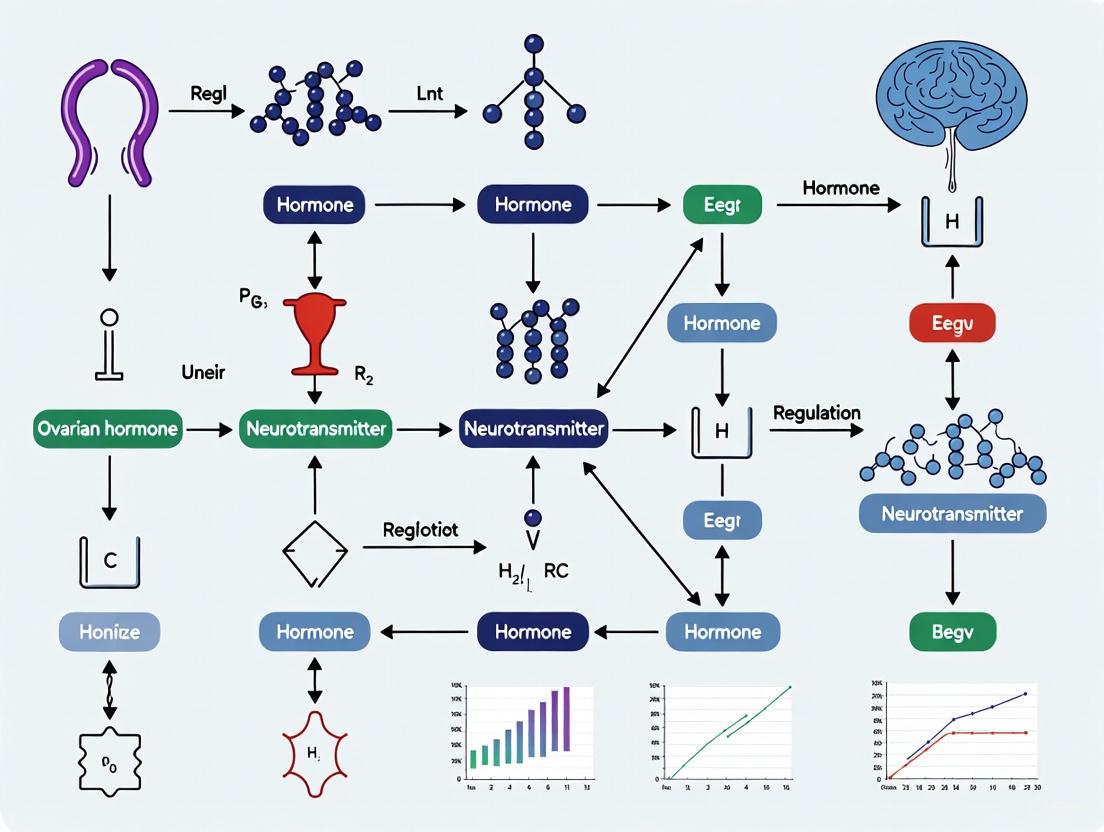
This article synthesizes current evidence on the dynamic interplay between ovarian hormones (estradiol and progesterone) and central neurotransmitter systems.
Neuroendocrine Orchestration: How Ovarian Hormone Fluctuations Govern Neurotransmitter Regulation and Influence Mental Health & Addiction
Abstract
This article synthesizes current evidence on the dynamic interplay between ovarian hormones (estradiol and progesterone) and central neurotransmitter systems. Aimed at researchers and drug development professionals, it explores the foundational neurobiological mechanisms, detailing how hormonal fluctuations across the female lifespan—from puberty to menopause—modulate serotonin, dopamine, GABA, and glutamate signaling. It further reviews advanced methodological approaches in preclinical and clinical research, addresses challenges in modeling and translating these interactions, and validates findings through comparative analysis of hormonal transition periods. The review highlights critical implications for developing sex-specific therapeutic strategies for neuropsychiatric disorders and substance use, emphasizing the need for hormone-informed pharmacology.
The Neuroendocrine Bridge: Foundational Mechanisms of Ovarian Hormone and Neurotransmitter Cross-Talk
Ovarian hormones, primarily estradiol and progesterone, exert extensive influence on brain function far beyond their classical reproductive roles. Acting through a complex array of nuclear, membrane-associated, and G-protein coupled receptors, these hormones regulate key neurological processes including neurotransmission, neuroprotection, cognition, and mood. Recent research advancements have elucidated that the brain is not merely a passive target but an active site of steroid synthesis, producing neurosteroids that modulate neural circuitry. Fluctuations in these hormones across the lifespan and during cycling states are critical for neurotransmitter regulation, and dysregulation is implicated in various neurological and psychiatric conditions. This whitepaper provides a technical overview of estradiol and progesterone mechanisms in the CNS, details experimental methodologies for their study, and discusses implications for therapeutic development in women's brain health.
Hormone Synthesis, Metabolism, and Central Nervous System Availability
While the ovaries are the primary source of circulating estradiol and progesterone, the brain actively regulates its own steroid environment through de novo synthesis and the conversion of peripheral precursors.
Neurosteroidogenesis
The brain synthesizes steroids, termed neurosteroids, independently of peripheral sources. Cholesterol is the fundamental precursor, and its conversion to pregnenolone by P450scc (cytochrome P450 side-chain cleavage) is the rate-limiting step [1]. This process occurs primarily in glial cells, particularly astrocytes.
- Estradiol Regulation of Neuroprogesterone: A key regulatory model involves estradiol of ovarian origin stimulating the synthesis of progesterone within the brain (neuroprogesterone). This occurs primarily in astrocytes and requires the interaction of membrane-associated estrogen receptor-α (mERα) with metabotropic glutamate receptor-1a (mGluR1a). This coupling activates a phospholipase C (PLC) / inositol trisphosphate (IP3) pathway, triggering the release of intracellular Ca2+ stores, which in turn stimulates progesterone synthesis [1].
- Functional Significance: This neuroprogesterone diffuses out of astrocytes to activate estrogen-induced progesterone receptors in nearby neurons, initiating neural cascades for critical events such as the luteinizing hormone (LH) surge [1].
Table 1: Key Enzymes in Ovarian Hormone Synthesis and Metabolism in the Brain
| Enzyme | Function | Location in Brain | Significance |
|---|---|---|---|
| P450scc | Converts cholesterol to pregnenolone | Astrocytes, other glial cells | Rate-limiting step in all steroid synthesis [1] |
| 3β-HSD | Converts pregnenolone to progesterone | Hypothalamus, other regions | Blockade prevents LH surge, underscoring role of neuroprogesterone [1] |
| Aromatase | Converts androgens to estrogens | Neurons in specific regions | Critical for local estradiol production in brain |
| 5α-reductase | Converts progesterone to DHP | Widespread | First step in production of neuroactive metabolites like allopregnanolone [2] |
Circulating Hormones and the Blood-Brain Barrier
Free steroids can diffuse across the blood-brain barrier, making central hormone levels a composite of peripheral, converted, and de novo synthesized steroids [1]. This interplay is a critical consideration for research and therapy, as peripheral hormone treatments can influence central steroid levels and receptor expression.
Receptor Types, Isoforms, and Neural Distribution
Ovarian hormones signal through a diverse family of receptors, enabling a wide range of genomic and non-genomic effects.
Estrogen Receptors (ERs)
Estradiol signals through several receptor subtypes with distinct distributions and functions.
- ERα and ERβ: These are classical nuclear transcription factors but are also found at the cell membrane (mERα, mERβ). They become associated with the membrane primarily through palmitoylation, a lipid modification of specific cysteine residues [3]. Membrane localization allows them to activate rapid, non-genomic signaling cascades.
- GPER1: A G-protein coupled estrogen receptor that is also observed at the cell membrane and mediates rapid estrogen effects [3].
Table 2: Estrogen and Progesterone Receptors in the Brain
| Receptor | Type | Primary Signaling Mode | Key Brain Regions |
|---|---|---|---|
| ERα | Nuclear / Membrane-associated | Genomic & Non-genomic | Hypothalamus, Amygdala, Hippocampus, Cortex [3] [4] |
| ERβ | Nuclear / Membrane-associated | Genomic & Non-genomic | Hypothalamus, Hippocampus, Cortex [3] |
| GPER1 | G-protein coupled | Non-genomic | Prefrontal Cortex, Hippocampus, Striatum [3] |
| PRA/PRB | Nuclear transcription factor | Genomic | Hypothalamus, Hippocampus, Cortex, BST [5] |
| 7TMPRβ | G-protein coupled | Non-genomic | Widespread (blocks adenylyl cyclase) [5] |
| PGRMC1 | Membrane-associated | Non-genomic | Widespread (expressed in all neural cell types) [5] |
Progesterone Receptors (PRs)
Progesterone signaling is mediated by an even more complex array of receptors.
- Classical Nuclear Receptors (PRA and PRB): Encoded by a single gene, these isoforms function as ligand-activated transcription factors. PRB contains an additional N-terminal activation function domain (AF3) not present in PRA [5].
- Non-Classical and Membrane Receptors: Multiple splice variants of the classical PR exist, some of which lack a nuclear localization signal and remain in the cytoplasm or associate with the membrane, where they can activate kinase cascades [5].
- 25-Dx (PGRMC1): A membrane-associated protein with a single transmembrane domain that binds progesterone and is broadly expressed [5].
- 7TMPRβ: A G-protein coupled receptor with seven transmembrane domains that, when bound by progestin, inhibits adenylyl cyclase activity [5].
Receptor Distribution: PRs are broadly expressed throughout the brain, including the hippocampus, cortex, hypothalamus, and cerebellum. They are detected in every neural cell type (neurons, astrocytes, microglia, oligodendrocytes), indicating progesterone's widespread role in neural function [5].
Signaling Pathways and Mechanisms of Action
The signaling pathways of estradiol and progesterone are multifaceted, involving both long-latency genomic actions and rapid non-genomic effects.
Estradiol Signaling Pathways
Figure 1: Estradiol Signaling Pathways in Neurons. Estradiol (E2) activates both membrane-associated (mER) and nuclear estrogen receptors (ER), leading to rapid non-genomic effects and slower genomic responses. Cross-talk between these pathways integrates the overall cellular response [3].
Progesterone Signaling Pathways
Figure 2: Progesterone Receptor Signaling Mechanisms. Progesterone (P4) acts via classical nuclear receptors (PRA/PRB) to regulate gene expression and via membrane-associated receptors (7TMPRβ, PGRMC1) to initiate rapid signaling cascades [5] [2].
Integrated Signaling: Estradiol Induction of Neuroprogesterone
Figure 3: Estradiol-Induced Neuroprogesterone Synthesis for LH Surge. Ovarian estradiol acts on astrocytic mERα, which interacts with mGluR1a to activate a PLC/IP3/Ca2+ pathway, stimulating neuroprogesterone synthesis. This neuroprogesterone then activates estradiol-induced PRs in neurons to trigger the LH surge [1].
Research Methodologies and Experimental Protocols
Studying ovarian hormones in the brain requires a combination of advanced in vivo imaging, molecular techniques, and careful hormonal manipulation.
In Vivo Brain Estrogen Receptor Imaging with 18F-FES PET
Objective: To quantify in vivo ER density in the human brain and its modulation by neuroendocrine aging [4].
Protocol Summary:
- Participant Preparation: Healthy midlife women are grouped by menopausal stage (pre-, peri-, postmenopausal). Premenopausal women are scanned at midcycle.
- Tracer Injection: Intravenous injection of 18F-fluoroestradiol (18F-FES), a PET ligand with high selective binding affinity for ERs, particularly ERα.
- Image Acquisition: Dynamic PET scanning is performed for approximately 60-90 minutes post-injection. Time activity curves (TACs) are generated.
- Data Analysis: Distribution volume ratios (DVR) are calculated using graphic Logan plots with cerebellar gray matter as a reference region, providing a measure of ER density in target regions (e.g., pituitary, hypothalamus, hippocampus, PCC, frontal cortex).
- Correlation with Behavior: DVR values are correlated with cognitive test scores (e.g., logical memory recall) and self-reported mood/cognitive symptoms.
Key Findings from Recent Study [4]:
- ER density (18F-FES DVR) increases in a menopause-stage-dependent manner, independent of age and plasma E2.
- Higher ER density in hippocampus, PCC, and frontal cortex was associated with poorer memory performance.
- Higher ER density in postmenopausal women predicted the presence of self-reported mood and cognitive symptoms.
Experimental Blockade of Neurosteroidogenesis
Objective: To determine the functional role of brain-synthesized progesterone (neuroprogesterone) in the LH surge [1].
Protocol Summary:
- Animal Model: Use cycling female rats on the morning of proestrus.
- Intracerebroventricular (ICV) Infusion: Infuse aminoglutethemide (AGT), a P450scc enzyme inhibitor, into the third ventricle to inhibit the conversion of cholesterol to pregnenolone within the hypothalamus.
- Control Group: ICV infusion of vehicle.
- Outcome Measures:
- Vaginal Cytology: To assess disruption of the estrous cycle.
- Ovarian and Uterine Morphology: To confirm anovulation.
- Hormone Assays: Measure plasma estradiol and progesterone to confirm peripheral steroidogenesis is intact, and hypothalamic neuroprogesterone levels to confirm central blockade.
- LH Surge: Measure plasma LH levels.
Key Findings: AGT treatment blocked the LH surge and ovulation, significantly reduced hypothalamic neuroprogesterone, but did not affect plasma estradiol, demonstrating the essential role of neuroprogesterone in this process [1].
The Scientist's Toolkit: Key Research Reagents
Table 3: Essential Reagents for Studying Ovarian Hormones in the Brain
| Reagent / Tool | Function / Target | Example Application | Key Consideration |
|---|---|---|---|
| 18F-FES PET Tracer | ERα ligand for in vivo imaging | Quantifying ER density changes in human brain across menopause transition [4] | High correlation with ER expression; cerebellar GM reference. |
| Aminoglutethemide (AGT) | P450scc inhibitor | Blocking neurosteroidogenesis to study role of neuroprogesterone in LH surge [1] | Central (ICV) administration required to avoid peripheral effects. |
| E2-BSA Conjugate | Membrane-impermeable estrogen | Differentiating membrane-initiated vs. genomic estrogen signaling [3] | Binds membrane ERs but cannot enter cell to activate nuclear ERs. |
| Palmitoylation Inhibitors | Blocks ER palmitoylation | Studying membrane localization of ERα/ERβ and rapid signaling [3] | Eliminates rapid estrogen-induced phosphorylation of CREB. |
| PR Antagonists | Blocks progesterone receptors | Determining PR-dependence of progesterone effects on behavior and neuroprotection | Used to confirm that effects are mediated by PR, not metabolites. |
| Selective PR Modulators | Tissue-specific PR activation/inhibition | Investigating specific PR functions and potential therapeutic applications [6] | Allows dissection of the role of different PR isoforms. |
Functional Outcomes and Clinical Implications
Cognition, Mood, and Menopause
Hormone fluctuations have profound effects on brain states, with significant clinical implications.
- Menopause and ER Density: The postmenopausal state is associated with increased brain ER density, which is linked to poorer memory performance and increased mood/cognitive symptoms [4]. This may represent a compensatory upregulation in response to declining ligand (estradiol) levels.
- Premenstrual Dysphoric Disorder (PMDD): Progesterone receptor modulation has been shown to improve premenstrual mood symptoms, potentially by enhancing fronto-cingulate control over emotional processing [6].
- Dynamic Genetic Regulation: Within-person daily fluctuations in estradiol and progesterone can modulate genetic influences on emotional eating, with genetic effects being most pronounced under moderate estradiol-to-progesterone ratios typical of the mid-luteal phase [7]. This highlights how hormonal state can alter the expression of underlying genetic risk for behavioral disorders.
Neuroprotection and Neurodegeneration
- Progesterone: P4 has established neuroprotective and neuroregenerative effects, including promoting myelination, reducing inflammation, and protecting against ischemic damage and amyloid-beta toxicity [5] [2].
- Estradiol: E2 provides neuroprotection against oxidative stress, ischemic damage, and amyloid protein, and promotes neuronal growth and repair [8]. Postmenopausal estrogen therapy is associated with a reduced incidence of Alzheimer's disease-related death [8].
The intricate signaling of estradiol and progesterone in the brain extends well beyond reproductive neuroendocrinology to encompass core functions of cognition, mood, and neuroprotection. The complexity of their receptor systems—from nuclear to membrane-associated isoforms—allows for a rich diversity of genomic and rapid non-genomic effects. Future research must focus on several critical areas:
- Therapeutic Specificity: Developing selective receptor modulators that target specific PR and ER isoforms or heteromers to achieve desired therapeutic outcomes (e.g., neuroprotection, mood stabilization) without unwanted side effects [5] [6].
- Metabolism and Mechanisms: Elucidating the metabolism of synthetic progestins in the brain and their precise mechanisms of action, which remain largely unknown compared to natural progesterone [6].
- Individual Variability: Understanding the factors (genetic, metabolic, life stage) that contribute to individual differences in sensitivity to hormonal fluctuations and hormone therapies [6] [7].
A deeper understanding of the ovarian hormone-brain connection is paramount for developing novel, targeted therapeutic strategies for a wide range of neurological and psychiatric conditions that disproportionately affect women.
The intricate interplay between ovarian hormones and central neurotransmitter systems represents a critical frontier in neuroendocrinology. Fluctuations in hormones such as 17β-estradiol (E2) and progesterone (P4) throughout the female lifespan exert profound effects on the serotonergic, dopaminergic, GABAergic, and glutamatergic pathways [9]. These neuromodulatory effects influence a wide spectrum of neural outcomes ranging from emotional regulation and cognitive function to metabolic processes and vulnerability to psychiatric disorders [10] [11]. Understanding the precise mechanisms through which ovarian steroids regulate neurotransmitter synthesis, receptor expression, and signal transduction provides valuable insights for developing novel therapeutic strategies for conditions with pronounced sex differences in prevalence and presentation, including depression, anxiety, and eating disorders [12] [13]. This technical review synthesizes current research on the molecular and cellular actions of ovarian hormones within these four key neurotransmitter systems, with particular emphasis on translational findings from both primate models and human studies.
Estradiol and Neurotransmitter System Interactions
Estrogen Receptor Mechanisms and Signaling
Estradiol exerts its effects through multiple receptor systems, including classical nuclear estrogen receptors (ERα and ERβ) and membrane-associated receptors such as G protein-coupled estrogen receptor (GPER) [9]. These receptors demonstrate distinct distribution patterns throughout the brain and utilize both genomic and non-genomic signaling mechanisms to modulate neuronal function. The genomic pathway involves E2 binding to nuclear estrogen receptors, which then dimerize and bind to estrogen response elements (EREs) in DNA, recruiting co-regulator proteins to initiate transcription of target genes [9]. Non-genomic mechanisms occur rapidly through membrane-associated receptors and involve activation of intracellular kinase cascades, including MAPK and PI3K pathways, which can ultimately also influence gene transcription [9]. The relative expression of receptor subtypes and their signaling pathways varies across brain regions, creating a complex regulatory network through which estradiol modulates neurotransmitter systems.
Table 1: Estrogen Receptor Types, Distribution, and Signaling Mechanisms
| Receptor Type | Primary Localization in Brain | Signaling Mechanisms | Key Neurotransmitter Systems Affected |
|---|---|---|---|
| ERα | Hypothalamus, Amygdala | Genomic (slow): ERE binding; Non-genomic (fast): Kinase activation | Dopamine, Serotonin |
| ERβ | Hippocampus, Cortex, Raphe Nuclei, Amygdala | Genomic (slow): ERE binding; Non-genomic (fast): Kinase activation | Serotonin, Glutamate, GABA |
| GPER | Widespread distribution including Hippocampus, Hypothalamus | Non-genomic (fast): cAMP production, calcium mobilization, kinase activation | Dopamine, Glutamate |
Methodological Framework for Studying Hormone-Neurotransmitter Interactions
Research investigating the relationships between ovarian hormones and neurotransmitter systems employs diverse methodological approaches across multiple species. Key experimental paradigms include:
Primate Models of Surgical Menopause: Ovariectomized adult female rhesus macaques treated with placebo, estradiol alone, or estradiol plus progesterone for 28 days via subcutaneous implants [11] [14]. Serotonin neurons are laser-captured from raphe nuclei, and gene expression is analyzed using microarray technology and quantitative RT-PCR. Protein expression is quantified via Western blotting in subcellular fractions, and DNA fragmentation is assessed using TUNEL assay [11].
Rodent Estrous Cycle Studies: Naturally cycling female rodents euthanized at different estrous cycle phases (proestrus: high E2; estrus: declining E2; diestrus: low E2) [12]. Neurotransmitter release, receptor density, and gene expression are compared across cycles. Extracellular dopamine levels are measured using in vivo microdialysis in regions including nucleus accumbens and medial prefrontal cortex [12].
Rodent Hormone Replacement in Ovariectomized Models: Ovariectomized rats or mice treated with subcutaneous estradiol benzoate, progesterone, or vehicle solutions [13]. Motivation for palatable food is assessed using operant conditioning paradigms with progressive ratio schedules, while emotional behaviors are evaluated using elevated plus maze, forced swim test, and open field test [12] [13].
Human Hormonal Manipulation Studies: Women undergoing controlled ovarian hormone administration, often in the context of menopausal hormone therapy or contraception. Neurotransmitter system function is assessed using neuroimaging techniques such as PET imaging of receptor availability and fMRI during emotional or cognitive tasks [10].
Serotonergic System Regulation
Ovarian Hormone Effects on Serotonin Synthesis, Metabolism, and Reuptake
The serotonergic system demonstrates particular sensitivity to ovarian hormone fluctuations. Estradiol enhances serotonin synthesis through increasing gene and protein expression of tryptophan hydroxylase (TPH2), the rate-limiting enzyme in serotonin production [10] [11]. Additionally, estradiol inhibits expression of the serotonin reuptake transporter (SERT) gene and acts as a SERT antagonist, increasing synaptic serotonin availability [10]. Ovarian hormones also decrease expression of monoamine oxidase A (MAO-A), the primary enzyme responsible for serotonin degradation [11]. These coordinated actions result in increased serotonin availability and signaling potential during periods of high estrogen exposure.
Serotonin Receptor Modulation by Estrogen
Estradiol differentially regulates various serotonin receptor subtypes, profoundly influencing serotonergic signaling. The hormone increases the density and binding capacity of 5-HT2A receptors while simultaneously inhibiting 5-HT1A receptor function [10]. Through activation of ERβ, estradiol upregulates 5-HT2A receptors, whereas ERα activation increases 5-HT1A receptors via nuclear factor kappa B (NFκB) [10]. The protein kinase C (PKC) activation subsequent to 5-HT2A receptor stimulation uncouples 5-HT1A autoreceptors, further diminishing their inhibitory feedback on serotonin production and release [10]. This receptor profile shift has implications for mood regulation, pain perception, and temperature control.
Table 2: Estradiol Effects on Serotonergic System Components
| Serotonergic Component | Effect of Estradiol | Functional Consequences | Experimental Evidence |
|---|---|---|---|
| TPH2 (Synthesis Enzyme) | Increased expression | Enhanced serotonin production | Primate studies: 2-3 fold increase in TPH2 mRNA [11] |
| SERT (Reuptake Transporter) | Decreased expression and direct antagonism | Prolonged synaptic serotonin availability | Human studies: Reduced SERT binding during high estrogen phases [10] |
| MAO-A (Metabolizing Enzyme) | Decreased expression | Reduced serotonin degradation | Primate studies: Decreased MAO-A protein in raphe [11] |
| 5-HT1A Receptor | Decreased function and expression | Reduced autoreceptor feedback, increased serotonin release | Rodent studies: Impaired 5-HT1A coupling to Gi protein [10] |
| 5-HT2A Receptor | Increased density and binding | Enhanced postsynaptic signaling, pain modulation | Human imaging: Higher receptor binding potential with estrogen [10] |
Neural Plasticity in Serotonin Neurons
Ovarian hormones promote structural and functional plasticity within serotonergic systems. Administration of estradiol and progesterone increases expression of genes associated with dendritic spine formation in laser-captured serotonin neurons, including glutamate receptors and effector GTPase proteins (CDC42, Rac1, RhoA) that regulate spine morphogenesis [14]. This suggests that ovarian steroids enhance the capacity for excitatory input onto serotonin neurons, potentially increasing their activity. Hormone treatment also decreases pro-apoptotic proteins (Bax, Bak) while increasing anti-apoptotic factors (Bcl-2, Mcl-1) in the dorsal raphe, indicating neuroprotective effects [11].
Dopaminergic System Regulation
Hormonal Modulation of Dopamine Neurotransmission
Ovarian hormones significantly influence dopaminergic signaling, particularly within mesolimbic reward pathways. Estrogen generally facilitates dopaminergic neurotransmission during synthesis, release, turnover, and degradation, acting on both pre- and postsynaptic receptors and transporters [12]. Fluctuations in extracellular dopamine levels occur across the estrous cycle in female rodents, with hormone manipulations altering dopamine receptor expression and sensitivity [12] [13]. These modulatory effects have important implications for reward processing, motivation, and emotional behaviors.
Dopamine and Reward Processing
Estradiol modulates reward-related behaviors through actions on dopaminergic systems. In both animals and humans, binge eating and emotional eating decrease when estradiol levels are high but increase during low estradiol phases [12]. Estradiol administration reduces motivation for palatable food rewards in operant conditioning tasks, an effect observed after direct estradiol injection into the ventral tegmental area (VTA) [12]. Ovariectomized rats show attenuated increases in extracellular dopamine in the nucleus accumbens during anticipation and consumption of palatable rewards, which is restored with estradiol treatment [12]. These findings indicate that estradiol influences dopamine-mediated reward "wanting" rather than hedonic "liking."
Dopamine Receptor Interactions with Ovarian Hormones
Dopamine receptors demonstrate complex interactions with ovarian hormones in regulating emotional behaviors. Studies using dopamine D3 receptor knockout (D3KO) mice reveal that the anxiolytic and antidepressant effects of estradiol and progesterone are mediated, at least partially, through D3 receptor-dependent mechanisms [13]. Wild-type mice show improved performance in the elevated plus maze and forced swim test following hormone administration, whereas D3KO mice do not exhibit these behavioral benefits [13]. This suggests that functional D3 receptors are necessary for the full behavioral effects of ovarian hormones on emotional regulation.
GABAergic System Regulation
Hormonal Fluctuations and GABA System Plasticity
The GABAergic system demonstrates remarkable plasticity during periods of hormonal flux across the female lifespan, including puberty, the ovarian cycle, pregnancy, postpartum, and menopause [15]. These changes occur across multiple components of the GABA system, including GABA neurons, perineuronal nets (PNNs), and GABAA receptors. Fluctuations in estradiol, progesterone, and the neuroactive progesterone metabolite allopregnanolone (ALLO) contribute to maintaining excitatory-inhibitory (E/I) balance in key brain regions [15]. Disruptions in this balance are linked to cognitive alterations, mood changes, and increased susceptibility to psychiatric disorders.
GABAAR Subunit Modulation and Tonic Inhibition
Ovarian hormones regulate GABAergic tone through modulation of GABAA receptor subunit composition. ALLO acts as a positive allosteric modulator at synaptic and extrasynaptic GABAARs, particularly those containing δ subunits, enhancing both phasic and tonic inhibition [15]. During periods of hormonal change, such as puberty and pregnancy, shifts in GABAAR subunit expression (e.g., α1-6, β1-4, γ1-3, δ) alter inhibitory neurotransmission and neuronal excitability [15]. These adaptations are essential for maintaining network stability despite fluctuating hormonal environments.
GABA and Reproductive Neuroendocrine Function
GABAergic signaling plays a crucial role in regulating gonadotropin-releasing hormone (GnRH) neuronal activity and reproductive function. In polycystic ovary syndrome (PCOS) models, prenatal androgen exposure disrupts the GABA-GnRH network, leading to altered estrous cyclicity, anovulation, and hormonal imbalances in adulthood [16]. Enhanced excitatory GABAergic inputs to GnRH and kisspeptin/neurokinin B/dynorphin (KNDy) neurons following prenatal testosterone exposure contribute to disturbances in steroid feedback mechanisms and elevated GnRH/LH pulsatility [16]. GABA also acts directly in ovarian tissue, influencing progesterone secretion and corpus luteum formation [16].
Glutamatergic System Regulation
Hormonal Regulation of Glutamate Receptors
Ovarian steroids exert significant effects on ionotropic glutamate receptors, modulating excitatory neurotransmission and synaptic plasticity. In the anteroventral periventricular nucleus (AVPV) of the hypothalamus, estradiol treatment increases expression of GluR1 mRNA (an AMPA receptor subunit) while suppressing NMDAR1 mRNA levels [17]. Progesterone administration in estrogen-primed ovariectomized rats causes an initial increase in GluR1 mRNA expression followed by a decrease 24 hours post-treatment [17]. These receptor changes represent a mechanism through which ovarian steroids regulate the sensitivity of AVPV neurons to glutamatergic activation, influencing GnRH neuronal activity and gonadotropin secretion.
Glutamatergic Influences on Serotonin Neurons
Estradiol enhances glutamatergic signaling onto serotonin neurons, potentially increasing their excitability. In laser-captured serotonin neurons from macaques, ovarian hormone treatment increases expression of genes encoding AMPA and NMDA receptor subunits, along with glutamate-related enzymes and regulatory proteins [14]. This includes upregulation of glutamate dehydrogenase (GLUD1), glutaminase (GLS), and excitatory amino acid transporter 1 (EAAT1) [14]. These changes suggest that ovarian steroids promote the formation and stabilization of dendritic spines on serotonin neurons, facilitating excitatory input and potentially enhancing serotonergic transmission to downstream regions.
Glutamate and Neuroendocrine Regulation
Glutamate receptors play a critical role in mediating the positive feedback effects of ovarian steroids on gonadotropin secretion. NMDA receptor antagonists block the estrogen-induced LH surge in ovariectomized rats, while injection of excitatory amino acids into the preoptic region stimulates LH release [17]. The AVPV, which contains a high density of estrogen and progesterone receptors, provides direct projections to GnRH neurons and appears to mediate these steroid effects through glutamatergic mechanisms [17]. Thus, glutamate serves as an essential intermediary in the hormonal control of reproductive neuroendocrine function.
Research Reagent Solutions
Table 3: Essential Research Reagents for Investigating Hormone-Neurotransmitter Interactions
| Reagent Category | Specific Examples | Research Application | Key Functions |
|---|---|---|---|
| Estrogen Receptor Agonists/Antagonists | PPT (ERα agonist), DPN (ERβ agonist), MPP (ERα antagonist), PHTPP (ERβ antagonist), G15 (GPER antagonist) | Receptor-specific mechanistic studies | Dissecting contributions of different estrogen receptors to neurotransmitter regulation |
| Enzyme Inhibitors | TPH2 inhibitors, MAO-A inhibitors (clorgyline), SERT blockers (fluoxetine) | Manipulating serotonin system components | Assessing hormone effects on specific aspects of neurotransmitter metabolism and signaling |
| Dopamine Receptor Ligands | Quinpirole (D2/D3 agonist), PG01037 (D3 antagonist), Raclopride (D2/D3 antagonist) | Dopamine receptor function studies | Investigating hormone-dopamine interactions in reward and emotional behaviors |
| GABAAR Modulators | Allopregnanolone, gabazine (GABAAR antagonist), benzodiazepines | GABAergic function assessment | Studying neurosteroid effects on inhibitory neurotransmission |
| Glutamate Receptor Agents | NMDA, MK-801 (NMDA antagonist), AMPA, NBQX (AMPA antagonist) | Glutamatergic signaling manipulation | Probing hormone-glutamate interactions in synaptic plasticity |
| Hormone Assays | ELISA kits, RIA kits, LC-MS/MS standards | Hormone level quantification | Measuring circulating and tissue concentrations of steroids |
| Molecular Biology Tools | qPCR primers for receptor subtypes, siRNA for receptor knockdown, ChIP assays | Gene expression and epigenetic analyses | Assessing transcriptional regulation of neurotransmitter system components |
Visual Synthesis of Pathway Interactions
Figure 1: Ovarian Hormone Regulation of Neurotransmitter Systems. This diagram illustrates the multifaceted interactions between ovarian hormones (estradiol, progesterone) and the four major neurotransmitter systems discussed. Arrows indicate documented regulatory relationships based on experimental evidence from primate and rodent studies.
Figure 2: Experimental Workflow for Investigating Hormone-Neurotransmitter Interactions. This flowchart outlines the key methodological approaches used in primate and rodent studies to examine ovarian hormone effects on neurotransmitter systems, integrating molecular, behavioral, and neurochemical assessment techniques.
The complex regulatory interactions between ovarian hormones and neurotransmitter systems underscore the importance of considering sex-specific mechanisms in neuroscience research and therapeutic development. Fluctuations in estradiol and progesterone across the female lifespan induce coordinated changes in serotonergic, dopaminergic, GABAergic, and glutamatergic signaling through genomic and non-genomic mechanisms. These neuroadaptations influence emotional regulation, reward processing, cognitive function, and stress vulnerability, contributing to the pronounced sex differences observed in many psychiatric and neurological disorders. Future research should focus on elucidating the precise molecular pathways through which ovarian hormones regulate neurotransmitter system plasticity, with particular attention to translational models that bridge rodent, primate, and human studies. Such investigations will facilitate the development of targeted, sex-specific interventions for mental health conditions that account for hormonal status across the female lifespan.
The nervous system exhibits remarkable plasticity, continuously adapting its structure and function in response to environmental experiences and internal physiological changes. This neuroplasticity, fundamental to cognition, behavior, and memory, is significantly modulated by hormonal signals, particularly ovarian hormones such as 17β-estradiol (E2) [18]. Estrogens exert their profound effects on neural circuits through two distinct temporal and mechanistic paradigms: genomic signaling, which regulates gene transcription over hours to days, and nongenomic signaling, which rapidly influences neural excitability and signaling cascades within seconds to minutes [18] [19]. These pathways are not mutually exclusive; rather, they engage in sophisticated cross-talk, creating an integrated regulatory network that fine-tunes synaptic strength, neuronal morphology, and ultimately, complex behaviors [18] [20]. Understanding this dual mechanism is crucial for unraveling the neurobiological basis of hormone-mediated behaviors and developing novel therapeutic strategies for neurological and psychiatric disorders with sex-specific prevalence, such as anxiety and depression [21] [22].
*his whitepaper delineates the molecular machinery, temporal dynamics, and functional integration of genomic and nongenomic estrogen signaling in the brain, with a specific focus on implications for research on ovarian hormone fluctuations and neurotransmitter regulation.
Genomic Signaling: The Transcriptional Pathway
The genomic actions of estrogens represent a classical endocrine signaling mechanism characterized by a prolonged latency and enduring effects on gene expression. These actions are primarily mediated by two nuclear estrogen receptor (ER) isoforms, ERα and ERβ, which function as ligand-activated transcription factors [18] [23].
Molecular Mechanism of Genomic Action
In the absence of ligand, nuclear ERs reside in the cytosol complexed with chaperone proteins like heat shock protein 90 (HSP90) [23]. The lipophilic estrogen molecule passively diffuses across the plasma membrane and binds to the ligand-binding domain (LBD) of the ER. This binding induces a conformational change, dissociating HSP90 and facilitating receptor dimerization (homo- or heterodimers) [23]. The activated ER complex then translocates to the nucleus and binds to specific DNA sequences known as Estrogen Response Elements (EREs) in the promoter regions of target genes [18] [23]. The canonical ERE is a palindromic sequence with the consensus GGTCAnnnTGACC [23]. Once bound to DNA, the ER recruits a suite of co-activators and the RNA polymerase complex to initiate gene transcription [23]. This process leads to the synthesis of new mRNA and proteins, which ultimately underpin long-term changes in neuronal function and structure, such as synaptic remodeling [18].
Key Target Genes and Functional Outcomes: Advanced genomic techniques, including RNA sequencing and chromatin immunoprecipitation (ChIP-seq), have identified numerous neural target genes for ERs. For instance, the gene encoding apolipoprotein D (Apo D), which is implicated in neuroprotection, contains EREs in its promoter and is transcriptionally regulated by estrogens [18]. Furthermore, genes critical for neural development, such as HOXC10, and those encoding ion channels like the large-conductance calcium-activated potassium (BK) channel subunit (mSlo, KCNMA1), are directly regulated by ER-ERE binding [18]. The differential distribution of ERα and ERβ throughout the brain, along with their potential to form heterodimers and recruit distinct sets of co-regulators, adds a significant layer of complexity and specificity to the genomic actions of estrogen [18].
Table 1: Core Components of Genomic Estrogen Signaling
| Component | Description | Function in Signaling Pathway |
|---|---|---|
| Nuclear Receptors (ERα/ERβ) | Ligand-activated transcription factors with DNA-binding (DBD) and ligand-binding domains (LBD) [23]. | Bind estrogen, dimerize, and translocate to nucleus to regulate transcription. |
| Estrogen Response Element (ERE) | Specific palindromic DNA sequence (e.g., GGTCAnnnTGACC) in gene promoters [23]. | Serves as the binding site for the estrogen-receptor complex. |
| Co-activators (e.g., SRC-1) | Proteins recruited by ligand-bound ER to the transcription complex [18]. | Facilitate chromatin remodeling and enhance transcription of target genes. |
| Chaperone Proteins (e.g., HSP90) | Proteins that bind unliganded receptors in the cytoplasm [23]. | Maintain receptor in a high-affinity conformation for ligand binding. |
Figure 1: Genomic Signaling Pathway. The classical pathway of estrogen action, from ligand binding and receptor dimerization to ERE binding and gene transcription.
Non-Genomic Signaling: The Rapid Response Pathway
In contrast to genomic actions, nongenomic signaling mediates the rapid effects of estrogens, occurring within seconds to minutes. This pathway is initiated at the plasma membrane or in the cytoplasm and does not directly involve gene transcription or protein synthesis [18] [19].
Membrane-Initiated Signaling Cascades
The central tenet of nongenomic signaling is the existence of membrane-associated estrogen receptors (mERs). These receptors, upon binding estrogen, rapidly activate intracellular kinase cascades and modulate ion channel activity [19] [20]. Key rapid signaling pathways activated by mERs include:
- MAPK/ERK Pathway: Critical for neuronal differentiation, survival, and synaptic plasticity.
- PI3K/Akt Pathway: Implicated in neuroprotection and metabolic regulation.
- Calcium Signaling: Rapid fluctuations in intracellular calcium act as a second messenger, influencing neurotransmitter release and neuronal excitability [19].
Evidence for these rapid actions is often demonstrated using membrane-impermeant estrogen conjugates like Estradiol-Bovine Serum Albumin (E2-BSA), which confines the estrogen signal to the cell exterior [19] [20].
Identity and Localization of Membrane Estrogen Receptors
The molecular identity of the mER has been a subject of extensive investigation. Several candidates have been proposed:
- Plasma Membrane-Localized Classical ERs: A small pool of classical ERα and ERβ can be targeted to the plasma membrane. This localization is facilitated by palmitoylation, a lipid modification, and interaction with scaffolding proteins like caveolins (Cav-1, Cav-3) within lipid rafts and caveolae [20]. For example, in hippocampal neurons, ERα coupled to mGluR1a via Cav-1 activates the Gαq and ERK pathway, leading to rapid phosphorylation of CREB [20].
- G Protein-Coupled Estrogen Receptor 1 (GPER): A G-protein coupled receptor that, upon estrogen binding, activates downstream kinases like ERK and PI3K/Akt [23].
- ER Variants: Truncated isoforms of classical ERs, such as ERα36, which are primarily localized to the plasma membrane and can activate MAPK and PI3K signaling [23].
Table 2: Characteristics of Genomic vs. Non-Genomic Estrogen Signaling
| Feature | Genomic Signaling | Non-Genomic Signaling |
|---|---|---|
| Temporal Profile | Slow (hours to days) [18] | Rapid (seconds to minutes) [18] |
| Primary Location | Nucleus [23] | Plasma membrane / Cytoplasm [19] |
| Key Receptors | Nuclear ERα, ERβ [18] | mERα, mERβ, GPER, ERα36 [23] [20] |
| Core Mechanism | Gene transcription & protein synthesis [18] | Kinase activation & ion flux [19] |
| Inhibitors | Actinomycin D, Cycloheximide [23] | Kinase-specific inhibitors [19] |
| Functional Role | Long-term structural changes, sustained modulation [18] | Rapid modulation of excitability, acute neuroprotection [18] [19] |
Figure 2: Non-Genomic Signaling Pathway. Estrogen binding to membrane receptors triggers rapid kinase activation and ion channel modulation, leading to transcription factor phosphorylation.
Functional Cross-Talk and Integration in Neural Circuits
The genomic and nongenomic pathways do not operate in isolation. They converge to fine-tune neuronal function and behavior, creating a cohesive hormonal response [18] [19]. A prime example of this integration is the regulation of lordosis behavior in female rodents, which depends on both gene expression and rapid kinase activation leading to changes in neuronal excitability [19].
Mechanisms of Cross-Talk
The convergence of these pathways occurs at multiple levels:
- Kinase-Mediated Modulation of Nuclear ER Activity: Rapid signaling cascades can phosphorylate nuclear ERs and their coregulators. For instance, MAPK can phosphorylate ERα at serine 118, and PKA/PKC pathways can phosphorylate CREB, thereby potentiating estrogen-mediated transcription from ERE-containing genes even in the absence of a direct ligand-genomic receptor interaction [19].
- Regulation of Key Neural Processes: This integrated signaling network governs fundamental aspects of neuroplasticity. It modulates synaptic protein synthesis, post-translational modifications, and the expression of estrogen receptor splice variants, collectively shaping the strength and architecture of neural circuits [18].
This cooperative model endows the estrogenic system with remarkable diversity and precision in modulating complex neural functions, including mood, cognition, and the response to stress [18] [22].
Figure 3: Signaling Pathway Integration. Cross-talk between non-genomic and genomic pathways occurs via kinase-mediated phosphorylation of transcription factors and nuclear receptors, enhancing transcriptional outcomes.
Implications for Hormone-Neurotransmitter Research
The dual-mechanism framework of estrogen action provides a critical foundation for research into ovarian hormone fluctuations and their impact on neurotransmitter regulation and mental health.
Fluctuations, Mental Health, and Cognitive Control
Hormonal transitions across the female lifespan—such as during the menstrual cycle, postpartum period, and perimenopause—are associated with changes in mental health [21]. The perimenopausal period, marked by pronounced hormonal fluctuations and declining estradiol levels, is associated with a heightened vulnerability to mood disorders and cognitive impairment [21]. Research indicates that estradiol has a direct impact on neurotransmitter systems, including serotonin, which is crucial for emotional stability [21]. A recent multimodal study demonstrated that ovarian hormones moderate the relationship between worry and cognitive control processes in the dorsal anterior cingulate cortex (dACC). Higher levels of estradiol and progesterone were found to weaken the association between worry and error-related dACC activity, suggesting a protective effect of these hormones on the link between anxiety and neural function [22].
Experimental Approaches and Research Toolkit
Dissecting the contributions of genomic and nongenomic pathways requires specific methodological strategies and reagents.
Key Methodologies and Protocols
Differentiating Genomic vs. Nongenomic Actions:
- Pharmacological Inhibition: Use transcription inhibitors (e.g., Actinomycin D) or translation inhibitors (e.g., Cycloheximide) to block genomic effects. If a rapid estrogen effect persists, it is likely nongenomic [23].
- Membrane-Impermeant Ligands: Employ conjugates like E2-BSA to activate only membrane-initiated signaling, as they cannot cross the plasma membrane [19] [20].
- Kinase Pathway Profiling: Utilize specific inhibitors for key kinases (e.g., U0126 for MEK/ERK, LY294002 for PI3K) to delineate their role in rapid estrogen effects and their cross-talk with transcription [19].
Mapping Genomic Actions:
- Transcriptomic Analysis: Techniques like RNA sequencing can identify estrogen-target genes and quantify transcriptomic changes in response to hormone treatment [18].
- Chromatin Immunoprecipitation (ChIP): ChIP-seq allows for the genome-wide identification of ER binding sites (EREs), distinguishing direct from indirect gene targets [18].
Visualizing Rapid Signaling:
Table 3: Essential Research Reagents and Their Applications
| Research Reagent / Tool | Primary Function | Application in Signaling Studies |
|---|---|---|
| E2-BSA | Membrane-impermeant estrogen conjugate [19] [20]. | Selectively activates membrane-initiated (non-genomic) signaling pathways. |
| ICI 182,780 (Fulvestrant) | Broad-spectrum ER antagonist [20]. | Blocks both genomic and non-genomic actions of estrogen; helps confirm ER involvement. |
| Actinomycin D / Cycloheximide | Inhibitors of transcription and translation, respectively [23]. | Used to distinguish genomic (inhibitable) from non-genomic (non-inhibitable) effects. |
| Kinase Inhibitors (e.g., U0126, LY294002) | Selective inhibitors of key signaling kinases (MEK, PI3K) [19]. | Elucidates the contribution of specific kinase cascades to estrogen's effects. |
| Caveolin-1 / -3 Mutants | Disrupts lipid raft/caveolae structure [20]. | Investigates the role of membrane microdomains in localizing mERs and initiating signaling. |
| Phospho-Specific Antibodies | Detect activated/phosphorylated signaling proteins (e.g., pERK, pCREB) [19] [20]. | Essential for measuring outputs of rapid, non-genomic signaling. |
| ChIP-seq | Genome-wide mapping of protein-DNA interactions [18]. | Identifies direct genomic targets of estrogen receptors (ER-ERE binding). |
This whitepaper provides a comprehensive technical analysis of the fluctuations in ovarian hormones across key stages of the female lifespan and their profound impact on central nervous system function and neurotransmitter regulation. Focusing on the phases of puberty, the menstrual cycle, perimenopause, and menopause, we synthesize current preclinical and clinical research to elucidate the molecular and cellular mechanisms through which estradiol and progesterone modulate neuroplasticity, stress response pathways, and behavior. The document is structured to serve researchers and drug development professionals by integrating quantitative hormonal data, detailed experimental methodologies, and visualizations of critical neuroendocrine pathways. Within the broader context of ovarian hormone research, this review emphasizes the critical need to consider these fluctuations as fundamental biological variables in the design of neuroscientific studies and the development of novel therapeutics for neurological and psychiatric conditions disproportionately affecting women.
The female brain is a dynamic target for ovarian steroid hormones, primarily 17β-estradiol (E2) and progesterone (P4). These hormones exert extensive effects on brain structure and function through both genomic and non-genomic signaling mechanisms [24] [25]. Their concentrations are not static; they undergo predictable yet complex fluctuations throughout life, creating distinct neuroendocrine environments from puberty to post-menopause. The brain itself is a steroidogenic organ, capable of local synthesis of neurosteroids, adding a layer of complexity to the regulation of neural circuits [25]. Understanding these fluctuations is not merely a physiological exercise but is crucial for interpreting sex differences in brain aging, vulnerability to mood disorders, and neurodegenerative diseases such as Alzheimer's disease, which affects nearly twice as many women as men [25]. This whitepaper deconstructs these lifespan stages, providing a technical reference for integrating hormonal status into research design and drug development.
Hormonal Trajectories: Quantitative Profiles Across the Lifespan
The following tables summarize key hormonal levels and clinical markers characteristic of each major stage of the female reproductive lifespan.
Table 1: Hormonal and Clinical Profile of Puberty and Reproductive Years
| Parameter | Prepuberty | Puberty Onset | Reproductive Age (Follicular Phase) | Reproductive Age (Luteal Phase) |
|---|---|---|---|---|
| Estradiol (E2) | Undetectable | Gradual Increase | 40-200 pg/mL | 100-300 pg/mL |
| Progesterone (P4) | Undetectable | Low | <1 ng/mL | 5-20 ng/mL |
| Follicle-Stimulating Hormone (FSH) | Low | Initial Rise | 3-20 mIU/mL | 1-10 mIU/mL |
| Primary Ovarian Follicles | ~300,000 | ~300,000 | Progressive cyclic depletion | Progressive cyclic depletion |
| Key CNS Processes | - | Neural circuit maturation; Synaptogenesis | Cognitive stability; Emotional regulation | Cognitive stability; Emotional regulation |
Note: Hormonal value ranges are approximate and can vary between individuals and assay methods. CNS: Central Nervous System.
Table 2: Hormonal and Clinical Profile of Perimenopause and Postmenopause
| Parameter | Early Perimenopause | Late Perimenopause | Postmenopause (Early) | Postmenopause (Late) |
|---|---|---|---|---|
| Estradiol (E2) | Erratic; periods of hypER- and hypo-estrogenism | Erratic; overall decline | <20 pg/mL | <15 pg/mL |
| Progesterone (P4) | Reduced luteal phase; anovulatory cycles | Frequent anovulation; very low | Undetectable | Undetectable |
| Follicle-Stimulating Hormone (FSH) | Elevated; highly variable | Consistently elevated | >25 mIU/mL | >25 mIU/mL |
| Anti-Müllerian Hormone (AMH) | Low/Undetectable | Undetectable | Undetectable | Undetectable |
| Primordial Follicle Pool | Rapid depletion (<1000) | Near exhaustion | Exhausted | Exhausted |
| Key CNS Processes | Onset of VMS; Mood lability; HPA axis dysregulation [26] | Increased risk for depressive symptoms; Sleep disruption | Accelerated cognitive aging; Increased AD endophenotype [25] | Elevated risk for osteoporosis, cardiovascular disease [27] |
Note: VMS: Vasomotor Symptoms (hot flashes, night sweats); HPA: Hypothalamic-Pituitary-Adrenal; AD: Alzheimer's Disease.
Molecular Mechanisms of Ovarian Hormone Action in the CNS
Ovarian hormones regulate central nervous system (CNS) function through a complex interplay of genomic and non-genomic pathways, influencing neurotransmission, neuronal survival, and synaptic plasticity.
Genomic and Non-Genomic Signaling
The classical genomic mechanism involves hormone binding to intracellular receptors (ERα, ERβ, PRA, PRB) that dimerize and bind to hormone response elements (HREs) on DNA, regulating gene transcription [24]. This process, which can take hours to days, alters the expression of proteins critical for neuronal function, including neurotransmitter synthesizing enzymes, receptors, and neurotrophic factors like Brain-Derived Neurotrophic Factor (BDNF) [28].
Non-genomic mechanisms, occurring within seconds to minutes, involve hormone binding to membrane-associated receptors (e.g., GPER1 for estrogen, membrane-associated PRs) or direct interaction with ion channels (e.g., GABAA, NMDA, serotonin receptors) [28] [24]. This triggers rapid intracellular signaling cascades, such as the MAPK/ERK and PI3K/Akt pathways, which are linked to cell survival and synaptic plasticity [28].
Impact on Neurotransmitter Systems
Hormonal fluctuations directly modulate the dominant neurotransmitter systems, contributing to behavioral and affective changes.
- Serotonergic System: Estradiol upregulates serotonin (5-HT) synthesis, increases 5-HT receptor expression, and inhibits serotonin reuptake transporters. This is a proposed mechanism for the mood-elevating effects of E2 and the dysphoric mood associated with its decline during the perimenopause [28] [21].
- Dopaminergic System: Estradiol enhances dopamine (DA) synthesis and release, and modulates dopamine D2 and D3 receptor density. These interactions are implicated in motivation, reward processing, and the heightened vulnerability to substance use disorders observed in females [28] [29].
- GABAergic System: Progesterone-derived neurosteroids, such as allopregnanolone, are potent positive allosteric modulators of the GABAA receptor. Fluctuations in allopregnanolone levels across the menstrual cycle and during perimenopause can alter overall GABAergic tone, influencing anxiety, stress reactivity, and contributing to conditions like premenstrual dysphoric disorder (PMDD) and perimenopausal depression [26].
- Glutamatergic System: Estradiol potentiates NMDA receptor-mediated transmission and influences AMPA receptor trafficking, thereby modulating long-term potentiation (LTP), a cellular correlate for learning and memory, particularly in the hippocampus [28].
Experimental Models and Methodologies
Research into the effects of hormonal fluctuations relies on a combination of clinical observation, neuroimaging, and controlled preclinical models.
Clinical and Neuroimaging Assessment
Human studies utilize reproductive staging systems (e.g., STRAW criteria for menopause) and hormonal assays to correlate endocrine status with brain function and structure [26]. Advanced neuroimaging techniques are critical:
- Structural MRI: Used to document hormone-mediated changes in hippocampal volume, white matter integrity, and overall brain structure [25].
- Functional MRI (fMRI): Elucidates how hormonal phases affect functional connectivity in networks subserving emotion (e.g., amygdala-prefrontal cortex circuitry) and cognition (default mode network) [25].
- Positron Emission Tomography (PET): Allows for the in vivo quantification of cerebral glucose metabolism (CMRglc), neurotransmitter receptor availability, and amyloid-β deposition, revealing links between menopause, hypometabolism, and AD pathology [25].
Preclinical Animal Models
Rodent models are indispensable for mechanistic studies. Key methodological approaches include:
Protocol 1: Ovariectomy (OVX) and Hormone Replacement
- Purpose: To model surgical menopause and test causal effects of specific hormones.
- Procedure: Adult female rodents undergo bilateral OVX to remove primary endogenous hormone sources. After a postoperative recovery period (e.g., 2 weeks), subjects receive systemic hormone replacement via subcutaneous injection, silastic capsule, or osmotic minipump.
- 17β-Estradiol (E2): Common doses range from 0.2 to 10 µg/day for mice/rats. Vehicle: often sesame or corn oil.
- Progesterone (P4): Common doses range from 0.5 to 10 mg/day for mice/rats.
- Control Groups: Sham-operated animals; OVX + vehicle.
- Outcome Measures: Behavioral tests (e.g., forced swim test for depression-like behavior, open field for anxiety), followed by post-mortem tissue analysis (e.g., Western blot, qPCR, immunohistochemistry) [30] [24].
Protocol 2: Assessing Hormonal Sensitivity in Transgenic Models
- Purpose: To investigate the interaction between specific genes and hormonal manipulation.
- Procedure: Utilize transgenic mice (e.g., Dopamine D3 Receptor Knockout - D3KO). Subject these and wild-type (WT) littermates to OVX and the hormone replacement protocol detailed above.
- Analysis: Compare behavioral and neurochemical outcomes between genotypes and treatment groups to determine if the gene is necessary for the hormonal effect. For example, D3KO mice show altered behavioral responses to E2 and P4 in anxiety and depression tests, indicating DRD3's role in mediating ovarian hormone efficacy [30].
The Scientist's Toolkit: Essential Research Reagents
The following table catalogues critical reagents and models for investigating ovarian hormone effects on the CNS.
Table 3: Key Research Reagents and Models
| Reagent / Model | Function / Target | Key Application in Research |
|---|---|---|
| Selective Estrogen Receptor Modulators (SERMs) e.g., Tamoxifen, Raloxifene | ERα/ERβ agonists/antagonists (tissue-dependent) | Dissecting the contribution of estrogen receptor subtypes to specific neurobiological outcomes. |
| GPER1 Agonists/Antagonists e.g., G-1, G-15 | Selective activation/blockade of the G protein-coupled estrogen receptor | Investigating non-genomic, membrane-initiated estrogen signaling pathways. |
| Finasteride | 5α-reductase inhibitor; blocks conversion of P4 to allopregnanolone | Testing the role of neurosteroidogenesis in mediating progesterone's behavioral effects (e.g., on stress and anxiety). |
| Transgenic Mouse Models e.g., ERαKO, ERβKO, D3KO | Specific gene knockout models | Elucidating the necessity of specific hormone receptors or downstream targets for behavioral and molecular phenotypes. |
| Enzyme Immunoassays (EIA) / Radioimmunoassays (RIA) | Quantitative measurement of serum/tissue E2, P4, FSH, LH, etc. | Correlating circulating or central hormone levels with experimental outcomes. |
| Corticosterone/ACTH EIA | Quantification of HPA axis hormones | Assessing stress response and HPA axis function under different hormonal conditions [26]. |
| siRNA/shRNA for ER/PR | Targeted knockdown of hormone receptor expression in specific brain regions (e.g., via stereotactic injection) | Defining the role of receptors in discrete neural circuits. |
Pathophysiological Implications: From Mood to Neurodegeneration
Dysregulation in the interplay between hormonal fluctuations and the CNS underpins several clinical conditions.
Perimenopausal Depression Heuristic Model
A leading mechanistic hypothesis for perimenopausal depression involves ovarian hormone fluctuation-induced dysregulation of the HPA axis [26]. The model proposes that the erratic hormonal environment of perimenopause, particularly fluctuations in P4-derived neurosteroids like allopregnanolone, leads to a failure of GABAA receptor-mediated regulation of the HPA axis. This results in HPA axis hyperactivity, increased sensitivity to psychosocial stress, and ultimately, a heightened vulnerability to depression in susceptible mid-life women [26].
Alzheimer's Disease Risk
The decline in estradiol post-menopause is hypothesized to contribute to the increased risk of Alzheimer's disease in women [25]. Preclinical data shows that oophorectomy (OVX) in animal models exacerbates amyloid-β pathology and reduces cerebral glucose metabolism, while estrogen therapy can mitigate these effects. Neuroimaging studies in middle-aged women show the emergence of an AD endophenotype—including increased amyloid deposition and reduced glucose metabolism—around the time of menopause, highlighting a critical window for potential therapeutic intervention [25].
The fluctuation of ovarian hormones across the female lifespan is a critical biological variable that profoundly shapes brain function, mental health, and vulnerability to neurological disease. A deep technical understanding of the molecular mechanisms—from genomic regulation to rapid neurotransmitter modulation—is essential for researchers and drug developers. Future work must focus on:
- Elucidating Critical Windows: Determining the precise timing for effective therapeutic intervention, particularly during the perimenopausal transition.
- Personalized Approaches: Developing biomarkers to predict individual vulnerability to hormonal fluctuation-related disorders.
- Novel Therapeutics: Designing compounds that target specific hormone receptor subtypes or downstream signaling pathways to achieve desired neurological benefits while minimizing peripheral side effects. Integrating the detailed hormonal profiles, experimental protocols, and mechanistic models outlined in this whitepaper will advance the development of targeted, effective strategies to promote women's brain health across the lifespan.
This whitepaper synthesizes current research on the dynamic interplay between ovarian hormone fluctuations and their profound impact on three key brain regions: the hippocampus, amygdala, and prefrontal cortex (PFC). For researchers and drug development professionals, understanding these mechanisms is crucial for developing targeted interventions for mood disorders, cognitive decline, and other conditions disproportionately affecting women. The hippocampus, amygdala, and PFC demonstrate significant structural and functional plasticity in response to hormonal changes, with implications for memory formation, emotional processing, and executive function [31] [32] [33]. This review places these findings within the broader context of ovarian hormone and neurotransmitter regulation research, providing a foundation for future therapeutic innovation.
Hippocampal Plasticity
Structural and Functional Dynamics
The hippocampus exhibits remarkable plasticity, supported by adult neurogenesis in the dentate gyrus and continuous remodeling of synaptic connections [33]. This structural and functional adaptability is modulated by various factors, including glucocorticoids, neurotrophic factors, and ovarian hormones.
Table 1: Factors Modulating Hippocampal Plasticity
| Factor Category | Specific Factor | Effect on Hippocampal Plasticity | Primary Mechanism |
|---|---|---|---|
| Hormones | Glucocorticoids [34] | Bidirectional (Facilitative at circadian/acute levels; detrimental at chronic high levels) | Genomic & non-genomic actions via MR/GR receptors; regulates neurogenesis, synaptogenesis |
| Estrogen [35] | Facilitative | Fluctuations in synapse density; gray matter volume changes | |
| Neurotrophic Factors | BDNF [33] | Facilitative | Promotes synaptic plasticity via CREB, synapsin I, synaptophysin |
| IGF-1 [33] | Facilitative | Activates PI3K/Akt & Ras/MAPK-ERK pathways; supports neurogenesis | |
| VEGF [33] | Facilitative | Promotes neurogenesis | |
| Neurotransmitters | Glutamate [33] | Facilitative | Primary excitatory neurotransmitter; regulates LTP in dentate gyrus |
| GABA [33] | Inhibitory | Primary inhibitory neurotransmitter; regulates neuronal integration | |
| External Factors | Physical Exercise [33] | Facilitative | Increases neurogenesis, BDNF levels, and LTP |
| Chronic Stress [34] | Detrimental | Atrophy of dendrites, impaired synaptic plasticity, neuroinflammation |
Hormonal Regulation and Experimental Evidence
Hippocampal plasticity is profoundly regulated by hormonal fluctuations. Glucocorticoids (GCs), the primary stress hormones, orchestrate plasticity through mineralocorticoid (MR) and glucocorticoid (GR) receptors, influencing neurogenesis, glutamatergic neurotransmission, and synaptic function [34]. The effects are dose- and timing-dependent; while acute and circadian levels of GCs support neuronal survival and memory consolidation, chronically elevated levels lead to dendritic atrophy, impaired synaptic plasticity, and reduced neurogenesis [34].
Ovarian hormones also significantly modulate the hippocampus. A pivotal human neuroimaging study revealed that hippocampal gray matter is relatively increased during the postmenstrual late-follicular phase (days 10-12 after onset of menses), when estrogen levels are high, compared to the premenstrual late-luteal phase [35]. This structural change was coupled with enhanced verbal declarative memory, demonstrating a functional correlate to the anatomical fluctuation [35].
Experimental Protocol: Investigating Human Hippocampal Plasticity Across the Menstrual Cycle [35]
- Objective: To quantify regional variation in hippocampal gray matter across the menstrual cycle.
- Participants: 21 adult women.
- Design: Within-subject, repeated measures.
- Procedure:
- Each subject underwent two T1-weighted MRI scans using a spoiled gradient recalled acquisition sequence.
- Scan 1: Performed during the postmenstrual late-follicular phase (Days 10-12 after onset of menses).
- Scan 2: Performed during the premenstrual late-luteal phase (1-5 days before the onset of menses).
- Subjects also completed verbal declarative memory tests at both time points.
- Analysis: Jacobian-modulated voxel-based morphometry (VBM) was used to test for regional variation in gray matter between the two phases.
Amygdala Reactivity and Frontolimbic Integration
The Amygdala's Role in Emotional Processing
The amygdala, a key structure of the limbic system, is essential for assessing threats, regulating emotions, and attaching emotional significance to memories [32]. It regulates fear, aggression, and anxiety through its widespread connections to sensory areas, the hypothalamus (for physiological responses), and the hippocampus (for emotional memory) [32]. The concept of "amygdala hijack" describes a situation where strong emotions like anxiety or anger cause the amygdala to override the prefrontal cortices, leading to irrational, overreactive behaviors [32].
Structural and Functional Connectivity with the PFC
The amygdala shares dense, bidirectional anatomical connections with the prefrontal cortex (PFC), forming a critical circuit for emotion regulation [36]. It is frequently posited that the PFC, particularly ventral and medial regions, provides "top-down" inhibitory control over amygdala reactivity.
Empirical evidence supports this. A large-scale population-based study (n=2,223 adolescents) found that individuals with high amygdala reactivity to angry facial expressions had significantly reduced cortical thickness in the bilateral orbital and ventromedial PFC (vmPFC) compared to those with lower reactivity [36]. Furthermore, a second-order linear model revealed a significant continuous association between amygdalar reactivity and vmPFC thickness [36]. This provides direct empirical support for the long-held conjecture that reduced PFC cortical thickness is associated with a diminished capacity to downregulate the amygdala.
Prefrontal Cortex Transcriptome and Hormonal Fluctuations
The mPFC transcriptome is highly sensitive to fluctuations in ovarian hormones, with changes surpassing baseline sex differences. Research in rodent models demonstrates that the estrous cycle causes a profound reorganization of the mPFC transcriptome.
Table 2: Transcriptomic and Functional Changes in the Rat mPFC Across the Estrous Cycle
| Feature | Proestrus (High Hormone) | Diestrus (Low Hormone) | Technical Method |
|---|---|---|---|
| Global Gene Expression | Vastly distinct from diestrus; 985 differentially expressed genes (DEGs) [37] | More closely clustered with males than with proestrus females [37] | RNA-sequencing (RNA-seq) |
| Direction of DEGs vs. Males | 66% of DEGs are down-regulated [37] | 71% of DEGs are down-regulated [37] | RNA-seq |
| Key Up-regulated Processes vs. Males | Neurotransmission & synaptic signaling [37] | Not applicable | Gene-set enrichment analysis (GSEA) |
| Key Down-regulated Processes vs. Males | Extracellular matrix (ECM) organization [37] | ECM organization; more pronounced than in proestrus [37] | GSEA |
| Key Transcription Factor | Egr1 (critical for regulating synapse-related genes) [37] | Not prominent | Chromatin Immunoprecipitation & Seq (ChIP-seq) |
| Synaptic State | Reorganization and potential enhancement | Not reported | Functional clustering |
Experimental Protocol: Transcriptomic Profiling of the mPFC in Rodents [37]
- Objective: To characterize sex differences and the interaction of the estrous cycle with the medial prefrontal cortex (mPFC) transcriptome.
- Subjects: Adult rats (males, proestrus females, diestrus females).
- Tissue Collection: mPFC tissue dissection.
- Transcriptomic Analysis:
- RNA-sequencing (RNA-seq): Performed to compare gene expression profiles between males, proestrus females, and diestrus females.
- Chromatin Immunoprecipitation followed by sequencing (ChIP-seq): Conducted to identify genes under the direct transcriptional control of the transcription factor Egr1.
- Data Analysis:
- Principal component analysis (PCA) to visualize global transcriptome differences.
- Identification of differentially expressed genes (DEGs).
- Gene-set enrichment analysis (GSEA) to identify affected functional pathways.
- Mapping of Egr1 binding sites genome-wide.
Integrated Signaling Pathways
The following diagrams summarize the core biological pathways discussed in this whitepaper, illustrating how hormonal signals translate into changes in brain structure and function.
HPA Axis and Glucocorticoid Signaling in the Hippocampus
Estrous Cycle Regulation of Cortical Gene Expression
The Scientist's Toolkit: Key Research Reagents and Models
Table 3: Essential Reagents and Models for Investigating Hormone-Brain Interactions
| Reagent / Model | Function / Purpose | Example Application |
|---|---|---|
| Jacobian-modulated VBM [35] | MRI analysis technique to detect regional volume and tissue concentration changes. | Quantifying hippocampal gray matter changes across the menstrual cycle in humans. |
| RNA-sequencing (RNA-seq) [37] | High-throughput sequencing to profile the entire transcriptome and identify DEGs. | Revealing large-scale transcriptome reorganization in the rat mPFC across the estrous cycle. |
| Chromatin Immunoprecipitation (ChIP-seq) [37] | Identifies genome-wide binding sites for specific transcription factors. | Validating Egr1 as a direct regulator of synapse-related genes varying in the female mPFC. |
| T1-weighted MRI & CIVET Pipeline [36] | Neuroimaging and processing pipeline for precise cortical thickness measurement. | Measuring cortical thickness and correlating it with amygdalar reactivity in a large cohort. |
| Angry Faces fMRI Paradigm [36] | Functional task to probe amygdalar reactivity to socially threatening stimuli. | Eliciting and measuring BOLD signal change in the amygdala for fronto-limbic correlation studies. |
| Rodent Estrous Cycle Staging [37] | Method to determine phase of hormonal fluctuation in female rodents. | Creating distinct experimental groups (proestrus vs. diestrus) for transcriptomic studies. |
The hippocampal plasticity, amygdala reactivity, and prefrontal cortex function are deeply interconnected and exquisitely sensitive to the rhythmic fluctuations of ovarian hormones. The data reveals that these hormonal changes drive structural reorganization, such as hippocampal volume shifts, regulate transcriptional networks in the PFC with profound implications for synaptic function, and fundamentally shape the functional integrity of fronto-limbic circuits. Moving forward, research must continue to dissect the precise molecular mechanisms, including the role of key transcription factors like Egr1 and the extensive synaptic gene networks, to identify high-value targets for therapeutic intervention. Acknowledging and systematically accounting for this endocrine influence is not merely a methodological refinement but a fundamental requirement for advancing our understanding of the female brain and developing novel, targeted treatments for neuropsychiatric disorders.
From Bench to Bedside: Methodological Approaches and Translational Applications in Research
The female brain exists in a state of dynamic endocrine interaction, where fluctuating ovarian hormones profoundly influence neurobiology, behavior, and disease susceptibility. For researchers investigating central nervous system function and neurotransmitter regulation, the rodent estrous cycle and surgical ovariectomy represent indispensable preclinical tools for modeling this complex interplay. Ovarian hormones including estradiol and progesterone exert widespread effects on brain structure and function through both genomic and non-genomic mechanisms, influencing neurite outgrowth, synaptogenesis, dendritic branching, and myelination [38]. These effects extend to the dominant neurotransmitter systems—serotonin, dopamine, GABA, and glutamate—creating a neurochemical environment that varies significantly across hormonal states [38]. Understanding and controlling for these hormonal variations through precise experimental design is therefore paramount for generating reproducible, translatable findings in female neuroscience research, particularly for the user's thesis focus on ovarian hormone fluctuations and neurotransmitter regulation.
This technical guide provides comprehensive methodologies for incorporating rodent estrous cycle monitoring and ovariectomy into preclinical studies, with specific emphasis on their application in neuroendocrine and neurotransmitter research. We present standardized protocols, data interpretation frameworks, and practical considerations to enhance experimental rigor while investigating the intricate relationships between hormonal fluctuations and central nervous system function.
The Rodent Estrous Cycle: Physiology and Staging Methodologies
Comparative Reproductive Physiology
The rodent estrous cycle represents the primary model for understanding female reproductive cycling in preclinical research. Lasting approximately 4-5 days in rats and mice, this cycle comprises four distinct stages—proestrus, estrus, metestrus, and diestrus—each characterized by unique hormonal profiles and physiological correlates [39]. Unlike the human menstrual cycle, rodents do not experience spontaneous endometrial shedding; instead, they exhibit covert menstruation without external bleeding [39]. The table below summarizes the key characteristics of each estrous stage and their human reproductive equivalents.
Table 1: Stages of the Rodent Estrous Cycle and Human Correlates
| Estrous Stage | Duration (Hours) | Dominant Hormones | Vaginal Cytology | Human Cycle Phase |
|---|---|---|---|---|
| Proestrus | 14-24 | High Estradiol, Rising Progesterone | Primarily nucleated epithelial cells | Late Follicular Phase |
| Estrus | 24-48 | Low Estradiol, Low Progesterone | Primarily anucleated cornified cells | Ovulatory Phase |
| Metestrus | 8-24 | Low Estradiol, Rising Progesterone | Mixed cornified, nucleated cells, and leukocytes | Early Luteal Phase |
| Diestrus | 48-72 | Moderate Estradiol, High Progesterone | Primarily leukocytes | Late Luteal Phase |
Estrous Cycle Staging Techniques
Vaginal Cytology Protocol
Vaginal cytology remains the gold standard for estrous cycle staging due to its reliability and non-invasive nature. The standard protocol involves:
Sample Collection: Restrain the animal gently but firmly, lifting the tail to expose the vaginal opening. Flush the vaginal cavity with approximately 100μl of sterile saline using a pipette or sterile latex bulb, repeating the flush 4-5 times to ensure adequate cell collection [39].
Slide Preparation: Transfer the lavage fluid to a clean glass microscope slide and allow it to air-dry completely (approximately 24 hours) [40].
Staining: Apply appropriate histological stain (H&E, Shorr, Giemsa, cresyl violet, or crystal violet) according to standard protocols [40].
Microscopic Evaluation: Examine under light microscopy at 10x or 20x magnification. Identify and quantify the relative proportions of three primary cell types:
Table 2: Vaginal Cytology Characteristics Across the Estrous Cycle
| Estrous Stage | Leukocytes | Nucleated Epithelial Cells | Cornified Epithelial Cells | Overall Appearance |
|---|---|---|---|---|
| Proestrus | Few | Abundant, uniform, rounded | Rare | Uniform field of nucleated cells |
| Estrus | Rare | Few | Abundant, often in clumps/sheets | Predominantly cornified cells |
| Metestrus | Numerous, clustered | Decreasing | Decreasing, often degraded | Mixed cell types with debris |
| Diestrus | Abundant, densely packed | Rare | Rare | Predominantly leukocytes |
Visual Assessment and Automated Classification
For studies where daily cytology is impractical, visual assessment of external vaginal morphology provides a reasonable alternative, particularly for identifying the estrus phase [39]. The proestrus stage presents with a gaping, swollen, reddish-pink vagina with visible striations; estrus exhibits lighter pink, less moist tissues with prominent striations; metestrus shows pale, dry tissues with possible cellular debris; and diestrus is characterized by a small, bluish-purple vaginal opening [39].
Recent technological advances have introduced automated classification systems using deep learning algorithms. "EstrousNet," a ResNet-50-based convolutional neural network, achieves 88.9% validation accuracy in staging compared to expert human classifiers, demonstrating particular utility for high-throughput studies [40]. These systems utilize large image banks (e.g., EstrousBank with >12,000 images) to improve generalizability across rodent species, strains, and staining methods [40].
Estrous Cycle Staging Workflow: Diagram illustrating the primary methodological approaches for determining estrous stage in rodents, from initial sample collection to final classification.
Ovariectomy: Experimental Manipulation of Hormonal Status
Surgical Methodology and Considerations
Surgical ovariectomy (OVX) provides a controlled model for studying the effects of ovarian hormone deprivation and subsequent replacement. The standard protocol involves:
Preoperative Preparation: Administer sustained-release buprenorphine (1 mg/kg) subcutaneously 2 hours preoperatively for analgesia. Induce anesthesia using isoflurane (3-5% in oxygen) in an induction chamber, maintaining with 2-3% via nose cone [41].
Surgical Approach: Make bilateral dorsolateral incisions through skin and muscle layers to expose the ovarian fat pads. Locate ovaries at the distal ends of the uterine horns.
Ovarian Removal: Ligate the ovarian blood vessels using absorbable 4-0 suture before removing ovaries to prevent hemorrhage. For sham operations, exteriorize ovaries briefly without removal.
Closure: Approximate muscle layers with absorbable suture and close skin with wound clips [41].
Postoperative Care: Monitor animals until fully recovered in their home cages with ad libitum access to food and water.
The timing of postoperative experimentation depends on research objectives. Most studies conduct assessments 1-2 weeks post-OVX to examine acute hormone withdrawal effects [41]. However, long-term OVX models (up to 12 weeks) demonstrate persistent physiological changes, including sustained loss of respiratory neuroplasticity, suggesting incomplete compensation by extra-ovarian estrogen sources [41].
Hormone Replacement Protocols
To model specific hormonal states or test therapeutic interventions, researchers implement controlled hormone replacement following OVX. The most physiologically relevant approach utilizes acute estradiol replacement (single subcutaneous injection of 1-2μg every fourth day) to mimic the 4-day cyclic pattern observed in intact cycling rats [42]. This protocol produces fluctuations in plasma estradiol levels and food intake similar to those in cycling rats, with reduced food intake beginning approximately 30 hours post-injection [42].
Alternative approaches include chronic delivery via silastic implants containing crystalline estradiol, which produces sustained hormone levels suitable for studying tonic hormonal effects [42]. The selection of replacement protocol should align with specific research questions—acute for studying phasic effects and cyclic variability, chronic for investigating sustained hormonal exposure.
Applications in Neurotransmitter and Behavioral Research
Hormonal Regulation of Neurotransmitter Systems
Ovarian hormones exert profound modulatory effects on major neurotransmitter systems through both genomic and non-genomic mechanisms. Estradiol and progesterone can alter the responsiveness of postsynaptic receptors or presynaptic neurotransmitter release, ultimately shaping neurochemical environments that influence behavior and disease susceptibility [38].
The serotonergic system demonstrates particular sensitivity to ovarian hormones, potentially explaining the increased vulnerability to mood disorders during hormonal transition periods [38]. Estradiol increases tryptophan hydroxylase expression and serotonin synthesis while decreasing serotonin reuptake and monoamine oxidase activity, collectively enhancing serotonergic neurotransmission [38]. Similarly, the dopaminergic system shows estradiol-mediated modulation of dopamine receptor expression and dopamine release in reward-related regions [38]. These neurochemical interactions form the biological basis for including estrous cycle staging and OVX in neurotransmitter-focused research designs.
Hormone-Neurotransmitter Interactions: Diagram illustrating genomic and non-genomic mechanisms through which ovarian hormones regulate major neurotransmitter systems.
Behavioral and Physiological Correlates
Incorporating estrous cycle staging and OVX reveals significant hormonal influences on diverse behavioral and physiological outcomes:
Food Intake and Metabolism: Cycling rats display a robust decrease in food intake during estrus mediated entirely by reduced meal size [42]. OVX produces rapid hyperphagia and weight gain reversible with estradiol replacement, demonstrating estradiol's tonic inhibitory effect on feeding [42].
Anxiety and Depressive Behaviors: OVX increases anxiety-like behaviors in adult and aged rats as measured by reduced open arm time in the elevated plus maze [43]. However, depressive-like behaviors (increased immobility in forced swim test) appear more influenced by aging than ovarian status [43].
Respiratory Neuroplasticity: AIH-induced phrenic long-term facilitation (pLTF) occurs only during proestrus (high estradiol) in intact females [41]. OVX eliminates this plasticity for at least 12 weeks, confirming estradiol's essential role in respiratory motor plasticity [41].
Learning and Memory: Ovarian hormones influence hippocampal structure and function, with HRT users showing increased hippocampal volume and estradiol enhancing performance on memory tasks [38].
Table 3: Behavioral and Physiological Parameters Across Estrous Cycle and After OVX
| Parameter | Proestrus | Estrus | OVX | OVX + E2 |
|---|---|---|---|---|
| Food Intake | Decreasing | Lowest | Increased | Normalized |
| Locomotor Activity | High | Variable | Unchanged | Unchanged |
| Anxiety-like Behavior | Low | Variable | Increased | Normalized |
| Respiratory Plasticity | Present | Absent | Absent | Restored |
| Sensory Gating | Enhanced | Reduced | Reduced | Improved |
| Pain Threshold | Highest | Lower | Lower | Increased |
The Scientist's Toolkit: Essential Research Reagents and Materials
Table 4: Essential Research Reagents for Estrous Cycle and OVX Studies
| Reagent/Material | Function/Application | Examples/Specifications |
|---|---|---|
| Sterile Saline | Vaginal lavage for cytology samples | 0.9% NaCl, sterile filtered |
| Histological Stains | Vaginal cell differentiation | H&E, Shorr, Giemsa, cresyl violet, crystal violet |
| Microscopy Slides | Sample mounting for cytology | Pre-cleaned glass slides, 75x25mm, 1.0mm thickness |
| Light Microscope | Cellular analysis | Standard with 10x, 20x objectives |
| Isoflurane | Surgical anesthesia | 2-5% in oxygen for induction/maintenance |
| Buprenorphine | Perioperative analgesia | Sustained-release formulation (1 mg/kg) |
| Absorbable Suture | Tissue approximation | 4-0 Vicryl or equivalent |
| 17β-Estradiol | Hormone replacement | 1-2μg for acute, crystalline for implants |
| Progesterone | Hormone replacement | Typically used in combination with estradiol |
| Deep Learning Algorithms | Automated estrous staging | EstrousNet (ResNet-50 based) |
Experimental Design Considerations and Best Practices
Power Analysis and Group Sizing
When incorporating estrous cycle staging, researchers must account for inherent variability by increasing group sizes. For studies stratifying by all four estrous stages, power analysis should assume moderate effect sizes (f = 0.25-0.4) and plan for approximately 25% more animals per group compared to male-focused studies. For OVX experiments, standard power calculations apply, but researchers should consider including both acute (1-2 weeks) and chronic (8-12 weeks) time points when investigating long-term hormonal deprivation effects.
Methodological Validation and Quality Control
Establish internal quality controls for estrous stage classification through:
- Dual independent raters with inter-rater reliability metrics (κ > 0.8)
- Periodic verification of staging accuracy through hormone assays
- Monitoring cycle regularity as a health indicator
- For OVX studies, confirm surgical completeness via:
- Uterine atrophy at sacrifice (approximately 50% weight reduction)
- Vaginal cytology showing persistent diestrus-like pattern
- Plasma estradiol verification (<10 pg/mL)
Modeling Hormonal Transition Periods
Rodent models effectively simulate human hormonal transition states relevant to neurotransmitter research:
- Perimenopause Model: The variable cycle stage during perimenopause can be modeled using VCD (4-vinylcyclohexene diepoxide) treatment in rodents to accelerate follicular atresia, creating an erratic hormonal environment [21].
- Postmenopause Model: Long-term OVX (≥12 weeks) replicates the sustained low-hormone environment of postmenopause [41].
- Postpartum Model: Hormone withdrawal following pseudopregnancy mimics the rapid hormonal changes postpartum [21].
The strategic incorporation of rodent estrous cycle monitoring and ovariectomy in experimental design provides powerful methodological approaches for investigating ovarian hormone contributions to neurotransmitter regulation and brain function. By implementing the standardized protocols and best practices outlined in this technical guide, researchers can enhance the rigor, reproducibility, and translational relevance of their neuroendocrine research. As the scientific community increasingly recognizes the critical importance of sex as a biological variable, these preclinical models will continue to illuminate the complex interplay between hormonal fluctuations and central nervous system function across the lifespan.
The integration of ambulatory hormone sampling and neuroimaging represents a transformative approach in neuroscience, enabling a precise and dynamic investigation of how ovarian hormone fluctuations modulate brain structure, function, and, consequently, mental health. Ovarian hormones, primarily estradiol (E2) and progesterone (P4), exert profound effects on neurotransmission, neurogenesis, and synaptic plasticity, with their receptors widely expressed in brain regions governing mood, cognition, and reward processing [44]. For conditions such as premenstrual dysphoric disorder (PMDD), postpartum depression, and menopausal depression, understanding these fluctuations is critical [45] [44]. This technical guide details the methodologies for capturing these dynamic hormonal states and linking them to neurocognitive outcomes, providing a framework for researchers and drug development professionals working at the intersection of endocrinology and psychiatry.
Ambulatory Hormone Sampling: Methodologies and Protocols
Ambulatory hormone sampling involves the repeated collection of biological samples in naturalistic settings to capture within-person hormonal fluctuations over time. This approach is superior to single-time-point measurements because it captures the dynamic, state-like nature of hormone secretion [46].
Core Collection Protocols
Salivary Hormone Collection: Salivary sampling is a non-invasive method ideal for high-density, daily sampling over extended periods, such as a menstrual cycle or longer [22].
- Protocol: Participants provide saliva samples daily, typically upon waking, using specialized collection kits. Samples are then stored at -20°C or -80°C until assay. To ensure validity, participants should refrain from eating, drinking, or brushing teeth for at least 30 minutes prior to sample collection.
- Handling and Analysis: Samples are typically assayed using enzyme immunoassays (EIA) or radioimmunoassays (RIA) to determine concentrations of estradiol and progesterone. In research settings, participants can provide samples for 35 consecutive days or longer to adequately cover multiple menstrual phases [22].
Considerations for Sample Collection: The choice between salivary and serum sampling depends on the research question. While serum provides measures of total hormone levels, salivary assays often measure the bioavailable, unbound fraction. Ambulatory assessment minimizes recall bias and provides an "objective" account of experiences as they unfold, in contrast to fallible retrospective reports [46].
Experimental Design and Data Analysis
Longitudinal Design: Dense sampling longitudinal designs are essential. One cited study involved 30 naturally cycling females providing daily saliva samples and completing the Penn State Worry Questionnaire for 35 consecutive days [22].
- Data Analysis: Multilevel modeling (MLM) is the statistical technique of choice for analyzing such data. MLM disaggregates within-person effects (how an individual's daily deviation from their own average hormone level relates to a outcome) from between-person effects (how a person's overall, trait-like hormone level compares to others) [22]. This is crucial, as one study found that the link between worry and conflict-monitoring was sensitive to daily hormonal states, while error-monitoring was related to stable, trait-like hormone levels [22].
Table 1: Key Protocols for Ambulatory Hormone Sampling
| Component | Description | Rationale & Technical Notes |
|---|---|---|
| Sample Type | Saliva | Non-invasive, suitable for high-frequency daily sampling; reflects bioavailable hormone fraction. |
| Sampling Frequency | Daily, over 35+ days [22] | Captures complete menstrual cycle phases and models hormonal trajectories. |
| Timing | Upon waking, before eating/drinking | Standardizes collection to minimize confounding from diurnal rhythm or food. |
| Storage | -20°C to -80°C | Preserves sample integrity for subsequent batch analysis. |
| Assay Method | Enzyme Immunoassay (EIA) | Standard for salivary hormones; provides sensitive and specific concentration data. |
| Statistical Analysis | Multilevel Modeling (MLM) | Differentiates within-person (state) from between-person (trait) hormone effects [22]. |
Neuroimaging Techniques for Hormone-Brain Interaction
Neuroimaging provides a window into the neural correlates of ovarian hormone fluctuations. Functional magnetic resonance imaging (fMRI) and molecular neuroimaging techniques like magnetic resonance spectroscopy (MRS) and positron emission tomography (PET) are particularly valuable.
Functional MRI (fMRI) for Cognitive Control
fMRI can probe cognitive control processes, such as conflict and error-monitoring, which are governed by the dorsal anterior cingulate cortex (dACC) and are implicated in anxiety [22].
- Experimental Protocol: The Flanker task is a well-validated paradigm to assess cognitive control. During fMRI, participants indicate the direction of a central arrow surrounded by congruent or incongruent flanker arrows. The interference effect (slower reaction times on incongruent trials) and commission errors are measured.
- Image Acquisition and Analysis: Blood-oxygen-level-dependent (BOLD) fMRI data are acquired while the participant performs the task. Analysis focuses on identifying brain regions with greater activation during incongruent trials versus congruent trials (conflict-related activity) and following errors (error-related activity). Researchers then model how hormone levels moderate the association between behavioral measures (e.g., worry) and dACC activity [22].
Molecular Neuroimaging with MRS and PET
Molecular neuroimaging directly investigates how hormones influence neurochemistry and brain metabolism [47].
- Magnetic Resonance Spectroscopy (MRS): [1H]MRS at 3T is commonly used to measure metabolite concentrations.
- Key Metabolites: N-acetylasparatate (NAA, a marker of neuronal integrity), choline (cell membrane turnover), creatine (energy metabolism), glutamate (primary excitatory neurotransmitter), and GABA (primary inhibitory neurotransmitter) [47].
- Protocols: Studies often use a cross-sectional or longitudinal design to compare metabolite levels across different reproductive stages (e.g., follicular vs. luteal phase, pre- vs. post-menopause). Single-voxel spectroscopy is typically performed in regions of interest like the anterior cingulate cortex (ACC) or medial prefrontal cortex (mPFC) [47].
- Positron Emission Tomography (PET): PET imaging with specific radioligands can assess glucose metabolism, serotonin receptor binding, and other molecular processes.
- Glucose Metabolism: [18F]FDG-PET measures cerebral glucose metabolism, an index of neural activity. Studies show elevated estradiol is associated with enhanced glucose-related metabolic activity [47].
- Serotonin System: PET radioligands can target serotonin receptors (e.g., 5-HT1A, 5-HT2A) or the serotonin transporter (SERT). Research suggests elevated estradiol enhances excitatory serotonin signaling [47].
Table 2: Neuroimaging Modalities for Hormone Research
| Technique | Measured Outcome | Insights into Ovarian Hormone Effects |
|---|---|---|
| Functional MRI (fMRI) | Blood-Oxygen-Level-Dependent (BOLD) signal during tasks (e.g., Flanker) | Identifies brain regions where hormone levels modulate activity related to cognitive control (e.g., dACC) and emotion processing [22]. |
| Magnetic Resonance Spectroscopy ([1H]MRS) | Concentration of neurometabolites (Glu, GABA, NAA, Cr, Cho) | Reveals hormone-driven shifts in excitatory/inhibitory balance (Glu/GABA) and neuronal health. Low E2 states (menopause) link to lower glutamate [47]. |
| Fluorodeoxyglucose PET ([18F]FDG-PET) | Cerebral glucose metabolism | Shows that E2 enhances regional brain glucose metabolism, while P4 may attenuate it [47]. |
| Receptor-Specific PET | Neurotransmitter system activity (e.g., serotonin) | Elucidates how hormones modulate specific receptor systems; E2 enhances excitatory serotonin signaling [47]. |
Integrated Experimental Workflows
Combining these techniques requires a carefully synchronized protocol. The following diagram illustrates a comprehensive workflow for a longitudinal study integrating daily ambulatory assessment with multi-modal neuroimaging.
Diagram: Integrated Ambulatory and Neuroimaging Workflow. This workflow shows the synchronization of daily sampling with phase-locked neuroimaging.
Neurobiological Pathways and Mechanisms
Ovarian hormones influence mental wellbeing and cognitive function through several key neurobiological pathways. The following diagram summarizes the primary mechanisms identified in current research.
Diagram: Key Neurobiological Pathways of Ovarian Hormones. E2 and P4 modulate brain function via multiple, interacting pathways.
Pathway Elaboration:
- Serotonergic System: Estradiol increases serotonin receptor responsiveness and can increase serotonin synthesis, which may underpin its positive effects on mood. Decreased serotonergic activity is linked to vulnerability to affective disorders in low-estrogen states [48].
- Dopaminergic System: Estrogens increase dopamine levels by reducing its breakdown and reuptake, and by increasing receptor density. The effect of progesterone and its metabolite allopregnanolone on dopamine is region-specific and depends on the presence of estrogen [48].
- GABAergic System: Progesterone's metabolite, allopregnanolone, is a potent positive allosteric modulator of GABA-A receptors, producing anxiolytic and calming effects. This is the mechanism targeted by the postpartum depression treatment Brexanolone [45] [48].
- Mitochondrial Function & Neuroprotection: Estrogen regulates genes controlling mitochondrial metabolism, apoptosis, and energy production. Its neuroprotective effects help maintain neuronal health, and loss of estrogen in menopause is linked to reduced hippocampal volume and "brain fog" [45] [48].
- Impact on Brain Networks: These molecular mechanisms ultimately influence large-scale brain networks. For instance, the dorsal anterior cingulate cortex (dACC), a key node for cognitive control, shows hormone-dependent changes in activity during conflict and error-monitoring tasks, potentially linking hormonal fluctuations to symptoms of anxiety [22].
The Scientist's Toolkit: Essential Research Reagents and Materials
Table 3: Essential Reagents and Materials for Integrated Hormone-Neuroimaging Studies
| Item | Function/Application | Technical Notes |
|---|---|---|
| Salivary Hormone Collection Kit | Non-invasive sample collection for E2 and P4. | Includes salivettes; requires cold chain for storage/transport. |
| Enzyme Immunoassay (EIA) Kit | Quantifying hormone concentrations from saliva. | Prefer kits validated for saliva; run in duplicate for reliability. |
| fMRI-Compatible Task Paradigm | Probing cognitive processes (e.g., Flanker, emotional tasks). | Presented via projection systems; response via fMRI-compatible button boxes. |
| High-Field MRI Scanner (3T+) | Acquiring structural, functional (BOLD), and spectroscopic (MRS) data. | 3T minimum; sequences: T1-weighted (anatomy), T2*-weighted (BOLD), PRESS or STEAM (MRS). |
| MRS Analysis Software | Quantifying neurometabolites (e.g., LCModel, jMRUI). | Requires careful quality control (linewidth, signal-to-noise). |
| PET Radiotracers | Molecular imaging ([18F]FDG for glucose metabolism). | Requires radiochemistry facility; subjects are exposed to radiation. |
| Ecological Momentary Assessment (EMA) Platform | Real-time symptom tracking on smartphone or device. | Reduces recall bias; captures the "experiencing self" [46]. |
| Multilevel Modeling Software | Statistical analysis of nested longitudinal data (e.g., R, SPSS). | Essential for disaggregating within-person and between-person hormone effects [22]. |
The confluence of ambulatory hormone sampling and advanced neuroimaging provides an unprecedented opportunity to deconstruct the intricate interplay between ovarian hormones and the brain. This multimodal approach reveals that hormonal effects are not monolithic but are nuanced, differing between within-person states and between-person traits, and acting through diverse neurobiological pathways [22] [47]. For drug development, these techniques enable the identification of neuroendocrine biomarkers that can define patient subgroups, predict treatment response, and validate the mechanisms of novel therapeutics, such as neurosteroid-based treatments. As the field moves toward precision psychiatry, mastering these clinical assessment techniques is paramount for developing hormone-informed, sex-specific mental health interventions that acknowledge the profound influence of the "ovarian hormone roller-coaster" on the female brain [44].
Systematic Review and Meta-Analysis of Preclinical Data on Hormone-Addiction Links
This systematic review synthesizes preclinical evidence on the influence of ovarian hormone fluctuations on vulnerability to addictive behaviors. Findings from 46 rodent studies indicate that ovarian hormones, particularly estradiol (E2), significantly augment drug consumption across distinct phases of the addiction cycle. Progesterone (PRO) demonstrates a more complex, substance-dependent role, facilitating increased consumption specifically with heroin. The molecular mechanisms involve intricate interplay between hormonal signaling, neurotransmitter systems (particularly dopamine and GABA), and the mesolimbic reward pathway. This analysis establishes a foundational framework for future research and clinical investigations, aiming to develop effective prevention and treatment strategies that address the unique vulnerabilities of females to substance use disorders.
The study of addictive behavior has been instrumental in identifying risk factors contributing to the onset of this mental illness and formulating effective prevention strategies [29]. Substance use disorder constitutes a global health challenge with profound societal, political, and economic ramifications. Preclinical investigations have delineated specific brain regions implicated in drug addiction progression, revealing neuroadaptive changes following chronic substance use that result in diminished sensitivity and foster maladaptive, compulsive consumption patterns despite adverse effects [29].
Sex differences across various addiction phases have revealed a heightened vulnerability in females [29]. This phenomenon is directly linked to the influence of ovarian hormones, particularly during key phases of the addictive cycle such as acquisition, escalation, and relapse [29]. Examining hormonal effects on specific addiction phases is crucial for assessing susceptibility to substance use disorders, understanding underlying mechanisms, and developing targeted treatments.
This review adheres to a systematic approach to evaluate the most recent findings on the correlation between ovarian hormones—specifically progesterone and estradiol—and the consumption of psychoactive substances during distinct phases of the addictive cycle in murine models. The objective is to establish a strong foundation for future studies that may guide clinical investigations in developing more effective prevention or treatment strategies addressing female-specific vulnerabilities to substance use disorders.
Methodology
Search Strategy and Selection Criteria
This systematic review was conducted following the PRISMA guidelines for reporting systematic reviews and meta-analyses [29]. Literature searches were performed across EBSCO, PubMed, Springer Link, and Wiley databases using three main conceptual groups with associated keywords: (1) 'Females'; (2) 'Ovarian hormones' OR 'sex differences' OR 'estrogen' OR 'progesterone'; (3) 'Psychoactive substance' OR 'Relapse' OR 'Craving' OR 'Abstinence' OR 'Addiction'. The filter 'preclinical models' or 'Animal models' was applied as the fourth concept to exclude clinical studies.
Eligibility Criteria
The review considered original experimental studies published within the 16 years preceding March 2024, written in English or Spanish, that provided full-text descriptions of preclinical murine models investigating ovarian hormone influence on PAS intake across various addiction stages. Exclusion criteria removed reviews, books, book chapters, symposiums, articles not describing addictive behavior phases, and studies using non-rodent animal models.
Data Extraction and Analysis
Data extraction subdivided studies into observational and interventional categories [29]. Observational studies examined addictive behavior phases correlated with ovarian hormones in intact, freely cycling animals without hormonal treatments. Interventional studies included at least one group of gonadectomized animals with or without exogenous hormone treatment (PRO, E2, or both). Analysis included the addiction phase modeled, type of comparison (sex differences or hormonal type evaluated), species and strain used, psychoactive substance, administration paradigm, key results, and proposed neurochemical mechanisms.
Quantitative Synthesis of Findings
Observational Studies on Addiction Phases
Table 1: Findings from Observational Studies on Hormonal Influences in Addiction Phases
| Addiction Phase | Comparison | PAS | Administration Model | Key Outcome |
|---|---|---|---|---|
| Acquisition | Sex and Hormonal Differences | EtOH | SA | Alcohol consumption: Diestrus F > M; estrus F = M [29] |
| Acquisition | Sex Differences | COC | SA | Longer binge: F > M [29] |
| Acquisition | Sex and Hormonal (Age-related) Differences | COC, KET, MDMA, THC | SA | Behavioral sensitization by sex: F + KET > M + KET; F + THC = M + THC [29] |
| Acquisition | Sex and Administration Model Differences | OXY | CPP and FA | Changes in the opioid system: CPP > FA; F > M [29] |
| Acquisition | Sex Differences | MA | FA | Acute locomotor response: F > M [29] |
| Maintenance | Sex and Hormonal Differences | COC | SA | Drug-seeking: Diestrus F = M; Estrus F > M [29] |
Interventional Studies on Hormonal Manipulations
Table 2: Findings from Interventional Studies on Hormonal Manipulations
| Hormonal Intervention | PAS | Addiction Phase | Key Outcome | Proposed Mechanism |
|---|---|---|---|---|
| Estradiol Administration | Multiple | Acquisition, Maintenance | Enhanced drug consumption in female rodents [29] | Modulation of dopaminergic reward pathway |
| Progesterone Administration | Heroin | Acquisition, Consumption | Facilitated increased consumption [29] | Distinct from estradiol pathway; GABAergic interaction |
| Gonadectomy + E2 Replacement | Multiple | Multiple | Reversal of consumption patterns [29] | Confirmation of estrogenic regulation of reward |
| Gonadectomy + PRO Replacement | Heroin, Others | Multiple | Substance-dependent effects [29] | Complex interaction with neurotransmitter systems |
Experimental Protocols in Preclinical Hormone-Addiction Research
Animal Models and Hormonal Status Assessment
Species and Strains: Studies predominantly use rodent models (rats and mice) with carefully selected strains based on genetic predisposition to addictive behaviors or hormonal responsiveness. Animal age is standardized using established criteria, with conversions performed when only body weight is provided [29].
Hormonal Status Verification: In freely cycling females, estrous cycle stage is determined via vaginal cytology, distinguishing between proestrus (high E2), estrus (moderate E2, low PRO), and diestrus (low E2, variable PRO) phases [21]. For longitudinal studies, daily saliva or blood samples assayed for E2 and PRO provide precise hormonal level tracking [22].
Surgical and Hormonal Manipulation Protocols
Ovariectomy (OVX): Surgical removal of ovaries to eliminate endogenous source of E2 and PRO, creating a hormonal blank slate [29]. Animals are allowed 1-2 weeks recovery before experimental procedures commence.
Hormone Replacement: OVX animals receive controlled hormone replacement via subcutaneous implants, silastic capsules, or daily injections of E2 (e.g., estradiol benzoate) and/or PRO (e.g., progesterone) [29]. Doses are calibrated to achieve physiological concentrations mimicking natural cycles or specific reproductive states.
Behavioral Paradigms for Addiction Assessment
Self-Administration (SA): Animals are trained to perform an operant response (e.g., lever press, nose poke) to receive intravenous or oral drug infusions [29]. Critical measures include acquisition rate, escalation of intake, breaking point under progressive ratio schedules, and relapse/reinstatement after extinction.
Conditioned Place Preference (CPP): Measures drug reward by pairing drug administration with distinct environmental context and saline with different context, then assessing time spent in drug-paired context [29].
Behavioral Sensitization: Repeated administration of fixed drug dose produces progressively enhanced locomotor responses, reflecting neuroplasticity in reward pathways [29].
Additional Models: Include FAA (forced administration paradigm) and ICSS (intracranial self-stimulation) to assess drug effects on brain reward function [29].
Experimental Workflow for Preclinical Hormone-Addiction Research
Molecular Mechanisms: Hormone-Neurotransmitter Interactions in Addiction
Genomic and Non-Genomic Signaling Pathways
Ovarian steroid hormones exert their effects through genomic and non-genomic mechanisms that influence cellular function in the CNS [24]. The genomic mechanism involves steroid hormones interacting with specific intracellular receptors (estrogen receptors ERα/β and progesterone receptors PRA/B) located within the nucleus [38]. When bound, the hormone-receptor complex functions as a transcription factor, binding to hormone response elements (HREs) on DNA and regulating gene expression [24]. This process leads to protein production that alters cell function, including neurotransmitters, synthesizing or degrading enzymes for monoamine and small molecule neurotransmitters, receptors, and reuptake proteins [24].
Non-genomic mechanisms involve membrane-initiated steroid action that can produce rapid cellular effects within milliseconds to seconds [38]. Steroid hormones can interact with membrane receptors, including G-protein-coupled receptors (e.g., GPR30 for estrogen), and modulate neurotransmitter receptors such as GABAA, NMDA, and dopamine receptors [38]. These interactions can activate intracellular second messenger systems, including MAPK/ERK and Akt pathways, which are linked to promoting cell survival [38].
Neurotransmitter System Modulation
Dopaminergic System: Estradiol enhances dopamine release in the striatum and modulates dopamine receptor density and sensitivity [38]. This interaction with the mesolimbic dopaminergic system is crucial for regulating reward-processing and motivated behaviors, directly influencing drug reward sensitivity [49].
GABAergic System: Progesterone-derived neurosteroids, particularly allopregnanolone, potentiate GABA-mediated chloride currents at GABAA receptors, producing anxiolytic, sedative, and analgesic effects [26] [24]. Fluctuations in these neurosteroids during hormonal transitions can alter GABAA receptor subunit composition and function, potentially disrupting HPA axis regulation and increasing stress sensitivity [26].
Glutamatergic System: Estradiol potentiates NMDA receptor-mediated neurotransmission and influences glutamate receptor subunit expression, affecting excitatory synaptic transmission and plasticity in brain regions critical for learning and addiction [38].
Serotonergic System: Estradiol regulates serotonin synthesis, reuptake, and receptor expression, modulating mood, impulse control, and vulnerability to substance use [21] [38].
Hormone-Neurotransmitter Signaling in Addiction
The Scientist's Toolkit: Essential Research Reagents
Table 3: Essential Research Reagents for Hormone-Addiction Investigations
| Reagent/Category | Specific Examples | Research Function |
|---|---|---|
| Hormone Preparations | Estradiol benzoate, Progesterone, Allopregnanolone | Hormone replacement studies in OVX models; testing specific hormonal effects |
| Hormone Assays | Salivary E2/PRO immunoassays, Plasma LC-MS/MS | Verification of hormonal status in cycling animals; confirmation of hormone levels |
| Receptor Modulators | Selective ER/PR agonists and antagonists | Mechanistic studies to dissect receptor-specific contributions |
| Psychoactive Substances | Cocaine, Heroin, Methamphetamine, Alcohol, Nicotine | Substance-specific vulnerability assessments across hormonal conditions |
| Stereotaxic Surgery Supplies | Cannulae, infusion pumps, coordinate systems | Site-specific brain region manipulations and drug deliveries |
| Behavioral Apparatus | Operant chambers, CPP apparatus, locomotor activity monitors | Standardized assessment of addiction-related behaviors and responses |
This systematic review demonstrates that ovarian hormones significantly influence vulnerability to addictive behaviors through complex interactions with neurotransmitter systems and neural circuits governing reward, motivation, and cognitive control. The differential effects of estradiol and progesterone across various classes of psychoactive substances highlight the necessity of considering both hormonal status and substance-specific mechanisms in future research and therapeutic development.
Future investigations should prioritize longitudinal study designs that capture dynamic hormonal fluctuations, incorporate environmental variables such as stress and alternative rewards, and employ advanced techniques including optogenetics, chemogenetics, and circuit-level analyses to elucidate precise neural mechanisms. The translation of these preclinical findings to clinical applications holds promise for developing hormone-informed treatments that address the unique vulnerabilities of females across different reproductive stages and hormonal milieus.
Ovarian hormone fluctuations exert profound effects on central nervous system function through complex interactions with neurotransmitter systems. Estrogen (particularly 17β-estradiol) and progesterone, along with their neuroactive metabolites, function as critical modulators of neuronal excitability, synaptic plasticity, and network stability throughout the female lifespan [21] [50]. These hormonal effects occur through both genomic signaling via intracellular receptors and rapid non-genomic mechanisms through membrane-associated receptors and ion channels [50]. The transition to menopause, characterized by a sustained decline in ovarian hormone production, represents a period of particular vulnerability for the emergence of mood disorders and cognitive decline, highlighting the therapeutic potential of targeted hormonal interventions [21] [50].
The emerging understanding of neurosteroids—steroid molecules synthesized within the nervous system that rapidly modulate neuronal excitability—has revealed promising new avenues for therapeutic development. Neurosteroids such as allopregnanolone (a progesterone metabolite) demonstrate potent effects on GABAergic signaling, offering mechanistically distinct approaches for treating mood disorders resistant to conventional monoaminergic antidepressants [51] [52]. This whitepaper examines the converging pathways of hormone replacement therapy and neurosteroid-based treatments, focusing on their mechanisms, clinical applications, and experimental methodologies relevant to drug development.
Molecular Mechanisms: Estrogen Receptor Signaling and Neurosteroid Action
Estrogen Receptor Signaling in the Brain
Estrogen receptors (ERs), particularly ERα and ERβ, are widely distributed throughout brain regions critical for cognitive and emotional processing, including the hippocampus, prefrontal cortex, and amygdala [50]. These receptors mediate diverse neuroprotective effects through multiple signaling modalities:
Genomic signaling: Ligand-bound ERs translocate to the nucleus and function as transcription factors, regulating genes involved in synaptic plasticity, neurogenesis, and cell survival [50]. Estrogen exposure increases expression of brain-derived neurotrophic factor (BDNF) and enhances spinogenesis in hippocampal neurons.
Non-genomic signaling: Membrane-associated ERs activate intracellular kinase cascades (e.g., MAPK, PI3K/Akt) that rapidly modulate synaptic transmission and neuronal excitability [50]. These mechanisms enhance hippocampal long-term potentiation within minutes of estrogen application.
Neurotransmitter modulation: Estrogen upregulates serotonergic (5-HT1A/2A) and dopaminergic (D1/D2) receptor expression, potentially explaining its mood-stabilizing and motivational effects [50]. Additionally, estrogen enhances glutamatergic transmission while reducing GABAergic inhibition, shifting the excitatory-inhibitory balance toward network activation.
The decline in estrogen signaling during menopause disrupts these neuroprotective mechanisms, contributing to neuronal vulnerability, reduced synaptic plasticity, and increased inflammation—factors implicated in mood disorders and cognitive decline [50].
Neurosteroid Actions on GABAergic Signaling
Neurosteroids represent a distinct class of neuromodulators that act primarily through non-genomic mechanisms to rapidly alter neuronal excitability. Allopregnanolone and related neurosteroids function as positive allosteric modulators of GABAA receptors, with particular potency at extrasynaptic δ-subunit-containing receptors that mediate tonic inhibition [51] [52]. The following diagram illustrates the biosynthetic pathway and primary mechanisms of neurosteroid action:
Figure 1: Neurosteroid Biosynthesis and GABAergic Modulation. Key enzymes convert cholesterol to allopregnanolone, which potentiates extrasynaptic GABAA receptors to enhance tonic inhibition, promoting stress resilience and antidepressant effects.
The therapeutic effects of neurosteroids appear to derive from their unique receptor specificity and network-level actions. Unlike benzodiazepines that target synaptic γ-subunit-containing GABAA receptors, neurosteroids preferentially enhance tonic inhibition mediated by δ-subunit-containing receptors, producing a more generalized and persistent dampening of network excitability without disrupting phasic signaling [53] [52]. This distinctive mechanism may explain the rapid and sustained antidepressant effects observed with neurosteroid administration in clinical trials.
Therapeutic Applications and Clinical Evidence
Hormone Replacement Therapy for Menopausal Symptoms
HRT remains the most effective treatment for vasomotor symptoms and genitourinary syndrome of menopause, with emerging evidence supporting its potential benefits for mood and cognitive function in specific populations [54]. Current clinical approaches emphasize personalized formulation, dose, and route of administration based on individual risk profiles:
Table 1: Hormone Replacement Therapy Options and Considerations
| Formulation Type | Components | Administration Routes | Key Benefits | Risk Considerations |
|---|---|---|---|---|
| Estrogen-Only | Micronized 17β-estradiol, Conjugated equine estrogens (CEE), Estradiol valerate | Oral, transdermal (patch, gel, spray), vaginal | Effective for vasomotor symptoms; prevents osteoporosis; neuroprotective effects [54] | Increased endometrial cancer risk (in women with uterus); oral forms increase VTE risk [54] |
| Combined Estrogen-Progestogen | Estrogen + Progestin/Micronized progesterone | Oral, transdermal, vaginal | Uterine protection for women with intact uterus; effective for vasomotor symptoms [54] | Increased breast cancer risk with synthetic progestins; micronized progesterone may have lower risk [55] |
| Tissue-Selective | Conjugated estrogens/bazedoxifene | Oral | Estrogen benefits without endometrial proliferation [54] | Favorable risk profile; reduced need for progestational agents [54] |
The timing of HRT initiation appears critical for optimizing the risk-benefit profile. The "window of opportunity" hypothesis suggests that initiation before age 60 or within 10 years of menopause maximizes potential benefits for cardiovascular and cognitive health while minimizing risks [54]. Transdermal estrogen administration offers advantages over oral formulations by avoiding first-pass hepatic metabolism, resulting in more stable hormone levels and reduced impact on coagulation factors, inflammatory markers, and triglyceride levels [54].
Recent regulatory developments include the FDA's 2025 expert panel on menopause and hormone replacement therapy, which focused on reevaluating risks and benefits in light of newer evidence regarding differential effects based on age of initiation, formulation, and route of administration [56]. This has led to revised labeling for some estrogen products, particularly regarding boxed warnings for local vaginal preparations [55].
Neurosteroid-Based Therapeutics
The development of neurosteroid-based treatments represents a paradigm shift in neuropsychiatric therapeutics, moving beyond monoaminergic mechanisms to target GABAergic signaling directly. The FDA approval of brexanolone (allopregnanolone) for postpartum depression in 2019 established proof-of-concept for this approach [52]. Clinical evidence supports the efficacy of neurosteroid interventions across multiple indications:
Table 2: Neurosteroid-Based Therapeutics and Clinical Evidence
| Intervention | Mechanism | Indication | Efficacy Evidence | Administration |
|---|---|---|---|---|
| Brexanolone | Positive allosteric modulator of GABAA receptors | Postpartum depression | Significant reduction in HAM-D scores (≥14 points) within 60 hours; effects sustained for 30 days [52] | IV infusion (60 hours) |
| Zuranolone | Synthetic neuroactive steroid, GABAA PAM | Postpartum depression, Major depressive disorder | Significant reduction in HAM-D scores at day 15; sustained effect at 45 days [52] | Oral (14-day course) |
| Allopregnanolone precursors | Endogenous neurosteroidogenesis | Perimenopausal depression, PMDD | Progesterone administration reduces anxiety-like behavior in animal models [21] | Oral, transdermal |
Neurosteroids demonstrate a unique combination of rapid onset and sustained durability that distinguishes them from conventional antidepressants. A single 60-hour infusion of brexanolone produces antidepressant effects that persist for at least 30 days—well beyond the drug's clearance from the system—suggesting the initiation of enduring neuroadaptive changes [52]. This temporal dissociation between pharmacokinetics and pharmacodynamics represents a distinctive feature of this therapeutic class with significant implications for clinical practice.
Experimental Methodologies and Research Protocols
Assessing Hormone Effects on Emotional Behavior in Animal Models
Preclinical models employing rodent behavior paradigms provide essential methodology for investigating hormone-neurotransmitter interactions and screening potential therapeutics:
Protocol: Hormone Manipulation and Behavioral Assessment in Ovariectomized Rodents
Surgical Preparation:
- Perform bilateral ovariectomy on adult female rodents under isoflurane anesthesia to eliminate endogenous ovarian hormone production.
- Allow 7-10 days post-operative recovery before initiating experimental procedures.
Hormone Replacement:
- Administer controlled hormone regimens via subcutaneous implants or daily injections:
- 17β-estradiol (0.1-1.0 mg/kg/day) or vehicle
- Progesterone (1-10 mg/kg/day) or vehicle
- Combination therapies
- Maintain control groups with vehicle administration only.
- Administer controlled hormone regimens via subcutaneous implants or daily injections:
Behavioral Testing (conduct during active/dark phase for nocturnal species):
- Forced Swim Test: Place rodent in cylinder (25°C water) for 6 min; measure immobility time during final 4 min as indicator of depressive-like behavior.
- Elevated Plus Maze: Record 5-min exploration of open and closed arms; calculate percentage open arm time as anxiety index.
- Sucrose Preference Test: Measure consumption of 1-2% sucrose solution vs. water over 24-48 hr; reduced preference indicates anhedonia.
Tissue Collection and Analysis:
- Perfuse transcardially with 4% paraformaldehyde following behavioral testing.
- Process brain tissue for immunohistochemistry (BDNF, c-Fos, synaptic markers) or molecular analyses (qPCR for receptor subunits, neurosteroidogenic enzymes).
This experimental approach has demonstrated that estrogen replacement reduces immobility time in the forced swim test and increases open arm exploration in the elevated plus maze, consistent with antidepressant and anxiolytic effects [21]. These behavioral changes correlate with enhanced hippocampal neurogenesis and increased expression of synaptic proteins in hormone-treated animals.
Evaluating Neurosteroid Actions on Network Activity
The following diagram outlines an integrated experimental workflow for investigating neurosteroid effects from molecular mechanisms to behavioral outcomes:
Figure 2: Experimental Workflow for Neurosteroid Mechanism Investigation. Integrated approach combines in vitro techniques (patch clamp, calcium imaging) with in vivo methods (LFP recordings, behavioral assays) to characterize neurosteroid effects across biological scales.
Electrophysiological techniques are particularly valuable for elucidating neurosteroid mechanisms:
Patch-clamp recording: In brain slices, allopregnanolone (10-100 nM) enhances tonic inhibitory currents in dentate gyrus granule cells and CA1 pyramidal neurons, effects blocked by GABAA receptor antagonists but not benzodiazepine site ligands [52].
Local field potential (LFP) recording: In vivo LFP in prefrontal cortex and hippocampus reveals that neurosteroids shift power spectral density toward gamma frequencies (30-80 Hz), correlating with antidepressant responses in behavioral assays.
Multi-unit recording in behaving animals: Neurosteroids reduce amygdala neuronal firing in response to anxiogenic stimuli while enhancing hippocampal theta rhythm coherence during memory tasks.
Research Reagent Solutions and Methodological Tools
Table 3: Essential Research Reagents for Hormone and Neurosteroid Investigations
| Reagent/Category | Specific Examples | Research Applications | Key Considerations |
|---|---|---|---|
| Receptor Ligands | 17β-estradiol, PPT (ERα agonist), DPN (ERβ agonist), G-1 (GPER agonist) | Receptor subtype localization and functional characterization; dose-response studies | Selective agonists/antagents distinguish receptor subtype contributions to behavioral and physiological effects [50] |
| Neurosteroid Compounds | Allopregnanolone, pregnenolone, SGE-516, ganaxolone | Mechanism of action studies; screening analogs with improved pharmacokinetic properties | Synthetic analogs may offer enhanced oral bioavailability and reduced metabolism while maintaining target engagement [52] |
| Enzyme Inhibitors | Finasteride (5α-reductase), indomethacin (3α-HSD) | Block neurosteroid synthesis to assess endogenous role; identify contribution to therapeutic effects | Finasteride pretreatment blocks behavioral effects of progesterone, confirming neurosteroid-mediated mechanisms [21] |
| Animal Models | Ovariectomized rodents, ER knockout mice, 5α-reductase knockout mice | Isolate hormone effects; test receptor specificity; model hormone-sensitive conditions | Ovariectomy eliminates endogenous hormone production for controlled replacement studies [21] |
| Analytical Tools | LC-MS/MS for steroid quantification, qPCR for receptor expression, immunohistochemistry for cellular localization | Measure endogenous steroid levels; map receptor distribution; quantify neuronal activation | LC-MS/MS provides precise neurosteroid measurements in plasma, CSF, and brain tissue with high sensitivity [51] |
Advanced methodological approaches include conditional knockout strategies targeting steroidogenic enzymes in specific cell types (e.g., astrocytes vs. neurons) and chemogenetic manipulations to identify circuits mediating hormone effects on emotional behavior. The combination of these techniques enables researchers to dissect the complex interplay between hormonal fluctuations and neurotransmitter systems with increasing precision.
Future Directions and Therapeutic Development
The convergence of HRT and neurosteroid research presents several promising avenues for future investigation and drug development:
Receptor-specific estrogen analogs: Developing compounds that selectively activate neuroprotective ER signaling pathways while minimizing proliferative effects on reproductive tissues [50].
Neurosteroidogenesis regulators: Identifying small molecules that enhance endogenous allopregnanolone production through modulation of rate-limiting enzymes (e.g., TSPO ligands) [52].
Circuit-based mechanisms: Mapping the specific neural circuits through which hormones and neurosteroids exert their effects on emotional and cognitive processes using intersectional viral genetic approaches.
Biomarker development: Identifying predictive biomarkers of treatment response, potentially including neuroimaging patterns, neurosteroid levels, or genetic markers of hormone sensitivity [51].
Formulation advances: Developing novel delivery systems that provide optimal hormone exposure profiles for CNS effects while minimizing peripheral side effects.
Recent controversies regarding the evidentiary basis for certain HRT claims [55] underscore the importance of rigorous preclinical and clinical research in this field. The ongoing FDA evaluation of hormone therapy labeling [56] highlights the continued evolution of our understanding of these complex interventions.
The investigation of hormone replacement therapy and neurosteroid targets represents a frontier in neuroscience and drug development, offering the potential for mechanistically novel treatments for mood and cognitive disorders linked to hormonal transitions. By leveraging advanced methodological tools and integrating findings across biological scales, researchers can translate insights from basic neuroendocrinology into targeted therapeutic strategies with improved efficacy and safety profiles.
This case study investigates the critical influence of ovarian hormone profiles on the neurobiological mechanisms of fear extinction and relapse prevention. Evidence from clinical and preclinical studies demonstrates that estradiol (E2) and progesterone (P4) fluctuations significantly modulate fear extinction efficacy and susceptibility to relapse phenomena such as renewal and reinstatement [21] [57] [58]. These hormones interact with key neurotransmitter systems, including dopamine (DA), serotonin, and stress response pathways, to alter neural circuitry function during extinction learning [59] [22] [58]. Understanding these mechanisms enables the development of hormone-informed therapeutic strategies that optimize exposure therapy outcomes and mitigate relapse risk in anxiety and trauma-related disorders, which disproportionately affect women [21] [45].
Hormonal transitions across the female lifespan—from puberty to perimenopause and menopause—profoundly impact mental health and emotional learning processes [21]. The perimenopause period, marked by pronounced hormonal fluctuations and declining E2 levels, represents a particularly vulnerable window for mood disorders and cognitive impairment [21]. Within this context, fear extinction—the laboratory model for exposure therapy—demonstrates significant sensitivity to ovarian hormone levels [57] [59].
Recent research has shifted from considering sex as a biological variable to investigating specific neuroendocrine mechanisms through which ovarian hormones modulate extinction circuitry. Reproductive experience (e.g., motherhood) induces long-term changes in fear extinction that persist long after hormonal surges of pregnancy and lactation have diminished [57]. Furthermore, the phase of the menstrual/estrous cycle during extinction training critically determines extinction recall and relapse vulnerability [57] [58]. This case study examines the neural mechanisms underlying these effects and their translational applications for relapse prevention.
Hormonal Modulation of Neurotransmitter Systems
Ovarian hormones, particularly E2, exert multifaceted effects on neurotransmitter systems involved in fear extinction and emotional regulation. The table below summarizes key hormonal effects on relevant neurochemical pathways.
Table 1: Ovarian Hormone Effects on Neurotransmitter Systems Relevant to Fear Extinction
| Neurotransmitter System | Hormonal Influence | Functional Impact on Fear Extinction |
|---|---|---|
| Dopaminergic (DA) | E2 potentiates stimulus-evoked DA release in dorsolateral striatum (DLS); upregulates DA receptors [58] | Enhances consolidation of extinction memory; reduces fear relapse via substantia nigra-DLS pathway [58] |
| Serotonergic (5-HT) | E2 increases serotonin receptor responsiveness and synthesis [45] | Promotes emotional stability; modulates stress response during extinction learning [21] |
| Hypothalamus-Pituitary-Adrenal (HPA) Axis | E2 and P4 modulate cortisol stress response; hormonal fluctuations affect HPA axis reactivity [45] | Influences stress-induced relapse; high cortisol impairs extinction recall via hippocampal atrophy [59] [45] |
| Endocannabinoid | E2 interacts with endocannabinoid signaling, which modulates emotional learning [60] | Regulates extinction of conditioned fear; ameliorates anxiety and depression states [60] |
| GABAergic | P4 metabolite allopregnanolone potentiates GABAA receptor function [45] | Produces calming effects; reduces anxiety during extinction training [45] |
Dopaminergic Mechanisms
The substantia nigra to dorsolateral striatum (SN-DLS) dopamine pathway has emerged as a crucial mechanism for ovarian hormone modulation of fear relapse [58]. Female rats in proestrus/estrus (high hormone phases) exhibit:
- Potentiated DA release in the DLS during fear extinction
- Enhanced cFos expression in SN DA neurons
- Reduced fear renewal and spontaneous recovery compared to females in low hormone phases and males [58]
This effect is replicated by estradiol administration in ovariectomized females and mimicked in males through SN-DLS pathway stimulation [58]. The diagram below illustrates this hormonal modulation of the fear extinction circuitry.
Figure 1: Hormonal Modulation of Fear Extinction Circuitry. High estradiol states activate substantia nigra dopamine neurons, enhancing SN-DLS pathway activity and dopamine release, ultimately reducing fear relapse.
Experimental Models and Methodologies
Fear Conditioning and Extinction Paradigms
Standardized fear conditioning and extinction protocols provide the behavioral foundation for investigating hormonal influences on relapse mechanisms. The following methodology is adapted from translational studies in rodents and humans [57] [59].
Table 2: Standardized Fear Extinction Protocol for Hormonal Manipulation Studies
| Experimental Phase | Procedural Details | Key Measurements | Hormonal Considerations |
|---|---|---|---|
| Hormonal Status Assessment | Vaginal cytology (rodents); salivary/protein hormone assays (humans); cycle tracking [57] [22] | Estradiol, progesterone levels; estrous/menstrual cycle phase classification | Group assignment based on Pro/Est (high E2) vs. Met/Di (low E2) phases [58] |
| Fear Conditioning | 2-5 CS-US pairings (e.g., tone-shock); Context A [57] [58] | Freezing behavior (rodents); skin conductance response, fear-potentiated startle (humans) | Control for estrous phase at conditioning [57] |
| Extinction Training | 30+ non-reinforced CS presentations; Context B (distinct from A) [57] [58] | Within-session freezing decline; block-by-block analysis | Critical period: Hormonal manipulation most effective during extinction training [58] |
| Extinction Recall/Relapse Tests | 1-2 min CS presentation in Context B (recall); Context A (renewal); post-US (reinstatement) [57] [58] | Freezing percentage; relapse magnitude compared to extinction recall | Testing typically conducted 24h after extinction training [57] |
Hormonal Manipulation Approaches
Experimental designs specifically investigate hormonal effects through:
- Natural Cycle Studies: Comparing extinction outcomes across natural hormonal fluctuations [57] [22]
- Hormone Administration: Estradiol benzoate or progesterone supplementation in ovariectomized rodents [58]
- Receptor-Specific Agonists/Antagonists: Targeting estrogen receptor subtypes (ERα, ERβ) in specific brain regions [21]
- Chemogenetic Manipulations: Pathway-specific interventions (e.g., SN-DLS inhibition/stimulation) [58]
The experimental workflow for investigating hormonal effects on fear extinction and relapse is illustrated below.
Figure 2: Experimental Workflow for Hormonal Fear Extinction Studies. The protocol characterizes subjects' hormonal status before behavioral testing, with hormonal manipulations typically applied during extinction training.
Key Research Findings and Quantitative Data
Hormonal Profile Efficacy in Relapse Reduction
Research across species demonstrates that specific hormonal profiles during extinction training significantly reduce subsequent fear relapse. The following table synthesizes key quantitative findings from preclinical studies.
Table 3: Hormonal Profile Efficacy in Fear Relapse Reduction
| Hormonal Condition | Renewal Reduction | Spontaneous Recovery Reduction | Reinstatement Reduction | Proposed Mechanism |
|---|---|---|---|---|
| Proestrus/Estrus (High E2) | 40-60% reduction compared to Met/Di [58] | Significant reduction (specific magnitude not reported) [58] | Not specifically reported | Potentiated SN-DLS DA activity; enhanced extinction consolidation [58] |
| Metestrus/Diestrus (Low E2) | Baseline relapse levels [58] | Baseline relapse levels [58] | Not specifically reported | Diminished DA engagement in striatal pathways [58] |
| Reproductive Experience (Parity) | Absence of renewal [57] | Not reported | Absence of reinstatement [57] | Long-term neural reorganization; attenuated stress reactivity [57] |
| Estradiol Administration | Mimics Pro/Est effect in OVX females [58] | Mimics Pro/Est effect in OVX females [58] | Not specifically reported | Direct activation of estrogen receptors; enhanced DA transmission [58] |
| SN-DLS Stimulation (Males) | 40-60% reduction (similar to Pro/Est females) [58] | Not reported | Not reported | Artificial potentiation of DA signaling in relapse-resistant pathway [58] |
Neurobiological Mechanisms and Biomarkers
The neurobiological mechanisms underlying hormonal modulation of fear extinction involve both structural and functional changes in fear circuitry:
- Dopaminergic Engagement: Females in high E2 phases exhibit significantly higher DA release in the DLS during extinction training compared to low E2 phases and males [58]
- Neural Activation: Extinction-induced cFos expression in SN DA neurons is highest during Pro/Est phases [58]
- Circuitry Specificity: Inhibition of the SN-DLS pathway specifically during extinction abolishes the protective effect of high E2 states on fear relapse [58]
- Stress Integration: High E2 potentiates the HPA axis response to acute stress but may enhance adaptation to chronic stress [59]
The Scientist's Toolkit: Research Reagent Solutions
Table 4: Essential Research Reagents for Hormonal Fear Extinction Studies
| Reagent/Category | Specific Examples | Research Application | Key Function |
|---|---|---|---|
| Hormone Assays | Salivary E2/P4 ELISA; LC-MS/MS; radioimmunoassay [22] | Quantifying hormonal status; cycle phase verification | Precise measurement of circulating hormone levels for subject classification [57] [22] |
| Hormone Manipulation | Estradiol benzoate; progesterone; selective ER modulators [58] | Controlled hormone administration; receptor-specific effects | Direct testing of causal hormonal effects on extinction mechanisms [58] |
| Dopaminergic Agents | L-DOPA; D1/D2 receptor agonists/antagonists [58] | DA system manipulation during critical extinction periods | Probing DA-dependent mechanisms of hormone action [58] |
| Chemogenetic Tools | DREADDs (hM3Dq, hM4Di); CRISPRI/cDNA constructs [58] | Pathway-specific manipulation of SN-DLS circuit | Establishing necessity and sufficiency of specific pathways [58] |
| Neural Activity Markers | cFos immunohistochemistry; pERK staining [58] | Mapping neural activation patterns post-extinction | Identifying hormone-sensitive neural populations [58] |
| Neurochemical Sensors | Fast-scan cyclic voltammetry; microdialysis [58] | Real-time DA detection in striatal subregions | Measuring hormone effects on DA dynamics during extinction [58] |
This case study demonstrates that hormonal profiles, particularly high estradiol states during extinction training, significantly enhance fear extinction memory and reduce relapse vulnerability through dopaminergic mechanisms in the SN-DLS pathway. These findings have direct implications for optimizing exposure therapy timing in clinical populations and developing novel hormone-informed interventions for anxiety and trauma-related disorders.
Future research directions should focus on:
- Translational Clinical Trials: Testing hormone-timing approaches in exposure therapy for women
- Hormone-Responsive Biomarkers: Developing predictive biomarkers for individual differences in hormonal sensitivity
- Circuit-Specific Therapeutics: Designing interventions that target the SN-DLS pathway without systemic hormonal effects
- Lifespan Considerations: Examining how hormonal transitions (e.g., perimenopause, oral contraceptive use) alter extinction and relapse mechanisms
Understanding the precise neuroendocrine mechanisms governing fear extinction ultimately enables more personalized, effective, and durable treatments for anxiety and trauma-related disorders that disproportionately affect women across the lifespan.
Navigating Complexity: Troubleshooting Variability and Optimizing Research Design
Emerging research has fundamentally shifted our understanding of how ovarian hormone fluctuations influence neuropsychiatric outcomes. The traditional model focusing on absolute hormone levels has been supplanted by the steroid hormone sensitivity paradigm, which recognizes that individual variability in cellular response to hormonal changes represents a key etiological factor in reproductive mood disorders (RMDs) [61]. Women worldwide are two to three times more likely than men to suffer from depression during their reproductive years, with particularly high risk periods occurring during hormonal transitions including the premenstrual phase, peripartum period, and perimenopausal transition [61].
This technical guide examines the mechanisms underlying differential sensitivity to ovarian hormones, focusing on genetic susceptibility factors, neuroendocrine pathways, and experimental approaches for quantifying individual variability. The complex interplay between estrogen (E2), progesterone (P4), their neuroactive metabolites, and neurotransmitter systems creates a multidimensional research landscape requiring sophisticated methodological approaches [61] [21]. Understanding these mechanisms is critical for developing targeted interventions for the estimated 13-19% of reproductive-aged women who experience clinically significant premenstrual mood disturbance, 25% who experience significant mood symptoms during or following pregnancy, and 45-68% who experience clinically significant mood symptoms during the menopausal transition [61].
Neuroendocrine Mechanisms of Hormone Sensitivity
Key Neuroendocrine Pathways
The hypothalamic-pituitary-gonadal (HPG) and hypothalamic-pituitary-adrenal (HPA) axes form the core neuroendocrine systems governing hormonal response. The HPG axis regulates reproductive steroid hormones, while the HPA axis mediates stress response through cortisol release [61]. These systems exhibit bidirectional communication, with the γ-aminobutyric acid (GABA) system playing a critical inhibitory role at the paraventricular nucleus (PVN) of the hypothalamus [61].
Table 1: Key Neuroendocrine Factors in Reproductive Mood Disorders
| Factor | Primary Function | Role in Hormone Sensitivity |
|---|---|---|
| Estradiol (E2) | Primary estrogen; regulates menstrual cycle | Modulates serotonin receptor responsiveness; promotes hippocampal neurogenesis [21] [45] |
| Progesterone (P4) | Prepares body for pregnancy; regulates cycle | Precursor to allopregnanolone; interacts with GABA-A receptors [61] |
| Allopregnanolone (ALLO) | P4 metabolite; neurosteroid | Positive allosteric modulator of GABA-A receptor with potent anxiolytic effects [61] |
| Corticotropin-Releasing Hormone (CRH) | Initiates stress response | Elevated in depression; regulated by ovarian hormones [61] |
| Cortisol | Primary stress hormone | Chronic elevation damages hippocampal neurons; disrupts feedback loops [45] |
The ESC/E(Z) gene complex has been identified as a critical molecular apparatus mediating cellular response to estrogen and progesterone. Research from the National Institute of Mental Health (NIMH) revealed that women with premenstrual dysphoric disorder (PMDD) exhibit dysregulated expression in this gene complex, indicating an intrinsic difference in their molecular response to sex hormones [62]. This complex regulates epigenetic mechanisms that govern gene transcription in response to environmental cues, including sex hormones and stressors [62].
Signaling Pathways and Neural Effects
Figure 1: Hormone-Neurotransmitter Signaling Pathways. This diagram illustrates the primary mechanisms through which ovarian hormones influence neural function and structure, highlighting key pathways implicated in differential hormone sensitivity.
Ovarian hormones exert widespread effects on brain structure and function. Estrogen demonstrates neuroprotective properties and promotes neurogenesis in the hippocampus, while progesterone and its metabolite allopregnanolone potentiate GABAergic inhibition [45]. Recent dense-sampling neuroimaging studies reveal that hormonal fluctuations drive dynamic structural changes throughout the brain, not just in traditionally hormone-sensitive regions [63]. These widespread structural dynamics suggest that hormonal rhythms drive coordinated neuroplastic changes across distributed networks.
Genetic Factors in Hormone Sensitivity
Heritability and Specific Gene Complexes
Family and twin studies provide compelling evidence for the heritability of hormone sensitivity. PMS is approximately 56% heritable, while the genetic correlation between depression and cardiovascular diseases ranges from 19-42% [64] [62]. The ESC/E(Z) gene complex represents a seminal discovery in this field, with more than half of its genes showing overexpression in PMDD patients' cells compared to controls, though paradoxically, protein expression of four key genes was decreased [62].
Table 2: Key Genetic Factors in Hormone Sensitivity and Mood Disorders
| Gene/Gene Complex | Function | Association with Mood Disorders |
|---|---|---|
| ESC/E(Z) Complex | Regulates epigenetic response to hormones | Dysregulated in PMDD; cellular sensitivity to estrogen/progesterone [62] |
| BDNF | Neuronal growth, survival, differentiation | Implicated in depression, bipolar disorder, cardiometabolic diseases [64] |
| MTHFR | Folate metabolism; homocysteine regulation | Polymorphisms associated with depression and cardiovascular risk [64] |
| FTO | Energy homeostasis; fat mass regulation | Associated with obesity, depression, and bipolar disorder [64] |
| CRY2 | Circadian rhythm regulation | Associated with mood disorders and metabolic phenotypes [64] |
| CACNA1D/CACNB2 | Calcium channel subunits | Associated with bipolar disorder, hypertension, cardiac function [64] |
Shared Biological Pathways
Pathway analyses of potential pleiotropic genes reveal significant shared biological mechanisms between mood disorders and hormonal sensitivity [64]:
- Corticotropin-releasing hormone signaling: Integrates stress response with hormonal regulation
- AMPK signaling: Connects energy homeostasis with mood regulation
- cAMP-mediated/G-protein coupled receptor signaling: Common pathway for neurotransmitter and hormone actions
- Circadian rhythm signaling: Links sleep disturbances with mood and metabolic disorders
- Dopamine-DARPP32 feedback in cAMP signaling: Connects reward pathways with hormonal effects
These shared pathways highlight the complex interplay between genetic susceptibility to mood disorders and responsiveness to hormonal fluctuations.
Methodological Approaches for Assessing Hormone Sensitivity
Experimental Protocols for Quantifying Hormone Sensitivity
Protocol 1: Hormone Sensitivity Coefficient Calculation
This protocol outlines the method for quantifying affective sensitivity to endogenous estradiol and progesterone fluctuations using time-lagged cross-correlations [65].
Materials:
- Repeated hormone level assessments (serum, saliva, or urinary metabolites)
- Concurrent self-reported affect measurements (e.g., daily symptom ratings)
- Statistical software capable of time-series analysis
Procedure:
- Collect frequent repeated measures of estradiol (E2) and progesterone (P4) levels across the menstrual cycle (minimum 35 consecutive days recommended)
- Collect parallel frequent measurements of self-reported affective symptoms using validated instruments (e.g., Penn State Worry Questionnaire, depression inventories)
- Apply synchrony analysis to compute time-lagged cross-correlations between hormone levels and affective symptoms
- Generate individual sensitivity coefficients representing the strength and direction of hormone-affect relationships
- Validate coefficients against clinical outcomes or experimental hormone manipulation responses
Applications: This method enables researchers to quantify individual differences in behavioral sensitivity to hormones, potentially identifying those at highest risk for reproductive mood disorders [65].
Protocol 2: Dense-Sampling Neuroendocrine Imaging
This protocol details procedures for assessing hormone-related brain dynamics using dense-sampling methodologies [63].
Materials:
- High-resolution MRI scanner
- Phlebotomy supplies for repeated serum hormone assessment
- Saliva collection kits for hormone assay (as alternative to serum)
- Menstrual cycle tracking materials
Procedure:
- Schedule approximately 25-30 test sessions across a complete menstrual cycle
- At each session:
- Collect structural and functional MRI data
- Assess serum/salivary estradiol and progesterone levels
- Administer cognitive and mood assessments
- Preprocess structural MRI data using standard pipelines (e.g., FSL, FreeSurfer)
- Generate whole-brain volumetric and cortical thickness spatiotemporal patterns using singular value decomposition (SVD) analyses
- Model associations between hormone fluctuations and brain structural dynamics using multilevel modeling approaches
- Compare individual trajectories across different hormonal milieus (typical cycles, endocrine disorders, oral contraceptive use)
Applications: This approach captures individualized trajectories of hormone-brain relationships, revealing how structural dynamics correspond to hormonal fluctuations [63].
The Scientist's Toolkit: Research Reagent Solutions
Table 3: Essential Research Reagents for Hormone Sensitivity Studies
| Reagent/Assay | Application | Technical Considerations |
|---|---|---|
| Salivary Hormone Assay Kits | Non-invasive assessment of estradiol, progesterone, cortisol | Correlate well with serum free hormone levels; ideal for dense sampling [22] |
| Urinary Hormone Metabolite Tests | Measuring estrogen and progesterone metabolites | Reflect hormone clearance; useful for longer-term monitoring [65] |
| ELISA for Serum Hormones | Quantitative measurement of serum hormone levels | Gold standard but invasive for frequent sampling [63] |
| fMRI-Compatible Flanker Task | Assessing conflict and error-monitoring related dACC activity | Probe cognitive control processes sensitive to hormonal fluctuations [22] |
| qPCR reagents for ESC/E(Z) genes | Quantifying gene expression in cell lines | Identify dysregulated hormone response pathways [62] |
| Induced Pluripotent Stem Cell (iPSC) Differentiation Kits | Generating neurons from patient somatic cells | Enables "disease in a dish" modeling of hormone sensitivity [62] |
Figure 2: Experimental Workflow for Assessing Hormone Sensitivity. This diagram outlines comprehensive methodological approaches for quantifying individual variability in hormone sensitivity, integrating multi-modal assessment strategies.
Clinical and Research Implications
Diagnostic and Therapeutic Applications
Understanding individual variability in hormone sensitivity enables a precision medicine approach to reproductive mood disorders. The hormone sensitivity coefficient methodology offers potential as a diagnostic tool for identifying individuals at high risk for PMDD, peripartum depression, and perimenopausal depression [65]. Pharmacological interventions targeting hormone-sensitive mechanisms are emerging, including:
- Brexanolone: A synthetic analog of allopregnanolone approved for postpartum depression, which potentiates GABA-A receptor function [45]
- Hormone-based interventions: Targeted estrogen or progesterone therapies for perimenopausal depression
- Gene-guided treatments: Future approaches targeting the ESC/E(Z) complex or other molecular mediators of hormone sensitivity
Future Research Directions
Significant gaps remain in our understanding of hormone sensitivity. Future research priorities include:
- Elucidating how genetic variants in the ESC/E(Z) complex translate to differential cellular response to hormones
- Investigating the role of early life stress and trauma in programming hormone sensitivity through epigenetic mechanisms
- Examining how hormonal contraceptives modulate brain structure and function in susceptible individuals
- Developing integrated models that incorporate genetic, endocrine, neural, and psychosocial factors
- Expanding research beyond typical menstrual cycles to include diverse hormonal milieus (PCOS, endometriosis, contraceptive use)
The integration of dense-sampling methodologies, multi-omics approaches, and advanced neuroimaging will accelerate discovery in this field, ultimately enabling personalized interventions for hormone-sensitive mood disorders.
Individual variability in hormone sensitivity represents a critical determinant of vulnerability to reproductive mood disorders. The steroid hormone sensitivity paradigm integrates genetic susceptibility (e.g., ESC/E(Z) complex variants), neuroendocrine mechanisms (HPG/HPA axis interactions), and environmental factors to explain why some individuals experience debilitating mood symptoms in response to normal hormonal fluctuations while others remain unaffected. Advanced methodological approaches, including hormone sensitivity coefficients and dense-sampling neuroimaging, provide powerful tools for quantifying this variability. This evolving understanding promises to transform how we predict, prevent, and treat hormone-sensitive mood disorders across the female lifespan.
Challenges in Modeling Human Hormonal Transitions in Preclinical Settings
Modeling the complex dynamics of human hormonal transitions presents a formidable challenge in preclinical research. The inherent fluctuations and individual variability characteristic of endocrine systems, particularly involving ovarian hormones, create significant barriers to developing accurate and predictive animal models. These challenges are especially pronounced in the context of perimenopausal depression and related disorders, where the interaction between ovarian hormone fluctuation and neurotransmitter regulation is central to the pathophysiology [26]. Research indicates that the rate of Major Depressive Disorder (MDD) and clinically significant depressive symptoms increases two- to threefold during the menopause transition, underscoring the critical need for valid preclinical models to study these mechanisms [26]. The field must contend with fundamental biological differences between humans and model organisms, the technical limitations of measuring and replicating hormonal patterns, and the complex interplay between hormonal systems and neural circuits regulating mood, sleep, and cognition. This whitepaper examines these challenges within the broader context of ovarian hormone fluctuations and neurotransmitter regulation research, providing researchers with a comprehensive analysis of current limitations and potential pathways forward.
Core Challenges in Modeling Hormonal Transitions
Biological and Physiological Disparities
The translation of findings from preclinical models to human applications faces inherent biological constraints. Neuroendocrine pathways exhibit significant interspecies variation in their regulation and responsiveness to hormonal signals. The hypothalamic-pituitary-gonadal (HPG) axis, which governs reproductive function, demonstrates distinct organizational and activational differences across species that complicate direct extrapolation to human conditions [66]. Furthermore, the timeline of hormonal transitions differs dramatically between humans and typical laboratory models. While the human perimenopausal transition may extend over 4-5 years, similar reproductive aging processes in rodents occur over months, compressing complex neuroadaptive processes into an artificially shortened timeframe [26] [66].
The complexity of hormonal patterns during transitions represents another significant challenge. The perimenopausal period is characterized not by simple hormone decline but by erratic fluctuations with periods of both hypo- and hyper-estrogenism [26]. Research using quantitative hormone monitoring has revealed that women in the menopausal transition experience substantial variability in estrogen (E3G) levels, with intermittent elevations followed by rapid declines [67]. These dynamic patterns are difficult to replicate in controlled laboratory settings, yet evidence suggests they are clinically significant, as more rapid FSH rises prior to the final menstrual period are associated with decreased risk of depressive symptoms [26].
Technical and Methodological Limitations
Current methodologies for modeling hormonal transitions face substantial technical constraints. Hormone administration protocols often fail to recapitulate the cyclical nature of endogenous hormone secretion. Most preclinical studies utilize constant-dose hormone administration, which does not mimic the pulsatile and rhythmic secretion patterns of natural endocrine function [28]. This limitation is particularly relevant given evidence that progesterone can have opposing effects on synapse formation depending on whether administration is acute or chronic [28].
The assessment of functional outcomes in preclinical models often lacks translational validity. While behavioral tests in rodents can measure general activity and stress response, they frequently fail to capture the complex subjective experiences reported by women during hormonal transitions, such as the discrepancy between objective sleep measures and self-reported sleep quality observed in clinical populations [68]. This measurement gap is compounded by the limited availability of advanced monitoring techniques for continuous assessment of hormonal and neural parameters in freely behaving animals, restricting researchers to snapshot measurements that may miss critical dynamic changes.
Table 1: Key Technical Limitations in Current Modeling Approaches
| Limitation Category | Specific Challenge | Impact on Research |
|---|---|---|
| Hormone Administration | Constant-dose protocols vs. natural pulsatility | Non-physiological receptor activation and downstream signaling |
| Temporal Dynamics | Compressed transition timelines in animal models | Inadequate modeling of neuroadaptive processes |
| Measurement Capabilities | Snapshot vs. continuous hormone assessment | Inability to capture erratic fluctuation patterns |
| Behavioral Translation | Species-specific behavioral readouts | Limited correlation with human subjective experience |
| Individual Variability | Standardized animal models vs. human diversity | Reduced predictive validity for heterogeneous populations |
Experimental Models and Methodologies
In Vivo Modeling Approaches
Several animal models have been developed to study hormonal transitions, each with distinct advantages and limitations. The ovariectomized (OVX) rodent model represents the most widely used approach, providing researchers with controlled manipulation of hormone replacement timing and dosage. This model has been instrumental in demonstrating that ovarian hormones exert profound effects on neural structure and function, including neurite outgrowth, synaptogenesis, dendritic branching, and myelination [28]. Studies using OVX models have shown that estrogen treatment increases brain-derived neurotrophic factor (BDNF) expression in several brain regions including the hippocampus, amygdala, and cortex [28].
The senescent rodent model offers an alternative approach for studying reproductive aging, utilizing naturally aging animals to capture more gradual transitions. However, this model introduces significant practical challenges related to extended timelines, increased costs, and higher variability between subjects. Both models face limitations in replicating the erratic hormonal fluctuations characteristic of perimenopause, which include both anovulatory cycles with low progesterone and erratic estradiol concentrations, and cycles with elevated estradiol compared to premenopausal concentrations [26].
Recent efforts have focused on developing more sophisticated hormone administration protocols that better mimic natural cycles. These include cyclic hormone replacement regimens that attempt to replicate the changing hormonal patterns of the perimenopausal transition. Evidence suggests that the timing and combination of ovarian hormone supplementation is essential for its neuroplastic effects on brain structures, as demonstrated by research showing that progesterone can down-regulate estrogen-induced synapses when added to estrogen administration chronically [28].
Molecular and Neurotransmitter Assessment Methods
Understanding the impact of hormonal transitions requires sophisticated assessment of neurotransmitter systems and neural function. Receptor autoradiography and in situ hybridization provide detailed anatomical mapping of hormone receptor distribution and expression patterns, revealing that estrogen and progesterone receptors are highly expressed in brain regions involved in emotion and cognition, such as the amygdala and hippocampus [28].
Microdialysis and fast-scan cyclic voltammetry enable dynamic measurement of neurotransmitter release in specific brain regions, allowing researchers to investigate how hormonal fluctuations influence serotonin, dopamine, GABA, and glutamate systems. These techniques have been particularly valuable in studying the proposed mechanism that for some women, failure of the GABAA receptor to regulate overall GABAergic tone in the face of shifting neurosteroid levels may induce HPA axis dysfunction, thereby increasing sensitivity to stress and generating greater vulnerability to depression [26].
Table 2: Key Neurotransmitter Systems Affected by Hormonal Transitions
| Neurotransmitter System | Impact of Hormonal Fluctuations | Experimental Assessment Methods |
|---|---|---|
| Serotonergic System | Estrogen modulates serotonin receptor expression and function | Receptor binding assays, HPLC, behavioral pharmacology |
| GABAergic System | Progesterone-derived neurosteroids (allopregnanolone) alter GABAA receptor function | Electrophysiology, chloride flux assays, anxiety-related behavioral tests |
| Dopaminergic System | Estrogen influences dopamine synthesis, release, and receptor sensitivity | Microdialysis, voltammetry, locomotor activity measurements |
| Glutamatergic System | Ovarian hormones modulate NMDA and AMPA receptor expression and function | Patch-clamp electrophysiology, molecular analysis of receptor subunits |
| HPA Axis | Hormonal fluctuations alter CRH expression and cortisol stress response | Radioimmunoassay, in situ hybridization, stress reactivity tests |
Signaling Pathway Analysis
The following diagram illustrates the complex interplay between ovarian hormone fluctuations and their effects on neurotransmitter systems and neural function, highlighting potential pathways implicated in perimenopausal depression:
Hormonal Fluctuation Impact on Neural Systems
The Scientist's Toolkit: Research Reagent Solutions
Advancing research on hormonal transitions requires specialized reagents and tools that enable precise manipulation and measurement of endocrine and neural parameters. The following toolkit outlines essential resources for investigators in this field:
Table 3: Essential Research Reagents for Hormonal Transition Studies
| Reagent/Tool | Primary Function | Application Notes |
|---|---|---|
| Selective Estrogen Receptor Modulators (SERMs) | Differential activation of ERα vs ERβ receptors | Elucidate receptor-specific effects; examples: tamoxifen, raloxifene |
| Enzyme Inhibitors (e.g., finasteride) | Block conversion of hormones to neuroactive metabolites | Test role of neurosteroids in behavioral effects |
| Hormone Assays (ELISA, RIA) | Quantitative measurement of hormone levels | Essential for verifying experimental manipulations; critical for timing |
| Receptor Antagonists | Selective blockade of hormone receptors | Determine receptor mediation of observed effects |
| Viral Vector Systems | Targeted manipulation of receptor expression in specific brain regions | Enable circuit-specific analysis of hormone actions |
| Quantitative Hormone Monitors | Track dynamic hormone fluctuations in real-time | Provide objective data on hormonal patterns; used in clinical correlation [67] |
| Genetically Modified Animal Models | Study specific genetic factors in hormone response | Include ERα/ERβ knockout mice, aromatase knockout models |
| CORT Measurement Systems | Assess HPA axis function as downstream indicator | Radioimmunoassay, ELISA, or mass spectrometry-based |
Quantitative Data Synthesis
The complexity of hormonal transitions necessitates careful quantification of both hormonal parameters and their functional consequences. The following tables synthesize key quantitative relationships relevant to modeling these transitions:
Table 4: Hormonal Patterns Across Reproductive Transitions
| Reproductive Stage | Estradiol Patterns | Progesterone Patterns | FSH/LH Patterns | Cycle Characteristics |
|---|---|---|---|---|
| Premenopausal | Regular cycling (100-400 pg/mL peak) | Regular luteal rises (>10 ng/mL) | Balanced LH:FSH ratio | Consistent cycle length (25-35 days) |
| Early Perimenopause | Erratic, occasionally elevated | Decreasing luteal function | Intermittent FSH elevation | Cycle length variability >7 days |
| Late Perimenopause | Marked decline with fluctuations | Consistently low due to anovulation | Sustained FSH elevation (>25 IU/L) | Frequent anovulation (60-70% of cycles) [26] |
| Postmenopause | Stable low levels (<20 pg/mL) | Consistently low | High FSH, elevated LH | No cycling, amenorrhea >12 months |
Table 5: Neurotransmitter and Physiological Correlates of Hormonal Changes
| Parameter | Premenopausal Baseline | Perimenopausal Changes | Postmenopausal Stabilization |
|---|---|---|---|
| HPA Axis Reactivity | Normal cortisol stress response | Increased reactivity and elevated basal levels [66] | Partial normalization with continued dysregulation |
| Sleep Architecture | Normal sleep spindle activity | Increased sleep disturbances, reduced efficiency | Continued complaints despite objective improvement |
| GABAergic Function | Normal allopregnanolone modulation | Altered GABAA receptor sensitivity to neurosteroids [26] | New equilibrium with reduced neurosteroid levels |
| BDNF Expression | Estrogen-modulated hippocampal BDNF | Erratic BDNF signaling due to hormone fluctuations | Stable lower levels with reduced plasticity |
| Vasomotor Symptoms | Minimal | Significant in 60-80% of women [69] | Gradual reduction over 5-7 years |
Future Directions and Conceptual Framework
The following diagram outlines an integrated experimental workflow for addressing current challenges in modeling hormonal transitions:
Integrated Research Workflow for Hormonal Transition Studies
Future research directions should prioritize integrated approaches that bridge clinical observation with mechanistic preclinical studies. The heuristic model proposing that fluctuations in ovarian hormones and their derived neurosteroids result in altered GABAergic regulation of the HPA axis provides a valuable framework for guiding these investigations [26]. Particularly promising areas include:
- Advanced hormone delivery systems that can replicate the pulsatile and cyclical patterns of endogenous secretion
- Circuit-level analyses of how hormonal fluctuations influence specific neural networks regulating mood, sleep, and cognition
- Individual difference factors that contribute to vulnerability or resilience to hormonal transitions
- Multi-omic approaches to identify molecular mediators of hormone effects on neural function
Progress in these areas will require interdisciplinary collaboration among basic scientists, clinicians, and computational biologists, potentially facilitated by collaborative communication networks to address the complex challenges in this field [69]. By addressing these fundamental challenges in modeling human hormonal transitions, researchers can develop more effective strategies for mitigating the negative health impacts associated with these profound physiological changes.
Optimizing Timing and Dosing in Hormonal Interventions and Therapeutic Strategies
The strategic timing and dosing of hormonal interventions represent a frontier in precision medicine, moving beyond static dosage to dynamic scheduling synchronized with endogenous biological rhythms. Hormonal fluctuations, particularly those of ovarian hormones, are not merely background variation but are central regulators of neurotransmitter systems, neuronal plasticity, and ultimately, behavior and cognitive function [21] [70]. The emerging field of chronobiology provides the foundational principle that hormonal therapies achieve maximal efficacy and minimal adverse effects when aligned with the body's intrinsic circadian rhythms and ultradian patterns [71]. This is governed by the suprachiasmatic nucleus (SCN), the master clock in the hypothalamus, which regulates endocrine activity on a nearly 24-hour cycle and coordinates peripheral clocks in most tissues and cells [71] [70].
The interaction between hormonal states and the brain is profound. Ovarian hormones like estradiol (E2) and progesterone (P4) act as potent neuromodulators, influencing serotonergic, noradrenergic, and dopaminergic systems, as well as neuropeptides like brain-derived neurotrophic factor (BDNF) [21] [72]. These interactions create critical windows of vulnerability and opportunity for therapeutic intervention across the female lifespan, from puberty to menopause [21] [44]. This whitepaper synthesizes current research to provide a technical guide for optimizing hormonal interventions through precise timing and dosing, framed within the context of ovarian hormone fluctuations and neurotransmitter regulation.
Neurobiological Foundations: Hormone-Neurotransmitter Dynamics
Mechanisms of Hormone-Brain Communication
Ovarian hormones exert their effects on the brain through genomic and non-genomic pathways, with a particular affinity for limbic regions crucial for emotion regulation and memory, such as the hippocampus and amygdala [72]. Estrogen receptors are widely expressed in brain regions governing mood, cognition, and reward processing [44].
- Estradiol (E2): Functions as a neuroprotective agent and promotes neurogenesis in the hippocampus. It increases the responsiveness of serotonin receptors and the number of dopamine receptors, thereby modulating mood and reward pathways [45]. The loss of E2 during menopause is associated with retraction of dendritic projections and neuron atrophy in key brain regions [45].
- Progesterone & Allopregnanolone: Progesterone is metabolized to allopregnanolone, a neurosteroid that potentially modulates the GABA-A receptor, producing calming and anxiolytic effects [45]. This illustrates a direct pathway from hormonal flux to neurotransmitter system regulation.
- Cortisol: The body's primary stress hormone, cortisol, exhibits a robust circadian rhythm. Chronic stress can dysregulate the hypothalamus-pituitary-adrenal (HPA) axis, leading to elevated cortisol that increases brain inflammation and can damage neurons in the hippocampus, prefrontal cortex, and amygdala, impacting memory, concentration, and mood [45].
The following diagram illustrates the core signaling pathways through which ovarian hormones influence neuronal activity and neurotransmitter systems.
Windows of Vulnerability Across the Reproductive Lifespan
Hormonal transition phases represent periods of heightened vulnerability to mood and cognitive disorders, necessitating tailored interventional timing [21] [44].
- Premenstrual Phase: The decline in E2 and P4 during the late luteal phase is linked to premenstrual dysphoric disorder (PMDD) in susceptible individuals. Symptoms include extreme mood swings, anxiety, depression, and irritability [21] [45].
- Perimenopause: This extended transition to menopause is characterized by erratic hormone fluctuations and a significant overall decline in E2. It is marked by a 2-to-5-fold increased risk of depression, heightened anxiety, panic attacks, and cognitive complaints often called "brain fog" [72]. Neuroimaging studies confirm changes in estrogen receptor availability and brain metabolism during this phase [72].
- Postpartum Period: The dramatic drop in E2 and progesterone following childbirth is a key contributor to postpartum depression, which affects up to 13% of new mothers [45].
Table 1: Mental Health Vulnerabilities During Hormonal Transitions
| Transition Phase | Key Hormonal Change | Associated Neuropsychiatric Risks |
|---|---|---|
| Premenstrual Phase | Decline in E2 and Progesterone | Irritability, anxiety, depression, fatigue (PMDD) [21] [45] |
| Perimenopause | Erratic fluctuations and decline in E2 | Depression risk increases 2-5x, anxiety, panic attacks, irritability [72] |
| Postpartum | Precipitous drop in E2 and Progesterone | Postpartum depression (up to 13% prevalence) [45] |
| Menopause | Sustained low E2 and Progesterone | Mood disturbances, cognitive decline, increased Alzheimer's risk [72] |
Experimental Approaches and Analytical Frameworks
Protocol: Longitudinal Hormonal Sampling and Cognitive Assessment
To dissect the relationship between endogenous hormone fluctuation, brain function, and behavior, dense-sampling longitudinal designs are state-of-the-art. The following protocol is adapted from a multimodal proof-of-concept study examining ovarian hormones and cognitive control [22].
Objective: To characterize within-subject and between-subject effects of ovarian hormones on the association between worry/anxiety and cognitive control-related neural activity.
Participants:
- Naturally cycling females, aged 18-29, with regular menstruation.
- Exclusion criteria: use of hormonal contraceptives (within past 3 months), psychotropic/steroid medications, pregnancy/lactation (within past year), medical conditions affecting ovarian function [22].
Materials & Reagents:
- Salivary Hormone Assay Kits: For quantifying estradiol and progesterone levels (e.g., Salimetrics, DRG Diagnostics). Saliva samples are collected daily.
- Penn State Worry Questionnaire (PSWQ): A validated 16-item self-report measure for assessing trait worry.
- fMRI-Compatible Task: The Flanker task is administered to probe conflict and error-monitoring. It induces response conflict by surrounding a target stimulus with distractors associated with an incompatible motor response.
- fMRI Scanner: A 3T MRI scanner is used for blood-oxygen-level-dependent (BOLD) imaging. Analysis focuses on activity in the dorsal Anterior Cingulate Cortex (dACC).
Procedure:
- Daily Sampling Phase (35 days): Participants provide saliva samples each morning and complete the PSWQ. This establishes a baseline of hormonal levels and worry.
- fMRI Session 1 (Pre-ovulatory): Participants undergo fMRI while performing the Flanker task during their projected pre-ovulatory phase (high E2).
- fMRI Session 2 (Post-ovulatory): Participants undergo a second fMRI session during their projected post-ovulatory phase (high P4).
- Data Analysis: Multilevel modeling (MLM) is used to separate:
- Within-person effects: How a person's daily deviation from their own average hormone level affects Flanker performance/dACC activity.
- Between-person effects: How a person's average hormone level, compared to others, affects the worry-cognition link [22].
Key Findings from this Protocol: The study found that on days when a woman's E2 and P4 were lower than her own average, worry was associated with greater interference on the Flanker task (a behavioral index of cognitive control). Furthermore, women with higher overall E2 and P4 levels showed a weaker link between worry and error-related dACC activity, suggesting a protective effect of higher hormone levels [22].
Protocol: Machine Learning for Optimizing Trigger Timing in IVF
In assisted reproduction, the timing of the ovulation trigger is critical for retrieving mature oocytes. Machine learning (ML) models can optimize this timing more precisely than subjective physician assessment [73] [74].
Objective: To predict the optimal trigger timing in minimal ovarian stimulation cycles to maximize the yield of mature (MII) oocytes.
Dataset:
- Retrospective data from 503 Controlled Ovarian Stimulation (COS) cycles.
- Features: Patient age, baseline Antral Follicle Count (AFC), follicle sizes (measured via ultrasound), serum hormone levels (Estradiol, FSH, LH, Progesterone), total gonadotropin dose, and recombinant FSH type (follitropin alfa or delta) [73] [74].
- Target Variable: The Follicle-to-mature Oocyte Index (FmOI), a modified metric representing the number of MII oocytes obtained per antral follicle [74].
Model Training & Validation:
- Feature Selection: Least Absolute Shrinkage and Selection Operator (LASSO) regression is used to identify the most predictive features (e.g., initial serum FSH, number of follicles ≥14 mm, total gonadotropin dose) [74].
- Algorithm Selection & Tuning: Supervised ML algorithms are trained and compared, including:
- Simple Models: Linear Regression, Logistic Regression.
- Ensemble Models: Random Forest Regression, Extra Trees, Gradient Boosting.
- Artificial Neural Networks (ANN): Multi-Layer Perceptron (MLP).
- Hyperparameter Tuning: Random search is employed to optimize model-specific parameters.
- Validation: Model performance is evaluated on a hold-out test dataset using Median Absolute Error (MedAE) and the coefficient of determination (R²) [73].
Workflow Application: The trained model predicts the ideal day for trigger administration based on the current cycle's features. A prospective validation study demonstrated that using an AI-based algorithm resulted in significantly more mature oocytes and 2-pronucleus (2PN) embryos per cycle compared to standard physician decision-making [73].
The workflow for this ML-driven optimization is detailed in the diagram below.
Chronotherapeutic Optimization of Hormonal Dosing
Principles of Chronotherapy
Chronotherapy is a therapeutic strategy designed to synchronize drug administration with the body's inherent circadian rhythms to maximize efficacy and minimize adverse effects [71]. This is critical in endocrinology because numerous hormones, including cortisol, melatonin, thyroid-stimulating hormone (TSH), and growth hormone, display distinct circadian rhythms [71] [70].
- Rhythm Drivers: A hormone itself can be rhythmic and drive the rhythmic expression of other genes. For example, glucocorticoids bind to their receptors and activate transcription of genes containing glucocorticoid response elements (GREs), which include both clock genes and output genes [70].
- Zeitgebers ("Time Givers"): Hormones can act as Zeitgebers that reset the phase of peripheral clocks. Glucocorticoids and melatonin are classic examples, capable of entraining circadian rhythms in various tissues [70].
- Tuners: Some hormones, like thyroid hormones, can "tune" circadian rhythms by altering the amplitude or period of rhythmic gene expression in target tissues without necessarily resetting the core clock [70].
Application to Specific Hormonal Therapies
Thyroid Hormone Replacement:
- Circadian Rhythm: TSH secretion follows a distinct diurnal pattern, rising in the late afternoon, peaking before sleep onset, and declining overnight. T4 and T3 levels show a morning peak and evening nadir [71].
- Dosing Optimization: Consistent morning administration of levothyroxine on an empty stomach is standard. However, emerging chronotherapeutic research suggests that the timing should be rigorously standardized for each patient and potentially aligned with the endogenous TSH peak for optimal physiological replacement, though more studies are needed [71].
Glucocorticoid Therapy:
- Circadian Rhythm: Endogenous cortisol peaks in the early morning (the Cortisol Awakening Response) and reaches its nadir around midnight [70].
- Dosing Optimization: For patients on long-term glucocorticoid therapy, administration in the morning (around 7-8 AM) mimics the natural circadian peak and minimizes disruption to the HPA axis. This timing is associated with improved therapeutic outcomes and reduced side effects [71] [70].
Menopausal Hormone Therapy (MHT):
- While MHT is primarily administered for symptom relief, the principles of chronobiology are still relevant. The body's sensitivity to sex steroids may vary across the 24-hour cycle due to rhythmic expression of their receptors. Furthermore, MHT can influence the regulation of other circadian rhythms, such as sleep-wake cycles [75].
Table 2: Chronotherapy Dosing Guidelines for Hormonal Interventions
| Hormone/Therapy | Endogenous Circadian Peak | Recommended Dosing Time | Rationale |
|---|---|---|---|
| Thyroid Hormone (Levothyroxine) | TSH peaks nocturnally; T4/T3 peak in morning [71] | Morning, on empty stomach | Aligns with natural metabolic activation; improves consistency. |
| Glucocorticoids | Early morning (e.g., 7-8 AM) [70] | Morning (e.g., 7-8 AM) | Mimics physiological cortisol peak, minimizes HPA axis suppression. |
| Melatonin | Evening/Night [70] | Evening (before bedtime) | Reinforces the endogenous signal that promotes sleep onset. |
Quantitative Data Synthesis
The following tables consolidate key quantitative findings from the research reviewed, providing a quick reference for researchers and clinicians.
Table 3: Efficacy of Interventions for Vasomotor Symptoms (VMS) in Menopause
| Intervention Type | Example | Approximate Symptom Reduction | Notes & Context |
|---|---|---|---|
| Standard-Dose MHT | Oral/transdermal E2 | ~75% [75] | Most effective treatment for healthy women <60 or within 10 years of menopause. |
| Low-Dose MHT | Low-dose E2/NETA | ~65% [75] | Improved safety profile with slightly reduced efficacy. |
| Neurokinin-3 Antagonist | Fezolinetant | Significant reduction vs. placebo [75] | Non-hormonal option for moderate-to-severe VMS. |
| Placebo | - | Variable, but lower than active treatment | Highlights the need for controlled trials. |
Table 4: Machine Learning Model Performance for MII Oocyte Prediction
| Model/Study | Key Predictors | Performance Metric | Result |
|---|---|---|---|
| Regression Equation Model (FmOI) [74] | Initial FSH, Follicles ≥14mm, Total Gonadotropin Dose | Median Absolute Error (MedAE) | 1.90 (Alfa), 1.80 (Delta) MII counts |
| AI Algorithm for Trigger Timing [73] | Follicle sizes, Estradiol levels | MII Oocytes per Cycle | +2.3 MII oocytes vs. standard care |
| AI Algorithm for Trigger Timing [73] | Follicle sizes, Estradiol levels | 2PN Embryos per Cycle | +1.4 more 2PN embryos per cycle |
The Scientist's Toolkit: Essential Research Reagents
Table 5: Key Reagents for Hormone and Neurotransmitter Research
| Reagent / Material | Primary Function | Research Application Example |
|---|---|---|
| Salivary Hormone Assay Kits | Quantify free, bioavailable E2 and P4 levels from saliva samples. | Longitudinal, at-home sampling for dense hormonal data in behavioral studies [22]. |
| ELISA/EIA for Serum Hormones | Measure serum levels of FSH, LH, E2, P4, AMH, TSH. | Assessing ovarian reserve, monitoring IVF stimulation cycles, endocrine diagnostics [74]. |
| 4-Vinylcyclohexene Diepoxide (VCD) | Chemically induces gradual ovarian follicle depletion in rodents. | Creating animal models that mimic the natural perimenopausal transition, rather than acute ovariectomy [72]. |
| fMRI with Cognitive Tasks (e.g., Flanker) | Measures task-dependent BOLD signal in brain regions like the dACC. | Probing neural correlates of cognitive control (conflict/error-monitoring) in relation to hormonal states [22]. |
| Selective Neurokinin 3 Receptor Antagonists | Antagonize the NK3 receptor in the hypothalamus. | Researching non-hormonal treatment of hot flashes; tool for probing KNDy neuron physiology [75] [72]. |
| Radiolabeled Ligands for Receptor Autoradiography | Visualize and quantify receptor density and distribution in post-mortem brain tissue. | Mapping changes in estrogen receptor availability in the human brain across the menopausal transition [72]. |
The optimization of timing and dosing in hormonal interventions is a critical step toward precision medicine in neurology, psychiatry, and endocrinology. The evidence is clear: hormonal efficacy is inextricably linked to circadian biology and the dynamic fluctuations of the endogenous endocrine milieu. Future research must focus on several key areas:
- Personalized Chronotherapy: Moving beyond population-level rhythms to define individual circadian phenotypes and hormone sensitivity profiles for truly tailored therapy.
- Mechanistic Insights: Further elucidating the molecular pathways by which hormones like estrogen and progesterone tune neurotransmitter systems and synaptic plasticity, using both improved animal models (e.g., VCD) and human post-mortem brain studies [72].
- AI-Driven Protocol Optimization: Expanding the use of machine learning beyond IVF to predict optimal dosing schedules for MHT, corticosteroids, and thyroid replacement based on individual patient biomarkers [73] [74].
- Novel Therapeutics: Developing and testing new non-hormonal compounds, such as NK3 receptor antagonists, that target the downstream pathways of hormonal action, offering new options for patients who cannot use traditional hormone therapies [75] [72].
By integrating chronobiology, neuroendocrinology, and data science, researchers and clinicians can transform hormonal interventions from blunt instruments into precisely timed and dosed therapies that respect the complex temporal architecture of the human body.
Ovarian hormones, primarily estradiol and progesterone, exert profound and distinct influences on brain function and behavior through complex interactions with central neurotransmitter systems. This whitepaper synthesizes current research on the differential mechanisms by which pro-estrogenic and pro-progesterone signaling pathways modulate neurotransmission, neural circuitry, and subsequent behavioral outcomes. We examine how estradiol predominantly enhances monoamine signaling (dopamine, serotonin) and excitatory glutamatergic transmission, promoting reward learning, motivation, and cognitive processes. In contrast, progesterone and its neuroactive metabolites primarily potentiate inhibitory GABAergic transmission, generating sedative, anxiolytic, and often cognitively-impairing effects. The dynamic balance and sequential exposure to these hormones across physiological cycles create a complex regulatory landscape that significantly impacts vulnerability to mental disorders. This review integrates findings from molecular, systems, and behavioral neuroscience to provide researchers and drug development professionals with a comprehensive framework for understanding these divergent neuroendocrine mechanisms and their translational applications.
The central nervous system (CNS) is a key target for ovarian hormones, which exert both organizational effects during development and activational effects throughout life [76]. Estradiol and progesterone, through their classical and non-classical signaling mechanisms, continuously shape neural circuits that govern mood, cognition, reward processing, and stress response [77] [76]. Nearly one in five individuals aged twelve or older in the United States lives with some type of mental disorder, with significant sex differences in prevalence indicating the profound impact of these hormonal influences [77]. Women are approximately three times more likely to experience mood disorders such as depression and anxiety, while men show higher rates of substance use disorders [77]. These disparities emerge largely from fundamental sex differences in the structure and function of neurotransmitter-mediated neural circuits in the CNS, which are powerfully modulated by ovarian hormones [77]. Understanding the distinct and interactive effects of pro-estrogenic and pro-progesterone signaling is thus crucial for developing novel, targeted therapeutic interventions for mental disorders.
Estrogenic Signaling Mechanisms and Behavioral Correlates
Molecular Signaling Pathways
Estradiol (17β-estradiol, E2), the most potent estrogen, exerts its effects through genomic and non-genomic mechanisms mediated by estrogen receptors α (ERα), β (ERβ), and G protein-coupled estrogen receptor (GPER) [9]. In the classical genomic pathway, E2 diffuses across the cell membrane, binds to intracellular ERs, causing dissociation from heat shock proteins, receptor dimerization, and translocation to the nucleus where the complex binds to estrogen response elements (EREs) in DNA to regulate gene transcription [9]. This process involves recruitment of steroid receptor coactivators (SRCs) and basal transcriptional machinery, resulting in delayed but prolonged effects on neuronal function [9].
Non-genomic mechanisms involve membrane-associated ERs and GPER, which activate rapid intracellular signaling cascades including MAPK, PI3K, and PKA pathways, leading to phosphorylation of transcription factors such as CREB and ultimately modulating gene expression [9]. These rapid signaling mechanisms can affect neuronal excitability within seconds to minutes.
Table 1: Estrogen Receptor Distribution and Primary Signaling Mechanisms
| Receptor Type | Primary CNS Distribution | Signaling Mechanisms | Key Behavioral Influences |
|---|---|---|---|
| ERα | Hypothalamus, preoptic area, amygdala | Genomic transcription via ERE; MAPK signaling | Reproductive behavior, energy homeostasis |
| ERβ | Hippocampus, cortex, dorsal raphe nucleus, amygdala | Genomic transcription; PI3K/Akt signaling | Mood regulation, cognitive function, emotional processing |
| GPER | Widespread including hippocampus, hypothalamus | cAMP production, calcium mobilization, MAPK/PI3K activation | Rapid modulation of neuronal excitability, neuroprotection |
Impact on Neurotransmitter Systems
Estradiol exerts multifaceted effects on major neurotransmitter systems:
Dopamine: Estradiol enhances dopamine signaling in reward-related circuits, particularly the mesolimbic pathway. Recent research demonstrates that estrogen strengthens reward prediction errors and reinforcement learning by increasing dopamine activity in brain regions responsible for reward processing [78]. Rodent studies show that learning performance improves when estrogen levels are elevated and declines when estrogen signaling is blocked, indicating a direct relationship between estrogen-driven dopamine changes and cognitive function [78].
Serotonin: Estradiol modulates serotonergic function through ERβ receptors abundant in the dorsal raphe nucleus, the primary source of serotonin neurons [9]. Estradiol increases serotonin synthesis by upregulating tryptophan hydroxylase expression, enhances serotonin receptor sensitivity, and decreases serotonin reuptake through transporter downregulation [9]. These mechanisms likely contribute to the mood-enhancing effects of estrogen, particularly during the follicular phase when estrogen levels rise [79].
Glutamate: Estradiol potentiates glutamatergic transmission by increasing NMDA and AMPA receptor expression and function, particularly in the hippocampus and prefrontal cortex [9]. This enhancement of excitatory transmission contributes to estrogen-mediated improvements in synaptic plasticity, learning, and memory through long-term potentiation mechanisms [76].
GABA: Estrogen exhibits complex, often region-specific effects on GABAergic signaling, generally reducing inhibitory tone to promote neuronal excitability [79]. This modulation contributes to increased seizure susceptibility during high-estrogen phases but may also support cognitive processes requiring reduced inhibition.
Diagram 1: Estrogenic signaling pathways and behavioral outcomes.
Experimental Models and Methodologies
Research on estrogenic mechanisms employs several well-established protocols:
Ovariectomy (OVX) and Hormone Replacement: The fundamental experimental approach involves surgical removal of ovaries in female rodents to eliminate endogenous hormone production, followed by controlled replacement with estradiol or specific ER agonists [77] [9]. This model allows researchers to isolate estrogen effects from other hormonal influences.
Receptor-Specific Agonists/Antagonists: Compounds such as PPT (ERα-selective agonist), DPN (ERβ-selective agonist), and G1 (GPER-selective agonist) enable dissection of receptor-specific contributions to estrogen effects [9]. These are typically administered via subcutaneous injection or intracerebroventricular infusion.
Genetic Manipulation: ERα, ERβ, and GPER knockout models provide insights into receptor-specific functions. Additionally, viral vector-mediated receptor overexpression or knockdown in specific brain regions allows spatial and temporal control of receptor expression [9].
Behavioral Assays: Estrogen effects on learning are typically assessed using reward-based learning tasks (e.g., operant conditioning, spatial learning mazes), while mood-related behaviors are evaluated through forced swim tests, elevated plus mazes, and social interaction paradigms [78].
Table 2: Quantitative Effects of Estradiol on Neurotransmitter Systems and Behavior
| Neurotransmitter System | Direction of Effect | Magnitude of Change | Behavioral Correlation |
|---|---|---|---|
| Dopamine (Mesolimbic) | Increase | 30-60% enhanced release | Improved reward learning, motivation |
| Serotonin (Raphe nuclei) | Increase | 25-40% increased synthesis | Enhanced mood, reduced anxiety |
| Glutamate (Hippocampus) | Increase | 40-70% enhanced LTP | Improved spatial memory |
| GABA (Cortex) | Decrease | 20-30% reduced inhibition | Increased seizure susceptibility |
Progesterone Signaling Mechanisms and Behavioral Correlates
Molecular Signaling Pathways
Progesterone (P4) signals primarily through intracellular progestin receptors (PRs), which exist as two main isoforms (PR-A and PR-B) derived from a single gene [80]. Similar to estrogen receptors, PRs function as ligand-dependent transcription factors that dimerize, bind to progesterone response elements (PREs) in target genes, and recruit coregulator complexes to modulate transcription [80]. The relative expression of PR-A and PR-B isoforms varies across brain regions and significantly influences progesterone responsiveness, with PR-A being critical for reproductive behavior in mice and PR-B sufficient for lordosis response in rats [80].
Progesterone also signals through non-classical mechanisms involving activation of kinase cascades (particularly MAPK) independent of PR transcriptional activity [80]. These rapid, membrane-initiated signaling events can occur within minutes and modulate neuronal excitability directly. Additionally, progesterone undergoes metabolic conversion to neuroactive steroids such as allopregnanolone, which potentiate GABA_A receptor function independently of PRs [26].
Impact on Neurotransmitter Systems
Progesterone's effects on neurotransmission differ significantly from estradiol:
GABA: Progesterone's most pronounced neuropharmacological effect occurs through its metabolite allopregnanolone, which potently enhances GABA_A receptor-mediated inhibition by increasing the frequency and duration of chloride channel opening [26] [81]. This mechanism underlies progesterone's sedative, anxiolytic, and anesthetic properties. During periods of hormonal fluctuation, altered allopregnanolone levels can disrupt GABAergic regulation of the HPA axis, potentially increasing stress sensitivity and depression risk [26].
Dopamine: Progesterone generally antagonizes dopamine signaling in reward and motor circuits, creating a functional opposition to estrogen effects [80]. In the ventromedial hypothalamus, progesterone-dopamine interactions regulate reproductive behavior, with dopamine facilitating and progesterone potentially terminating sexual receptivity [80].
Serotonin: Progesterone modulates serotonergic function, though less robustly than estrogen. The hormone appears to regulate serotonin receptor expression and may contribute to the mood disturbances associated with luteal-phase serotonin reductions [79].
Glutamate: Progesterone typically reduces excitatory transmission by decreasing NMDA receptor expression and function, potentially contributing to the cognitive "fogginess" some women experience during high-progesterone phases [79].
Diagram 2: Progesterone signaling pathways and behavioral outcomes.
Receptor Dynamics and Behavioral Refractoriness
A critical aspect of progesterone signaling is the hormone's capacity to downregulate its own receptor, leading to behavioral refractoriness [80]. Continuous progesterone exposure decreases hypothalamic PR concentrations through proteosomal degradation, ultimately limiting PR availability and reducing progesterone responsiveness [80]. This mechanism likely underlies the natural termination of sexual receptivity following prolonged progesterone exposure during the estrous cycle. Pharmacological inhibition of 26S proteosome activity stabilizes hypothalamic PR concentrations and prevents progesterone-induced behavioral refractoriness, confirming the causal relationship between receptor downregulation and diminished behavioral response [80].
Experimental Models and Methodologies
Sequential Hormone Priming: The standard protocol for studying progesterone-facilitated behaviors involves sequential treatment of ovariectomized rodents with estradiol followed by progesterone, which reliably induces sexual receptivity when administered with appropriate timing [80]. This model demonstrates the synergistic interplay between estrogen (which upregulates PR expression) and progesterone (which activates PR signaling).
PR Antagonists and Knockout Models: Compounds such as RU486 (mifepristone) and specific PR knockout mice (PR-A and PR-B isoform-specific) enable researchers to dissect PR-mediated vs. PR-independent progesterone effects [80].
Neurosteroid Focused Approaches: To distinguish PR-mediated effects from neurosteroid actions, researchers employ inhibitors of progesterone-metabolizing enzymes (5α-reductase, 3α-HSD) or administer allopregnanolone directly [26].
Behavioral Assays: Progesterone effects are commonly assessed using lordosis response in rodents for reproductive behaviors, elevated plus maze and light-dark transition tests for anxiety-like behaviors, and various cognitive tasks including Morris water maze and object recognition tests [80].
Table 3: Quantitative Effects of Progesterone on Neurotransmitter Systems and Behavior
| Neurotransmitter System | Direction of Effect | Magnitude of Change | Behavioral Correlation |
|---|---|---|---|
| GABA_A (Cortex) | Increase | 3-5x potentiation of GABA currents | Anxiolysis, sedation, anesthesia |
| Dopamine (Striatum) | Decrease | 25-40% reduced release | Reduced motivation, reward sensitivity |
| Serotonin (Raphe nuclei) | Variable | Region-dependent modulation | Mood lability, irritability |
| Glutamate (Hippocampus) | Decrease | 30-50% reduced LTP | Impaired memory consolidation |
Integrated Hormonal Effects Across Physiological States
The dynamic interplay between estrogen and progesterone signaling creates distinct neuroendocrine environments across the menstrual cycle, pregnancy, and menopause transition, with significant implications for mental health vulnerability.
Menstrual Cycle Dynamics
The menstrual cycle represents a naturally occurring model of hormonal fluctuation with profound neurotransmitter and behavioral consequences:
Follicular Phase: Characterized by rising estrogen levels, this phase is associated with enhanced serotonin synthesis, increased dopamine activity, and reduced GABAergic tone, resulting in improved mood, cognition, and reward sensitivity [79].
Luteal Phase: Dominated by both estrogen and progesterone, this phase shows reduced serotonin availability despite high hormone levels, coupled with potentiated GABAergic signaling via allopregnanolone, leading to increased sedation and frequently mood disturbances [79].
Premenstrual Phase: The rapid decline in both estrogen and progesterone precedes menstruation and is associated with diminished serotonergic and GABAergic function, potentially contributing to negative mood symptoms in vulnerable individuals [79].
Menopause Transition and Perimenopausal Depression
The menopause transition involves extreme hormonal fluctuations characterized by erratic estradiol levels and progressively declining progesterone, creating a neuroendocrine environment that increases depression vulnerability [26] [81]. During this transition, the failure of the GABA_A receptor to maintain stable inhibitory tone in response to shifting neurosteroid levels may induce HPA axis dysfunction, increasing stress sensitivity and depression risk [26]. Women with a history of hormone-sensitive mood disorders (PMDD, postpartum depression) are particularly vulnerable to perimenopausal depression, suggesting shared mechanisms involving abnormal CNS response to hormonal fluctuations [26].
Research Reagent Solutions
Table 4: Essential Research Reagents for Hormone-Neurotransmitter Studies
| Reagent/Category | Specific Examples | Research Application | Key Mechanism |
|---|---|---|---|
| Selective ER Agonists | PPT (ERα), DPN (ERβ), G1 (GPER) | Receptor-specific signaling dissection | Selective receptor activation |
| Selective PR Modulators | RU486 (antagonist), R5020 (agonist) | PR pathway interrogation | PR blockade or activation |
| Enzyme Inhibitors | Finasteride (5α-reductase), indomethacin (3α-HSD) | Neurosteroid synthesis blockade | Inhibition of allopregnanolone production |
| Genetic Models | ERα, ERβ, GPER, PR knockout mice | Receptor-specific function analysis | Targeted gene deletion |
| Hormone Administration | Estradiol benzoate, progesterone | Hormone replacement studies | Receptor activation |
| Behavioral Assays | Operant conditioning, elevated plus maze | Functional outcome assessment | Behavioral correlation with molecular changes |
| Neurotransmitter Sensors | Fast-scan cyclic voltammetry, microdialysis | Real-time neurotransmitter monitoring | Direct measurement of release dynamics |
The pro-estrogenic and pro-progesterone signaling pathways exert distinct, often opposing influences on brain function and behavior through their differential regulation of neurotransmitter systems. Estradiol predominantly enhances excitatory and monoamine transmission, promoting cognitive function, reward processing, and positive mood states. In contrast, progesterone and its neuroactive metabolites potentiate inhibitory GABAergic signaling, generating calming, sedative, and often cognitively-impairing effects. The dynamic balance between these systems across physiological cycles creates shifting neuroendocrine states that significantly impact mental health vulnerability.
Future research should focus on developing more selective receptor modulators that can target beneficial hormonal effects while minimizing adverse outcomes, ultimately leading to novel therapeutic strategies for hormone-sensitive mental disorders. Additionally, personalized approaches that account for individual differences in hormone sensitivity, receptor expression patterns, and neurosteroid metabolism hold promise for optimizing mental health across the female lifespan.
Overcoming Limitations in Cross-Species Translation and Neurochemical Measurement
Translating findings from animal models to human physiology represents a foundational challenge in biomedical research, particularly in neuroscience. This whitepaper examines two critical frontiers in ovarian hormone and neurotransmitter research: advanced computational frameworks that enhance cross-species translation and novel technologies enabling real-time neurochemical measurement. Within the specific context of ovarian hormone fluctuation research, these methodological advances provide unprecedented opportunities to understand how estradiol and progesterone dynamically regulate neurotransmitter systems across the female lifespan. By integrating covariate-aware computational models with high-temporal-resolution neurochemical sensing, researchers can now address long-standing limitations in predicting human neurophysiological responses from animal data and capturing rapid neuromodulatory effects of hormonal changes.
The female brain is a dynamic landscape shaped by fluctuating ovarian hormones throughout the lifespan. Estradiol and progesterone exert powerful effects on neurotransmitter systems, neural circuitry, and ultimately, behavior and mental health [21] [28]. Research in this domain has historically relied on animal models to elucidate mechanisms, creating a critical translational gap between preclinical findings and human neurophysiology.
Interspecies differences present profound challenges for translating mechanistic insights from animal models to human applications. Mice, the most common model organism in neuroscience, do not experience a human-like menopause but undergo a gradual transition to infertility known as estropause [21]. Their reproductive cycles occur over days rather than weeks, and fundamental differences exist in neural circuitry, hormonal regulation, and behavioral outputs. Even between humans and non-human primates, significant neuroanatomical and neurochemical differences limit direct translation of findings.
The complexity of hormone-neurotransmitter interactions further complicates translation. Ovarian hormones modulate multiple neurotransmitter systems including serotonin, dopamine, GABA, and glutamate through both genomic and non-genomic mechanisms [28] [76]. These systems are interconnected in non-linear ways, creating network effects that differ across species. For instance, the same hormonal perturbation may produce divergent neurochemical responses in rodent versus human brains due to differences in receptor distribution, metabolic pathways, or network architecture.
Computational Approaches for Cross-Species Translation
Foundational Frameworks and Methodologies
Modern systems biology approaches have emerged as powerful tools for bridging the translational gap. These methods move beyond simple descriptive comparisons to create predictive frameworks that explicitly model species-specific differences [82]. Two representative computational approaches have demonstrated particular utility for neuroendocrine research:
Translatable Components Regression (TransComp-R) is a computational framework that identifies biological components in animal models that predict human disease conditions or physiological states [83]. The methodology involves: (1) construction of a principal component analysis (PCA) model on animal data, (2) creation of a cross-species translational space through projection of human data onto the principal component representation of animal model data, and (3) construction of a regression model to relate the projected human data positions in translational space to human phenotypic variables [83].
Multivariable Linear Regression Translators provide another statistical approach for mapping electrophysiological or neurochemical responses across species. This method trains statistical operators using broad datasets obtained from simulations of biophysically detailed computational models across multiple species [84]. These translators can then predict human responses from animal data, accounting for species-specific differences in underlying mechanisms.
Table 1: Quantitative Comparison of Computational Translation Approaches
| Approach | Primary Function | Data Inputs | Key Outputs | Validation Metrics |
|---|---|---|---|---|
| TransComp-R | Identifies biological pathways predictive of human conditions | Transcriptomics, proteomics, metabolomics data | Predictive principal components, pathway enrichment | Cumulative variance explained, regression significance |
| Regression Translators | Maps electrophysiological responses across species | Action potential properties, Ca2+ transient features | Predicted human electrophysiological responses | R² values, comparison to experimental data |
| Machine Learning Predictors | Predicts human differentially expressed genes | Animal model gene expression data | Predicted human gene expression, pathway changes | F-scores, accuracy metrics |
Implementation Workflow for Hormone Research
The application of computational translation methods to ovarian hormone research follows a structured workflow:
Computational Translation Workflow
The workflow begins with parallel data collection from animal models and human participants. For hormone research, this would include neurochemical measurements, neural activity recordings, and behavioral assessments across different hormonal states (e.g., estrous cycle stages in animals, menstrual cycle phases in humans) [21] [22]. The incorporation of human covariates such as age, sex, hormonal status, and menopausal stage is critical for building accurate translation models, as these factors significantly influence hormone-neurotransmitter interactions [83].
The model validation phase tests predictions against independent experimental data. For example, a translator predicting how estradiol modulates dopamine signaling in humans based on mouse data would be validated using human neuroimaging or neurochemical measurements [22]. Successful validation enables predictive application of the translator to novel compounds or conditions, such as forecasting how a new hormone therapy would affect human neural circuits based on animal testing.
Advanced Neurochemical Measurement Technologies
Real-Time Monitoring Platforms
Understanding the rapid effects of ovarian hormones on neurotransmission requires measurement technologies with high temporal resolution. Traditional methods like microdialysis have severe limitations for capturing the dynamics of hormone-neurotransmitter interactions, as they involve pumping fluid from the brain for external analysis with poor temporal resolution [85].
A breakthrough carbon coating technology has recently enabled real-time electrochemical measurements of neurotransmitters in the human brain. This approach uses a stabilized carbon coating applied to conventional metal electrodes, creating devices that can detect dopamine, serotonin, and epinephrine with millisecond temporal resolution [85]. The coating undergoes thermal treatment that significantly improves both stability and reliability, allowing simultaneous chemical and electrical activity recording.
Table 2: Neurochemical Measurement Technologies Comparison
| Technology | Temporal Resolution | Key Measurable Analytes | Spatial Resolution | Compatibility with Recording |
|---|---|---|---|---|
| Traditional Microdialysis | Minutes to hours | Most neurotransmitters | ~1mm | Poor - sequential measurements |
| Carbon Fiber Electrodes | Sub-second | Dopamine, serotonin, epinephrine | ~100μm | Moderate - fragile and hard to scale |
| Stabilized Carbon Coating | Sub-second | Dopamine, serotonin, epinephrine | ~100μm | Excellent - integrates with neural recording |
| FPET/Genetic Sensors | Seconds to minutes | Varies by sensor | Cellular | Good for specific cell types |
Experimental Protocol for Hormone-Neurotransmitter Dynamics
To investigate how ovarian hormones rapidly modulate neurotransmitter release, the following integrated protocol can be implemented:
Simultaneous Neurochemical and Electrical Recording Setup: Prepare high-density microelectrode arrays with stabilized carbon coating [85]. Position arrays in brain regions of interest (e.g., prefrontal cortex, hippocampus, striatum) known to be modulated by ovarian hormones and rich in monoamine innervation. Connect arrays to multiplexed potentiostats for electrochemical measurements and amplifier systems for electrophysiological recordings.
Hormonal State Manipulation and Monitoring: In animal models, carefully track estrous cycle stages via vaginal cytology or implement ovariectomy with controlled hormone replacement [21]. In human studies, monitor menstrual cycle phases through hormonal assays (salivary or blood) of estradiol and progesterone [22]. For interventional studies, administer hormone challenges while maintaining real-time monitoring.
Data Acquisition and Analysis: Record neurotransmitter fluctuations (dopamine, serotonin) simultaneously with local field potentials and single-unit activity. Correlate neurochemical changes with specific oscillatory patterns, particularly in the high-gamma band, which has shown strong correlation with dopamine signaling [85]. Analyze how these relationships shift across hormonal states.
This protocol enables researchers to move beyond static assessments of hormone effects on neurotransmitter systems to capture dynamic, state-dependent modulations with high temporal precision.
Integrated Application in Ovarian Hormone Research
Research Reagent Solutions Toolkit
Table 3: Essential Research Reagents for Hormone-Neurotransmitter Studies
| Reagent/Material | Function | Application Notes |
|---|---|---|
| Stabilized Carbon-Coated Electrodes | Real-time electrochemical sensing of neurotransmitters | Enables simultaneous dopamine/serotonin measurement with neural activity |
| Salivary Hormone Assay Kits | Non-invasive monitoring of estradiol and progesterone | Allows frequent sampling for cycle phase verification |
| TransComp-R Software Package | Computational translation across species | Implemented in MATLAB/R; requires species-matched transcriptomics |
| Ovariectomy Surgical Kit | Controlled hormone depletion in models | Enables precise hormone replacement studies |
| Hormone Delivery Systems | Controlled administration of estradiol/progesterone | Osmotic pumps or timed injections for stable levels |
| Domain-Specific Biophysical Models | Simulation of hormone-neurotransmitter interactions | Mouse, rabbit, human ventricular myocyte models available |
Signaling Pathway Integration and Analysis
Ovarian hormones influence neural function through complex, interacting signaling pathways. The following diagram illustrates key pathways and measurement points for investigating estradiol and progesterone effects on neural function:
Hormone-Neurotransmitter Signaling and Measurement
The genomic signaling pathway mediates slower, organizational effects of ovarian hormones through classical intracellular receptors that regulate gene expression [28] [76]. This pathway leads to structural changes including neurite outgrowth, synaptogenesis, dendritic branching, and myelination - effects that can be measured through gene expression analysis and morphological assessments.
The non-genomic signaling pathway enables rapid, activational effects through membrane-associated receptors that modulate intracellular signaling cascades [28] [76]. These effects alter neurotransmitter release and receptor sensitivity within milliseconds to seconds, measurable through real-time neurochemical sensing and electrophysiological recording.
Future Directions and Implementation Guidelines
The integration of advanced computational translation methods with real-time neurochemical measurement technologies creates unprecedented opportunities for understanding ovarian hormone effects on the human brain. As these approaches mature, several key directions emerge:
Covariate-aware model refinement will incorporate additional biological variables such as genetic polymorphisms, stress history, and metabolic status that influence individual responses to hormonal fluctuations [83]. This refinement is particularly important for understanding why some women develop mood disorders during hormonal transitions while others remain resilient.
Multi-scale model integration will bridge from molecular interactions to circuit-level effects and ultimately to behavioral outcomes. This requires coupling fine-timescale neurochemical measurements with broader temporal assessments of neural circuit function and behavior [82] [86].
Closed-loop intervention systems may eventually use real-time neurochemical measurements to guide personalized hormone therapies that maintain optimal neurotransmitter function across menstrual cycles, postpartum periods, and menopausal transitions.
For researchers implementing these approaches, we recommend staged validation beginning with well-characterized hormonal manipulations in animal models before progressing to human studies. Methodological transparency through detailed protocol sharing and data standardization across laboratories will accelerate progress in this rapidly advancing field. Finally, interdisciplinary collaboration between neuroendocrinologists, computational biologists, and engineers is essential for fully realizing the potential of these innovative methodologies.
Validating Mechanisms Through Comparative Analysis of Reproductive Transitions
1. Introduction
This whitepaper examines Premenstrual Dysphoric Disorder (PMDD), Postpartum Depression (PPD), and Perimenopausal Depression through the unifying lens of ovarian hormone fluctuation sensitivity. The central thesis posits that these disorders represent clinical manifestations of a maladaptive neuroregulatory response to the dynamic shifts of estradiol (E2) and progesterone (P4), primarily mediated through their complex interactions with the serotonergic and GABAergic systems. Understanding the shared and distinct mechanisms is critical for developing targeted neuroendocrine treatments.
2. Quantitative Data Comparison
Table 1: Comparative Hormonal and Neurotransmitter Profiles
| Parameter | PMDD | Postpartum Depression (PPD) | Perimenopausal Depression |
|---|---|---|---|
| Primary Hormonal State | Cyclical E2 & P4 withdrawal | Acute, sustained E2 & P4 withdrawal | Erratic E2 fluctuations; overall decline |
| Key Neurotransmitter Dysregulation | Reduced Serotonin (5-HT) transmission; Altered GABAA receptor subunit expression | Reduced 5-HT & BDNF; Neurosteroid-mediated GABAA dysfunction | Reduced 5-HT & Noradrenaline; Variable GABA function |
| HPA Axis Function | Exaggerated stress response | Blunted or hyperactive stress response | Increased reactivity |
| Key Genetic Links | ESR1 polymorphisms; 5HTTLPR short allele | CYP2D6 (metabolizer status); NR3C1 (GR) | COMT Val158Met; ESR1 polymorphisms |
| Validated Animal Models | Ovariectomized rat with hormone add-back | Hormone-simulated pregnancy & withdrawal in rat | Ovariectomized rat with erratic E2 replacement |
Table 2: Experimental Hormone Manipulation Protocols
| Protocol | Hormone Regimen | Purpose & Outcome Measure |
|---|---|---|
| GnRH Agonist Test (e.g., Leuprolide) | Induces medical ovariectomy. Add-back of E2, P4, or both. | To isolate hormone sensitivity. Outcome: Replication/remission of depressive symptoms. |
| Hormone-Simulated Pregnancy (HSP) | In rodents: Sustained high E2 & P4 for ~2 weeks, followed by withdrawal. | Model PPD. Outcome: Increased immobility in Forced Swim Test (FST), anhedonia. |
| Doxycycline-Inducible Gene Expression | Controls timing of gene (e.g., ESR1) knockdown in specific brain regions. | To establish causality between gene expression in a circuit and behavioral phenotype. |
3. Experimental Protocols
3.1. Human Hormone Add-Back Challenge
- Objective: To confirm the causative role of specific ovarian steroids in inducing depressive symptoms in a sensitized population (e.g., women with PMDD).
- Methodology:
- Participants: Diagnosed PMDD patients and healthy controls.
- Medical Ovariectomy: Administer a GnRH agonist (e.g., Leuprolide acetate 3.75 mg IM) monthly for 2-3 months to suppress endogenous ovarian hormone production.
- Blinded Add-Back: In a double-blind, crossover design, participants receive four 3-month add-back therapies: (1) Estradiol (e.g., 0.1 mg/day transdermal), (2) Progesterone (e.g., 200 mg/day micronized oral), (3) Combined E2+P4, and (4) Placebo.
- Outcome Measures: Daily symptom reporting via standardized scales (e.g., DRSP), fMRI for amygdala reactivity, and cerebrospinal fluid (CSF) sampling for 5-HIAA and ALLO levels.
3.2. Rodent Forced Swim Test (FST) Post-HSP
- Objective: To screen for antidepressant efficacy of neuroactive steroids in a PPD model.
- Methodology:
- Animals: Ovariectomized female rats or mice.
- HSP Regimen: Subcutaneous injections of E2 benzoate (1 µg/day) and P4 (4 mg/day) for 21 days, followed by withdrawal.
- Drug Testing: On withdrawal day 5-7, administer test compound (e.g., SAGE-217, a neuroactive steroid GABAA modulator) or vehicle.
- Behavioral Testing: 24 hours post-drug, subject animals to FST. Immobility time is scored as a measure of behavioral despair.
- Tissue Collection: Immediately after FST, euthanize and dissect brain regions (prefrontal cortex, hippocampus, nucleus accumbens) for Western blot (GABAA subunits, BDNF) and qPCR analysis.
4. Signaling Pathway Visualizations
Hormone-Neurotransmitter Interaction Pathway
Human Hormone Challenge Workflow
5. The Scientist's Toolkit: Research Reagent Solutions
Table 3: Essential Reagents for Neuroendocrine Depression Research
| Reagent / Material | Function & Application |
|---|---|
| Leuprolide Acetate | GnRH agonist; induces reversible medical ovariectomy in human and animal studies to create a hormone-neutral baseline. |
| β-Estradiol 3-Benzoate | Synthetic estrogen ester; used in animal models for sustained, stable estradiol delivery via subcutaneous injection. |
| Allopregnanolone (SAGE-217) | Neuroactive steroid, positive allosteric modulator of synaptic and extrasynaptic GABAA receptors; used as an experimental therapeutic and probe. |
| [11C]WAY-100635 | Radioligand for Positron Emission Tomography (PET) imaging; quantifies 5-HT1A receptor availability and density in vivo. |
| GABAA Receptor δ-Subunit Antibody | For immunohistochemistry and Western blotting; to visualize and quantify changes in neurosteroid-sensitive GABAA receptors in brain tissue. |
| ELISA for Brain-Derived Neurotrophic Factor (BDNF) | Quantifies BDNF protein levels in plasma, serum, or brain homogenates as a marker of neuroplasticity. |
| CRISPR/dCas9-KRAB System | For targeted epigenetic silencing (knockdown) of genes like ESR1 in specific cell types or brain regions to study causality. |
The hypothalamic-pituitary-adrenal (HPA) axis serves as the body's central stress response system, and its regulation by GABAergic signaling represents a critical interface between neural communication and endocrine function. Within the context of ovarian hormone fluctuations, this interaction becomes particularly relevant, as neurosteroids derived from reproductive hormones potently modulate GABAergic transmission. Research confirms that GABAergic dysfunction can lead to HPA axis dysregulation, a feature observed in various stress-related disorders [87] [88]. This technical guide provides an in-depth analysis of the mechanisms underlying GABAergic control of HPA axis reactivity and presents validated experimental approaches for quantifying these interactions in preclinical and clinical research settings, with particular relevance to drug development targeting stress-related pathologies.
The significance of this regulatory system is underscored by its sensitivity to ovarian hormones. Neuroactive steroids such as allopregnanolone (ALLO) and tetrahydrodeoxycorticosterone (THDOC), which fluctuate across the menstrual cycle and in conditions like polycystic ovary syndrome (PCOS), demonstrate potent effects on GABAergic tone and consequently HPA axis function [88] [16]. This intersection creates a crucial research focus for understanding sex differences in stress pathology and developing targeted therapeutics.
Neurobiological Mechanisms of GABA-HPA Axis Regulation
GABAergic Control of CRH Neurons
Corticotropin-releasing hormone (CRH) neurons in the paraventricular nucleus (PVN) of the hypothalamus serve as the primary regulators of HPA axis activity. These neurons receive dense GABAergic innervation, with approximately 50% of all synapses in the PVN being GABAergic [88]. This inhibitory control is mediated through both phasic inhibition via synaptic γ-aminobutyric acid type A receptors (GABAARs) and tonic inhibition mediated primarily by extrasynaptic δ subunit-containing GABAARs [88] [89].
The discovery that CRH neurons express δ subunit-containing GABAARs has significant implications for stress regulation, as these receptors demonstrate exceptional sensitivity to neurosteroid modulation [88]. Under basal conditions, neurosteroids such as ALLO and THDOC potentiate tonic GABAergic currents through these receptors, resulting in enhanced inhibition of CRH neurons and attenuated HPA axis output [89]. This mechanism represents a crucial feedback loop wherein stress-derived neurosteroids directly regulate the magnitude of the stress response.
Table 1: GABAAR Subunits and Their Roles in HPA Axis Regulation
| Receptor Subunit | Localization | Physiological Role | Neurosteroid Sensitivity |
|---|---|---|---|
| δ | Extrasynaptic | Tonic inhibition | High (ALLO, THDOC) |
| γ2 | Synaptic | Phasic inhibition | Moderate |
| α4 | Extrasynaptic | Tonic inhibition | High |
| α5 | Synaptic/Extrasynaptic | Tonic/phasic inhibition | Moderate |
State-Dependent GABAergic Signaling
The GABAergic regulation of the HPA axis exhibits remarkable state-dependent plasticity. Under acute stress conditions, the chloride gradient in CRH neurons undergoes dramatic reorganization due to dephosphorylation and downregulation of the potassium-chloride cotransporter KCC2 [88]. This collapse of the chloride gradient shifts the GABA reversal potential (E_GABA), resulting in GABAergic excitatory effects on CRH neurons rather than the typical inhibition [88] [89].
This functional switch represents a fundamental shift in HPA axis regulation, wherein the same neurotransmitter produces opposing effects based on physiological context. Following acute stress, administration of THDOC paradoxically increases CRH neuron activity and elevates corticosterone levels, contrasting with its inhibitory effects under non-stressed conditions [88]. This bidirectional regulation highlights the complexity of GABAergic control and underscores the importance of considering physiological state when evaluating GABA-HPA interactions.
Diagram 1: State-dependent GABAergic signaling in CRH neurons. Under basal conditions (top), proper chloride gradient maintenance leads to inhibitory GABA responses. During stress (bottom), KCC2 downregulation results in excitatory GABA effects. Neurosteroids modulate both states.
Ovarian Hormone Interactions
The GABA-HPA interface is profoundly influenced by ovarian hormone fluctuations. Neurosteroids such as ALLO, which are derived from progesterone, exhibit cyclic variations that correspond to menstrual phase and directly modulate GABAAR function [16] [90]. This interaction creates a neuroendocrine feedback loop wherein the HPG axis influences HPA reactivity through GABAergic mechanisms.
Research in clinical populations demonstrates the significance of this interaction. In conditions such as premenstrual dysphoric disorder (PMDD), abnormal neurosteroid sensitivity is hypothesized to contribute to altered stress reactivity and emotional dysregulation during the luteal phase [90]. Similarly, in polycystic ovary syndrome (PCOS), GABAergic dysfunction has been implicated in both the reproductive and metabolic features of the condition [16]. These clinical observations underscore the therapeutic potential of targeting GABAergic systems for stress-related disorders with sex-specific prevalence.
Experimental Approaches for Validating GABA-HPA Interactions
Neurotransmitter Release Quantification
Positron emission tomography (PET) neuroimaging provides powerful methodology for quantifying dynamic changes in neurotransmitter systems in response to pharmacological or behavioral challenges [91]. The fundamental principle involves using displaceable radioligands that compete with endogenous neurotransmitters for receptor binding sites, allowing calculation of binding potential (BP_ND) changes as an index of neurotransmitter release [91].
Traditional PET analysis employs time-invariant models that assume steady-state conditions, with neurotransmitter release quantified as the fractional reduction in BPND following a stimulus compared to baseline: ΔBPND = (BPNDpost - BPNDpre) / BPNDpre [91]. This approach has been successfully implemented with radioligands including 11C-raclopride (dopamine D2/3 receptors), 11C-CIMBI-36 (serotonin 5-HT2A receptors), and 11C-carfentanil (opioid receptors) [91].
Table 2: Radioligands for Neurotransmitter Release Quantification
| Radioligand | Primary Target | Neurotransmitter Measured | Common Challenges |
|---|---|---|---|
| 11C-raclopride | D2/3 receptors | Dopamine | Limited to striatum |
| 11C-FLB457 | D2/3 receptors | Dopamine | Extrastriatal regions |
| 11C-(+)-PHNO | D2/3 receptors | Dopamine | Agonist properties |
| 11C-CIMBI-36 | 5-HT2A receptors | Serotonin | Signal-to-noise ratio |
| 11C-carfentanil | μ-opioid receptors | Endogenous opioids | Safety considerations |
Advanced time-varying kinetic models have been developed to capture transient neurotransmitter dynamics more accurately. The linearized simplified reference region model (LSRRM) incorporates a time-dependent parameter (γ) representing the amplitude of ligand displacement, with neurotransmitter release modeled as an exponential decay that peaks at stimulus onset: h(t) = e^(-τ(t-T)) u(t-T) [91]. More flexible approaches including the linear parametric neurotransmitter PET (lp-ntPET) model allow dopamine curves to assume various forms with peak concentrations occurring after task initiation [91].
Electrophysiological Assessment
Whole-cell patch-clamp recording provides unparalleled resolution for investigating GABAergic signaling at the cellular level. In CRH neurons, tonic GABA currents are typically measured as the baseline shift in holding current following application of GABAAR antagonists such as bicuculline or gabazine [88]. The sensitivity of these currents to δ subunit-preferring agonists like THIP (gaboxadol) provides evidence for δ-GABAAR involvement [88] [89].
For studying the chloride gradient dynamics that underlie state-dependent GABA signaling, gramicidin perforated-patch recordings are essential as they maintain intact intracellular chloride concentrations. This technique has been instrumental in demonstrating the stress-induced shift in E_GABA that converts GABAergic responses from inhibitory to excitatory in CRH neurons [88]. Combined with pharmacological tools such as the KCC2 antagonist VU0463271, this approach enables mechanistic dissection of the molecular pathways governing chloride homeostasis in stress integration.
Hybrid PET/fMRI Methodologies
The advent of hybrid PET/MRI scanners enables simultaneous measurement of neurotransmitter dynamics and hemodynamic responses, providing complementary data streams for comprehensive system characterization [91]. This integrated approach allows researchers to correlate specific neurotransmitter release events with regional brain activation patterns, offering insights into the functional consequences of GABAergic modulation.
Simultaneous GABA-MRS and fMRI represents an alternative approach for investigating GABAergic influences on brain network activity. While providing lower spatial and temporal resolution than PET, this method offers the advantage of measuring endogenous GABA levels without radiotracer administration, facilitating repeated measurements and application in vulnerable populations [91].
Diagram 2: Experimental workflow for investigating GABA-HPA interactions. Multiple data acquisition modalities (green) inform analysis models (blue) to estimate parameters describing neurotransmitter dynamics and their relationship to HPA axis regulation.
The Scientist's Toolkit: Essential Research Reagents
Table 3: Research Reagent Solutions for GABA-HPA Axis Investigation
| Reagent/Category | Specific Examples | Research Application | Technical Notes |
|---|---|---|---|
| GABAAR Agonists | THIP (gaboxadol), Muscimol | Selective activation of δ-GABAARs vs. γ-GABAARs | THIP (4-10 mg/kg i.p. in mice) for δ-specific effects |
| GABAAR Antagonists | Bicuculline, Gabazine | Blockade of phasic GABAergic inhibition | Bicuculline (1-5 μM in vitro) for synaptic receptors |
| Neurosteroids | ALLO, THDOC | Modulation of δ-GABAAR-mediated tonic inhibition | ALLO (10-100 nM in vitro) for maximal potentiation |
| Chloride Transport Modulators | VU0463271, Furosemide | Manipulation of chloride gradients | VU0463271 (10 μM) for selective KCC2 blockade |
| Radioligands | 11C-raclopride, 11C-CIMBI-36 | PET quantification of neurotransmitter release | 11C-raclopride for striatal dopamine release |
| Genetic Tools | Cre-lox systems, DREADDs | Cell-type specific manipulation | CRH-iCre mice for CRH neuron-specific targeting |
| Stress Paradigms | Restraint, Forced Swim | Standardized stress induction | 30-min restraint for HPA axis activation without habituation |
The validation of GABAergic dysregulation in HPA axis stress reactivity provides a mechanistic framework for understanding the neurobiological basis of stress-related pathologies. The experimental approaches detailed in this guide—from molecular techniques to integrated neuroimaging—offer robust methodologies for quantifying these interactions across multiple levels of analysis. The particular sensitivity of this system to ovarian hormone fluctuations underscores the necessity of considering sex as a biological variable in stress research and therapeutic development.
Future research directions should prioritize the development of subtype-selective GABAAR modulators with improved specificity for extrasynaptic receptors, the application of cell-type specific recording techniques in freely behaving animals, and the implementation of longitudinal study designs that capture cyclic hormonal influences on stress circuitry. These advances will accelerate the translation of mechanistic insights into targeted interventions for disorders characterized by HPA axis dysregulation, particularly those with demonstrated sex differences in prevalence and course.
Substance use disorder (SUD) presents a global health challenge, with a growing body of scientific evidence revealing significant sex differences in vulnerability, progression, and treatment outcomes. This whitepaper synthesizes current research validating the critical influence of ovarian hormone fluctuations on neurotransmitter systems and neural circuitry to explain the enhanced addiction susceptibility observed in females. Framed within broader research on ovarian hormone and neurotransmitter regulation, this analysis provides drug development professionals with a mechanistic understanding of how estradiol and progesterone modulate the brain's reward pathway, creating sex-divergent paths to addiction that demand tailored therapeutic approaches.
Epidemiological and clinical observations consistently demonstrate that females often progress more rapidly from initial substance use to dependence, a phenomenon known as telescoping, and exhibit greater sensitivity to drug-related cues [92]. Preclinical models have been instrumental in uncovering the neurobiological foundations of these disparities, revealing that the same hormonal fluctuations that regulate reproductive cycling also exert powerful effects on neural plasticity, reward processing, and motivational states [29] [28]. This intersection between endocrinology and neuroscience provides a fertile framework for developing sex-specific interventions that address the unique vulnerabilities of both females and males.
Hormonal Mechanisms in Addiction Vulnerability
Ovarian Hormone Modulation of Reward Processing
The ovarian hormones estradiol (the most potent estrogen) and progesterone exert both organizational and activational effects on the brain's reward system through genomic and non-genomic mechanisms. Estradiol primarily enhances drug reward and reinforcement through its actions on the mesolimbic dopamine pathway, which comprises dopaminergic neurons projecting from the ventral tegmental area (VTA) to the nucleus accumbens (NAc) and prefrontal cortex (PFC) [92] [93].
Table 1: Ovarian Hormone Effects on Different Phases of Addiction
| Addiction Phase | Hormone Involved | Neural Effect | Behavioral Outcome |
|---|---|---|---|
| Acquisition | Estradiol | Enhances dopamine release in NAc | Increased drug consumption in females [29] |
| Maintenance | Estradiol | Increases incentive salience of drug cues | Enhanced drug-seeking behavior [29] [92] |
| Escalation | Estradiol | Reduces sensitivity to adverse effects | Increased motivation to attain drugs [92] |
| Relapse | Progesterone | Modulates stress response systems | Attenuated craving in some contexts [29] |
The medial preoptic area (mPOA) has been identified as a crucial hub where ovarian hormones interface with the reward system. This region contains neurons rich in estrogen receptors that project to the VTA, forming a direct pathway through which estradiol modulates dopamine release in the NAc in response to drugs like cocaine [93]. Notably, this circuit exhibits sexual dimorphism: females have a greater percentage of mPOA neurons expressing estrogen receptors that project to the VTA, whereas males have more expressing androgen receptors [93]. This fundamental difference in neural architecture may underlie sex-specific responses to addictive substances.
Neurotransmitter Systems Under Hormonal Influence
Ovarian hormones regulate multiple neurotransmitter systems beyond dopamine, creating a complex interplay that influences addiction vulnerability:
- Dopaminergic System: Estradiol enhances dopamine synthesis, release, and receptor density in the mesolimbic pathway, amplifying the rewarding properties of drugs [92] [94].
- Serotonergic System: Estrogen and progesterone modulate serotonin receptor expression and function, influencing impulse control and emotional states that contribute to substance use [28].
- GABAergic System: Neurosteroid metabolites of progesterone potentiate GABAA receptor function, producing anxiolytic effects that may counteract negative affective states during withdrawal [28].
- Glutamatergic System: Estradiol potentiates NMDA receptor-mediated transmission, influencing synaptic plasticity and learning processes that strengthen drug-associated memories [28].
Table 2: Hormonal Interactions with Key Neurotransmitter Systems
| Neurotransmitter | Hormonal Regulator | Mechanism of Interaction | Addiction Relevance |
|---|---|---|---|
| Dopamine | Estradiol | Increases dopamine synthesis and release in NAc | Enhances drug reward and reinforcement [92] [94] |
| Serotonin | Estradiol, Progesterone | Modulates 5-HT1A and 5-HT2A receptor expression | Regulates mood and impulse control [28] |
| GABA | Progesterone (allopregnanolone) | Potentiates GABAA receptor function | Reduces anxiety during withdrawal [28] |
| Glutamate | Estradiol | Enhances NMDA receptor transmission | Strengthens drug-context associations [28] |
Neurobiological Basis of Sex Differences
Structural and Functional Neural Circuitry
Advanced neuroimaging studies in humans have revealed that the neural antecedents of addiction vulnerability emerge early in development, long before substance use begins. A large-scale analysis of nearly 1,900 children ages 9-11 found that those with a family history of SUD showed distinctive, sex-divergent patterns of brain activity [95] [96].
Females with a family history displayed higher transition energy in the default-mode network (DMN), suggesting their brains work harder to shift from internal-focused thinking [95] [96]. This neural pattern may translate to greater difficulty disengaging from negative internal states like stress or rumination, potentially explaining why women more frequently use substances to self-soothe negative affect.
In contrast, males with a family history showed lower transition energy in attention networks, indicating their brains require less effort to switch states, which may lead to unrestrained behavior and heightened reactivity to rewarding environmental cues [95] [96]. This aligns with clinical observations that men are more likely to seek substances for euphoria or excitement.
Molecular Signaling Pathways
The molecular mechanisms through which ovarian hormones influence addiction vulnerability involve complex signaling cascades:
Hormone Signaling in Reward Circuitry
Estradiol operates through both genomic and non-genomic mechanisms to modulate reward function. The genomic actions involve binding to intracellular estrogen receptors (ERα and ERβ) that dimerize and function as transcription factors, regulating genes including those for brain-derived neurotrophic factor (BDNF), which promotes neuronal survival and plasticity [28]. Non-genomic actions occur through membrane-associated estrogen receptors that activate intracellular signaling cascades including MAPK/ERK and Akt pathways, leading to rapid changes in neuronal excitability and dopamine release [28].
Progesterone exerts its effects primarily through its metabolite allopregnanolone, a potent positive modulator of GABAA receptors. This enhances inhibitory neurotransmission, potentially counteracting the hyperexcitability of stress systems during drug withdrawal [28]. The balance between estradiol and progesterone throughout the menstrual cycle creates a dynamically changing neurochemical environment that modulates addiction vulnerability.
Experimental Approaches and Methodologies
Preclinical Models and Protocols
Preclinical investigations rely heavily on rodent models to explore the biological mechanisms of addictive disorders, with particular emphasis on etiological factors influencing drug intake. The systematic review by [29] adhered to PRISMA 2009 guidelines, providing a comprehensive framework for evaluating ovarian hormone effects across addiction phases:
Animal Model Selection:
- Species: Primarily rats and mice
- Sex: Intact females, ovariectomized (OVX) females with/without hormone replacement, males
- Age: Adolescents and adults to capture developmental differences
- Strain: Various strains (e.g., Sprague-Dawley, Wistar, C57BL/6J) to assess genetic influences
Hormonal Manipulation Protocols:
- Ovariectomy surgery followed by 1-2 week recovery
- Hormone replacement via subcutaneous implants (estradiol benzoate, progesterone)
- Cyclical versus continuous administration paradigms
- Dose-response relationships for hormonal effects
Behavioral Assays for Addiction Phases:
- Acquisition: Self-administration training, conditioned place preference (CPP)
- Maintenance: Fixed-ratio, progressive-ratio schedules of reinforcement
- Escalation: Extended access models (Long vs. Short Access)
- Relapse: Extinction training followed by reinstatement tests (cue, stress, drug-primed)
Neurochemical Measurements:
- Microdialysis for dopamine monitoring in NAc
- Fast-scan cyclic voltammetry for real-time dopamine detection
- Immunohistochemistry for receptor localization and density
- PCR and Western blot for gene and protein expression analysis
Human Neuroimaging Approaches
Human studies utilize advanced neuroimaging technologies to characterize the structural and functional brain differences associated with SUD vulnerability:
fMRI Paradigms:
- Resting-state functional connectivity to identify network alterations
- Task-based fMRI during reward processing (monetary incentive delay task)
- Cue-reactivity studies measuring responses to drug-associated stimuli
- Emotional processing tasks to assess stress system engagement
Analytical Frameworks:
- Network Control Theory to measure transition energy between brain states [95] [96]
- Functional connectivity analyses to identify hub disruptions
- Structural equation modeling to test pathway interactions
- Machine learning approaches to predict individual risk
Research Reagent Solutions
Table 3: Essential Research Tools for Investigating Hormonal Influences in Addiction
| Reagent/Category | Specific Examples | Research Application | Experimental Function |
|---|---|---|---|
| Hormone Formulations | Estradiol benzoate, Progesterone, Allopregnanolone | Hormone replacement studies | Mimic physiological hormone states in OVX models [29] |
| Receptor Modulators | ERα/ERβ agonists/antagonists, PR antagonists | Receptor mechanism studies | Dissect specific receptor contributions to behaviors [92] |
| Neurotransmitter Probes | DAT, SERT ligands for PET imaging | Human neuroimaging | Quantify transporter availability and function [94] |
| Behavioral Assay Systems | Operant chambers, CPP apparatus | Addiction behavior measurement | Standardized assessment of drug-seeking and preference [29] |
| Genetic Tools | CRISPR/Cas9 systems, Cre-lox models | Circuit manipulation | Target specific cell populations in reward pathways [93] |
| Neural Activity Monitors | Fiber photometry, Microendoscopes | In vivo recording | Real-time neural activity monitoring in behaving animals [93] |
Implications for Drug Development
The validation of sex-specific mechanisms in addiction vulnerability presents both challenges and opportunities for pharmaceutical development. The distinct neurobiological pathways observed in males and females suggest that one-size-fits-all therapeutic approaches are unlikely to achieve optimal efficacy across populations.
For female-specific interventions, targets might include:
- Estrogen receptor modulators to normalize hormone-sensitive reward circuits
- GABAergic medications that address anxiety-driven substance use
- CRF antagonists that counter heightened stress reactivity
For male-specific interventions, promising approaches could involve:
- Dopamine stabilizers that moderate cue reactivity without impairing motivation
- Glutamatergic agents that restore prefrontal inhibitory control
- Norepinephrine modulators that improve impulse regulation
Furthermore, the recognition that addiction vulnerability emerges early in neurodevelopment underscores the importance of preventive strategies tailored to distinct risk profiles in boys and girls. Interventions for high-risk girls might focus on enhancing cognitive flexibility and stress coping mechanisms, while programs for high-risk boys might target impulse control and sensation-seeking channels [95] [96].
The integration of endocrine status with neurotransmitter function provides a more comprehensive framework for understanding addiction vulnerability across the lifespan. Future research should prioritize the development of personalized medicine approaches that account for hormonal status, genetic background, and neural circuitry to effectively address the complex interplay of factors contributing to substance use disorders in both sexes.
Cross-Species Validation of Hormonal Impacts on Dopaminergic and Glutamatergic Systems
The intricate interplay between ovarian hormones and central neurotransmitter systems represents a critical frontier in neuroscience, with profound implications for understanding sex-specific vulnerabilities to psychiatric and neurodevelopmental disorders. This review synthesizes evidence from clinical studies, preclinical models, and multimodal imaging to validate the consistent impact of hormonal fluctuations—particularly estradiol and progesterone—on dopaminergic and glutamatergic signaling across species. Within the broader thesis of ovarian hormone regulation of neural circuitry, we demonstrate compelling cross-species convergence in mechanisms whereby hormonal states modulate neurotransmission, thereby influencing cognition, mood, and behavior. This validation is essential for developing hormone-informed therapeutics for conditions with pronounced sexual dimorphism, including depression, schizophrenia, and autism spectrum disorder.
Quantitative Data Synthesis: Cross-Species Hormonal Effects on Neurotransmission
Table 1: Hormonal Impact on Dopaminergic System Across Species
| Species/Model | Hormonal Manipulation | Brain Region | Key Dopaminergic Findings | Behavioral/Cognitive Correlation |
|---|---|---|---|---|
| Human (22q11DS) [97] | Genetic (COMT haploinsufficiency) | Striatum, ACC | Altered dopamine D2/3 receptor availability; Association with cognitive performance | Cognitive impairments in visual/verbal memory |
| Mouse (VPA model) [98] | Prenatal VPA exposure | Dorsal striatum | Females: ↓ dopamine levels, ↑ DOPAC/dopamine turnover; ↑ D1/D2 receptor mRNA in NAc | Core ASD-like symptoms (social deficits, stereotypies) |
| Rodent (Review) [9] | Estradiol administration | Multiple | Modulates dopamine receptor expression and sensitivity | Impacts reward processing and social behavior |
| Human [22] | Fluctuating ovarian hormones | dACC (fMRI) | Worry interacted with hormone levels to predict conflict/error-monitoring dACC activity | Higher worry associated with greater flanker interference when hormones were low |
Table 2: Hormonal Impact on Glutamatergic System Across Species
| Species/Model | Hormonal Manipulation | Brain Region | Key Glutamatergic Findings | Behavioral/Cognitive Correlation |
|---|---|---|---|---|
| Human (22q11DS) [97] | Genetic (PRODH haploinsufficiency) | ACC, Striatum | No significant alterations in glutamate, glutamine, or Glx concentrations | Potential excitotoxicity contributing to symptoms |
| Mouse (VPA model) [98] | Prenatal VPA exposure | Cortex, Cerebellum | No change in mGluR/NR subunit mRNAs or protein; ↑ p-mTOR levels | Motor coordination deficits, social impairment |
| Schizophrenia Models [99] | NMDA receptor antagonism | Cortico-striatal circuits | Ketamine disinhibits glutamatergic neurons, ↑ striatal dopamine | Positive, negative, and cognitive symptoms |
| Human [100] | Menstrual cycle phases | Whole-brain networks | Hormonal fluctuations modulate whole-brain dynamical complexity (node-metastability) | Altered information processing across cycles |
Detailed Experimental Protocols for Key Studies
Objective: To investigate the state of key players in dopamine and glutamate neurotransmission in a prenatal VPA-induced model of autism spectrum disorder.
Animals: C57BL/6J mice. Pregnant females received a single intraperitoneal injection of either VPA (450 mg/kg) or saline (0.9% NaCl) at gestational day E12.5.
Methods:
- Behavioral Analysis: Full-scale behavioral testing prior to sacrifice to correlate cellular findings with ASD-like behaviors.
- Tissue Collection: Brains were harvested following transcardial perfusion with saline and 4% paraformaldehyde (PFA). Sections were cryoprotected in 30% sucrose.
- Dopamine Neuron Quantification: Stereological estimates of TH-positive neurons in the ventral mesencephalon were performed using the optical fractionator method and systematic random sampling (Mercator image analysis system).
- Neurochemical Analysis:
- Mass Spectrometry: Measured dopamine levels and metabolites (DOPAC) in microdissected brain regions.
- qPCR: Quantified mRNA levels of dopamine receptors (D1, D2) and glutamate receptor subunits (NR1, NR2A, NR2B, mGluR1, mGluR4, mGluR5).
- Membrane Blotting: Assessed protein levels of tyrosine hydroxylase, NR1, NR2A, NR2B, BDNF, TrkB, and p-mTOR.
Objective: To examine the association between dopaminergic and glutamatergic functioning in individuals with 22q11.2 deletion syndrome (22q11DS).
Participants: 17 non-psychotic adults with 22q11DS and 20 age- and sex-matched healthy controls.
Methods:
- 1H-Magnetic Resonance Spectroscopy (1H-MRS):
- Instrumentation: 7T scanner.
- Regions of Interest: Anterior cingulate cortex (ACC) and right striatum.
- Metabolites Measured: Glutamate, glutamine, and combined Glx concentrations.
- Positron Emission Tomography (PET):
- Ligand: 18F-fallypride.
- Target: Dopamine D2/3 receptor (D2/3R) availability.
- Regions: Putamen, caudate nucleus, ventral striatum, and ACC.
- Cognitive Assessment:
- Tool: Cambridge Neuropsychological Test Automated Battery (CANTAB).
- Domains: Seven domains assessed, including visual learning and memory, verbal learning and memory.
Objective: To examine how fluctuating ovarian hormones affect the association between worry and cognitive control, and whole-brain dynamics across the menstrual cycle.
Participants: Naturally cycling females (age 18-29) with regular menstruation, not using hormonal contraceptives.
Study Design:
- Dense Sampling Longitudinal Design: Saliva samples were collected daily for 35 consecutive days to assay for estradiol and progesterone. Participants completed the Penn State Worry Questionnaire daily.
- fMRI Sessions: Conducted at two time points—projected pre-ovulatory and post-ovulatory phases—during a Flanker task to probe cognitive control-related dACC activity.
- Data Analysis:
- Multilevel Modeling: Used to dissociate within-person (state) from between-person (trait) effects of hormones on worry and cognitive control indices (flanker interference, error-related dACC activity).
- Dynamic Intrinsic Ignition Framework (Hidalgo-Lopez et al.): Computed node-metastability from resting-state fMRI data to measure dynamical complexity across the whole-brain network and within specific resting-state networks during three menstrual cycle phases (early follicular, pre-ovulatory, mid-luteal).
Signaling Pathways and Experimental Workflows
Estradiol-Mediated Neurotransmitter Regulation
Diagram Title: Estradiol Signaling to Neurotransmitter Systems
Dopamine-Glutamate Interaction in Schizophrenia Pathophysiology
Diagram Title: DA-Glutamate Circuit Dysregulation in Schizophrenia
Experimental Workflow for Cross-Species Validation
Diagram Title: Cross-Species Validation Workflow
The Scientist's Toolkit: Research Reagent Solutions
Table 3: Essential Research Reagents for Hormone-Neurotransmitter Studies
| Reagent/Tool | Primary Function | Example Application | Key Insights from Literature |
|---|---|---|---|
| VPA (Valproic Acid) | Induces neurodevelopmental alterations | Single dose (450 mg/kg) to pregnant females at E12.5 to model ASD [98] | Produces dopaminergic alterations (↓ dopamine, ↑ turnover) and mTOR signaling changes with face validity for ASD |
| 18F-fallypride | PET ligand for D2/3 receptors | Quantifying dopamine D2/3 receptor availability in striatal and extrastriatal regions [97] | Revealed altered D2/3R availability in 22q11DS patients and correlations with cognitive performance |
| 7T 1H-MRS | High-field magnetic resonance spectroscopy | Measuring glutamate, glutamine, and Glx concentrations in specific brain regions (e.g., ACC, striatum) [97] | Enables direct in vivo assessment of glutamatergic metabolites in patient populations and controls |
| CANTAB | Computerized cognitive assessment battery | Comprehensive evaluation of multiple cognitive domains (visual/verbal memory, executive function) [97] | Objective measure to correlate neurochemical/neuroimaging findings with cognitive performance |
| Estradiol/Progesterone Assays | Hormone level quantification | Salivary or serum measurements to determine menstrual cycle phase and hormonal states [22] [100] | Essential for linking hormonal fluctuations to neural and behavioral changes in naturally cycling females |
| Tyrosine Hydroxylase (TH) Immunohistochemistry | Marker for dopaminergic neurons | Stereological counting of dopamine cells in ventral mesencephalon [98] | Allows precise quantification of dopamine neuron populations in rodent models |
| qPCR for Receptor Subunits | Gene expression quantification | Measuring mRNA levels of dopamine (D1, D2) and glutamate (NR1, NR2A, mGluRs) receptors [98] | Reveals transcriptional regulation of neurotransmitter receptors in response to hormonal manipulations |
| Optical Fractionator Stereology | Unbiased cell counting method | Quantifying TH-positive neurons in mouse midbrain [98] | Provides accurate and reproducible counts of specific neuronal populations |
Discussion and Future Directions
The cross-species validation of hormonal impacts on dopaminergic and glutamatergic systems reveals a complex regulatory landscape where ovarian hormones fine-tune neurotransmission through genomic and non-genomic mechanisms. The convergence of findings from genetic models (22q11DS), neurodevelopmental models (VPA), and naturally cycling humans provides compelling evidence that estradiol and progesterone significantly modulate these key neurotransmitter systems.
Critical gaps remain in understanding how individual differences in hormonal sensitivity [44] and neurosteroid metabolites (e.g., allopregnanolone) contribute to the variable presentations of hormone-mediated neuropsychiatric conditions. Future research should prioritize longitudinal designs that capture dynamic hormone-neurotransmitter interactions across developmental stages and reproductive transitions, particularly the understudied perimenopausal period [72]. Furthermore, the development of more translationally relevant animal models that better mimic natural hormonal fluctuations, such as the VCD model for perimenopause [72], will enhance our ability to extrapolate preclinical findings to human conditions.
The therapeutic implications are substantial. The success of neurosteroid-based treatments like brexanolone for postpartum depression [45] [44] validates the principle of targeting hormone-neurotransmitter interactions. Future drug development should explore receptor-specific estrogen agonists [9] and non-hormonal interventions that target downstream mechanisms, such as the NK3 receptor antagonist fezolinetant for perimenopausal symptoms [72]. By integrating cross-species findings from molecular to systems levels, we can advance toward a precision psychiatry framework that effectively addresses the profound impact of ovarian hormones on brain function and mental health across the lifespan.
The menopause transition represents a period of significantly increased vulnerability for mood disturbances in women. The heuristic model of perimenopausal depression posits that the dynamic hormonal fluctuations characteristic of this life stage, rather than simply the absolute decline in hormone levels, induce dysregulation in key neurobiological systems, thereby creating a period of heightened depression risk [101]. This model provides a crucial framework for understanding the mechanisms by which the changing hormonal environment of the menopause transition interacts with the psychosocial environment of midlife to contribute to depression risk [26]. The rate of major depressive disorder and clinically meaningful elevations in depressive symptoms increases two- to threefold during the menopause transition, establishing this period as a critical window for neuropsychiatric vulnerability [101] [26]. This review synthesizes clinical and preclinical evidence to elaborate this heuristic model, focusing on the interplay between ovarian hormone fluctuation, neurosteroids, and neurotransmitter systems, with the aim of informing future research and therapeutic development.
The Endocrine Environment of the Menopause Transition
The menopause transition, triggered by a woman's diminishing supply of ovarian follicles, is marked by profound hormonal instability. The Stages of Reproductive Aging Workshop (STRAW) criteria provide a standardized system for reproductive staging, anchoring the process to the final menstrual period (FMP) [26]. The hormonal landscape during this transition is characterized by several key changes: menstrual cycle length becomes increasingly variable, with long cycles becoming more common; luteal progesterone production decreases due to declining dominant follicle quality; and cycles with estradiol concentrations elevated compared to premenopausal levels appear, resulting from elevated Follicle Stimulating Hormone (FSH) [26]. Crucially, the late menopause transition is marked by an increasing frequency of anovulatory cycles (60-70% of cycles), which are characterized by low progesterone and erratic estradiol concentrations. This exposure to erratic ovarian hormone concentrations may extend over 5 years, creating a prolonged period of neuroendocrine challenge [26].
Table 1: Hormonal Changes During the Menopause Transition
| Reproductive Stage | FSH Pattern | Estradiol Pattern | Progesterone Pattern | Cycle Characteristics |
|---|---|---|---|---|
| Early Menopause Transition | Gradual rise | Erratic, periods of hypo- and hyper-estrogenism | Decreasing luteal phase production | Variable cycle length, onset of long cycles |
| Late Menopause Transition | High and variable | Erratic, with occasional elevated surges | Consistently low due to anovulation | 60-70% anovulatory cycles |
| Final Menstrual Period | Anchor point | --- | --- | --- |
| Early Postmenopause | Stabilization at high levels | Consistently low | Consistently low | Cessation of menses |
Core Components of the Heuristic Model
Ovarian Hormone Fluctuation as the Initial Trigger
The heuristic model identifies the fluctuating levels of ovarian hormones, particularly estradiol and progesterone, as the primary physiological trigger for the neurobiological cascade leading to depression in susceptible individuals [101]. These fluctuations are not merely a decline but a state of erratic variability, exposing the brain to alternating periods of hormonal excess and deficiency. Clinical evidence supporting this trigger includes the efficacy of transdermal estradiol in treating perimenopausal depression in some randomized controlled trials, the association between a longer duration of the menopause transition (and thus longer exposure to fluctuating hormones) with increased depression risk, and the finding that a history of other reproductive mood disorders (PMDD and postpartum depression)—both characterized by hormonal flux—predicts perimenopausal depression [26]. This suggests a shared underlying vulnerability to hormonal sensitivity across the female lifespan.
The Central Role of Neurosteroids and GABAergic Dysregulation
A pivotal step in the heuristic model is the impact of hormonal fluctuations on neurosteroid production, particularly those derived from progesterone. Neurosteroids such as allopregnanolone are potent positive allosteric modulators of the GABAA receptor, the primary inhibitory receptor system in the brain [101] [26]. The model suggests that the shifting levels of these neurosteroids during the menopause transition pose a significant challenge to the stability of the GABAergic system. In vulnerable women, the GABAA receptor fails to adapt appropriately to these fluctuating neurosteroid levels, leading to an inability to maintain normal GABAergic tone [101]. This failure of GABAergic regulation represents a critical point of breakdown in neuronal homeostasis, disrupting the delicate balance between excitation and inhibition in neural circuits governing mood.
HPA Axis Dysregulation as the Final Common Pathway
The downstream consequence of GABAergic dysregulation is the failure to adequately inhibit the hypothalamic-pituitary-adrenal (HPA) axis, the body's central stress response system [101]. The heuristic model proposes that the unstable GABAergic tone, resulting from neurosteroid fluctuations, induces HPA axis dysfunction. This dysregulation manifests as an increased sensitivity to psychosocial stress, which is common in midlife [26]. The resulting hyperactive stress response, characterized by elevated cortisol levels, further exacerbates mood disturbances and contributes to the development of clinical depression. This mechanism links the peripheral hormonal changes of the menopause transition with central stress response pathways, providing a plausible neurobiological bridge between hormonal flux and affective symptoms.
Table 2: Key Clinical Evidence Supporting the Heuristic Model
| Evidence Category | Key Findings | Implication for Model |
|---|---|---|
| Depression Prevalence | 2-3x increase in MDD and clinically significant depressive symptoms during menopause transition [101] | Establishes the phenomenon the model seeks to explain. |
| Hormonal Sensitivity | History of PMDD or postpartum depression predicts perimenopausal depression [26] | Supports existence of a trait-like sensitivity to hormonal change. |
| Hormone Therapy Studies | Transdermal estradiol shows efficacy in treating perimenopausal depression in some RCTs [26] | Suggests hormonal manipulation can mitigate the trigger. |
| Transition Duration | Longer menopause transition associated with higher depression risk [26] | Supports that duration of hormonal flux exposure is a factor. |
| Vasomotor Symptoms | Vasomotor symptoms associated with increased depressive symptom risk [26] | Suggests shared underlying neurobiological mechanisms. |
Quantitative Clinical and Epidemiological Evidence
Strong longitudinal evidence confirms the increased vulnerability to depression during the menopause transition. Data from the Study of Women's Health Across the Nation (SWAN) indicates that the rate of syndromal major depressive disorder doubles during the menopause transition and triples in the early postmenopausal period [26]. Furthermore, predictors of perimenopausal depression fall into two broad categories: traditional psychosocial factors and factors related to hormonal sensitivity. The strongest predictor is a history of major depressive disorder, with odds ratios of 4-6 [26]. Other significant psychosocial predictors include psychosocial stress, unemployment, financial strain, lack of social support, and stressful life events [26]. Notably, a recent large-scale study of women with Premature Ovarian Insufficiency (POI) found a 29.9% prevalence of depressive symptoms, with risk factors including younger age at diagnosis, severe menopause symptoms, fertility-related grief, and lack of emotional support [102]. This highlights the profound psychological impact of an unexpectedly early menopause transition.
Elucidating Mechanisms: Experimental Approaches and Protocols
Clinical and Translational Methodologies
Research to validate the heuristic model employs sophisticated clinical and translational methodologies. A novel approach involves quantifying an individual's affective sensitivity to endogenous hormone fluctuations. This method applies a synchrony analysis using time-lagged cross-correlations between repeated assessments of endogenous hormone levels (e.g., from urinary metabolites of estradiol and progesterone) and self-reported affect [65]. This generates a sensitivity coefficient that has been shown to predict depressive mood in perimenopausal individuals, providing a potential diagnostic tool for identifying vulnerability [65]. Furthermore, recent groundbreaking work has established a method for studying postmortem human brain tissue to identify cellular and molecular changes associated with the menopausal transition. This involves obtaining brain samples from tissue banks and measuring a panel of 40 biological biomarkers to determine the menopausal stage at the time of death, enabling molecular-level investigation of the hippocampus, a key region for emotion and stress regulation [103].
Preclinical Models and Neurobiological Assays
Preclinical models, particularly rodent studies, are essential for probing the causal mechanisms proposed by the heuristic model. These studies allow for the direct manipulation of hormonal states and the subsequent examination of neurobiological outcomes. Key experimental protocols include:
- Ovariectomy (OVX) and Hormone Replacement: This fundamental protocol involves surgically removing the ovaries of female rodents to create a low-hormone state, followed by controlled replacement of estradiol and/or progesterone, either in steady doses or in fluctuating regimens to mimic the perimenopausal transition.
- Behavioral Assays for Depression-Like Phenotypes: Following hormonal manipulations, rodents are tested in paradigms such as the Forced Swim Test (FST), Tail Suspension Test (TST), and Sucrose Preference Test (SPT) to quantify passive coping, despair-like behavior, and anhedonia, respectively.
- HPA Axis Function Tests: The reactivity of the HPA axis is assessed by measuring corticosterone (the rodent equivalent of cortisol) levels in response to acute stressors, both at baseline and after hormonal manipulation.
- Neurosteroid Administration: To directly test the role of neurosteroids like allopregnanolone, studies administer these compounds systemically or directly into the brain and measure changes in GABAergic function (e.g., via patch-clamp electrophysiology) and related behaviors.
Figure 1: The Core Heuristic Model Pathway. This diagram illustrates the proposed neurobiological cascade from hormonal fluctuation to the emergence of depressive symptoms.
The Scientist's Toolkit: Key Research Reagents and Models
Advancing the heuristic model requires a multidisciplinary toolkit encompassing molecular biology, neuroendocrinology, and behavioral neuroscience.
Table 3: Essential Research Reagents and Models
| Reagent / Model | Category | Function and Application in Research |
|---|---|---|
| Transdermal Estradiol | Pharmacologic Agent | Used in clinical RCTs to test the causal role of estradiol fluctuation in perimenopausal depression and assess therapeutic potential [26]. |
| DLXi56-GFP Reporter | Transgenic Model | An interneuron-specific transgenic reporter used in cerebral organoids to visually track the migration and development of human GABAergic interneurons [104]. |
| Cerebral Organoid Fusions | In Vitro Model | 3D model fusing ventral and dorsal forebrain organoids to recapitulate the long-distance migration of human cortical interneurons for studying neurotransmitter effects [104]. |
| TrackPal Software | Analytical Tool | A custom image analysis package used to quantitatively assess up to 48 distinct parameters for entire migration tracks of individual cells in live imaging [104]. |
| GABAA Receptor Modulators | Pharmacologic Probe | Compounds (e.g., benzodiazepines, neurosteroids) used to probe the function and adaptability of the GABAA receptor in preclinical models of hormonal manipulation. |
| scRNA-Seq | Genomic Tool | Single-cell RNA sequencing to reveal expression profiles of neurotransmitter receptors (GABA, glutamate, serotonin) across interneuron maturation trajectories [104]. |
Integrated Signaling Pathways and System Interactions
The heuristic model underscores that perimenopausal depression arises not from a single linear pathway, but from the complex interaction of multiple signaling systems. Fluctuations in ovarian hormones directly and indirectly modulate a network of neurotransmitters. As research in alcohol dependence has highlighted, neurotransmitters like dopamine (DA), serotonin (5-HT), glutamate (Glu), noradrenaline (NA), acetylcholine (ACh), and GABA do not function in isolation but form a fully connected neurochemical interaction matrix [105]. This systems-level perspective is crucial for understanding the multifaceted pathophysiology of perimenopausal depression. The model suggests that hormonal fluctuations perturb this matrix, particularly the balance between excitatory (e.g., Glu) and inhibitory (GABA) systems, with downstream effects on monoaminergic systems (DA, 5-HT, NA) that are classically implicated in mood regulation. This imbalance can be conceptualized as a neurochemical mobile, where the functional weights of different neurotransmitters are shifted, disrupting the homeostatic equilibrium necessary for mental health [105].
Figure 2: Neurotransmitter Interaction Network. This diagram visualizes the central role of the GABAergic system, as modulated by neurosteroids, within the broader network of neurotransmitter interactions.
Future Directions and Therapeutic Implications
The heuristic model directly informs the development of novel, mechanism-based pharmacological treatments for perimenopausal depression. Rather than targeting monoamine reuptake alone, future therapies may focus on stabilizing the GABAergic system in the face of hormonal flux. Potential strategies include the development of neurosteroid analogs that can provide stable modulation of the GABAA receptor without inducing tolerance, or compounds that target specific GABAA receptor subunits implicated in neurosteroid sensitivity. Furthermore, the model's emphasis on HPA axis dysregulation suggests that treatments which normalize stress response, such as CRF1 receptor antagonists, may hold therapeutic value. The recent identification of biomarkers for menopausal staging in postmortem brain tissue opens new avenues for pinpointing precise molecular targets within the hippocampus and other limbic regions [103]. As our understanding of the heuristic model deepens, it promises to yield not only more effective treatments for perimenopausal depression but also insights into related disorders such as postpartum depression and premenstrual dysphoric disorder, which share the common feature of mood vulnerability linked to hormonal change [101] [26].
Conclusion
The intricate interplay between ovarian hormone fluctuations and neurotransmitter regulation is a cornerstone of female-specific neuropsychiatry and pharmacology. Evidence confirms that estradiol and progesterone are potent neuromodulators, directly influencing serotonin, dopamine, GABA, and glutamate systems to shape emotional, cognitive, and reward-related behaviors. The heightened vulnerability to mood and addiction disorders during periods of hormonal flux—such as the menopause transition—underscores the clinical relevance of these mechanisms. Future research must prioritize the development of hormone-informed, sex-specific treatment paradigms. This includes tailoring pharmacotherapies to specific reproductive stages, exploring novel targets like neurosteroids and the HPA axis, and rigorously validating these approaches through integrated preclinical and clinical models. Embracing this neuroendocrine perspective is paramount for advancing women's mental health and creating equitable, effective therapeutics.
References
- 1. Estradiol regulation of progesterone synthesis in the brain - PMC [https://pmc.ncbi.nlm.nih.gov/articles/PMC2603025/]
- 2. Review Progesterone receptors: Form and function in brain [https://www.sciencedirect.com/science/article/abs/pii/S0091302208000058]
- 3. Estrogen receptors in the central nervous system and their ... [https://pmc.ncbi.nlm.nih.gov/articles/PMC4820286/]
- 4. In vivo brain estrogen receptor density by neuroendocrine ... [https://www.nature.com/articles/s41598-024-62820-7]
- 5. Progesterone Receptors: Form and Function in Brain - PMC [https://pmc.ncbi.nlm.nih.gov/articles/PMC2398769/]
- 6. Progestagens and progesterone receptor modulation [https://www.sciencedirect.com/science/article/pii/S0091302224000402]
- 7. Within-Person Changes in Daily Ovarian Hormone Levels ... [https://pubmed.ncbi.nlm.nih.gov/40960275/]
- 8. Estradiol and the Brain [https://www.news-medical.net/health/Estradiol-and-the-Brain.aspx]
- 9. Frontiers | The impact of estradiol on serotonin , glutamate , and... [https://www.frontiersin.org/journals/neuroscience/articles/10.3389/fnins.2024.1348551/full]
- 10. An overlooked connection: serotonergic mediation of estrogen ... [https://pmc.ncbi.nlm.nih.gov/articles/PMC1327664/]
- 11. Protective actions of ovarian hormones in the serotonin ... [https://www.sciencedirect.com/science/article/abs/pii/S0091302209000120]
- 12. Ovarian Hormones and Reward Processes in Palatable ... [https://pmc.ncbi.nlm.nih.gov/articles/PMC7002865/]
- 13. Effects of ovarian hormones on emotional behaviors in ... [https://www.sciencedirect.com/science/article/abs/pii/S0031938418303111]
- 14. Ovarian steroids increase glutamatergic related gene ... [https://www.sciencedirect.com/science/article/abs/pii/S1044743111002545]
- 15. GABA System Modifications During Periods of Hormonal ... [https://www.frontiersin.org/journals/behavioral-neuroscience/articles/10.3389/fnbeh.2022.802530/full]
- 16. The impact of GABA and GABAergic pathway in polycystic ... [https://pmc.ncbi.nlm.nih.gov/articles/PMC11976924/]
- 17. Hormonal Regulation of Glutamate Receptor Gene ... [https://pmc.ncbi.nlm.nih.gov/articles/PMC6782292/]
- 18. Cooperation of Genomic and Rapid Nongenomic Actions of ... [https://pmc.ncbi.nlm.nih.gov/articles/PMC5509832/]
- 19. Non-genomic actions of estrogens and their interaction ... [https://www.sciencedirect.com/science/article/abs/pii/S0091302207000519]
- 20. Membrane-Initiated Non-Genomic Signaling by Estrogens ... [https://www.frontiersin.org/journals/endocrinology/articles/10.3389/fendo.2015.00018/full]
- 21. The influence of ovarian activity and menopause on mental ... [https://www.sciencedirect.com/science/article/abs/pii/S0031938425000873]
- 22. Ovarian hormones reduce the negative association between ... [https://pmc.ncbi.nlm.nih.gov/articles/PMC12050985/]
- 23. Estrogen Signaling in ERα-Negative Breast Cancer: ERβ ... [https://pmc.ncbi.nlm.nih.gov/articles/PMC6333678/]
- 24. Cellular and molecular mechanisms of action of ovarian ... [https://www.sciencedirect.com/science/article/abs/pii/S0149763424004068]
- 25. Ovarian steroid hormones: A long overlooked but critical ... [https://www.frontiersin.org/journals/aging-neuroscience/articles/10.3389/fnagi.2022.948219/full]
- 26. Ovarian Hormone Fluctuation, Neurosteroids and HPA Axis ... [https://pmc.ncbi.nlm.nih.gov/articles/PMC4513660/]
- 27. Menopause: What It Is, Age, Stages, Signs & Side Effects [https://my.clevelandclinic.org/health/diseases/21841-menopause]
- 28. Sex hormones affect neurotransmitters and shape the adult ... [https://pmc.ncbi.nlm.nih.gov/articles/PMC4335177/]
- 29. Ovarian Hormones and Addictive Behaviour Vulnerability [https://pmc.ncbi.nlm.nih.gov/articles/PMC12145796/]
- 30. Effects of ovarian hormones on emotional behaviors in ... [https://pubmed.ncbi.nlm.nih.gov/30292827/]
- 31. Stress Effects on Neuronal Structure: Hippocampus, Amygdala , and... [https://pubmed.ncbi.nlm.nih.gov/26076834/]
- 32. What Is The Amygdala : Function & Brain Location [https://www.simplypsychology.org/amygdala.html]
- 33. The Modulation of Hippocampus Plasticity | IntechOpen [https://www.intechopen.com/chapters/86276]
- 34. Glucocorticoids Orchestrate Adult Hippocampal : Growth... Plasticity [https://link.springer.com/article/10.1134/S0006297923050012]
- 35. (PDF) Hippocampal structural changes across the menstrual cycle [https://www.academia.edu/9933454/Hippocampal_structural_changes_across_the_menstrual_cycle]
- 36. Amygdalar reactivity is associated with prefrontal thickness... cortical [https://journals.plos.org/plosone/article?id=10.1371/journal.pone.0216152]
- 37. The estrous cycle surpasses sex differences in regulating the... [https://genomebiology.biomedcentral.com/articles/10.1186/s13059-015-0815-x]
- 38. Sex hormones affect neurotransmitters and shape the adult ... [https://www.frontiersin.org/journals/neuroscience/articles/10.3389/fnins.2015.00037/full]
- 39. Staging of the estrous cycle and induction of estrus in ... [https://pmc.ncbi.nlm.nih.gov/articles/PMC7071652/]
- 40. Automated classification of estrous stage in rodents using ... [https://www.nature.com/articles/s41598-022-22392-w]
- 41. The long‐term impact of ovariectomy on ventilation and ... [https://pmc.ncbi.nlm.nih.gov/articles/PMC8410681/]
- 42. The ovarian hormone estradiol plays a crucial role in the ... [https://pmc.ncbi.nlm.nih.gov/articles/PMC3139826/]
- 43. Effects of long-term ovariectomy on anxiety and behavioral ... [https://www.sciencedirect.com/science/article/pii/S0031938409001292]
- 44. Psychiatric symptoms on the ovarian hormone roller-coaster [https://www.cambridge.org/core/journals/the-british-journal-of-psychiatry/article/psychiatric-symptoms-on-the-ovarian-hormone-rollercoaster/E0E50AB92B039476F226BE20E3416C51]
- 45. How your hormones might be controlling your mind [https://www.bbc.com/future/article/20251013-how-your-hormones-control-your-mind]
- 46. Trends in Ambulatory Self-Report: The Role of Momentary ... [https://pmc.ncbi.nlm.nih.gov/articles/PMC3372543/]
- 47. Molecular neuroimaging of ovarian steroid effects on ... - PMC [https://pmc.ncbi.nlm.nih.gov/articles/PMC12179122/]
- 48. Reproductive Hormones and Female Mental Wellbeing [https://www.mdpi.com/2673-4184/3/3/33]
- 49. Hormones can influence drug addiction-A narrative review [https://pmc.ncbi.nlm.nih.gov/articles/PMC8824246/]
- 50. Beyond Hot Flashes: The Role of Estrogen Receptors in ... [https://pmc.ncbi.nlm.nih.gov/articles/PMC12469143/]
- 51. Neurosteroids as emerging therapeutics for treatment- ... [https://pubmed.ncbi.nlm.nih.gov/40398726/]
- 52. Neurosteroids: mechanistic considerations and clinical ... [https://www.nature.com/articles/s41386-023-01626-z]
- 53. Neurosteroids: a lifelong impact on brain health [https://www.frontiersin.org/journals/behavioral-neuroscience/articles/10.3389/fnbeh.2025.1644615/full]
- 54. Review of hormonal replacement therapy options for the ... [https://pmc.ncbi.nlm.nih.gov/articles/PMC12463494/]
- 55. Doctors respond to 'data-free' decision over menopause ... [https://www.theguardian.com/us-news/2025/nov/24/menopause-hormone-therapy]
- 56. FDA Expert Panel on Menopause and Hormone ... [https://www.fda.gov/patients/fda-expert-panels/fda-expert-panel-menopause-and-hormone-replacement-therapy-women-07172025]
- 57. Mothers do it differently: reproductive experience alters fear ... [https://www.nature.com/articles/tp2016193]
- 58. High ovarian hormones present during fear extinction reduce ... [https://pmc.ncbi.nlm.nih.gov/articles/PMC12128558/]
- 59. Modulation of Fear Extinction by Stress, Stress Hormones and ... [https://pmc.ncbi.nlm.nih.gov/articles/PMC4726806/]
- 60. Review Endocannabinoid regulation of relapse mechanisms [https://www.sciencedirect.com/science/article/abs/pii/S1043661807001636]
- 61. Steroid Hormone Sensitivity in Reproductive Mood Disorders [https://pmc.ncbi.nlm.nih.gov/articles/PMC7873927/]
- 62. Sex Hormone–Sensitive Gene Complex Linked to ... [https://www.nimh.nih.gov/news/science-updates/2017/sex-hormone-sensitive-gene-complex-linked-to-premenstrual-mood-disorder]
- 63. Hormonal milieu influences whole-brain structural ... [https://www.nature.com/articles/s41593-025-02066-2]
- 64. The genetic overlap between mood disorders and ... [https://www.nature.com/articles/tp2016261]
- 65. A novel method for quantifying affective sensitivity to ... [https://www.sciencedirect.com/science/article/pii/S0306453024001392]
- 66. Puberty and Perimenopause: Reproductive Transitions and ... [https://pmc.ncbi.nlm.nih.gov/articles/PMC4400253/]
- 67. Case Reports from Women Using a Quantitative Hormone ... [https://pmc.ncbi.nlm.nih.gov/articles/PMC10608103/]
- 68. Neurobiological and Hormonal Mechanisms Regulating ... [https://www.frontiersin.org/journals/neuroscience/articles/10.3389/fnins.2020.625397/full]
- 69. How Sex Hormones Affect Migraine: An Interdisciplinary Preclinical ... [https://pmc.ncbi.nlm.nih.gov/articles/PMC10889915/]
- 70. Endocrine regulation of circadian rhythms [https://www.nature.com/articles/s44323-025-00024-6]
- 71. The Chronobiology of Hormone Administration: “Doctor, What ... [https://pmc.ncbi.nlm.nih.gov/articles/PMC12448648/]
- 72. Perimenopause: An understudied transition for the brain [https://www.thetransmitter.org/sex-hormones/perimenopause-importantant-understudied-transition-brain/]
- 73. Optimizing trigger timing in minimal ovarian stimulation for ... [https://www.sciencedirect.com/science/article/abs/pii/S0010482524009417]
- 74. Predicting the optimal timing for triggering in controlled ... [https://rbej.biomedcentral.com/articles/10.1186/s12958-025-01489-7]
- 75. The 2025 Menopausal Hormone Therapy Guidelines [https://pmc.ncbi.nlm.nih.gov/articles/PMC12438153/]
- 76. Steroid Hormones and Their Action in Women's Brains [https://www.frontiersin.org/journals/public-health/articles/10.3389/fpubh.2018.00141/full]
- 77. Implications for Sex Differences in Mental Disorders [https://pmc.ncbi.nlm.nih.gov/articles/PMC6737530/]
- 78. Scientists reveal a hidden hormone switch for learning [http://www.sciencedaily.com/releases/2025/11/251121090740.htm]
- 79. Unveiling the Neurotransmitter Symphony: Dynamic Shifts ... [https://pubmed.ncbi.nlm.nih.gov/39562466/]
- 80. Progesterone Signaling Mechanisms in Brain and Behavior [https://pmc.ncbi.nlm.nih.gov/articles/PMC3355960/]
- 81. Neuroendocrine mechanisms of mood disorders during ... [https://www.sciencedirect.com/science/article/pii/S0378512224001828]
- 82. Systems biology approaches help to facilitate interpretation ... [https://www.sciencedirect.com/science/article/abs/pii/S2468202020300425]
- 83. Computational Translation of Mouse Models of ... [https://pmc.ncbi.nlm.nih.gov/articles/PMC12538500/]
- 84. Quantitative cross-species translators of cardiac myocyte ... [https://pmc.ncbi.nlm.nih.gov/articles/PMC8598003/]
- 85. Dartmouth Research Team Develops New Method… [https://engineering.dartmouth.edu/news/research-team-develops-new-method-to-measure-neurotransmitters-in-real-time]
- 86. BRAIN 2025: A Scientific Vision - BRAIN Initiative - NIH [http://braininitiative.nih.gov/vision/nih-brain-initiative-reports/brain-2025-scientific-vision]
- 87. Hypothalamus-pituitary-adrenal and gut-brain axes in ... [https://pmc.ncbi.nlm.nih.gov/articles/PMC11839829/]
- 88. GABAergic regulation of the HPA and HPG axes and the ... [https://pmc.ncbi.nlm.nih.gov/articles/PMC4861672/]
- 89. Review GABAergic regulation of the HPA and HPG axes ... [https://www.sciencedirect.com/science/article/abs/pii/S096007601530145X]
- 90. The role of the neuroinflammation and stressors in ... [https://www.frontiersin.org/journals/endocrinology/articles/10.3389/fendo.2025.1561848/full]
- 91. Methods for Quantifying Neurotransmitter Dynamics in the ... [https://pmc.ncbi.nlm.nih.gov/articles/PMC7385290/]
- 92. Sex differences in vulnerability to addiction - PubMed - NIH [https://pubmed.ncbi.nlm.nih.gov/33567305/]
- 93. How Hormones May Affect Addiction and Depression [https://www.psychologytoday.com/us/blog/motivated-behaviors/202308/ovarian-hormones-in-brain-affect-addiction-and-depression]
- 94. Neurotransmitters crosstalk and regulation in the reward ... [https://www.frontiersin.org/journals/psychiatry/articles/10.3389/fpsyt.2024.1439727/full]
- 95. Early Brain Activity Differences Predict Addiction Risk in ... [https://neurosciencenews.com/neurodevelopment-addiction-sex-differences-29965/]
- 96. Early Brain Differences May Explain Sex-Specific Risks for ... [https://news.weill.cornell.edu/news/2025/11/early-brain-differences-may-explain-sex-specific-risks-for-addiction]
- 97. The Relationships between Dopaminergic, Glutamatergic, ... [https://www.mdpi.com/2073-4425/13/9/1672]
- 98. The State of the Dopaminergic and Glutamatergic Systems in ... [https://pmc.ncbi.nlm.nih.gov/articles/PMC9688008/]
- 99. Relevance of Interactions Between Dopamine and Glutamate ... [https://pmc.ncbi.nlm.nih.gov/articles/PMC9712151/]
- 100. Whole-brain dynamics across the menstrual cycle [https://www.nature.com/articles/s44294-024-00012-4]
- 101. Ovarian hormone fluctuation, neurosteroids, and HPA axis ... [https://pubmed.ncbi.nlm.nih.gov/25585035/]
- 102. Depression Often Associated With Early Menopause [https://menopause.org/press-releases/depression-often-associated-with-early-menopause-why-some-women-are-at-greater-risk]
- 103. Professor Leads Groundbreaking Study on Menopause ... [https://now.fordham.edu/university-news/professor-leads-groundbreaking-study-on-menopause-mental-health-connection/]
- 104. Neurotransmitter signaling regulates distinct phases of ... [https://pmc.ncbi.nlm.nih.gov/articles/PMC8634123/]
- 105. A Heuristic Model of Alcohol Dependence | PLOS One [https://journals.plos.org/plosone/article?id=10.1371/journal.pone.0092221]