HRT Protocols in Frozen Embryo Transfer: A 2025 Review of Efficacy, Safety, and Future Directions for Clinical Research
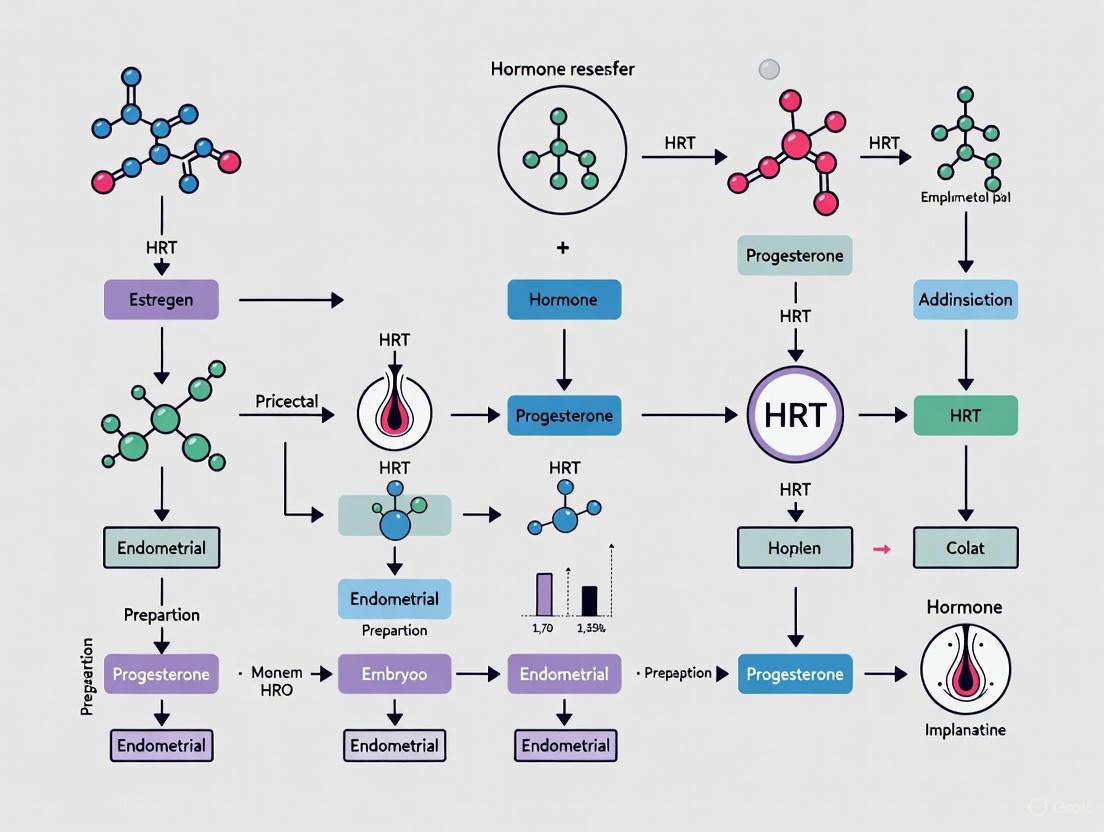
This article provides a comprehensive analysis of Hormone Replacement Therapy (HRT) protocols for Frozen Embryo Transfer (FET), tailored for researchers and drug development professionals.
HRT Protocols in Frozen Embryo Transfer: A 2025 Review of Efficacy, Safety, and Future Directions for Clinical Research
Abstract
This article provides a comprehensive analysis of Hormone Replacement Therapy (HRT) protocols for Frozen Embryo Transfer (FET), tailored for researchers and drug development professionals. It examines the foundational physiology of artificial endometrial preparation, details current standardized and emerging methodological approaches, and addresses key challenges such as luteal phase deficiency and suboptimal endometrium. The review critically validates HRT protocols against natural cycles, presenting 2025 data on comparative live birth rates and obstetric safety profiles. It synthesizes evidence to inform clinical practice and highlights pivotal areas for future pharmaceutical and clinical research.
The Physiology of Artificial Endometrial Preparation: Rationale and Patient Selection for HRT-FET
In frozen embryo transfer (FET), the hormone replacement therapy (HRT) protocol, or artificial cycle, is designed to replicate the endogenous hormonal environment of a natural menstrual cycle through the sequential administration of exogenous hormones. The primary objective is to create a synchronized, receptive endometrium capable of supporting embryo implantation and subsequent pregnancy [1]. This approach is indispensable for patients lacking ovarian function, such as those with premature ovarian insufficiency or in oocyte donation cycles, and offers scheduling flexibility for all patients [2] [3]. However, a critical distinction from the natural cycle is the absence of a corpus luteum, which is associated with the production of not only progesterone but also other factors vital for vascular health. This absence is hypothesized to underlie the increased risk of hypertensive disorders of pregnancy and other obstetric complications observed in some studies of HRT-FET cycles [4] [3] [5].
Quantitative Outcomes of HRT vs. Natural Cycles
The clinical success of HRT protocols is measured against natural cycles, with live birth rate being the primary outcome. Recent large-scale randomized controlled trials provide high-quality evidence for comparison.
Table 1: Comparison of Key Outcomes from Recent RCTs on Endometrial Preparation
| Study / Trial Name | Live Birth Rate (HRT) | Live Birth Rate (Natural Cycle) | Key Maternal Risk (HRT vs. NC) | Certainty of Evidence |
|---|---|---|---|---|
| COMPETE Trial (2025) [4] [6] | 43.0% | 54.0% | Higher miscarriage (RR 1.64) & antepartum hemorrhage (RR 1.59) | High (Single-center RCT) |
| Multicenter RCT (2025) [5] | 50.1% | 51.2% | Higher pregnancy loss (17.0% vs 14.0%) & hypertensive disorders (8.8% vs 6.1%) | High (Multicenter RCT, n=4,376) |
| Network Meta-Analysis (2025) [7] | N/A | N/A | N/A | Low to Very Low for LPS comparisons |
Beyond live birth, the method of luteal phase support within HRT cycles significantly impacts outcomes. A network meta-analysis of 10 RCTs (n=4,216 patients) ranked various protocols for their efficacy.
Table 2: Efficacy Ranking of Luteal Phase Support Protocols in HRT-FET (Network Meta-Analysis) [7]
| Ranked Outcome | Top-Ranked LPS Protocol | Surface Under the Cumulative Ranking (SUCRA) | Key Comparative Finding |
|---|---|---|---|
| Ongoing Pregnancy/Live Birth | Oral Dydrogesterone + GnRHa | 97.3% | Significantly more efficacious than all other protocols (low certainty) |
| Live Birth Only | Vaginal Progesterone Suppository | 89.7% | Significantly better than IM Progesterone (OR 0.53) and IM + Vaginal P (OR 0.47) |
| Pregnancy Loss Rate | IM Progesterone + Vaginal Progesterone | 51.4% | Significantly more efficacious than either treatment alone (low certainty) |
Detailed Experimental Protocols for HRT-FET
Core HRT-FET Protocol for Research
This protocol outlines the standard methodology for endometrial preparation using exogenous hormones, as derived from current clinical research [7] [8] [1].
Objective: To prepare a receptive endometrium in anovulatory women or for scheduling convenience via sequential administration of exogenous estradiol and progesterone.
Materials: See Section 5, "The Scientist's Toolkit."
Methodology:
- Cycle Initiation & Down-Regulation (Optional):
- Administer a Gonadotropin-releasing hormone agonist in the mid-luteal phase of the preceding cycle (e.g., Leuprolide acetate 0.5-1.0 mg SC daily) for approximately 10-14 days. Confirm down-regulation via transvaginal ultrasound (endometrial thickness <5mm, no ovarian cysts) and serum estradiol level (<50 pg/mL) [1].
Estradiol Priming (Proliferative Phase):
- Start: On day 2-3 of menstruation (or after confirmation of down-regulation).
- Administration: Commence exogenous estradiol. Common regimens include:
- Duration: Continue for a minimum of 10-14 days. The duration can be extended flexibly if the endometrium is not adequately prepared.
Endometrial Assessment:
- Perform a transvaginal ultrasound on approximately day 12-14 of estradiol priming.
- Endpoint: Endometrial thickness ≥7 mm with a trilaminar appearance is generally considered adequate for proceeding [8].
Luteal Phase Conversion & Progesterone Administration:
- Start: Once endometrial criteria are met, initiate progesterone supplementation. This day is designated as "P+1".
- Administration & Dosing: Choose one of the following evidence-based protocols [7] [1] [3]:
- Vaginal Micronized Progesterone: 400-600 mg daily, administered in divided doses (e.g., 200 mg TID).
- Intramuscular Progesterone: 50-100 mg daily.
- Combined Regimen: Vaginal progesterone (e.g., 400 mg BID) supplemented with IM progesterone (50 mg every third day).
- Luteal Phase Support: Continue estradiol at the same or a reduced dose.
Embryo Transfer:
Post-Transfer Luteal Support and Monitoring:
- Continue combined estradiol and progesterone support.
- Pregnancy Test: Measure serum β-hCG 10-12 days after embryo transfer.
- If Pregnant: Continue hormonal support until the placental takeover, typically until 10-12 weeks of gestation [8].
Experimental Protocol: Serum Progesterone Monitoring and Rescue
This protocol tests an intervention for a common challenge in HRT-FET: low serum progesterone levels on the day of transfer.
Objective: To determine if individualized luteal phase support based on serum progesterone (P4) levels improves pregnancy outcomes in artificial FET cycles.
Experimental Design: Randomized Controlled Trial [5].
Methodology:
- Participants: Women undergoing HRT-FET with a blastocyst.
- Baseline Protocol: All patients receive a standard luteal support regimen with micronized vaginal progesterone (e.g., 800 mg daily).
- Intervention:
- Day of Transfer Measurement: Measure serum P4 levels on the morning of embryo transfer.
- Randomization: For patients with P4 < 10 ng/mL, randomize into two arms:
- Control Arm: Continue standard vaginal progesterone only.
- Intervention Arm: Supplement standard vaginal progesterone with 50 mg intramuscular progesterone daily.
- Outcomes: Compare ongoing pregnancy rates, clinical pregnancy rates, and live birth rates between the two arms.
Signaling Pathways and Workflow Visualization
The following diagram illustrates the logical workflow and key hormonal interactions in an HRT-FET cycle, highlighting the points of exogenous hormone application and monitoring.
HRT-FET Experimental Workflow
The Scientist's Toolkit: Research Reagent Solutions
Table 3: Essential Materials and Reagents for HRT-FET Research
| Reagent / Material | Function / Role | Example Formulations & Routes | Research Considerations |
|---|---|---|---|
| Estradiol Valerate | Induces proliferative phase; prepares endometrium by building thickness and inducing progesterone receptors. | Oral tablets (e.g., 2mg); Transdermal patches (e.g., 0.1mg/24hr) [1] | Route affects metabolism (first-pass liver effect with oral); transdermal provides more stable serum levels. |
| Micronized Progesterone | Triggers secretory transformation of the endometrium; establishes and maintains luteal phase. | Vaginal suppositories/tablets (200-400mg); Vaginal gel (90mg); Intramuscular injection (50-100mg) [7] [1] | Vaginal route ensures high uterine bioavailability; IM route achieves higher systemic levels. |
| Dydrogesterone | Synthetic progestogen; used for luteal phase support. | Oral tablets (10mg) [7] | Offers high oral bioavailability and favorable side-effect profile; often used in combination. |
| GnRH Agonist (e.g., Leuprolide) | Suppresses endogenous ovarian activity; prevents spontaneous ovulation in flexible protocols. | Subcutaneous injection [1] | Critical for standardized cycle start; requires careful timing of administration. |
| Human Chorionic Gonadotropin (hCG) | Used in some luteal support protocols to stimulate endogenous corpus luteum function (not in true HRT). | Subcutaneous or Intramuscular injection [7] | Not a standard component of anovulatory HRT cycles; may be used in research combinations. |
| Serum Hormone Assays | Quantifies estradiol and progesterone levels for monitoring protocol adherence and endometrial readiness. | Immunoassay kits (ELISA, CLIA) | Essential for validating down-regulation, assessing P4 levels for "rescue" studies [5]. |
Application Notes: Clinical Context and Evidence Base
Hormone Replacement Therapy-Frozen Embryo Transfer (HRT-FET) represents a cornerstone protocol in assisted reproduction, offering predictable endometrial preparation independent of ovarian function. Its core utility lies in three principal domains: management of ovulatory dysfunction, provision of scheduling flexibility, and serving as a controlled platform for research. Current evidence refined through recent randomized trials and meta-analyses has more precisely delineated its optimal applications and limitations relative to alternative protocols.
Primary Indication: Ovulatory Dysfunction and PCOS
For patients with irregular ovulation, including those with Polycystic Ovary Syndrome (PCOS), HRT-FET provides a reliable method for endometrial preparation by circumventing inherent ovulatory disturbances.
- Evidence in PCOS: A 2025 multi-center RCT directly compared the letrozole ovulation regimen (a modified natural cycle) with the programmed (HRT) regimen in PCOS patients [9]. The study found no significant difference in clinical pregnancy rates (62.96% vs. 60.81%, P > 0.05) or live birth rates between the two protocols [9]. This demonstrates that HRT-FET achieves reproductive outcomes comparable to ovulation induction regimens in this population.
- The Letrozole Alternative: The same trial highlighted a key practical advantage of ovulation induction regimens: a significantly higher proportion of patients in the letrozole group required only single-drug luteal support (53.16% vs. 16.67%, P < 0.05) [9]. This suggests that while HRT is effective, protocols that preserve corpus luteum function may simplify treatment.
Primary Indication Scheduling and Logistics
The programmed nature of HRT-FET offers unparalleled flexibility for both clinics and patients, which is a significant operational advantage.
- Coordinated Workflows: Exogenous estrogen and progesterone administration allows the clinic to precisely control the timing of endometrial development, decoupling it from the patient's spontaneous hormonal fluctuations. This facilitates planned embryo transfer dates, optimizing laboratory and clinical staffing [9] [10].
- Reduced Monitoring Burden: Compared to natural or modified natural cycles, which require intensive ultrasound and hormonal monitoring to track follicular growth and pinpoint ovulation, HRT cycles typically require fewer monitoring visits [11]. A 2024 RCT confirmed that HRC protocols necessitated significantly fewer monitoring visits compared to modified natural cycles (p = 0.001) [11].
Comparative Maternal and Neonatal Outcomes
Recent high-quality evidence has clarified the risk profile of HRT-FET compared to natural cycle protocols, informing safer clinical application.
Table 1: Comparative Obstetric and Neonatal Outcomes of FET Protocols
| Outcome Measure | Natural Cycle FET | HRT-FET | Evidence Source |
|---|---|---|---|
| Live Birth Rate (in ovulatory women) | 51.2% | 50.1% | Large RCT (n=4,376) [5] |
| Hypertensive Disorders of Pregnancy | 6.1% | 8.8% (Significantly higher) | Large RCT (n=4,376) [5] |
| Clinical Pregnancy Loss | 14.0% | 17.0% (Significantly higher) | Large RCT (n=4,376) [5] |
| Postpartum Haemorrhage | 2.0% | 6.1% (Significantly higher) | Large RCT (n=4,376) [5] |
| Gestational Diabetes Mellitus (GDM) | Potentially higher risk | Potentially lower risk | Conflicting evidence [12] |
The increased risk of certain obstetric complications in HRT-FET is widely attributed to the absence of a corpus luteum [5] [2]. The corpus luteum produces not only progesterone but also vasoactive substances like relaxin, which are crucial for healthy maternal cardiovascular adaptation to pregnancy [13].
Experimental Protocols
Standard HRT-FET Protocol for Anovulatory Women/PCOS
This protocol is a synthesis of methodologies from recent clinical trials and reviews, optimized for patients with irregular ovulation [9] [10] [11].
A. Pretreatment Assessment (Cycle Day 2-3)
- Confirmatory Ultrasound: Perform transvaginal sonography to ensure absence of a dominant follicle (>10 mm), ovarian cysts, and measure baseline endometrial thickness.
- Serum Hormone Assessment: Measure estradiol (E2), progesterone (P4), and LH to confirm hormonal quiescence (P4 < 1.5 ng/mL).
B. Endometrial Proliferation Phase
- Estrogen Administration: Initiate exogenous estrogen on cycle day 2-3.
- Monitoring: Conduct monitoring after 10-14 days of estrogen.
C. Endometrial Secretory Transformation and Luteal Phase Support
- Progesterone Initiation: Once adequate EMT is achieved, begin progesterone to induce secretory transformation. The first day of progesterone is designated as Day 0 (P+0).
- Progesterone Formulations and Dosing:
- Vaginal Progesterone: Micronized vaginal progesterone (MVP) 400-600 mg daily in divided doses, or progesterone gel 90 mg daily [9] [7].
- Intramuscular Progesterone: Progesterone in oil, 50-100 mg daily [11].
- Oral Dydrogesterone: 20-30 mg daily, often used in combination with vaginal progesterone [9] [7].
- Embryo Transfer Timing:
D. Luteal Phase and Early Pregnancy Support
- Continued Hormonal Support: Maintain estrogen and progesterone therapy after transfer.
- Pregnancy Confirmation: Serum β-hCG test is performed 10-14 days after embryo transfer.
- Support Continuation: If pregnancy is confirmed, hormonal support is typically continued until 7-12 weeks of gestation, with gradual tapering [9] [10].
The following workflow diagram summarizes the key decision points in the standard HRT-FET protocol:
Protocol for Luteal Phase Support Optimization in HRT-FET
The optimal LPS regimen in HRT-FET is an area of active investigation. A 2025 network meta-analysis compared nine different LPS approaches [7].
Table 2: Luteal Phase Support Regimens Ranked by Efficacy (Network Meta-Analysis)
| LPS Regimen | Ranking for Ongoing Pregnancy/Live Birth | SUCRA Value | Certainty of Evidence |
|---|---|---|---|
| Oral Dydrogesterone + GnRHa | 1st | 97.3% | Very Low to Low |
| Vaginal Progesterone Suppository | 2nd | 89.7% | Low |
| IM Progesterone + Vaginal Progesterone | Most effective for reducing pregnancy loss | 51.4% | Low |
| Vaginal Progesterone + hCG | Highest-ranked for clinical pregnancy rate | 33.7% | Very Low to Low |
Key Experimental Considerations for LPS:
- Progesterone Monitoring: The clinical value of monitoring serum progesterone levels on the day of transfer is debated. One RCT found that adding intramuscular progesterone (50 mg) for patients with P4 <10 ng/mL improved clinical pregnancy rates (39.3% vs. 32.0%) [5]. However, another study found that simply increasing the dose of vaginal progesterone did not rescue outcomes for patients with low P4 [5].
- Agent Selection: While vaginal progesterone is common, oral dydrogesterone is increasingly used due to patient preference and comparable efficacy [7]. The addition of a single dose of GnRHa at the time of embryo transfer is an emerging strategy to enhance pregnancy rates, though evidence certainty remains low [7].
Emerging Protocol: Natural Proliferative Phase FET (NPP-FET)
An innovative protocol designed to retain the corpus luteum while offering scheduling flexibility is NPP-FET [13]. This approach initiates progesterone supplementation during the follicular phase before ovulation, based on follicular size and hormonal criteria.
Experimental Workflow for NPP-FET:
- Initiation Criteria: Dydrogesterone (40 mg/day) is started once the following are met:
- Leading follicle ≥ 14 mm
- Endometrial thickness ≥ 7 mm
- Serum estradiol > 150 pg/mL
- Serum progesterone < 1.5 ng/mL [13]
- Ovulation Tracking: Monitoring continues to confirm spontaneous ovulation via ultrasound and a rise in serum P4 > 3.0 ng/mL.
- Transfer Timing: A single euploid blastocyst is transferred on the 6th day of dydrogesterone exposure [13]. This protocol successfully preserved spontaneous ovulation in 100% of cycles in a 2025 study, with ongoing pregnancy rates of 58.7% [13].
The Scientist's Toolkit: Research Reagent Solutions
Table 3: Essential Reagents and Materials for HRT-FET Research
| Reagent/Material | Specific Examples | Research Function & Rationale |
|---|---|---|
| Exogenous Estrogens | Estradiol Valerate (Progynova), Transdermal Patches | To artificially induce endometrial proliferation in the absence of a dominant follicle; allows for cycle control. |
| Progesterone Formulations | Micronized Vaginal P (Utrogestan, Crinone), IM P-in-oil, Oral Dydrogesterone (Duphaston) | To trigger secretory transformation of the primed endometrium and maintain the luteal phase; different routes allow for bioavailability and side-effect studies. |
| Luteal Phase Adjuncts | GnRH Agonist (e.g., Leuprolide), hCG | To investigate enhancement of endometrial receptivity and corpus luteum rescue effects; mechanistic studies. |
| Serum Hormone Assays | Electrochemiluminescence (ECLIA) kits for E2, P4, LH | To monitor cycle compliance, determine timing for progesterone initiation, and assess luteal phase adequacy. |
| Ultrasound System | High-resolution Transvaginal Probe | To track follicular growth (in modified protocols), measure endometrial thickness and pattern, and confirm ovulation. |
HRT-FET remains a vital protocol for patients with irregular ovulation and PCOS, and as a tool for standardizing research conditions. However, contemporary evidence firmly supports a nuanced application: for ovulatory women, natural cycle protocols should be prioritized to mitigate obstetric risks, while HRT is indispensable for anovulatory patients and logistical necessity. Future research must focus on optimizing luteal phase support, particularly through personalized progesterone dosing and the exploration of corpus luteum-preserving hybrid protocols like NPP-FET, to bridge the efficacy-safety gap between fully artificial and natural cycles.
The corpus luteum (CL) is a transient endocrine organ formed from the ovulated follicle that plays an indispensable role in establishing and maintaining early pregnancy. Its primary function is the production of progesterone, which transforms the endometrium into a receptive state capable of supporting embryo implantation and maintenance [14] [15]. The "Corpus Luteum Debate" centers on the physiological consequences of its absence in artificial cycle frozen embryo transfers (AC-FET), which has emerged as a critical consideration in assisted reproductive technology safety profiles.
Current research demonstrates that pregnancies established in the absence of a corpus luteum—as occurs in AC-FET—are associated with significantly higher risks of adverse obstetric and neonatal outcomes compared to natural cycle frozen embryo transfers (NC-FET) or natural conceptions [16] [17]. This application note examines the physiological mechanisms underlying this phenomenon and provides detailed experimental protocols for investigating CL function and its relationship to pregnancy outcomes.
Physiological Foundation: Multifunctional Role of the Corpus Luteum
The corpus luteum functions as a complex endocrine organ with capabilities beyond simple progesterone production. During the luteal phase, the CL achieves the highest per-unit tissue blood flow of any organ in the human body, facilitating its robust endocrine functions [15]. The physiological roles of the CL extend beyond progesterone secretion to include:
- Progesterone Production: The CL secretes progesterone to maintain endometrial receptivity and support early pregnancy until the luteoplacental shift occurs at approximately 8-9 weeks of gestation [15] [18].
- Multiple Hormone Secretion: In addition to progesterone, the CL produces estradiol, inhibin A, relaxin, and other potential factors that contribute to endometrial maturation and maternal adaptation to pregnancy [15].
- Vascular Signaling: The highly vascularized CL likely secretes angiogenic and other signaling molecules that systemically influence maternal cardiovascular adaptation to pregnancy [17] [15].
The following diagram illustrates the key physiological functions of the corpus luteum and the consequences of its absence in artificial cycles:
Clinical Evidence: Quantitative Comparison of FET Outcomes
A substantial body of evidence has emerged demonstrating significant differences in obstetric and neonatal outcomes between natural and artificial cycle FET. The most comprehensive meta-analysis to date, encompassing 30 studies and 113,676 cycles (NC-FET n=56,445; AC-FET n=57,231), reveals consistent patterns of increased risk in AC-FET cycles [16].
Table 1: Obstetric and Neonatal Outcomes in NC-FET vs. AC-FET
| Outcome Measure | Pooled Odds Ratio | 95% Confidence Interval | Risk Difference per 1000 Women | Heterogeneity (I²) |
|---|---|---|---|---|
| Pre-eclampsia | 0.50 | 0.42–0.60 | 22 fewer cases | 44% |
| Hypertensive Disorders of Pregnancy | 0.60 | 0.50–0.65 | 19 fewer cases | 61% |
| Preterm Birth | 0.80 | 0.75–0.85 | 15 fewer cases | 20% |
| Very Preterm Birth | 0.66 | 0.53–0.84 | 8 fewer cases | 0% |
| Postpartum Hemorrhage | 0.43 | 0.38–0.48 | 21 fewer cases | 53% |
| Large for Gestational Age | 0.88 | 0.83–0.94 | 9 fewer cases | 54% |
| Macrosomia | 0.81 | 0.71–0.93 | 8 fewer cases | 68% |
| Low Birthweight | 0.81 | 0.77–0.85 | 12 fewer cases | 41% |
| Placenta Previa | 0.84 | 0.73–0.97 | 5 fewer cases | 0% |
| Early Pregnancy Loss | 0.73 | 0.61–0.86 | 11 fewer cases | 70% |
Data derived from Zaat et al. systematic review and meta-analysis [16]
The Rotterdam Periconception Cohort study provided further mechanistic insight by directly correlating corpus luteum number with pregnancy outcomes. This prospective cohort study of 1,861 singleton pregnancies demonstrated that CL absence (0 CL) was associated with significantly higher risks of gestational diabetes (aOR: 2.59, 95% CI: 1.31–5.15) and a non-significantly higher risk of preeclampsia (aOR: 2.02, 95% CI: 0.91–4.51) compared to natural conceptions with one CL [17]. Notably, the study also identified sex-specific effects on fetal growth, with CL absence associated with higher birthweight percentiles in female neonates but not males [17].
Experimental Protocols for Investigating CL Function
Protocol: Prospective Cohort Study on CL Number and Pregnancy Outcomes
Objective: To investigate associations between ART-induced alterations in corpus luteum number during implantation and maternal pregnancy and birth outcomes.
Study Population:
- Inclusion: Women with singleton pregnancy with documented CL number
- Group stratification:
- 0 CL (artificial-cycle FET, n=72)
- >1 CL (ovarian-stimulated fresh ET, n=462)
- 1 CL (natural-cycle FET and natural conceptions, n=1327)
- Sample size: 1,861 pregnancies (as per Rotterdam Periconception Cohort) [17]
Methodology:
- CL Assessment: Transvaginal ultrasound examination between 6-8 weeks gestation to document CL number and characteristics.
- Data Collection:
- Baseline characteristics: maternal age, BMI, nulliparity, obstetric history
- Outcome measures: hypertensive disorders of pregnancy, gestational diabetes, gestational age at birth, birthweight
- Covariate adjustment: multivariate regression analysis adjusting for potential confounders
- Statistical Analysis:
- Calculation of adjusted odds ratios (aOR) with 95% confidence intervals
- Subgroup analysis by fetal sex
- Use of propensity score matching to address potential confounding
Outcome Measures:
- Primary: Hypertensive disorders of pregnancy, gestational diabetes
- Secondary: Gestational age at birth, birthweight percentiles
This protocol is adapted from the Rotterdam Periconception Cohort study methodology [17].
Protocol: Systematic Review and Meta-Analysis of FET Outcomes
Objective: To determine whether NC-FET, with or without luteal phase support (LPS), decreases the risk of adverse obstetric and neonatal outcomes compared with AC-FET.
Search Strategy:
- Databases: CINAHL, EMBASE, MEDLINE from inception to current
- Search terms: "frozen embryo transfer," "natural cycle," "artificial cycle," "hormone replacement therapy," "obstetric outcomes," "neonatal outcomes"
- Inclusion: Observational studies, cohort studies, registries comparing obstetric and neonatal outcomes between singleton pregnancies after NC-FET and AC-FET
- Exclusion: Case reports, reviews, non-English studies without translation
Data Extraction:
- Study characteristics: design, population, sample size
- Intervention details: NC-FET type (true natural, modified natural), LPS usage, AC-FET protocol
- Outcomes: Pre-eclampsia, preterm birth, birthweight, postpartum hemorrhage, etc.
- Quality assessment: ROBINS-I tool for risk of bias
Statistical Analysis:
- Calculation of pooled odds ratios (ORs) and risk differences (RDs) using random effects models
- Assessment of heterogeneity using I² statistic
- Subgroup analyses based on LPS usage in NC-FET
- Quality assessment: GRADE approach for evidence quality
This protocol follows the methodology employed by Zaat et al. in their comprehensive meta-analysis [16].
The following workflow diagram illustrates the experimental approach for investigating corpus luteum function in ART cycles:
Pathophysiological Mechanisms: Understanding the CL Gap
The prevailing hypothesis explaining the poorer obstetric outcomes in AC-FET centers on the multifunctional role of the corpus luteum beyond progesterone production. While exogenous hormone administration in AC-FET can adequately prepare the endometrium for implantation, it fails to replicate the complete endocrine environment created by a functional corpus luteum.
Key pathophysiological mechanisms include:
- Vascular and Renal Adaptation: The corpus luteum contributes to maternal systemic vascular adaptation in early pregnancy through secretion of vasoactive substances, including relaxin, which mediates systemic vasodilation and renal hemodynamic changes [17] [15]. This adaptation is absent in AC-FET cycles, potentially contributing to the observed increased risk of hypertensive disorders.
- Complex Hormonal Milieu: The CL secretes a portfolio of hormones beyond progesterone, including estradiol, inhibin A, and other potentially unidentified factors that may contribute to optimal placentation and maternal cardiovascular adaptation to pregnancy [15] [18].
- Dose-Response Limitations: Exogenous hormone administration may not replicate the dynamic, pulsatile secretion patterns of the natural corpus luteum, potentially resulting in suboptimal endometrial transformation or impaired maternal systemic adaptation to pregnancy [18].
The following table summarizes key research reagents and their applications in studying corpus luteum function and endometrial receptivity:
Table 2: Research Reagent Solutions for Corpus Luteum and Endometrial Receptivity Studies
| Reagent/Category | Specific Examples | Research Application | Functional Role |
|---|---|---|---|
| Progesterone Formulations | Micronized vaginal progesterone (MVP), Dydrogesterone (DYD), Intramuscular progesterone | Luteal phase support comparative studies | Endometrial transformation and maintenance of early pregnancy |
| Estrogen Administration | Oral estradiol valerate, Transdermal patches, Vaginal tablets | Endometrial preparation protocols | Endometrial proliferation and progesterone receptor induction |
| Ovulation Triggers | Recombinant hCG, Urinary hCG, GnRH agonists | Modified natural cycle protocols | Ovulation induction and corpus luteum formation |
| Hormone Assays | Automated immunoassays, LC-MS/MS | Serum progesterone monitoring, Endocrine profiling | Quantification of steroid hormone levels and CL function |
| Ultrasound Biomarkers | Doppler flow measurement, 3D power Doppler | Corpus luteum vascularization assessment | Evaluation of CL hemodynamics and functional capacity |
| Molecular Biology Reagents | RNA extraction kits, qPCR assays, RNA-seq platforms | Endometrial receptivity analysis | Gene expression profiling of receptive endometrium |
Clinical Applications and Future Research Directions
The accumulating evidence regarding the safety advantages of NC-FET has significant implications for clinical practice. Current guidelines increasingly recommend prioritizing natural cycles in ovulatory women undergoing frozen embryo transfer [16] [2]. However, AC-FET remains necessary for women with ovarian insufficiency or irregular cycles, highlighting the need for protocol optimization.
Key considerations for clinical implementation and future research include:
- Luteal Phase Support Optimization: The role of LPS in NC-FET requires further clarification. Current evidence suggests that LPS may reduce preterm birth risk in NC-FET compared to AC-FET (OR 0.75, 95% CI 0.70–0.81), though evidence quality remains very low [16].
- Individualized Protocol Selection: Patient factors such as age, ovarian reserve, cycle regularity, and previous FET outcomes should guide protocol selection, with NC-FET preferred when feasible [2].
- Pharmacological Bridging Strategies: Research should focus on developing compounds that can mimic the complete secretory portfolio of the corpus luteum, potentially including recombinant relaxin or other vasoactive factors.
- Long-term Offspring Health: Studies investigating the long-term cardiovascular and metabolic health of children conceived in CL-absent versus CL-present cycles are urgently needed [17].
The corpus luteum debate represents a critical frontier in reproductive medicine, highlighting the limitations of current artificial endometrial preparation protocols. The robust association between CL absence and adverse obstetric outcomes underscores the irreplaceable role of this transient endocrine organ in establishing optimal maternal physiological adaptation to pregnancy. While NC-FET should be prioritized in ovulatory women, future research must focus on understanding the precise mechanisms by which the CL mediates its protective effects and developing strategies to bridge this physiological gap in cycles where artificial endometrial preparation is unavoidable. The provided experimental protocols offer standardized methodologies for advancing this crucial area of investigation, with significant implications for improving the safety of assisted reproductive technologies.
Endometrial receptivity represents a critical period during which the uterine endometrium becomes receptive to embryo implantation, governed primarily by the synchronized actions of estrogen and progesterone. This application note examines the molecular mechanisms through which these steroid hormones regulate the window of implantation (WOI), with particular emphasis on frozen embryo transfer (FET) cycles utilizing hormone replacement therapy (HRT). We detail experimental protocols for assessing receptor dynamics and signaling pathways, provide quantitative analyses of hormonal receptor changes, and visualize key molecular interactions. Our synthesis of current research demonstrates that successful implantation requires precise temporal coordination of estrogen receptor (ER) and progesterone receptor (PR) expression, with dysregulation in these pathways contributing to implantation failure. These insights enable researchers to develop more targeted approaches for optimizing endometrial preparation in assisted reproductive technologies.
Endometrial receptivity describes the intricate process by which the uterine lining prepares for embryo implantation, occurring during a limited timeframe known as the window of implantation (WOI) [19]. This period, generally occurring between days 20-24 of a typical 28-day menstrual cycle, requires perfect synchronization between a developing blastocyst and a functionally mature endometrium [19]. The molecular basis of this receptivity is orchestrated primarily by the steroid hormones estrogen and progesterone, which initiate cascades of cellular and molecular changes through their respective receptors [20].
In the context of assisted reproductive technologies, particularly frozen embryo transfer cycles, understanding these molecular mechanisms becomes paramount for optimizing endometrial preparation protocols. Hormone replacement therapy (HRT) protocols utilize exogenous estrogen and progesterone to artificially create this receptive state in women undergoing FET, making comprehension of receptor dynamics essential [21]. Recent evidence suggests that molecular synchrony between endometrial cells, adequate embryo-endometrial communication, standardized progesterone signaling and responses, and typical morphological characteristics of endometrial glands collectively constitute the fundamental mechanisms regulating optimal WOI [22].
This application note explores the molecular basis of endometrial receptivity by examining: (1) receptor dynamics and signaling pathways activated by estrogen and progesterone; (2) experimental approaches for investigating these mechanisms; and (3) clinical applications for HRT protocol optimization in FET cycles.
Molecular Regulation of the Window of Implantation
Estrogen Receptor Dynamics and Signaling
Estrogen initiates endometrial proliferation during the preovulatory phase through interaction with its nuclear receptors, primarily estrogen receptor alpha (ERα) [20]. During the proliferative phase, ERα is upregulated in response to rising estrogen levels, promoting epithelial cell proliferation and preparing the endometrial tissue for potential implantation [19]. However, a critical transition occurs as the cycle progresses into the secretory phase, where progesterone-driven downregulation of ERα becomes essential for achieving endometrial receptivity [20] [19].
Research examining endometrial biopsies from women undergoing oocyte donation has demonstrated statistically significant reductions in ERα expression between the day of oocyte retrieval (day 0) and five days later (day 5), corresponding to the window of implantation. Wilcoxon signed-rank test analysis revealed P=0.0001 for both nodal percentage and stromal percentage expression changes [20]. This downregulation appears to be age-associated, with patients under 30 years showing 100% nodal staining on day 0 compared to 90% in those over 30 [20].
The functional significance of ERα downregulation is illustrated in pathological conditions; elevated ERα levels during implantation are associated with decreased β3 integrin expression in patients with polycystic ovarian syndrome and endometriosis [20]. This suggests that the disappearance of ERα at the time of implantation is necessary for the proper expression pattern of implantation-related proteins.
Progesterone Receptor Isoforms and Genomic Actions
Progesterone exerts its effects primarily through two nuclear receptor isoforms, PR-A and PR-B, which are expressed in both the epithelium and stroma of the human endometrium [20]. Progesterone activation of these canonical receptors regulates transcriptional responses of implantation-related genes in a genomic fashion [20]. For example, progesterone drives increased gene expression of integrin αvβ3 in epithelial cells, a critical adhesion molecule for embryo attachment [20].
Recent investigations have revealed that phosphorylated SMAD1/SMAD5 (pSMAD1/5), a downstream effector in BMP signaling, is dynamically expressed in the endometrium throughout early pregnancy and is strongly influenced by progesterone signaling [23]. Conditional deletion of SMAD1 and SMAD5 in mouse models results in female infertility due to implantation defects, including impaired apicobasal transformation that prevents embryo implantation [23]. This demonstrates the intersection between progesterone signaling and other critical pathways in establishing receptivity.
Analysis of PR-B expression during the window of implantation shows significant variation between day 0 and day 5 in both nodal and stromal compartments (Wilcoxon signed-rank test P=0.0001 and P=0.035, respectively) [20]. This temporal regulation of PR expression is essential for the proper progression of molecular events leading to a receptive state.
Integrated Hormonal Signaling and Cross-Talk
The successful establishment of endometrial receptivity requires sophisticated cross-talk between estrogen and progesterone signaling pathways. Progesterone not only regulates the expression of its own receptors but also modulates estrogen receptor expression and activity [19]. This coordinated regulation ensures the proper sequence of cellular changes necessary for implantation.
Beyond the direct genomic actions, both estrogen and progesterone signaling involve paracrine and autocrine factors mediated by growth factors and cytokines [20]. For instance, leukemia inhibitory factor (LIF), a pleiotropic cytokine critical for implantation, is regulated by both hormones and promotes decidualization, pinopod expression, and trophoblast differentiation [19].
Emerging evidence also highlights the role of bone morphogenetic proteins (BMPs) in endometrial receptivity. BMPs signal through a conserved endometrial ACVR2A/SMAD1/5 pathway that interacts with progesterone signaling to promote receptivity during embryo implantation [23]. Female mice with conditional deletion of ACVR2A display impaired implantation, demonstrating the essential nature of this pathway [23].
Table 1: Quantitative Changes in Hormone Receptor Expression During Window of Implantation
| Receptor Type | Compartment | Day 0 Expression | Day 5 Expression | Statistical Significance |
|---|---|---|---|---|
| ERα | Nodal | 100% (<30y), 90% (>30y) | Significantly reduced | P=0.0001 |
| ERα | Stromal | High | Significantly reduced | P=0.0001 |
| PR-B | Nodal | High | Significantly reduced | P=0.0001 |
| PR-B | Stromal | High | Moderately reduced | P=0.035 |
Experimental Protocols for Assessing Endometrial Receptivity
Endometrial Tissue Collection and Processing
Protocol: Endometrial Biopsy Processing for Receptor Analysis
- Patient Preparation: Recruit women undergoing ovarian stimulation for oocyte donation or FET cycles. Obtain informed consent following institutional guidelines [20].
- Biopsy Timing: Perform endometrial aspiration biopsy using a Z-Sampler or equivalent device on the day of oocyte retrieval (day 0) and five days later (day 5) to capture the transition into the WOI [20].
- Tissue Fixation: Immediately fix tissue samples in neutral buffered formalin 10% for 24 hours at room temperature.
- Embedding and Sectioning: Process fixed tissues through graded ethanol series, clear in xylene, and embed in paraffin blocks. Section at 3μm thickness using a microtome and mount on charged slides [20].
- Staining Preparation: Deparaffinize sections in xylene and rehydrate through graded ethanol to water prior to histological or immunohistochemical staining.
Application Notes: For molecular analyses requiring RNA or protein extraction, parallel biopsies should be flash-frozen in liquid nitrogen and stored at -80°C. Consistent timing relative to ovulation or progesterone administration is critical for comparative analyses.
Immunohistochemical Analysis of Hormone Receptors
Protocol: ERα and PR-B Immunohistochemistry
- Antibody Selection: Use validated monoclonal antibodies against ERα (Clone 4f11) and PR-B (clone 16+SAN27; Leica) [20].
- Automated Staining: Perform immunohistochemistry on Ventana Benchmark XT automatic immunostainer or equivalent system using OptiView DAB IHC detection kit [20].
- Controls: Include positive and negative controls (immunoglobulin G control) tested simultaneously with experimental slides.
- Quantification: Capture slide images using a ×10-magnification lens on a Leica DMi1 Inverted Microscope or equivalent. Calculate the percentage of epithelial cell nuclei positive for ERα and PR-B receptors using image analysis software [20].
- Statistical Analysis: Analyze data using non-parametric tests (Wilcoxon signed-rank, Mann-Whitney U) as receptor expression data typically follows non-normal distribution (Shapiro-Wilk normality test P<0.005) [20].
Application Notes: Blinded evaluation by a specialized pathologist using established criteria (e.g., Noyes criteria) ensures consistent histological dating [20]. Stratification by patient age is recommended due to age-associated expression differences.
Molecular Assessment of Signaling Pathways
Protocol: BMP/SMAD Signaling Analysis
- Tissue Collection: Obtain endometrial biopsies during proliferative and mid-secretory phases for human studies, or at specific timepoints during early pregnancy in animal models [23].
- Phosphoprotein Detection: Use immunohistochemistry with validated antibodies against pSMAD1/5 to assess BMP pathway activation [23].
- Gene Expression Analysis: Extract total RNA and perform quantitative PCR for BMP pathway components (ACVR2A, SMAD1, SMAD5) and downstream targets.
- Functional Validation: Utilize conditional knockout models (e.g., PR-cre; Smad1/5 floxed mice) to establish necessity of pathway components [23].
- Pathway Mapping: Employ bioinformatic tools like GeneMANIA to generate protein-protein interaction networks and identify novel pathway components [20].
Application Notes: Coordinate tissue collection with precise hormonal timing. For human studies, consider uterine fluid aspiration as a less invasive alternative for biomarker analysis [22].
Multi-Omics Approaches for Comprehensive Profiling
Protocol: Integrated Transcriptomic and Proteomic Analysis
- Sample Preparation: Process endometrial biopsies for parallel transcriptomic, proteomic, and metabolomic analyses [24].
- Transcriptomics: Perform RNA sequencing (single-cell or bulk) to identify differentially expressed genes during WOI. Target known receptivity markers (LIF, HOXA10, ITGB3) and novel candidates [24].
- Proteomics: Utilize LC-MS/MS and iTRAQ labeling to identify and quantify proteins across receptivity phases. Focus on identified markers like HMGB1 and ACSL4 [24].
- Data Integration: Apply bioinformatic approaches to integrate multi-omics datasets and identify key regulatory networks.
- Validation: Confirm candidates using targeted approaches (qPCR, western blot, ELISA) in independent sample sets.
Application Notes: Computational models integrating multi-omics data have achieved high predictive accuracy (AUC >0.9) for receptivity status [24]. Consider machine learning approaches for pattern recognition in complex datasets.
Table 2: Research Reagent Solutions for Endometrial Receptivity Studies
| Reagent/Category | Specific Examples | Research Application |
|---|---|---|
| Primary Antibodies | ERα (Clone 4f11) | Immunohistochemical detection of estrogen receptor alpha expression patterns |
| PR-B (clone 16+SAN27) | Progesterone receptor B isoform localization and quantification | |
| pSMAD1/5 | Detection of activated BMP signaling pathway components | |
| Detection Kits | OptiView DAB IHC Detection Kit | Automated immunohistochemical staining with chromogenic development |
| Hormone Preparations | Recombinant FSH | Ovarian stimulation in research models |
| Micronized Progesterone | Luteal phase support in HRT protocols | |
| Estradiol Valerate | Endometrial proliferation in artificial cycles | |
| Molecular Analysis | GeneMANIA | Protein-protein interaction network analysis and gene prioritization |
| Endometrial Receptivity Array (ERA) | Transcriptomic assessment of receptivity status using 238-gene panel | |
| Animal Models | PR-cre; Smad1/5 floxed mice | Tissue-specific deletion of BMP signaling components to study implantation defects |
Signaling Pathway Visualization
Diagram 1: Hormonal Signaling Convergence in Endometrial Receptivity. Estrogen, progesterone, and BMP signaling pathways converge to regulate gene expression programs essential for establishing a receptive endometrium during the window of implantation.
Diagram 2: Experimental Workflow for Endometrial Receptivity Assessment. Integrated approach combining histological, immunohistochemical, and molecular analyses to comprehensively evaluate endometrial receptivity status.
Clinical Applications in Frozen Embryo Transfer
HRT Protocol Optimization
The molecular understanding of endometrial receptivity directly informs clinical approaches to endometrial preparation in frozen embryo transfer cycles. HRT protocols utilize exogenous estrogen and progesterone to create an artificial window of implantation, bypassing the natural ovarian cycle [21]. These protocols typically involve:
- Estrogen Priming: Oral estradiol valerate (4-8 mg/day) initiated on days 2-3 of the menstrual cycle, with dose escalation based on endometrial thickness measurements [21].
- Endometrial Monitoring: Transvaginal ultrasound assessment of endometrial thickness and pattern, with adequate preparation defined as endometrial thickness ≥7 mm with trilaminar appearance [21] [8].
- Progesterone Initiation: Commencement of progesterone supplementation once adequate endometrial thickness is achieved, with embryo transfer timed relative to progesterone exposure [21].
Recent comparative analyses indicate that while HRT and natural cycle protocols yield comparable live birth rates (50.1% vs. 51.2%, respectively), natural cycles demonstrate superior maternal safety profiles with significantly lower risks of hypertensive pregnancy disorders (6.1% vs. 8.8%) and postpartum hemorrhage (2.0% vs. 6.1%) [5]. This highlights the importance of considering both efficacy and safety when selecting preparation protocols.
Personalization Based on Molecular Markers
Emerging approaches focus on personalizing FET protocols based on molecular receptivity markers rather than relying solely on histological dating. The endometrial receptivity array (ERA), which analyzes the expression of 238 genes, represents one commercial application of this principle [24]. However, current research is expanding beyond transcriptomics to include proteomic and metabolomic biomarkers that may offer enhanced predictive value [24].
Personalization strategies should consider:
- BMI Stratification: Patients with BMI >30 show higher clinical pregnancy and live birth rates with natural cycle protocols compared to HRT (71.43% vs. 51.28% with double embryo transfer) [8].
- Age Considerations: While HRT may offer marginal advantages for patients under 35, natural cycles slightly outperform HRT in patients over 35 years [8].
- Progesterone Monitoring: Serum progesterone monitoring on embryo transfer day may identify patients requiring additional luteal support, though optimal thresholds remain controversial [5].
Luteal Phase Support Strategies
Adequate luteal phase support is critical in HRT cycles due to the absence of corpus luteum-derived hormones. Evidence supports:
- Progesterone Formulations: Combined regimens using micronized vaginal progesterone (400-800 mg daily) with intramuscular progesterone (50 mg) in patients with low serum P4 <10 ng/mL significantly improve clinical pregnancy rates (39.3% vs. 32.0%) [5].
- Rescue Protocols: For patients with suboptimal progesterone levels (<10 ng/mL) on transfer day, adding intramuscular progesterone to vaginal regimens shows benefit, while increasing vaginal progesterone alone may be insufficient [5].
- Novel Adjuvants: Intrauterine platelet-rich plasma infusion shows promise for patients with recurrent implantation failure, significantly improving biochemical pregnancy rates (RR: 1.56) and reducing miscarriage rates (RR: 0.51) [5].
The molecular basis of endometrial receptivity involves sophisticated coordination between estrogen and progesterone signaling pathways that synchronize the window of implantation. Through dynamic regulation of their receptors and interaction with complementary pathways like BMP signaling, these hormones orchestrate the cellular and molecular transformations necessary for successful embryo implantation. Experimental approaches combining immunohistochemistry, molecular analyses, and multi-omics technologies provide comprehensive insights into these processes, enabling development of optimized HRT protocols for frozen embryo transfer cycles. Future research directions should focus on validating non-invasive biomarkers, refining personalized protocol selection based on molecular profiles, and developing targeted interventions for receptivity deficiencies. These advances will ultimately improve reproductive outcomes for patients undergoing assisted reproductive technologies.
Standardized HRT Protocols and Emerging Regimens: From Estrogen Priming to Luteal Support
Hormone Replacement Therapy (HRT) is a critical protocol for endometrial preparation in frozen embryo transfer (FET) cycles, utilizing sequential administration of exogenous estrogen and progesterone to create a synchronized, receptive endometrium. This controlled preparation is essential for successful embryo implantation, especially in patients with a thin endometrium, where optimizing endometrial thickness (EMT) is a primary determinant of pregnancy outcomes [21] [3]. This document details the standardized application notes and experimental protocols for the HRT workflow, providing a framework for researchers and clinicians in reproductive medicine and drug development.
Physiological Basis and Rationale
The success of FET hinges on achieving perfect synchrony between a developmentally competent embryo and a receptive endometrium during a narrow window of implantation (WOI) [3]. In a natural ovulatory cycle, this process is governed by endogenous estradiol from the developing follicle, which drives endometrial proliferation, and progesterone from the corpus luteum, which induces secretory transformation.
The HRT (or artificial) protocol mimics this endogenous hormonal sequence. Exogenous estrogen is administered to promote the proliferation of endometrial epithelial cells and the development of estrogen receptors [21]. This is followed by the administration of progesterone to transform the primed endometrium into a receptive state, facilitating embryo implantation [3]. A key advantage of the HRT protocol is the scheduling flexibility it offers and its applicability to women with irregular cycles [21] [3]. Furthermore, it is particularly recommended for patients with a thin endometrium (EMT < 7 mm), where it has been associated with significantly higher clinical and biochemical pregnancy rates compared to natural cycles [21].
Detailed HRT Protocol and Experimental Methodology
Estradiol Initiation and Dose Escalation
The protocol involves the sequential administration of estrogen and progesterone, with doses tailored based on individual patient response.
Table 1: Estradiol Valerate Dosing Protocol in HRT-FET
| Protocol Phase | Timing of Initiation | Initial Dose | Dose Escalation Strategy | Maximum Dose | Formulation and Route |
|---|---|---|---|---|---|
| Estrogen Phase | Days 2-3 of the menstrual cycle or following withdrawal bleeding [21] | 4 mg/day, orally [21] | Dosage is tailored based on serial transvaginal ultrasound measurements of EMT and serum hormone levels. The dose can be increased if endometrial growth is suboptimal [21]. | 8 mg/day, orally [21] | Estradiol Valerate (Oral) [21] |
The initiation of estradiol begins on cycle day 2-3. The estradiol dose is then adjusted based on EMT and serum hormonal assessments, not exceeding a maximum of 8 mg per day [21]. This dose escalation is critical for patients with a thin endometrium, as it maximizes the application of exogenous estrogen to the endometrium, potentially increasing the number of estrogen receptors and facilitating an increase in EMT [21].
Endometrial Monitoring and Trigger for Progesterone
Endometrial development is monitored via transvaginal ultrasonography.
- Monitoring Schedule: Transvaginal ultrasound is used to assess the EMT and morphology after initiating estradiol [21]. Monitoring continues periodically until the endometrium is sufficiently prepared.
- Progesterone Initiation Threshold: Intramuscular progesterone (20 mg/day) and oral dydrogesterone (20 mg/day) are initiated once the EMT reaches ≥8 mm [21]. This threshold is considered optimal for embryo implantation [21].
- Measurement Methodology: To ensure consistency, all ultrasound examinations should be conducted by an experienced operator using a standardized protocol. The thickest portion of the endometrium in the sagittal plane is measured. It is recommended to take three separate measurements and use the mean value as the final EMT to minimize error [21].
Luteal Phase Support and Embryo Transfer
Luteal phase support is mandatory in HRT cycles due to the lack of an endogenous corpus luteum [3]. Progesterone administration is continued to support endometrial receptivity and early pregnancy. The timing of embryo transfer is precisely calculated based on the initiation of progesterone exposure, which is designated as day 0. The age and developmental stage of the cryopreserved embryo dictate the transfer day to ensure alignment with the window of implantation [3]. For example, a blastocyst is typically transferred on day 5 of progesterone exposure.
Key Outcome Measures and Data Analysis
The primary outcomes for evaluating the efficacy of the HRT protocol in a research or clinical setting are live birth and clinical pregnancy rates [21]. Clinical pregnancy is typically identified by the ultrasound detection of at least one gestational sac at approximately 28 days post-transfer. Live birth is defined as the delivery of at least one living fetus [21]. Secondary outcomes include biochemical pregnancy rate (serum β-hCG >5 mIU/mL 14 days post-transfer) and ectopic pregnancy rate [21].
Table 2: Key Monitoring Parameters and Success Metrics
| Parameter | Definition / Measurement Method | Target / Success Indicator |
|---|---|---|
| Endometrial Thickness (EMT) | Measured at the thickest point in the sagittal plane via transvaginal ultrasound; mean of three measurements [21]. | ≥8 mm on day of progesterone initiation [21]. |
| Clinical Pregnancy Rate | Number of cycles with ultrasound-confirmed gestational sac per 100 FET cycles [21]. | Primary outcome for study success. |
| Live Birth Rate | Number of cycles resulting in a live birth per 100 FET cycles [21]. | Primary outcome for study success. |
| Biochemical Pregnancy Rate | Serum β-hCG >5 mIU/mL approximately 14 days post-embryo transfer [21]. | Secondary outcome indicating implantation. |
The Scientist's Toolkit: Research Reagent Solutions
Table 3: Essential Materials and Reagents for HRT-FET Research
| Item | Function / Application in Protocol | Specific Example / Note |
|---|---|---|
| Oral Estradiol Valerate | Primary estrogen for endometrial proliferation phase. | Initiate at 4 mg/day; escalate to max 8 mg/day based on EMT [21]. |
| Micronized Progesterone | Induces secretory transformation of the endometrium; essential for luteal phase support. | Administered via intramuscular injection (e.g., 20 mg/day) [21]. |
| Oral Dydrogesterone | Progestogen used in combination with progesterone for luteal support. | Used orally (e.g., 20 mg/day) [21]. |
| High-Resolution Ultrasound System | For serial, precise measurement of endometrial thickness and morphology. | Use a standardized protocol (e.g., GE Voluson E8) with a consistent operator [21]. |
| Serum Hormone Assays | To monitor estradiol and progesterone levels, ensuring adequate hormonal support. | Used to guide dose adjustments and confirm hormonal environment. |
Workflow and Signaling Pathway Visualizations
HRT-FET Endometrial Preparation Workflow
Hormonal Signaling in Endometrial Receptivity
The standardized HRT workflow for FET, comprising systematic estradiol initiation with dose escalation, rigorous endometrial monitoring, and timed progesterone administration, provides a robust and controllable protocol for optimizing endometrial receptivity. This is particularly vital for the cohort of patients with a thin endometrium, where this protocol can significantly enhance pregnancy outcomes [21]. The detailed application notes, methodologies, and reagent specifications outlined herein serve as a critical resource for advancing research and clinical practice in the field of assisted reproductive technology.
In hormone replacement therapy for frozen embryo transfer (HRT-FET) cycles, progesterone administration serves a fundamental role in establishing endometrial receptivity and facilitating embryo implantation. The process of implantation is characterized by a complex cross-talk between the endometrium and the blastocyst, with the endometrium only being receptive to implantation during a transient window of implantation of approximately 2–3 days during the mid-secretory phase [25]. The timing of embryo transfer, including frozen embryo transfer, is therefore critical to the success of implantation [25]. Progesterone supplementation in artificial cycles effectively replaces the function of the corpus luteum, which is absent in non-ovulatory HRT cycles, making exogenous administration absolutely essential for successful endometrial transformation and pregnancy maintenance [26] [27].
This protocol outlines evidence-based methodologies for progesterone initiation in HRT-FET cycles, addressing the critical variables of timing, formulation selection, and dosing regimens to optimize synchronization between embryo development stage and endometrial receptivity.
Protocol: Strategic Initiation and Dosing of Progesterone
Temporal Coordination: Aligning Embryo Transfer with the Window of Implantation
The timing of progesterone initiation relative to embryo transfer is the primary determinant of successful endometrial-embryo synchronization. The window of implantation is confined to a narrow interval in the luteal phase, making precise progesterone exposure critical [26].
Standard Initiation Protocol: Progesterone administration is designated as Day 0 in the HRT-FET sequence. The transfer procedure is then scheduled based on the developmental stage of the cryopreserved embryo [26] [28]:
Duration and Flexibility: A prospective cohort study (2023) of 353 artificial FET cycles found no significant correlation between the duration of progesterone supplementation (within the ranges of 3-4 days for Day 3 embryos and 5-6 days for blastocysts) and pregnancy outcomes, suggesting there may be flexibility in the precise timing of transfer [26]. Despite this, the clinical pregnancy rate was numerically higher when progesterone supplementation was extended for one day before FET, indicating that the window of implantation may exhibit some individual variation [26].
Formulation and Dosing: Comparative Efficacy and Standard Regimens
Progesterone for luteal phase support can be administered via several routes, each with distinct pharmacokinetic profiles and clinical considerations. The following table summarizes the standard dosing for common formulations and regimens.
Table 1: Standard Progesterone Formulations and Dosing Regimens in HRT-FET
| Formulation | Standard Dose | Frequency | Key Adjunctive Therapies |
|---|---|---|---|
| Vaginal Sustained-Release Gel [27] | 90 mg | Once daily | Often combined with oral dydrogesterone 10 mg three times daily [29] [27] |
| Intramuscular Injection (Progesterone in Oil) [26] [27] | 60 mg | Once daily | Often combined with oral dydrogesterone 10 mg three times daily [29] [27] |
| Oral Dydrogesterone [29] [27] | 10 mg | Three times daily | Used as an adjunct to vaginal or IM routes; also studied as a primary component of support [29] |
| Vaginal + Oral Combination [29] | Vaginal Gel 90 mg + Dydrogesterone 10 mg | Once daily + Three times daily | Alternative to IM progesterone, offering similar efficacy with a different side effect profile [29] |
Comparative Effectiveness: A large-scale observational study (n=3,013) compared vaginal progesterone gel (90 mg/d) plus dydrogesterone to intramuscular progesterone (60 mg/d) plus dydrogesterone [27]. The study found that the vaginal progesterone group had significantly greater implantation (37.0% vs. 34.4%), delivery (45.1% vs. 41.0%), and live birth (45.0% vs. 40.8%) rates, and a lower early abortion rate (15.3% vs. 19.4%) than the intramuscular group, despite similar clinical pregnancy rates [27]. Another retrospective study confirmed that vaginal progesterone gel combined with oral dydrogesterone yielded similar pregnancy outcomes to intramuscular progesterone and can be a valid substitute, offering convenience and potentially fewer injection-related side effects [29].
Initiation and Duration: Progesterone supplementation is typically initiated only after adequate endometrial proliferation has been achieved with estrogen, usually at an endometrial thickness of ≥7 mm [26] [27]. Hormone administration is continued until approximately 11–12 weeks of gestation if pregnancy is achieved, at which point the placenta assumes primary progesterone production [26].
Experimental Protocols for Progesterone Research
Protocol: Comparative Analysis of Progesterone Formulations
Objective: To evaluate the comparative efficacy of different progesterone formulations and routes of administration on live birth rates in HRT-FET cycles.
Methodology Details:
- Study Design: Prospective cohort or randomized controlled trial.
- Participant Allocation: Assign participants to experimental groups, such as:
- Intervention: All participants undergo standardized endometrial preparation with estradiol valerate (e.g., 2-4 mg twice daily) for 10-15 days starting on day 2-3 of the menstrual cycle [27]. Progesterone is initiated when endometrial thickness reaches ≥7 mm. Frozen-thawed embryo transfer occurs on the appropriate day based on embryo stage [26] [27].
- Primary Outcome Measure: Live birth rate [27].
- Secondary Outcome Measures: Implantation rate, clinical pregnancy rate (confirmed by gestational sac on ultrasound), biochemical pregnancy rate, early abortion rate, and ectopic pregnancy rate [26] [27].
- Statistical Analysis: Utilize SPSS or similar software. Employ t-tests for measurement data and χ2 tests for counting data. A P-value of < 0.05 is considered statistically significant [27].
Protocol: Investigating the Optimal Duration of Progesterone Exposure
Objective: To determine the effect of varying the duration of progesterone supplementation prior to embryo transfer on clinical pregnancy outcomes.
Methodology Details:
- Study Design: Prospective cohort study.
- Participant Groups: Stratify FET cycles based on progesterone duration and embryo stage [26]:
- Group P3: Progesterone for 3 days before Day-3 embryo transfer.
- Group P4: Progesterone for 4 days before Day-3 embryo transfer.
- Group P5: Progesterone for 5 days before blastocyst transfer.
- Group P6: Progesterone for 6 days before blastocyst transfer.
- Intervention and Monitoring: Use a standardized artificial protocol with oral estradiol valerate. Initiate intramuscular progesterone (60 mg/d) supplemented with oral dydrogesterone (10 mg three times daily) once the endometrium reaches ≥7 mm [26]. Perform embryo transfer on the designated day for each group.
- Outcome Assessment: The primary outcome is clinical pregnancy, defined as the presence of a gestational sac with a fetal heartbeat at 7 weeks of gestation [26]. Secondary outcomes include biochemical pregnancy, implantation rate, live birth, and early pregnancy loss [26].
- Data Analysis: Use multivariate logistic regression to analyze the impact of progesterone duration on clinical pregnancy, calculating odds ratios (OR) and 95% confidence intervals (CI) [26].
Visualization of Protocol Logic and Decision Pathways
HRT-FET Progesterone Administration Workflow
Progesterone Formulation Selection Pathway
The Scientist's Toolkit: Essential Research Reagents and Materials
Table 2: Essential Reagents and Materials for Progesterone Research in HRT-FET
| Item | Function in Research | Example Product/Specification |
|---|---|---|
| Estradiol Valerate | For endometrial proliferation in artificial cycles prior to progesterone initiation [26] [27] | Progynova (Bayer) [26] [27] |
| Progesterone in Oil | Intramuscular progesterone formulation for systemic administration and luteal support [26] [27] | 60 mg/day intramuscular injection [26] |
| Progesterone Vaginal Gel | Vaginal sustained-release gel for localized endometrial delivery [27] | 90 mg/day vaginal application [27] |
| Oral Dydrogesterone | Synthetic progestogen used as an adjunct or primary component of luteal support [29] [27] | Duphaston (Abbott), 10 mg tablets [27] |
| Transvaginal Ultrasound | To monitor and confirm endometrial thickness (≥7 mm) prior to progesterone initiation and at transfer [26] [27] | Standard clinical ultrasound system |
| Serum Hormone Assays | To measure estradiol and progesterone levels on the day before progesterone initiation and for pregnancy confirmation (beta-hCG) [26] | Immunoassay kits for beta-hCG, Estradiol, Progesterone |
| Embryo Culture Media | For thawing and preparing embryos prior to transfer in FET cycles | Commercial vitrification/warming kits |
The strategic initiation of progesterone is a cornerstone of successful HRT-FET cycles, requiring meticulous attention to the temporal synchronization of embryo development with the receptive endometrium. The precise timing of administration relative to embryo transfer stage, coupled with the selection of an effective formulation—whether vaginal, intramuscular, or oral—directly influences critical outcomes including implantation, live birth, and early abortion rates. The experimental protocols and decision pathways provided herein offer a rigorous framework for both clinical application and further scientific investigation into optimizing luteal phase support. As FET cycles continue to represent a growing proportion of assisted reproductive technology treatments, refining these progesterone protocols remains essential for maximizing cumulative pregnancy rates and improving patient care.
In hormone replacement therapy (HRT) for frozen embryo transfer (FET), the absence of a corpus luteum creates an absolute dependence on exogenously administered progesterone to induce and maintain endometrial receptivity [30] [1]. A significant clinical challenge in this context is the considerable inter-individual variability in serum progesterone levels following standard vaginal micronized progesterone (MVP) administration, which can jeopardize cycle outcomes even with an optimal embryo [31] [32]. This document details advanced luteal phase support (LPS) protocols that combine multiple progesterone administration routes to overcome absorption limitations, ensure adequate serum concentrations, and improve reproductive outcomes in HRT-FET cycles.
Quantitative Data on Combination Progesterone Therapy
Table 1: Pregnancy Outcomes from a Randomized Controlled Trial of Five Luteal Support Protocols in Women with Low Serum Progesterone (<10 ng/mL) [31]
| Luteal Support Protocol | Serum Progesterone on ET Day (ng/mL) | Clinical Pregnancy Rate (%) | Live Birth Rate (%) | Early Pregnancy Loss Rate (%) |
|---|---|---|---|---|
| 600 mg Vaginal P4 | 11.2 ± 2.1 | 45% | 40% | 11% |
| 800 mg Vaginal P4 | 12.1 ± 2.4 | 48% | 42% | 12% |
| 600 mg Vaginal + 50 mg IM P4 | 24.5 ± 3.8 | 70% | 84% | 3% |
| 600 mg Vaginal + 25 mg SC P4 | 23.8 ± 3.5 | 68% | 83% | 4% |
| 600 mg Vaginal + 30 mg Oral Dydrogesterone | 13.5 ± 2.9 | 50% | 45% | 10% |
Abbreviations: P4: Progesterone, IM: Intramuscular, SC: Subcutaneous, ET: Embryo Transfer.
Table 2: Network Meta-Analysis Ranking of Luteal Support Protocols in HRT-FET Cycles [7]
| Luteal Support Protocol | SUCRA Value for Ongoing Pregnancy/Live Birth | Ranking Interpretation |
|---|---|---|
| Oral Dydrogesterone + GnRH Agonist | 97.3% | Highest likelihood of being the best treatment |
| Vaginal Progesterone Suppository | 89.7% | High likelihood of being the best treatment for live birth |
| IM Progesterone + Vaginal Progesterone | 51.4% | Most effective for reducing pregnancy loss |
Abbreviations: SUCRA: Surface Under the Cumulative Ranking Curve; values closer to 100% indicate a higher probability of being the best treatment.
Experimental Protocols for Serum Progesterone Monitoring and Rescue
Protocol 1: Serum Progesterone Level Assessment and Threshold-Based Rescue
This protocol is based on a prospective cohort study that established a serum progesterone threshold for live birth prediction [33].
Detailed Methodology:
- Endometrial Preparation: Initiate oral estradiol valerate (6 mg/day) starting on day 2 or 3 of the menstrual cycle.
- Monitoring: After ~12 days, perform a transvaginal ultrasound to confirm endometrial thickness ≥7.5 mm and a serum progesterone level <1.5 ng/mL (to confirm absence of ovulation).
- Luteal Phase Support Initiation: Commence a standardized LPS regimen. The cited study used a combination of 400 mg micronized vaginal progesterone (MVP) and 50 mg intramuscular (IM) progesterone daily [33].
- Blood Sampling for Progesterone: On the day of embryo transfer (after 3-5 days of progesterone administration), collect a blood sample for serum progesterone measurement. Standardize the timing of sampling relative to the last progesterone dose (e.g., 8-12 hours post-injection for IM, 4-6 hours post-insertion for vaginal) [33] [32].
- Analysis: Use a validated immunoassay (e.g., Electrochemiluminescence Immunoassay, ECLIA) with a sensitivity of at least 0.03 ng/mL [31].
- Threshold for Intervention: The study identified a serum progesterone threshold of 26.95 ng/mL for predicting live birth with 82% sensitivity and 43% specificity. Levels below this threshold, particularly those ≤23.84 ng/mL, were associated with significantly lower clinical pregnancy rates [33].
Protocol 2: Individualized Rescue Luteal Support Based on Serum Progesterone
This protocol, derived from a large retrospective cohort study, outlines a rescue strategy for patients with low serum progesterone levels before embryo transfer [32].
Detailed Methodology:
- Baseline LPS Regimen: Start all patients on a baseline LPS regimen once the endometrium is prepared. Options include:
- Pre-Transfer Serum Progesterone Check: Measure serum progesterone level on the morning of the embryo transfer day (day 5-6 of progesterone administration).
- Rescue Protocol Activation:
- Cut-off: Apply a pre-defined serum progesterone cut-off of <10 ng/mL [32].
- Rescue Action:
- Embryo Transfer: Proceed with the thawing and transfer of the blastocyst.
- Continued Support: Maintain the adjusted (rescue) LPS regimen alongside estrogen support until the 9th-12th week of pregnancy.
Diagram Title: Rescue LPS Protocol Based on Serum Progesterone
The Scientist's Toolkit: Research Reagent Solutions
Table 3: Essential Reagents and Materials for LPS Research in HRT-FET
| Item | Function/Description | Example Products/Catalog Numbers |
|---|---|---|
| Micronized Vaginal Progesterone | Standard vaginal preparation; achieves high uterine bioavailability via "first uterine pass" effect [30]. | Utrogestan, Progestan, Cyclogest |
| Progesterone Gel | Vaginal bioadhesive gel; provides sustained release and is often preferred for patient convenience [30]. | Crinone 8% (90 mg) |
| Subcutaneous Progesterone | Aqueous formulation for subcutaneous injection; offers consistent systemic absorption and is patient-administered [30] [32]. | Prolutex (Prolutex) |
| Intramuscular Progesterone | Oil-based formulation for deep intramuscular injection; achieves high and sustained serum levels but can cause injection site reactions [30] [1]. | Generic progesterone in oil |
| Oral Dydrogesterone | Synthetic progestogen with high oral bioavailability; an effective option for LPS, often used in combination regimens [30] [7]. | Duphaston, Dufaston |
| Electrochemiluminescence Immunoassay (ECLIA) | Gold-standard method for accurate quantification of serum progesterone levels for threshold-based protocols [31]. | Cobas Elecsys Progesterone III (Roche) |
| GnRH Agonist | Used as an adjunct in combinatorial LPS protocols to potentially improve pregnancy outcomes by stimulating endogenous LH activity [7] [34]. | Triptorelin (Decapeptyl) |
Discussion and Clinical Implications
The quantitative data and experimental protocols presented herein provide a compelling scientific rationale for moving beyond one-size-fits-all luteal support in HRT-FET. The high variability in serum progesterone levels with vaginal monotherapy [31] [32] poses a significant risk of impaired implantation and pregnancy loss. The evidence demonstrates that combination therapy, specifically vaginal progesterone paired with an injectable (IM or SC) formulation, effectively overcomes this variability by generating significantly higher and more reliable serum progesterone concentrations, which directly translates to superior clinical and live birth rates [33] [31].
A critical component of modern LPS is the implementation of serum progesterone monitoring and rescue protocols. The identified thresholds of <10 ng/mL for initiating rescue therapy [32] and ~27 ng/mL as a target for live birth [33] provide actionable benchmarks for clinicians. The rescue strategy of doubling the SC progesterone dose in a combination regimen has been shown to normalize outcomes in initially suboptimal responders, making them comparable to those with adequate levels from the outset [32]. This individualized, data-driven approach represents the forefront of personalized reproductive medicine, ensuring that each patient achieves the necessary endocrine environment for successful embryo implantation and growth. Future research should continue to refine these thresholds and explore the molecular mechanisms by which optimized systemic progesterone levels enhance endometrial receptivity.
Recurrent implantation failure (RIF) represents one of the most challenging scenarios in assisted reproductive technology, characterized by the failure to achieve pregnancy after multiple embryo transfer cycles with high-quality embryos. Within the context of hormone replacement therapy (HRT) for frozen embryo transfer (FET) cycles, the endometrium's receptivity becomes a critical determining factor for successful outcomes. Intrauterine infusion of autologous platelet-rich plasma (PRP) has emerged as a novel biological adjuvant treatment targeting the endometrial microenvironment to enhance implantation potential. PRP is a concentrated volume of platelets obtained by centrifugation of peripheral blood, containing high concentrations of various growth factors and cytokines stored in the alpha-granules of platelets, including platelet-derived growth factor (PDGF), transforming growth factor beta (TGF-β), vascular endothelial growth factor (VEGF), and epidermal growth factor (EGF) [35] [36].
The physiological rationale for PRP therapy in RIF stems from the complex molecular cross-talk required during the implantation window. Endometrial receptivity involves precisely coordinated interactions between the embryo and a functionally mature endometrium, which may be compromised in RIF patients despite adequate morphological appearance. PRP's mechanism of action involves promoting cellular proliferation and migration of endometrial stromal fibroblasts and mesenchymal stem cells, modulating inflammatory responses, and enhancing angiogenesis through the orchestrated release of growth factors upon activation [36] [37]. This multifaceted approach addresses the complex pathophysiology of implantation failure by potentially rejuvenating the endometrial microenvironment and restoring functional receptivity.
Clinical investigations have demonstrated promising outcomes for intrauterine PRP administration in challenging patient populations, particularly those with thin endometrium or previous implantation failure. The table below summarizes key quantitative findings from recent clinical studies:
Table 1: Clinical Outcomes of Intrauterine PRP in Frozen Embryo Transfer Cycles
| Study Design | Patient Population | Endometrial Thickness Change | Pregnancy Outcomes | Live Birth Rate |
|---|---|---|---|---|
| Prospective cohort (n=46) [36] | Prior cancelled/failed FET with EMT <6 mm | 4.0±1.1 mm to 7.1±1.0 mm (mean difference: 3.0±1.5 mm); 64.7% reached ≥7 mm | Clinical pregnancy: 54.2% (26/48 FET cycles) | 26 live births (18 with EMT≥7mm, 8 with EMT<7mm) |
| Prospective single-arm trial (n=36) [38] | Thin endometrium (≤7 mm) | Significant increase of 1.27 mm (unblinded) and 0.72 mm (blinded) | Clinical pregnancy: 15.6% | Not specified |
| Prospective cohort (n=100 PRP, 30 control) [37] | Thin endometrium (<7 mm) | Significant increase in PRP group vs. control (p=0.032) | Clinical pregnancy: 35.71% vs. 10% (p=0.0251) | Not specified |
| Pilot RCT (n=33) [39] | Unexplained RIF with normal EMT >7 mm | Not primary endpoint | Pregnancy rate: 69% (PRP) vs. 50% (control); Live birth: 46% vs. 25% | 46% (PRP) vs. 25% (control) |
| Prospective cohort (n=100 PRP, 100 control) [40] | History of unresponsive thin endometrium | 7.7±1.9 mm (PRP) vs. 6.1±1.2 mm (control); p<0.01 | Clinical pregnancy: 22.7% (PRP) vs. 7.0% (control); p=0.002 | 17.5% (PRP) vs. 2.0% (control); p<0.001 |
Table 2: PRP Preparation and Administration Protocols Across Studies
| Study | Blood Volume | Centrifugation Protocol | PRP Volume | Administration Timing |
|---|---|---|---|---|
| Aghajanova et al. [36] | 20 mL | 2000g for 6 minutes | 1 mL | Cycle days 10-12 in medicated FET |
| Nishida et al. [38] | 20 mL | 2000g for 6 minutes | 1 mL | Day 10 and 12 of second HRT cycle |
| Nayar et al. [37] | Not specified | Not specified | Not specified | Days 7, 9, and 11 of cycle |
| Aghajanova et al. [39] | Not specified | Not specified | 1 mL | Follicular phase (CD 9-12) and luteal phase (2 days before FET) |
| Cordova et al. [40] | 4-8 mL final volume | 830g for 8 minutes | 4-6 mL | Subendometrial injection within 10 days of menstrual cycle ending |
Detailed Experimental Protocols
PRP Preparation Protocol
The preparation of autologous PRP follows a standardized methodology across most clinical studies, with minor variations in technical parameters. The process begins with venipuncture of the patient's peripheral vein, typically drawing 20-60 mL of whole blood collected in anticoagulant-containing tubes (such as citrate dextrose or Acti-PRP tubes) [35] [38] [36]. The blood is then subjected to a two-step centrifugation process. The first centrifugation step, often called "soft spin," separates red blood cells from platelet-rich plasma, typically at 200-300g for 10-15 minutes. Following this, the supernatant (PRP) is transferred to a sterile tube without anticoagulant and undergoes a second "hard spin" centrifugation at 800-2000g for 6-8 minutes to concentrate platelets [35] [36]. The resulting pellet is resuspended in a minimal volume of plasma (approximately 1-5 mL) to achieve the final PRP product, with platelet concentrations typically 4-5 times higher than baseline blood levels [37]. Quality assessment may include platelet counting and viability testing, though this is not routinely performed in clinical settings. The entire procedure should be completed under sterile conditions within 2 hours of blood collection to maintain platelet viability and prevent contamination [40].
Intrauterine PRP Administration in HRT-FET Cycles
The integration of PRP administration within standardized HRT-FET cycles requires precise timing to maximize endometrial receptivity. For medicated FET cycles, patients typically begin estrogen supplementation (oral, transdermal, or vaginal) on cycle day 2-3 to promote endometrial proliferation, with monitoring scans scheduled around day 10-12 to assess endometrial thickness and pattern [38] [36]. Once adequate estrogen priming is confirmed, PRP infusion is typically performed 2-5 days prior to progesterone initiation, allowing sufficient time for growth factor-mediated endometrial changes. The procedure involves transcervical insertion of a thin catheter under ultrasound guidance, followed by slow infusion of 0.5-1 mL of PRP into the uterine cavity [35] [38]. Some protocols incorporate multiple PRP infusions, typically 48-72 hours apart, to maximize the therapeutic effect [37]. Following PRP administration, endometrial reassessment is performed 48-72 hours later, and if satisfactory (endometrial thickness ≥7 mm with trilaminar appearance), progesterone supplementation is initiated to induce secretory transformation, with embryo transfer scheduled accordingly [36] [37].
PRP Integration in HRT-FET Workflow
Signaling Pathways and Mechanistic Actions
The therapeutic effects of intrauterine PRP in enhancing endometrial receptivity are mediated through multiple interconnected signaling pathways and biological processes. Upon intrauterine infusion, platelets become activated and release growth factors that bind to specific receptors on endometrial cells, initiating intracellular signaling cascades that promote tissue regeneration and receptivity. VEGF and PDGF signaling stimulates angiogenesis through MAPK and PI3K/Akt pathways, enhancing endometrial blood flow and vascularization [36]. TGF-β activates SMAD-dependent pathways that promote extracellular matrix remodeling and modulate immune responses, potentially facilitating embryo implantation [36]. Additionally, PRP components regulate inflammatory mediators by suppressing NF-κB signaling and modulating COX-2 expression, creating a more favorable inflammatory environment for implantation [37]. These coordinated actions ultimately lead to improved endometrial thickness, enhanced glandular development, and increased expression of adhesion molecules such as integrins and selectins that are critical for embryo attachment [37].
PRP Signaling and Endometrial Effects
The Scientist's Toolkit: Research Reagent Solutions
Table 3: Essential Research Reagents and Materials for PRP Investigation
| Reagent/Material | Specifications | Research Application |
|---|---|---|
| Anticoagulant Tubes | Sodium citrate (3.2%), ACD-A, or specialized PRP collection tubes (e.g., Acti-PRP) | Prevents coagulation during blood collection and processing while maintaining platelet viability |
| Density Gradient Media | Ficoll-Paque, Histopaque | Separation of blood components during centrifugation; not always used in clinical protocols |
| Platelet Activation Agents | Calcium gluconate/chloride, thrombin, collagen | Activates platelets to release growth factors; concentration and timing critical for controlled release |
| Cytokine/Growth Factor Assays | Multiplex immunoassays (Luminex), ELISA kits for VEGF, PDGF, TGF-β, EGF, FGF | Quantification of PRP growth factor content and correlation with clinical outcomes |
| Cell Culture Materials | Endometrial stromal cell lines, primary endometrial epithelial cells, migration/invasion chambers | In vitro assessment of PRP effects on endometrial cell proliferation, migration, and gene expression |
| Platelet Counting Reagents | Automated hematology analyzers, flow cytometry with CD41/CD61 antibodies | Quality control of PRP preparation and standardization of platelet concentrations |
| Microscopy and Staining | Wright-Giemsa stain, immunohistochemistry for integrins (αvβ3), L-selectin | Assessment of endometrial receptivity markers and morphological changes post-PRP treatment |
Intrauterine PRP infusion represents a promising novel adjuvant therapy within HRT-FET protocols for patients with recurrent implantation failure or thin endometrium. The accumulated evidence, though still limited by small sample sizes and varied methodologies, indicates potential benefits for endometrial development and pregnancy outcomes. The integration of PRP administration into standardized FET cycles requires careful attention to timing relative to hormonal preparation and embryo transfer scheduling. Future research directions should focus on standardizing PRP preparation protocols, identifying optimal patient selection criteria, and elucidating the precise molecular mechanisms through which PRP enhances endometrial receptivity. Additionally, larger randomized controlled trials with standardized outcome measures are needed to establish definitive efficacy and refine clinical applications.
Addressing Clinical Challenges: Low Progesterone, Thin Endometrium, and Protocol Failure
Table 1: Pregnancy Outcomes by Progesterone Supplementation Route in HRT-FET Cycles
| Progesterone Protocol | Clinical Pregnancy Rate | Ongoing Pregnancy Rate | Live Birth Rate | Miscarriage Rate | Study Reference |
|---|---|---|---|---|---|
| Subcutaneous (SC) Progesterone (25 mg twice daily) | 64.7% | 48.9% | Similar to IM-P | 24.4% | [41] |
| Intramuscular (IM) Progesterone (50 mg once daily) | 62.6% | 51.6% | Similar to SC-P | 17.5% | [41] |
| Vaginal Progesterone (600 mg/day) + IM Progesterone (50 mg/day) | 70% | - | 84% (per clinical pregnancy) | Lower | [42] |
| Vaginal Progesterone (600 mg/day) + SC Progesterone (25 mg/day) | 68% | - | 83% (per clinical pregnancy) | Lower | [42] |
| Vaginal Progesterone only (600 mg/day) | ~40% (inferior) | - | ~40% (inferior) | Higher | [42] |
| Rescue IM Progesterone (50 mg/day) for P4 <10 ng/mL | Comparable to P4 ≥10 ng/mL | Comparable to P4 ≥10 ng/mL | Comparable to P4 ≥10 ng/mL | Comparable to P4 ≥10 ng/mL | [43] [44] |
Table 2: Impact of Low Serum Progesterone and Rescue Efficacy
| Parameter | Value / Finding | Significance / Outcome |
|---|---|---|
| Critical Serum Progesterone Threshold | < 8.8 - 10.6 ng/mL [43] [44] | Associated with significantly reduced pregnancy outcomes. |
| Prevalence of Low Progesterone (P4 <10 ng/mL) | Observed in ~37% of HRT-FET cycles [45] | Highlights need for monitoring and potential intervention. |
| Efficacy of Rescue Supplementation | OR for Ongoing Pregnancy: 0.98 (95% CI: 0.78-1.24) [44] | Rescue P4 in low P4 patients results in outcomes statistically comparable to patients with adequate P4 levels. |
| Impact of Blastocyst Morphology | Adjusted OR for Poor Quality Embryos: 0.11 (95% CI: 0.029-0.427) [41] | Embryo quality is a significant independent prognosticator, stronger than progesterone route. |
Experimental Protocols for Progesterone Supplementation
Protocol for Comparing SC versus IM Progesterone in HRT-FET
A prospective, non-randomized cohort study design is suitable for initial efficacy comparisons [41].
- Patient Population:
- Inclusion Criteria: Women aged ≤35 years undergoing first FET cycle after "freeze-all" strategy. Single blastocyst transfer. Endometrial thickness ≥7 mm.
- Exclusion Criteria: Preimplantation genetic testing (PGT) cycles, uterine pathology, hydrosalpinx, natural cycle FET.
- Endometrial Preparation:
- Oral estradiol valerate administered in a step-up regimen (4 mg/day on cycle days 1-4, 6 mg/day on days 5-8, 8 mg/day on days 9-12).
- Confirm endometrial thickness via transvaginal ultrasonography (TV-USG) on days 10-13.
- Luteal Phase Support & Intervention:
- IM-P Group: 50 mg intramuscular progesterone-in-oil once daily.
- SC-P Group: 25 mg subcutaneous aqueous progesterone twice daily.
- Timing and Embryo Transfer:
- Progesterone initiation denotes "Day 1" of luteal support.
- Perform single blastocyst transfer on the 5th day of progesterone exposure for the IM-P group (after 5 doses) and on the 6th day for the SC-P group (after 11 doses).
- Outcome Measures:
- Primary Outcome: Ongoing pregnancy rate (viable pregnancy confirmed at 12 weeks gestation).
- Secondary Outcomes: Clinical pregnancy rate (intrauterine gestational sac on TV-USG), miscarriage rate (pregnancy loss before 12 weeks), live birth rate.
- Hormone Monitoring:
- Measure serum progesterone levels on the day of embryo transfer to assess correlation with outcomes. Use an electrochemiluminescence immunoassay [41].
Protocol for Rescue Progesterone in Cases of Low Serum Progesterone
A randomized controlled trial (RCT) is the optimal design to establish efficacy for rescue protocols [45].
- Patient Population and Screening:
- Inclusion Criteria: Women aged 18-45 with a BMI ≥18.5 and ≤22.9 kg/m², undergoing HRT-FET.
- Screening: All patients receive standard LPS with vaginal micronized progesterone (e.g., 600 mg/day). Measure serum progesterone level approximately 12 hours after the last vaginal dose on the day of, or day before, embryo transfer.
- Randomization and Intervention:
- Intervention Group (Rescue): Patients with serum P4 <10 ng/mL receive additional 50 mg intramuscular progesterone once daily.
- Control Group (No Rescue): Patients with serum P4 <10 ng/mL continue standard vaginal progesterone only.
- Reference Group: Patients with serum P4 ≥10 ng/mL continue standard care and are observed for outcomes comparison [43] [44].
- Stratification:
- Stratify randomization by the number of embryos transferred (single vs. double) and embryo stage (cleavage vs. blastocyst) [45].
- Outcome Measures:
- Primary Outcome: Ongoing pregnancy rate.
- Secondary Outcomes: Live birth rate, clinical pregnancy rate, miscarriage rate.
- Continuation of Therapy:
Signaling Pathways and Molecular Mechanisms
Progesterone's critical role in implantation and pregnancy maintenance is mediated through genomic and non-genomic signaling pathways.
Figure 1: Molecular Pathways of Progesterone in Implantation. This diagram illustrates the genomic and non-genomic signaling pathways activated by progesterone (P4) binding to its nuclear receptor (PR). Low serum P4 levels lead to insufficient receptor activation, impairing these critical processes and resulting in poorer reproductive outcomes. [45] [43]
Experimental Workflow for Protocol Evaluation
Figure 2: Workflow for Rescue Progesterone Protocol Evaluation. This flowchart outlines the key steps in a study designed to evaluate the efficacy of supplemental intramuscular or subcutaneous progesterone in patients with low serum progesterone levels detected during a frozen embryo transfer cycle. [45] [43] [44]
Research Reagent Solutions and Essential Materials
Table 3: Key Reagents and Materials for Progesterone Supplementation Research
| Item | Function / Description | Example / Specification |
|---|---|---|
| Aqueous Subcutaneous Progesterone | Hydro-soluble progesterone formulation for subcutaneous injection. Contains β-cyclodextrin for enhanced solubility and absorption. | Prolutex (IBSA); 25 mg/0.5 ml solution [41] [46]. |
| Oil-based Intramuscular Progesterone | Traditional progesterone formulation dissolved in oil for deep intramuscular injection. | Progesterone in Oil; 50 mg/ml concentration [41] [47]. |
| Vaginal Micronized Progesterone | Standard luteal phase support. Provides high local uterine bioavailability ("first uterine pass effect"). | Utrogestan, Cyclogest; 200-800 mg/day in divided doses [42] [45] [43]. |
| Oral Estradiol Valerate | For endometrial proliferation in HRT cycles prior to progesterone initiation. | Estrofem, Valiera; typically 6-8 mg/day [41] [43]. |
| Electrochemiluminescence Immunoassay (ECLIA) | Quantitative measurement of serum progesterone levels. High sensitivity and specificity for monitoring. | Cobas Elecsys Progesterone III (Roche); sensitivity of 0.03 μg/l [41] [42]. |
| Blastocyst Culture Media | Single-step or sequential media for embryo culture to the blastocyst stage prior to transfer or vitrification. | Commercial single-step media (e.g., Irvine Scientific) [41] [46]. |
| Vitrification/Warming Kits | For cryopreservation and thawing of blastocysts using the vitrification method. | Commercial vitrification kits (e.g., Irvine Scientific, Cryotec) with open carrier devices [41] [43]. |
Within the context of frozen embryo transfer (FET) cycles, the preparation of a receptive endometrium is a critical determinant of success. A thin endometrium (TE), typically defined as an endometrial thickness (EMT) of less than 7 mm, presents a significant clinical challenge in assisted reproductive technology (ART), impairing endometrial receptivity and reducing embryo implantation rates [21] [48]. The prevalence of TE in patients undergoing ART is estimated to be between 2.4% and 8.5%, making it a substantial obstacle to achieving pregnancy [48]. This application note synthesizes current research to provide detailed protocols and strategic frameworks for managing patients with a thin endometrium, with a specific focus on optimizing Hormone Replacement Therapy (HRT) within FET cycles. The evidence underscores that pregnancy, though less likely, is still achievable even with an EMT below the traditional threshold, highlighting the necessity for refined and individualized treatment strategies [49].
Quantitative Data Analysis of Endometrial Preparation Protocols
Comparative analysis of clinical outcomes reveals significant differences between various endometrial preparation protocols for patients with thin endometrium. The data, derived from recent retrospective studies, are summarized in the table below.
Table 1: Comparison of Pregnancy Outcomes by Endometrial Preparation Protocol in Patients with Thin Endometrium
| Protocol | Live Birth Rate (LBR) | Clinical Pregnancy Rate (CPR) | Key Findings and Patient Profile |
|---|---|---|---|
| Natural Cycle (NC) | -- | -- | No significant difference in overall pregnancy outcomes compared to HRT in a general TE population [21]. |
| Hormone Replacement Therapy (HRT) | 45.6% [34] | 48.4% [34] | Advised for TE, especially when EMT is ≤7 mm; significantly higher clinical and biochemical pregnancy rates in this subgroup compared to NC [21]. |
| GnRH-a + HRT | 52.7% [34] | 58.0% [34] | Superior LBR and CPR compared to HRT alone in a general population [34]. Particularly effective for TE patients with concurrent intramural fibroids [48]. |
The relationship between endometrial thickness and pregnancy success is non-linear. One study of 1,627 FET cycles identified an inflection point at 10.9 mm, with a positive correlation between increasing EMT and clinical pregnancy rates only when the endometrium was less than 9.5 mm [49]. Another large retrospective analysis confirmed that patients with an EMT of ≤8 mm had significantly lower clinical pregnancy rates (33.4% vs. higher rates with thicker linings) and live birth rates (23.8%) [49]. These findings affirm that while a thicker endometrium is generally beneficial, the optimization of protocols for suboptimal linings remains critically important.
Detailed Experimental Protocols for Thin Endometrium
Standard Hormone Replacement Therapy (HRT) Protocol
The HRT protocol relies on exogenous hormones to prepare the endometrium independently of ovarian activity, offering scheduling flexibility and a low cancellation rate [1].
- Estrogen Administration: Oral estradiol valerate (e.g., Progynova) is initiated at 4-8 mg/day on cycle day 2 or 3 [21] [48]. The endometrium is monitored via transvaginal ultrasound after 10-12 days. The dosage can be adjusted based on EMT, not exceeding 8 mg/day [21]. Administration continues until the endometrium reaches at least 7-8 mm [21] [48].
- Progesterone Initiation: Once adequate thickness is achieved, endometrial transformation is induced with progesterone. Intramuscular progesterone (e.g., 20-100 mg/day) is commonly used, often combined with oral dydrogesterone (20 mg/day) [21] [1]. Vaginal progesterone (e.g., micronized capsules 200-400 mg multiple times daily or gel 90 mg once/twice daily) is a frequent alternative [1].
- Embryo Transfer Timing: FET is scheduled based on the embryo stage. For cleavage-stage embryos (Day 3), transfer occurs on the third day of progesterone administration. For blastocysts (Day 5), transfer occurs on the fifth day [48].
- Luteal Phase Support: Progesterone and estrogen supplementation are continued post-transfer. A serum β-hCG test is performed 14 days post-transfer. If positive, hormone support is maintained until 12 weeks of gestation [48].
GnRH Agonist Down-Regulation + HRT Protocol
For patients with a poor response to standard HRT or with confounding factors like intramural fibroids, the addition of a GnRH agonist (GnRH-a) prior to HRT can improve outcomes [48].
- Down-Regulation Phase: A long-acting GnRH-a (e.g., Triptorelin 3.75 mg) is administered as a single injection on days 1-4 of the menstrual cycle [48].
- Confirmation of Down-Regulation: After approximately 28-30 days, pituitary down-regulation is confirmed by meeting the following criteria: EMT <5 mm, LH <5 IU/L, Estradiol (E2) <50 pg/mL, and the absence of large ovarian cysts or follicles [48].
- Hormone Replacement Phase: After confirmation, estrogen stimulation is initiated as per the standard HRT protocol described in section 3.1, followed by progesterone administration and embryo transfer [48].
Estrogen Administration Variations in HRT
Research has explored variations in estrogen administration to optimize endometrial growth.
- Dosing Regimens: Both fixed-dose (e.g., 6 mg/day from initiation) and step-up regimens (starting at 2 mg and increasing to 6 mg over 10-15 days) are used. A large retrospective study found comparable live birth rates between the two approaches [1]. However, a more recent retrospective cohort study suggested that a step-up regimen starting from 4 mg may result in a significantly thicker endometrium and a tendency for higher pregnancy rates [1].
- Route of Administration: Estradiol can be administered orally, vaginally, or via transdermal patches.
- Oral: Most common; converted to estrone in the liver [1] [50].
- Transdermal: Avoids first-pass metabolism, provides steadier estradiol levels, and is associated with reduced costs and high patient satisfaction [1]. Randomized controlled trials (RCTs) show no significant difference in endometrial thickness or clinical outcomes compared to oral administration [1].
- Vaginal: Results in very high local endometrial concentrations but can cause local discomfort and is less commonly used as a primary route [1].
Diagram 1: Protocol Selection for Thin Endometrium
Signaling Pathways and Molecular Mechanisms
The pathophysiology of a thin endometrium is often linked to deficiencies in estrogen and its receptors, leading to impaired proliferation of endometrial epithelial and stromal cells [21]. Hormone Replacement Therapy directly addresses this by providing exogenous estrogen, which binds to estrogen receptors (ERα) in the nucleus of endometrial cells.
Diagram 2: Hormonal Pathway in Endometrial Preparation
The role of GnRH-a down-regulation, while not fully elucidated, is hypothesized to improve endometrial receptivity by creating a quiet hormonal environment. This may reset the endometrial gene expression profile, reduce local inflammatory factors, and in cases of coexisting intramural fibroids, shrink the fibroid size, thereby improving uterine blood flow and the local implantation environment [48] [34].
The Scientist's Toolkit: Research Reagent Solutions
Table 2: Essential Reagents and Materials for Thin Endometrium Research
| Reagent/Material | Function in Protocol | Example Products & Specifications |
|---|---|---|
| Estradiol Valerate | Exogenous estrogen for endometrial proliferation. | Progynova (Bayer); Oral tablets (2 mg). Administered at 4-8 mg/day [48]. |
| Micronized Progesterone | Luteal phase support; induces secretory transformation. | Vaginal gel (Crinone 8%, 90 mg); Vaginal capsules (Utrogestan, 200 mg); IM injection (50-100 mg/day) [1] [48]. |
| Dydrogesterone | Oral progestogen for luteal support. | Duphaston (Abbott); 10 mg tablets. Administered at 20-40 mg/day [21] [48]. |
| GnRH Agonist | Pituitary down-regulation prior to HRT. | Triptorelin (Diphereline, 3.75 mg); single injection [48]. |
| Human Chorionic Gonadotropin (hCG) | Used in modified NC to trigger ovulation. | 5,000 - 10,000 IU intramuscular injection [21]. |
| Transvaginal Ultrasound | Monitoring follicular growth (NC) and measuring EMT. | GE Voluson E8 system; consistent measurement technique is critical [21]. |
The management of thin endometrium in FET cycles requires a nuanced and evidence-based approach. Standard HRT is a foundational strategy, particularly when EMT is ≤7 mm. The integration of GnRH-a down-regulation prior to HRT presents a promising advanced protocol for difficult cases, including those with concurrent intramural fibroids. Successful outcomes hinge on individualized protocol selection, careful attention to estrogen and progesterone dosing routes, and rigorous luteal phase support. Future research should focus on elucidating the precise molecular mechanisms of GnRH-a on endometrial receptivity and validating these protocols in large, randomized controlled trials to further improve live birth rates for this challenging patient population.
In the context of Hormone Replacement Therapy (HRT) for frozen embryo transfer (FET), the luteal phase represents a critical window for embryo implantation. Suboptimal serum progesterone (P4) levels during this period are a documented cause of impaired endometrial receptivity, leading to reduced pregnancy success despite the transfer of viable embryos [51] [43]. The clinical challenge of "suboptimal cycles" has catalyzed the development of individualized rescue protocols, which involve adjusting the dose and route of progesterone administration based on serum level monitoring. This document synthesizes current evidence on the efficacy of these protocols, providing a detailed framework for their application in clinical research and drug development. The broader thesis is that a one-size-fits-all approach to luteal phase support is insufficient, and that personalized medicine strategies are essential for optimizing live birth outcomes in HRT-FET cycles.
Quantitative Evidence for Rescue Protocols
The efficacy of rescue protocols is supported by a growing body of clinical studies. The following tables summarize key quantitative findings, highlighting the impact of various rescue strategies on serum progesterone levels and subsequent pregnancy outcomes.
Table 1: Summary of Clinical Outcomes from Key Studies on Progesterone Rescue Protocols
| Study Design (Citation) | Rescue Threshold (ng/mL) | Rescue Intervention | Control Group | Live Birth / Ongoing Pregnancy Rate (Rescue vs. Control) | Key Finding |
|---|---|---|---|---|---|
| Retrospective Cohort [51] | <11 | 25 mg SC P4 daily + 800 mg vaginal P4 | 800 mg vaginal P4 | 36.9% vs. 24.7% (p=0.006) | Significant increase in live birth rate with SC rescue in low P4 patients. |
| Randomized Controlled Trial [42] | <10 | 600 mg vaginal + 25 mg SC P4 | 600 mg vaginal P4 | 83% vs. lower rates in vaginal-only groups | Combined vaginal and injectable P4 yielded highest live birth rates. |
| Randomized Controlled Trial [42] | <10 | 600 mg vaginal + 50 mg IM P4 | 600 mg vaginal P4 | 84% vs. lower rates in vaginal-only groups | IM rescue was equally effective as SC in achieving high live birth rates. |
| Retrospective Cohort [43] | <10 | 50 mg IM P4 daily + standard LPS | Standard LPS (P4 ≥10 ng/mL) | Comparable outcomes | IM rescue restored pregnancy outcomes to levels seen in normal P4 patients. |
| Prospective RCT [5] | <10 | 800 mg vaginal + 50 mg IM P4 | 800 mg vaginal P4 | 35.2% vs. 28.6% (Ongoing Pregnancy) | IM supplementation improved ongoing pregnancy rates. |
Table 2: Impact of Rescue Protocols on Serum Progesterone Levels
| Study (Citation) | Rescue Intervention | Impact on Serum Progesterone | Statistical Significance |
|---|---|---|---|
| [51] | 25 mg SC P4 daily added to vaginal P4 | Levels in rescue group comparable to control group by Day 12 after FET. | Not specified |
| [42] | 600 mg vaginal + 25 mg SC P4 | Significantly higher serum P4 levels on day of β-hCG evaluation. | p < 0.001 |
| [42] | 600 mg vaginal + 50 mg IM P4 | Significantly higher serum P4 levels on day of β-hCG evaluation. | p < 0.001 |
| [43] | 50 mg IM P4 daily added to standard LPS | Effectively restored serum P4 levels to that of the Normal P4 group (≥10 ng/mL). | Not specified |
Detailed Experimental Protocols
To ensure reproducibility in a research setting, this section outlines the detailed methodologies from pivotal studies.
Protocol 1: Subcutaneous Progesterone Rescue
This protocol is adapted from the retrospective cohort study by Yazbeck et al. (2025) that demonstrated a significant improvement in live birth rates [51] [52].
- Patient Population & Endometrial Preparation: The study included infertile couples undergoing autologous, blastocyst-stage FET. Endometrial preparation began with oral estradiol (4 mg/day from Day 1, increased to 6 mg/day after Day 9). Once endometrial thickness exceeded 7 mm, vaginal micronized progesterone (400 mg twice daily) was initiated [51].
- Progesterone Measurement & Group Allocation: On day 4 of progesterone administration (after eight doses), serum progesterone was measured one day before the scheduled FET. A pre-defined threshold of 11 ng/mL was used for stratification.
- Rescue Group (P4 <11 ng/mL): Received an additional 25 mg of subcutaneous progesterone (Progiron IBSA) every 24 hours, continuing the standard 800 mg daily vaginal progesterone.
- Control Group (P4 ≥11 ng/mL): Continued standard luteal support with 800 mg daily vaginal progesterone alone [51].
- Duration & Follow-up: The rescue supplementation was continued for 12 days post-FET until β-hCG measurement, and was prolonged for eight weeks in cases of confirmed pregnancy. Serum progesterone was measured again on Day 12 of supplementation [51].
Protocol 2: Intramuscular Progesterone Rescue
This protocol is based on the large retrospective cohort study by Nguyen et al. (2025) which confirmed the effectiveness of IM progesterone in restoring pregnancy outcomes [43] [53].
- Patient Population & Endometrial Preparation: The study included women aged 18-45 undergoing single blastocyst FET with a standard HRT protocol. This involved 6-8 mg of oral estradiol valerate daily from cycle Day 2-12, followed by LPS with 400 mg vaginal micronized progesterone twice daily and 10 mg oral dydrogesterone twice daily [43].
- Progesterone Measurement & Rescue Intervention: Serum progesterone was measured on the morning of embryo transfer, standardized to 12 hours after the last vaginal progesterone dose. A threshold of 10 ng/mL was used.
- Duration & Follow-up: The IM supplementation was planned for 10 days, after which β-hCG and serum P4 levels were reassessed. The protocol was effective even in cases of very low P4 concentrations (<4 ng/mL) and was independent of PGT-A testing [43].
Protocol 3: Multi-Arm RCT Comparing Five Rescue Regimens
This robust protocol from a 2025 dual-center RCT directly compared the efficacy of five different luteal support strategies in women with confirmed low serum progesterone [42] [31].
- Patient Population & Standardization: The study enrolled 200 women under 35 with unexplained infertility. All underwent a uniform endometrial preparation with 6 mg/day oral estradiol valerate for 10 days, followed by vaginal micronized progesterone (600 mg/day). Serum P4 was measured the day before embryo transfer.
- Randomization & Intervention Groups: Only women with serum P4 <10 ng/mL were randomized into one of five groups:
- Group 1 (Control): 600 mg vaginal progesterone daily.
- Group 2: 800 mg vaginal progesterone daily.
- Group 3: 600 mg vaginal progesterone + 50 mg IM progesterone daily.
- Group 4: 600 mg vaginal progesterone + 25 mg SC progesterone daily.
- Group 5: 600 mg vaginal progesterone + 30 mg oral dydrogesterone daily [42].
- Embryo Transfer & Outcome Assessment: A single vitrified-warmed euploid blastocyst was transferred on day 7 of progesterone administration. Primary outcomes were clinical pregnancy and live birth rates [42].
The Scientist's Toolkit: Research Reagent Solutions
The following table details key materials and reagents essential for implementing and studying progesterone rescue protocols in a clinical or research setting.
Table 3: Essential Research Reagents and Materials for Progesterone Rescue Studies
| Reagent / Material | Function / Application | Example from Literature |
|---|---|---|
| Micronized Vaginal Progesterone | Standard luteal phase support; provides high local uterine levels. | Utrogestan (Besins Manufacturing Belgium) [43]. |
| Subcutaneous Progesterone | Rescue supplementation; achieves reliable serum levels with a patient-friendly injection. | Progiron (IBSA, France); 25 mg/day [51]. |
| Intramuscular Progesterone | Rescue supplementation; highly effective at elevating systemic serum progesterone levels. | Progesterone Injection BP (Rotexmedica GmbH); 50 mg/day [43]. |
| Oral Dydrogesterone | Adjunct luteal support; synthetic progestogen with high bioavailability. | Duphaston (Abbott Biological B.V.); 10 mg twice daily [43]. |
| Serum Progesterone Immunoassay | Quantifying serum P4 levels for patient stratification and protocol monitoring. | Abbott Architect Progesterone Assay [51]; Roche Electrochemiluminescence Immunoassay (ECLIA) [42]. |
| Oral Estradiol Valerate | Endometrial proliferation prior to progesterone exposure in HRT cycles. | Valiera (Abbott, Singapore) [43]. |
Signaling Pathways and Workflow Diagrams
The following diagrams, generated using Graphviz DOT language, illustrate the logical workflow of a rescue protocol and the underlying biological rationale.
Rescue Protocol Clinical Workflow
Diagram 1: Clinical decision workflow for implementing a progesterone rescue protocol in HRT-FET cycles. SC: subcutaneous; IM: intramuscular.
Biological Pathway of Progesterone Action
Diagram 2: Simplified biological pathway of progesterone action in the endometrium. Achieving adequate systemic progesterone levels is crucial for activating genomic pathways that establish endometrial receptivity.
The consolidated evidence unequivocally demonstrates that progesterone rescue protocols are a vital intervention in HRT-FET cycles for patients with suboptimal luteal phase parameters. The data confirms that simply increasing the dose of vaginal progesterone is less effective than incorporating a parenteral route—either subcutaneous or intramuscular—to reliably elevate serum levels and rescue reproductive outcomes. The defined thresholds for intervention, typically ranging from 8.75 to 11 ng/mL, provide a clear basis for clinical decision-making. For researchers and drug developers, these findings underscore the necessity of moving beyond standardized dosing. Future efforts should focus on refining patient-specific factors influencing progesterone absorption, optimizing the formulations of existing parenteral products, and validating these protocols across diverse populations through large, multi-center randomized trials.
Defining and Managing Recurrent Implantation Failure (RIF) within HRT-FET Cycles
Recurrent Implantation Failure (RIF) presents a significant challenge in assisted reproductive technology, particularly within Hormone Replacement Therapy-Frozen Embryo Transfer (HRT-FET) cycles. RIF is generally defined as the failure to achieve a clinical pregnancy after the transfer of at least four good-quality embryos in a minimum of three fresh or frozen cycles in a woman under 40 years of age [54]. In HRT-FET cycles, where endometrial preparation is achieved through sequential administration of estrogen and progesterone, the management of RIF requires precise synchronization between the embryo and a receptive endometrium [3]. This document outlines evidence-based protocols and experimental approaches for managing RIF within HRT-FET cycles, providing researchers and clinicians with standardized methodologies to improve reproductive outcomes.
Defining RIF and Diagnostic Assessment
Diagnostic Criteria and Etiology
The standardized definition of RIF requires the transfer of multiple high-quality embryos across several cycles without achieving clinical pregnancy [54]. Several factors contribute to RIF, including embryonic factors, uterine pathologies, and endometrial receptivity deficiencies. In the context of HRT-FET cycles, particular attention must be paid to endometrial receptivity and the timing of embryo transfer, as the artificial cycle may alter the window of implantation in susceptible patients.
Table 1: Diagnostic Workup for RIF in HRT-FET Cycles
| Assessment Category | Specific Investigations | Purpose in RIF Evaluation |
|---|---|---|
| Embryonic Factors | Preimplantation Genetic Testing for Aneuploidy (PGT-A), Embryo Morphokinetics | To exclude aneuploidy and select embryos with highest implantation potential |
| Uterine Factor | Hysteroscopy, Saline Infusion Sonography, Pelvic Ultrasound | To exclude submucous fibroids, polyps, adhesions, congenital anomalies |
| Endometrial Receptivity | Endometrial Receptivity Array (ERA), Transcriptomic Analysis | To identify displaced window of implantation (WOI) |
| Immunological Factors | Natural Killer (NK) Cell levels, Cytokine profiling | To evaluate uterine immune environment |
| Hormonal Parameters | Serum Progesterone (P4) levels, Estradiol (E2) monitoring | To assess adequate luteal phase support and hormonal synchronization |
Incidence of Implantation Window Displacement
A critical factor in RIF management within HRT-FET cycles is the identification of endometrial receptivity abnormalities. Recent research indicates that approximately 28.07% of RIF patients exhibit a displaced implantation window, with the majority characterized by pre-receptive endometrium [55]. This displacement necessitates personalized embryo transfer timing to synchronize the embryo with the receptive endometrium.
Therapeutic Strategies and Experimental Protocols
Endometrial Receptivity Testing and Personalized Transfer
Endometrial Receptivity Testing (ERT) represents a transformative approach for personalizing embryo transfer timing in RIF patients.
Protocol 1: ERT-Guided Personalized Embryo Transfer
- Objective: To determine the personalized window of implantation and guide embryo transfer timing in HRT-FET cycles for RIF patients.
- Materials: Endometrial biopsy catheter, RNA preservation solution, sequencing reagents, artificial intelligence-based analysis software.
- Methodology:
- Perform standard HRT endometrial preparation with exogenous estrogen.
- Initiate progesterone administration and schedule endometrial biopsy on day 5 of progesterone exposure.
- Collect endometrial tissue sample using a pipelle catheter under sterile conditions.
- Preserve sample in RNA stabilization solution and process for RNA sequencing.
- Analyze transcriptomic profile using artificial intelligence algorithms to classify endometrium as pre-receptive, receptive, or post-receptive.
- Calculate personalized transfer timing based on ERT results.
- In a subsequent HRT-FET cycle, time embryo transfer according to the determined window of implantation.
- Outcome Measures: Clinical pregnancy rate, live birth rate, implantation rate.
- Evidence: A 2025 multicenter study demonstrated that ERT-guided transfer significantly increased clinical pregnancy rates (57.78% vs. 35.00%, p=0.036) and live birth rates (53.33% vs. 30.00%, p=0.030) compared to standard timing [55].
Optimization of Luteal Phase Support
Adequate luteal phase support is crucial for implantation success in HRT-FET cycles, particularly in RIF patients who may exhibit varying degrees of progesterone resistance.
Protocol 2: Luteal Phase Support Optimization with Progesterone Monitoring
- Objective: To optimize luteal phase support through serum progesterone monitoring and individualized supplementation.
- Materials: Micronized vaginal progesterone (800 mg daily), intramuscular progesterone (50 mg), serum progesterone assay.
- Methodology:
- Initiate standard luteal support with micronized vaginal progesterone (800 mg daily) in HRT-FET cycle.
- Measure serum progesterone level on the day of embryo transfer.
- For patients with progesterone levels <10 ng/mL, randomize to either continue vaginal progesterone alone or add intramuscular progesterone (50 mg daily).
- Continue luteal support until 10 weeks of gestation if pregnancy is confirmed.
- Outcome Measures: Ongoing pregnancy rate, clinical pregnancy rate, live birth rate.
- Evidence: Recent RCTs show conflicting results, with one study demonstrating significantly higher clinical pregnancy (39.3% vs. 32.0%, p=0.029) with IM progesterone supplementation in low progesterone patients, while another found no benefit to increasing vaginal progesterone dose alone [5].
Table 2: Luteal Phase Support Protocols in HRT-FET for RIF
| Intervention Protocol | Clinical Pregnancy Rate | Live Birth Rate | Miscarriage Rate | Evidence Certainty |
|---|---|---|---|---|
| Oral DYD + GnRHa | Not Significantly Different | Highest Ranked (SUCRA=97.3%)* | Not Reported | Low [7] |
| Vaginal Progesterone | Not Significantly Different | Higher vs. IM (OR, 0.53) | Not Reported | Low [7] |
| Vaginal Progesterone + hCG | Highest Ranked (SUCRA=33.7%)* | Not Reported | Not Reported | Very Low to Low [7] |
| IM + Vaginal Progesterone | Not Reported | Not Reported | Significantly Lower | Low [7] |
| Vaginal Progesterone (Low P4) + IM Rescue | 39.3% (vs. 32.0%) | Not Reported | Not Reported | Moderate [5] |
*SUCRA: Surface Under the Cumulative Ranking Curve analysis; higher values indicate higher ranking among compared treatments.
Adjuvant Therapies for Endometrial Receptivity Enhancement
Several adjuvant therapies have shown promise for improving endometrial receptivity in RIF patients undergoing HRT-FET.
Protocol 3: Intrauterine Platelet-Rich Plasma (PRP) Infusion
- Objective: To enhance endometrial receptivity through intrauterine infusion of autologous platelet-rich plasma.
- Materials: Blood collection kit, PRP preparation system, intrauterine insemination catheter.
- Methodology:
- Collect 20-40 mL of peripheral blood from patient.
- Process using PRP preparation system to concentrate platelets.
- Infuse 0.5-1 mL of PRP into uterine cavity using intrauterine insemination catheter during proliferative phase of HRT-FET cycle.
- Continue standard endometrial preparation protocol.
- Outcome Measures: Biochemical pregnancy rate, clinical pregnancy rate, miscarriage rate, live birth rate.
- Evidence: A 2025 meta-analysis of 31 controlled trials (n=3,813) demonstrated PRP significantly improved biochemical pregnancy (RR: 1.56), clinical pregnancy (RR: 1.67), and live birth/ongoing pregnancy rates (RR: 2.36) while reducing miscarriage rates (RR: 0.44) [5].
Protocol 4: Intrauterine Oil-Based Medium Infusion
- Objective: To modulate endometrial environment and improve implantation potential in RIF patients.
- Materials: Ethiodized poppy seed oil (5 mL), uterine catheter.
- Methodology:
- Schedule infusion procedure for 3-7 days after cessation of menstrual bleeding.
- Slowly infuse 5 mL of ethiodized poppy seed oil into uterine cavity via catheter.
- Perform FET in subsequent menstrual cycle within 120 days.
- Consider combining with GnRHa-HRT protocol for enhanced effect.
- Outcome Measures: Live birth rate, clinical pregnancy rate, implantation rate.
- Evidence: A 2025 RCT showed significantly higher clinical pregnancy (56% vs. 37.4%, RR 1.498, P=0.007) and implantation rates with oil-based infusion, particularly effective when combined with GnRHa-HRT protocol [56].
Research Reagents and Materials
Table 3: Essential Research Reagents for RIF Investigation in HRT-FET
| Reagent/Material | Specific Application | Research Function |
|---|---|---|
| GnRH Agonists (Triptorelin) | Pituitary Downregulation | Suppresses endogenous ovulation and synchronizes endometrial development [57] |
| Estradiol Valerate | Endometrial Proliferation | Promotes proliferative phase endometrial growth in artificial cycles [58] |
| Micronized Vaginal Progesterone | Luteal Phase Support | Induces secretory transformation of the endometrium [7] |
| Oral Dydrogesterone | Luteal Phase Support | Synthetic progesterone with high bioavailability; used in combination protocols [7] |
| RNA Stabilization Solutions | Endometrial Receptivity Testing | Preserves transcriptomic profile for ERA analysis [55] |
| PRP Preparation Systems | Endometrial Receptivity Enhancement | Concentrates platelets and growth factors for intrauterine infusion [5] |
| Ethiodized Poppy Seed Oil | Intrauterine Infusion | Modulates endometrial immune environment and improves receptivity [56] |
| Serum Progesterone Immunoassays | Luteal Phase Monitoring | Quantifies serum progesterone levels to guide supplementation [5] |
The management of RIF within HRT-FET cycles requires a multifaceted approach targeting endometrial receptivity, luteal phase adequacy, and personalized transfer timing. Current evidence supports ERT-guided transfer as a foundational strategy, with adjuvant approaches such as PRP infusion and optimized luteal support providing additional benefit for this challenging patient population. Future research should focus on validating these protocols in larger randomized trials and elucidating the molecular mechanisms underlying progesterone resistance and impaired implantation in artificial cycles.
HRT vs. Natural Cycles: A 2025 Evidence-Based Analysis of Reproductive and Obstetric Outcomes
The COMPETE trial, a large randomized controlled trial published in 2025, provides compelling evidence that natural cycle endometrial preparation significantly improves live birth rates and reduces obstetric complications compared to hormone replacement therapy in ovulatory women undergoing frozen-thawed embryo transfer. Among 902 women with regular menstrual cycles, those in the natural cycle group achieved a live birth rate of 54.0% versus 43.0% in the HRT group, representing an absolute difference of 11.1 percentage points. Furthermore, the natural cycle protocol demonstrated significantly lower risks of miscarriage and antepartum hemorrhage. These findings challenge current clinical practices and suggest a paradigm shift toward natural cycle protocols for ovulatory women.
Frozen embryo transfer has become increasingly prevalent in assisted reproductive technology, with FET cycles now surpassing fresh transfers in many regions. The preparation of the endometrium represents a critical determinant of success in FET cycles. Among the various protocols available, hormone replacement therapy and natural cycle have emerged as the two most widely used approaches. Despite their widespread application, the optimal endometrial preparation protocol has remained undetermined due to limited high-quality evidence.
The COMPETE trial addresses this fundamental question through a rigorously designed randomized controlled trial specifically powered to compare live birth rates between natural cycle and HRT protocols in ovulatory women. This investigation is particularly timely given the global increase in FET cycles and growing concerns about the potential obstetric and perinatal risks associated with different preparation protocols.
Results
Primary and Secondary Outcomes from the COMPETE Trial
The COMPETE trial provides the most robust comparative data to date, with results demonstrating clear advantages for the natural cycle protocol in ovulatory women.
Table 1: Primary and Secondary Outcomes from the COMPETE RCT (N=902)
| Outcome Measure | Natural Cycle (n=448) | HRT Cycle (n=454) | Absolute Difference (percentage points) | Risk Ratio (95% CI) |
|---|---|---|---|---|
| Live Birth Rate | 54.0% | 43.0% | 11.1 (4.6 to 17.5) | 1.26 (1.10 to 1.44) |
| Miscarriage Rate | 10.3% | 16.7% | -6.4 | 0.61 (0.41 to 0.89) |
| Antepartum Hemorrhage | 8.9% | 14.1% | -5.2 | 0.63 (0.42 to 0.93) |
| Clinical Pregnancy Rate | 64.7% | 56.6% | 8.1 | 1.14 (1.02 to 1.28) |
Data sourced from the COMPETE trial [6] [4] [59]
Additional Clinical Evidence
Supporting evidence from other studies reinforces the advantages of natural cycle protocols:
Table 2: Supporting Clinical Evidence from Additional Studies
| Study | Design | Participants | Key Findings |
|---|---|---|---|
| 2022 Study (n=598) [60] | Retrospective | Single FET cycles | Natural FET: 68.8% LBR; Programed FET: 58.35% LBR; Natural FET had lower total pregnancy loss (8.51% vs 21.14%) |
| 2023 Meta-analysis [60] | Systematic Review | Multiple studies | Natural cycle FET significantly reduces risk of adverse obstetric and neonatal outcomes; may prevent 4-22 cases of adverse outcomes per 1,000 women |
| Soliman et al., 2025 [8] | Retrospective (n=379) | FET cycles stratified by BMI | Both protocols showed comparable overall outcomes; NC performed better in patients with BMI >30, particularly in double embryo transfers (71.43% LBR vs 51.28% for HRT) |
Experimental Protocols
COMPETE Trial Methodology
Study Design and Participant Selection
The COMPETE trial employed a single-center, parallel, open-label randomized controlled design conducted between December 2020 and December 2022 at Northwest Women's and Children's Hospital in Xi'an, China. The trial enrolled 902 women with regular menstrual cycles (cycle length 21-35 days) scheduled for FET after IVF. Exclusion criteria included ovulation disorders, intrauterine adhesions, and other contraindications to standard FET protocols.
Randomization and Blinding
Participants were randomly assigned (1:1) to either natural cycle or HRT protocols using a web-based electronic data capture system with central randomization to ensure allocation concealment. Due to the nature of the interventions, treating physicians and participants could not be blinded to group assignment, but embryologists and physicians performing embryo transfers were masked to group assignments.
Natural Cycle Protocol
- Monitoring Initiation: Serial transvaginal ultrasound began on cycle day 5
- Ovulation Tracking: When dominant follicle reached 14mm diameter, serum LH monitoring commenced daily
- Ovulation Confirmation: LH surge defined as serum LH >20 IU/L with ultrasound evidence of collapsed follicles
- Transfer Timing: Cleavage embryos transferred on ovulation +3 days; blastocysts on ovulation +5 days
- Contingency Measures: If no LH surge detected with follicle >17mm, hCG trigger (10,000 IU urinary hCG) administered
- Luteal Support: 200mg vaginal micronized progesterone three times daily from ovulation day
HRT Protocol
- Estrogen Administration: 6mg oral estradiol valerate daily starting cycle day 5
- Dose Adjustment: Potential escalation to 8mg daily based on endometrial response after 5 days
- Transfer Timing: Progesterone initiation when endometrial thickness ≥7mm with blastocyst transfer 5 days later
- Luteal Support: 200mg vaginal micronized progesterone three times daily with continued estrogen
Protocol Variations in Natural Cycle FET
Research indicates flexibility in natural cycle protocol implementation without compromising outcomes:
Table 3: Natural Cycle FET Protocol Variations and Outcomes
| Protocol Aspect | Variations Studied | Impact on Outcomes |
|---|---|---|
| Ovarian Stimulation | Letrozole use (2.5-7.5mg daily ×5 days) vs. no medication | No significant difference in implantation, clinical pregnancy, or ongoing pregnancy rates [61] |
| Ovulation Trigger | Exogenous hCG trigger vs. spontaneous LH surge | Comparable outcomes; hCG provides scheduling control [61] |
| Transfer Timing | Based on trigger vs. sequential progesterone monitoring | No outcome differences; progesterone monitoring ensures luteal transition [61] |
| Luteal Phase Support | Various progesterone formulations and routes | Similar efficacy; choice can be based on patient preference and convenience [1] |
The Scientist's Toolkit: Research Reagent Solutions
Table 4: Essential Research Reagents and Materials for FET Protocol Implementation
| Reagent/Material | Function | Application Notes |
|---|---|---|
| Estradiol Valerate | Endometrial proliferation | Oral administration (6-8mg daily); alternative routes: transdermal patches, vaginal tablets [1] [62] |
| Micronized Progesterone | Secretory transformation and luteal support | Vaginal administration (200mg thrice daily); alternatives: IM injection, subcutaneous preparation [1] |
| Urinary hCG | Ovulation trigger | 10,000 IU dose when follicle >17mm without spontaneous LH surge [6] |
| Letrozole | Mild ovarian stimulation/ovulation induction | 2.5-7.5mg daily for 5 days; promotes monofollicular development [61] |
| LH Assay Kits | Detection of LH surge | Serial monitoring when dominant follicle >14mm; surge threshold >20 IU/L [6] |
Visualizing the COMPETE Trial Workflow
The following diagram illustrates the participant journey and key decision points in the COMPETE trial:
COMPETE Trial Participant Workflow
Discussion
The COMPETE trial findings represent a significant advancement in our understanding of optimal endometrial preparation protocols. The 11.1 percentage point absolute increase in live birth rates with natural cycles, coupled with reduced risks of miscarriage and antepartum hemorrhage, provides compelling evidence for preferential use of natural cycles in ovulatory women.
The physiological advantages of natural cycles likely stem from the presence of a corpus luteum, which secretes vasoactive substances such as vascular endothelial growth factor and relaxin that are absent in HRT cycles. These substances play crucial roles in endometrial maturation, vascular remodeling, and systemic adaptation to pregnancy, potentially explaining the reduced obstetric complications observed in natural cycles.
From a clinical implementation perspective, the comparable outcomes across various natural cycle modifications provide valuable flexibility. The use of letrozole for follicular development, hCG for ovulation triggering, and different progesterone monitoring strategies all appear viable without compromising success rates. This flexibility allows clinicians to tailor protocols to individual patient needs and logistical constraints while maintaining optimal outcomes.
The COMPETE trial provides high-quality evidence that natural cycle endometrial preparation results in superior live birth rates and reduced obstetric complications compared to HRT in ovulatory women undergoing frozen embryo transfer. These findings support a paradigm shift toward natural cycle protocols as the preferred approach for this patient population.
Future research should focus on optimizing specific elements of natural cycle protocols, including ideal luteal phase support strategies, management of anovulatory cycles, and personalized transfer timing based on endometrial receptivity biomarkers. Additionally, investigation into the molecular mechanisms underlying the superior outcomes with natural cycles may reveal novel targets for therapeutic intervention in women requiring HRT protocols.
Hypertensive disorders of pregnancy and preterm birth represent a significant challenge in maternal and neonatal care, contributing substantially to perinatal morbidity and mortality. The intricate relationship between these conditions forms a critical focus for obstetric research and clinical protocol development. Hypertensive disorders are implicated in a substantial proportion of preterm deliveries, particularly those that are medically initiated, creating a complex clinical scenario where the risks of continuing the pregnancy must be balanced against the complications of prematurity [63]. For researchers and drug development professionals, understanding this interplay is essential when evaluating therapeutic interventions, including hormonally mediated protocols such as those used in frozen embryo transfer (FET) cycles. The growing body of evidence suggests that the endometrial preparation method prior to FET may influence the risk of obstetric complications, including hypertensive disorders, necessitating careful consideration in both clinical practice and research design [1] [2]. This application note systematically examines the current evidence and provides detailed methodologies for assessing the safety profiles of these interconnected conditions.
Quantitative Analysis of Hypertensive Disorders and Preterm Birth
Epidemiological Relationship
Recent large-scale studies have quantified the significant burden imposed by the coexistence of hypertensive disorders and preterm birth. A Brazilian Multicenter Study on Preterm Birth, encompassing 4,150 women with preterm births, provided crucial data on prevalence and associated risk factors [63].
Table 1: Epidemiological Profile of Hypertensive Disorders in Preterm Birth Populations
| Parameter | Finding | Study Population |
|---|---|---|
| Prevalence of HDP among preterm births | 28.2% (1,169/4,150) | Brazilian Multicenter Study [63] |
| Maternal age association | PR: 2.49 for advanced maternal age | Hypertensive vs. non-hypertensive preterm birth group [63] |
| Obesity association | PR: 2.64 for obese women | Hypertensive vs. non-hypertensive preterm birth group [63] |
| Provider-initiated preterm birth | Leading cause in hypertensive group | Hypertensive preterm birth group [63] |
Neonatal and Long-Term Cardiovascular Outcomes
Preterm birth, especially when complicated by hypertensive disorders of pregnancy, has implications extending beyond the neonatal period. A cohort study from the Boston Birth Cohort followed 2,459 infants (695 preterm) for up to 18 years, revealing significant long-term cardiovascular sequelae [64].
Table 2: Long-Term Hypertension Risk in Preterm Infants
| Study Group | Persistent Hypertension Incidence | Adjusted Relative Risk | 95% Confidence Interval |
|---|---|---|---|
| Full-term without NICU | 15.8% (278/1764) | Reference | Reference |
| Preterm with NICU admission, no complication | Not specified | 1.62 | 1.27-2.07 |
| Preterm with NICU admission + complication | Not specified | 1.87 | 1.19-2.94 |
| All preterm infants | 25.2% (175/695) | Not specified | Not specified |
The Boston Birth Cohort study further found that preterm infants with neonatal intensive care unit (NICU) admission but no complications had significantly higher diastolic BP percentiles during follow-up (β, 4.01 percentile points; 95% CI, 2.52-5.49) compared to full-term infants [64].
Clinical Management Protocols
Severe Hypertension Management Bundle
The Alliance for Innovation on Maternal Health (AIM) has established a patient safety bundle for managing severe hypertension in pregnancy, organized across five key domains [65]:
Readiness Elements (Every Care Setting)
- Standard Protocol Development: Implement standardized protocols for maternal early warning signs, diagnostic criteria, monitoring, and treatment of severe preeclampsia/eclampsia, including order sets and algorithms [65].
- Hypertension Medication Access: Ensure rapid access to medications for severe hypertension/eclampsia in all treatment areas with dosage guides [65].
- Team-Based Drills: Conduct interprofessional drills with simulated patients and timely debriefs [65].
- Referral Resource Networks: Develop and maintain referral resources and communication pathways between obstetric providers and community organizations [65].
- Trauma-Informed Protocols: Develop trauma-informed protocols to enhance respectful, supportive, and patient-centered care [65].
Recognition & Prevention (Every Patient)
- Comprehensive Screening: Assess and document if a patient is pregnant or has been pregnant within the past year in all care settings [65].
- Accurate BP Measurement: Ensure precise blood pressure measurement and assessment for every pregnant and postpartum patient [65].
- Social Determinants Screening: Screen for social factors of health that might impact clinical recommendations and provide linkage to appropriate resources [65].
- Patient Education: Provide ongoing education to patients on signs and symptoms of hypertension and preeclampsia, empowering them to seek care [65].
- Provider Education: Provide ongoing education to healthcare team members on recognition of signs, symptoms, and treatment of severe hypertension [65].
Response (Every Event)
- Standardized Response: Utilize standardized protocols with checklists and escalation policies for patients with severe hypertension or related symptoms [65].
- Early Follow-Up: Initiate postpartum follow-up within 3 days of birth hospitalization discharge for individuals with pregnancy-complicated hypertensive disorders [65].
- Trauma-Informed Support: Provide trauma-informed support for patients, support networks, and staff for serious complications of severe hypertension [65].
Antenatal Corticosteroid Protocol for Fetal Maturation
Administration of antenatal corticosteroids is a critical intervention for reducing neonatal morbidity and mortality associated with preterm birth [66] [67].
Eligibility Criteria
- Gestational Age: Recommended between 24 0/7 and 33 6/7 weeks for women at risk of preterm delivery within 7 days [67].
- Periviable Period: May be considered starting at 23 0/7 weeks based on family decision regarding resuscitation [67].
- Late Preterm: Betamethasone may be considered between 34 0/7 and 36 6/7 weeks for women at risk of preterm birth within 7 days who have not received previous corticosteroids [67].
- Special Circumstances: Recommended for women with ruptured membranes and multiple gestations within the appropriate gestational age window [67].
Dosing and Administration
Efficacy Outcomes
Antenatal corticosteroid administration demonstrates significant reductions in [67]:
- Respiratory distress syndrome (Relative risk [RR], 0.66; 95% CI, 0.59–0.73)
- Intracranial hemorrhage (RR, 0.54; 95% CI, 0.43–0.69)
- Necrotizing enterocolitis (RR, 0.46; 95% CI, 0.29–0.74)
- Neonatal death (RR, 0.69; 95% CI, 0.58–0.81)
Tocolysis and Postpartum Hemorrhage Risk Management
Tocolytic agents used for inhibiting preterm labor pose specific risks that require careful management, particularly regarding postpartum hemorrhage [68].
Tocolytic Agent Risk Profile
Table 3: Postpartum Hemorrhage Risk Associated with Tocolytic Agents
| Tocolytic Agent | Usage Frequency | Adjusted Hazard Ratio | P-value |
|---|---|---|---|
| Ritodrine | 80.5% | Reference | Reference |
| Calcium Channel Blockers | 3.8% | Not significant | Not significant |
| Magnesium Sulfate | 4.6% | 1.43 | 0.001 |
| Other Betamimetics | 1.9% | 1.71 | <0.001 |
| Prostaglandin Synthase Inhibitors | 0.5% | 2.67 | <0.001 |
| Nitrates | 0.1% | 3.30 | 0.001 |
| Combination Therapy | 8.5% | Not significant | Not significant |
A population-based study of 15,317 women receiving tocolytic agents demonstrated an 11.7% incidence of postoperative hemorrhage compared to 2.6% in controls (n=244,096), with an adjusted hazard ratio of 1.21 (95% CI: 1.12-1.31, P<.001) [68].
Uterotonic Agents for Hemorrhage Management
For managing postpartum hemorrhage resulting from uterine atony, the following uterotonic agents are recommended [69]:
- Oxytocin: First-line drug for managing uterine atony after third-trimester delivery; typical dose 0.25-0.9 IU/min IV infusion [69].
- Methylergonovine: Semisynthetic ergot alkaloid producing rapid tetanic uterine contraction; dose 0.2 mg IM [69].
- 15-Methyl Prostaglandin F2α (Hemabate): Dose of 0.25 mg IM, repeatable every 15-30 minutes, not exceeding 2 mg total [69].
- Misoprostol: Prostaglandin E1 analog; typical dose 600-1000 µg via buccal, sublingual, vaginal, or rectal routes [69].
HRT-FET Cycle Considerations and Hypertensive Risk
Endometrial Preparation Protocols and Obstetric Outcomes
The method of endometrial preparation in frozen embryo transfer cycles presents important considerations for hypertensive disorder risk and preterm birth outcomes [1] [2].
Table 4: Endometrial Preparation Protocol Comparison
| Parameter | Natural Cycle FET | HRT-FET Cycle |
|---|---|---|
| Ovulation Status | Spontaneous ovulation with corpus luteum present | Anovulatory cycle without corpus luteum |
| Flexibility | Less flexible, dependent on ovulation timing | More flexible for scheduling |
| Cycle Cancellation | Higher rate | Lower cancellation rate |
| Obstetric Complications | Lower rates of obstetric and neonatal complications | Higher risk of pregnancy-related hypertensive disorders |
| Ideal Candidate | Ovulatory women with regular cycles | Women lacking ovarian function (menopause, POI) |
| Luteal Phase Support | May require tailored progesterone supplementation | Requires exogenous progesterone administration |
Estrogen and Progesterone Administration Protocols
Estrogen Regimens
- Fixed Dose vs. Step-up: Fixed dose of 6 mg estradiol or step-up regimens starting at 2-4 mg and increasing to 6 mg over 10-15 days [1].
- Administration Routes: Oral (converted to estrone), transdermal (avoids first-pass metabolism), vaginal, or intramuscular [1].
- Treatment Duration: Endometrial priming may be achieved in 5-7 days, with flexibility up to 4 weeks, though fetal birth weight may decrease with estrogen exposure beyond 36 days [1].
Progesterone Supplementation
- Administration Routes: Intramuscular (50-100 mg/day), vaginal (gel 90 mg once/twice daily, tablets 100 mg 2-3 times daily, capsules 200 mg 3-4 times daily) [1].
- Comparative Efficacy: Conflicting data on optimal route, with some studies showing lower live birth rates with vaginal-only progesterone (27%) versus intramuscular (44%) or combined approaches (46%) [1].
Research Applications and Methodologies
Experimental Protocol for Safety Assessment
Hypertensive Disorder Monitoring in FET Cycles
Objective: To evaluate the incidence and severity of hypertensive disorders in women undergoing different endometrial preparation protocols for frozen embryo transfer.
Population: Women aged 18-42 years undergoing autologous FET cycles, stratified by endometrial preparation method (natural cycle, modified natural cycle, HRT with/without GnRH agonist).
Monitoring Protocol:
- Baseline Assessment: Blood pressure, renal function, liver enzymes, and proteinuria at cycle initiation.
- Serial Monitoring: Weekly blood pressure measurements and symptom assessment during treatment phase.
- Pregnancy Surveillance: Continued blood pressure monitoring at 2-week intervals until delivery, with increased frequency if hypertension develops.
- Outcome Measures: Incidence of gestational hypertension, preeclampsia, severe features, HELLP syndrome, and preterm delivery.
Statistical Analysis: Multivariate regression adjusting for age, BMI, parity, plurality, and prior history of hypertensive disorders.
The Scientist's Toolkit: Research Reagent Solutions
Table 5: Essential Research Materials for Hypertensive Disorder and Preterm Birth Investigation
| Research Tool | Application | Specific Utility |
|---|---|---|
| Automated Sphygmomanometer | Blood pressure measurement | Standardized BP assessment using appropriate cuff sizes; Masimo SET technology recommended [64] |
| Doppler Ultrasonography | Uterine artery blood flow | Assessment of uteroplacental circulation and resistance indices [69] |
| ELISA Kits (sFlt-1, PlGF) | Angiogenic factor quantification | Preeclampsia prediction and risk stratification through antiangiogenic factor analysis [63] |
| Liquid Chromatography-Mass Spectrometry | Corticosteroid level monitoring | Betamethasone and dexamethasone pharmacokinetic studies in maternal and cord blood [67] |
| Cell Culture Models | Trophoblast invasion studies | Investigation of placental development mechanisms in hypertensive disorders [1] |
| Proteinuria Assessment Kits | Renal function evaluation | Urine protein-to-creatinine ratio or 24-hour urine collection for preeclampsia diagnosis [65] |
The intricate relationship between hypertensive disorders of pregnancy and preterm birth necessitates comprehensive safety protocols and vigilant monitoring across obstetric care settings. The evidence suggests that iatrogenic factors, including endometrial preparation methods for FET such as HRT cycles, may influence the risk of developing hypertensive disorders, highlighting the importance of individualized treatment approaches. Implementation of standardized safety bundles for severe hypertension management, appropriate antenatal corticosteroid administration for threatened preterm birth, and careful consideration of tocolytic agent selection can significantly improve both maternal and neonatal outcomes. Future research should focus on optimizing endometrial preparation protocols to minimize obstetric risks while maintaining efficacy, particularly in the context of rising FET utilization.
The selection of an endometrial preparation protocol for frozen-thawed embryo transfer (FET) is a critical determinant of reproductive success. Among the key outcomes, early pregnancy loss remains a significant challenge in assisted reproductive technology (ART). This application note systematically evaluates miscarriage rates across different endometrial preparation protocols, providing evidence-based insights for researchers and drug development professionals focused on optimizing hormone replacement therapy (HRT) in FET cycles. Emerging evidence suggests that protocol selection significantly influences early pregnancy loss, with implications for both clinical outcomes and pharmaceutical development in reproductive medicine.
Current research indicates that the type of endometrial preparation protocol affects the risk of early miscarriage. Quantitative synthesis of recent studies reveals notable differences between natural cycles, modified natural cycles, and various hormone replacement protocols. The following data provides a comparative analysis of miscarriage rates across these different approaches, offering a foundation for protocol optimization and future research directions in FET cycles.
Table 1: Comparative Early Miscarriage Rates Across Endometrial Preparation Protocols
| Protocol Type | Miscarriage Rate | Comparative Risk | Population Characteristics | Study Design |
|---|---|---|---|---|
| Natural Cycle (NC) | 14.0% | Reference group | Ovulatory women | Multicenter RCT [5] |
| True Natural Cycle | Not significantly different from other methods | Similar to OI, HRT, GnRHa+HRT | Patients under 35 years | Retrospective cohort [70] |
| Modified Natural Cycle (mNC) | No significant difference vs. HRC | p = 0.282 (vs. HRC) | Infertile women without ovulation disorders | Randomized clinical trial [11] |
| Hormone Replacement Therapy (HRT) | 17.0% | 21.4% higher than NC | Ovulatory women | Multicenter RCT [5] |
| HRT (COMPETE Trial) | Significantly higher | Lower risk in NC: RD -3.6% | Ovulatory women | Open-label RCT [4] |
| HRT (Retrospective Analysis) | Reference group | NC risk 0.73x HRT (OR = 0.73) | Clinical pregnancy after FET | Retrospective analysis [71] |
Experimental Protocols and Methodologies
Natural Cycle FET Protocol (NC-FET)
The natural cycle protocol leverages the patient's endogenous hormonal activity to prepare the endometrium. This approach requires meticulous monitoring to identify the optimal window of implantation without significant pharmaceutical intervention.
Detailed Methodology:
- Cycle Monitoring: Transvaginal ultrasound examinations begin on day 2 of the menstrual cycle to establish a baseline and exclude dominant follicles >10 mm. Subsequent monitoring occurs approximately on day 12 to assess dominant follicle growth [11].
- Ovulation Confirmation: When the dominant follicle reaches ≥18 mm with endometrial thickness ≥8 mm, ovulation is triggered using human chorionic gonadotropin (hCG) (250 µg Ovitrelle or 10,000 IU Pregnyl) [11].
- Timing of Transfer: Embryo transfer is scheduled based on ovulation day (designated as day 0). Cleavage-stage embryos are transferred on day 5, while blastocysts are transferred on day 7 post-ovulation [11].
- Luteal Phase Support: 400 mg vaginal progesterone (Fertigest) administered twice daily, starting 48 hours after hCG injection. In confirmed clinical pregnancies, progesterone continues until the 8th week of gestation [11].
Key Measurements:
- Number of monitoring visits from cycle initiation to embryo transfer
- Endometrial thickness measurement pre-transfer
- Serum hormone levels (LH, progesterone, estrogen) when dominant follicle >18 mm [70]
Modified Natural Cycle FET Protocol (mNC-FET)
The modified natural cycle incorporates pharmaceutical triggering of ovulation while maintaining the natural endocrine environment, offering a balance between physiological processes and clinical controllability.
Detailed Methodology:
- Protocol Initiation: Baseline ultrasound on cycle day 2 to confirm absence of follicular activity [11].
- Follicular Monitoring: Regular transvaginal ultrasounds to track dominant follicle growth, typically on days 2, 12, and 14 if needed [11].
- Ovulation Triggering: Administration of hCG trigger when dominant follicle reaches ≥18 mm and endometrial thickness ≥8 mm [11].
- Luteal Phase Support: 400 mg vaginal progesterone twice daily, commencing 48 hours post-hCG trigger [11].
- Cycle Cancellation Criteria: No dominant follicle (≥16 mm) observed by cycle day 16 [11].
Hormone Replacement Therapy FET Protocol (HRT-FET)
The hormone replacement protocol creates a completely artificial endocrine environment using exogenous hormones, offering maximum control over timing but potentially altering the physiological implantation milieu.
Detailed Methodology:
- Estrogen Priming: Estradiol valerate (2 mg tablets twice daily) initiated on day 2 of menstrual cycle [11].
- Endometrial Monitoring: Transvaginal ultrasound around day 10 to assess endometrial thickness. Dose adjustment if endometrial lining is insufficient [11].
- Progesterone Initiation: Once endometrial thickness reaches ≥8 mm, daily intramuscular progesterone injections (100 mg) are initiated [11].
- Timing Designation: The first day of progesterone administration is designated P1. Cleavage-stage embryos are transferred on P4, while blastocyst transfers occur on P5-P6 [11].
- Hormonal Support Continuation: Both estradiol and progesterone treatments continue for up to 2 weeks post-transfer, extending through confirmed clinical pregnancy [11].
- Cycle Cancellation Criteria: Endometrial thickness remains inadequate after 18 days of estrogen administration [11].
Luteal Phase Support Optimization Protocol for HRT-FET
For women with low serum progesterone (<10 ng/mL) in HRT-FET cycles, tailored luteal support protocols have been developed to improve outcomes and reduce early pregnancy loss.
Detailed Methodology:
- Population: Women under 35 with unexplained infertility, endometrial thickness ≥8 mm after 10 days of estradiol, and serum progesterone <1.5 ng/mL after estradiol administration [42].
- Intervention Groups:
- Group 1: 600 mg/day vaginal progesterone (micronized)
- Group 2: 800 mg/day vaginal progesterone (micronized)
- Group 3: 600 mg/day vaginal + 50 mg/day intramuscular progesterone
- Group 4: 600 mg/day vaginal + 25 mg/day subcutaneous progesterone
- Group 5: 600 mg/day vaginal + 30 mg/day oral dydrogesterone [42]
- Progesterone Monitoring: Serum progesterone measured the day before embryo transfer using Electrochemiluminescence Immunoassay (ECLIA) with sensitivity of 0.03 ng/mL [42].
- Embryo Transfer: Single vitrified-warmed euploid blastocyst (Gardner score ≥3 BB) transferred on day 7 of progesterone administration [42].
Table 2: Luteal Phase Support Protocol Efficacy in Women with Low Progesterone
| Intervention Group | Clinical Pregnancy Rate | Live Birth Rate | Early Pregnancy Loss | Serum Progesterone Levels |
|---|---|---|---|---|
| 600 mg vaginal | Lowest among groups | Lowest among groups | Highest among groups | Lowest among groups [42] |
| 800 mg vaginal | No significant improvement | No significant improvement | No significant reduction | Moderate improvement [42] |
| 600 mg vaginal + 50 mg IM | 70% | 84% | Significantly lower | Highest among groups [42] |
| 600 mg vaginal + 25 mg SC | 68% | 83% | Significantly lower | Comparable to Group 3 [42] |
| 600 mg vaginal + 30 mg oral | No significant improvement | No significant improvement | No significant reduction | Moderate improvement [42] |
Signaling Pathways and Physiological Mechanisms
The relationship between endometrial preparation protocols and miscarriage rates involves complex physiological mechanisms. The following diagram illustrates the key signaling pathways and hormonal interactions that differentiate natural from artificial cycles and their impact on pregnancy outcomes:
Diagram 1: Physiological Pathways Linking Endometrial Preparation Protocols to Miscarriage Risk
The diagram illustrates the central role of corpus luteum presence in natural cycles versus its absence in HRT cycles. The corpus luteum produces multiple hormones beyond progesterone, including estradiol and relaxin, which contribute to optimal immune modulation and vascular adaptation. These factors collectively explain the lower miscarriage rates observed in natural cycles compared to HRT cycles.
The Scientist's Toolkit: Research Reagent Solutions
Table 3: Essential Research Reagents for Endometrial Preparation Studies
| Reagent / Material | Function in Protocol | Example Products | Research Applications |
|---|---|---|---|
| Estradiol Valerate | Endometrial proliferation induction | Aburaihan Co. (2 mg tablets) [11] | HRT protocol development, dose optimization studies |
| Micronized Vaginal Progesterone | Luteal phase support, endometrial transformation | Fertigest (400 mg) [11], Crinone (90 mg) [72] | Luteal support efficacy studies, local versus systemic delivery research |
| Human Chorionic Gonadotropin (hCG) | Ovulation triggering in natural/modified cycles | Ovitrelle (250 µg), Pregnyl (10,000 IU) [11] | Ovulation induction timing studies, luteal phase support research |
| Intramuscular Progesterone | Systemic progesterone delivery | 100 mg/mL dosage [11] | Serum progesterone level optimization, combination therapy studies |
| Dydrogesterone | Oral progestogen for luteal support | 10 mg tablets [72] | Oral versus vaginal administration comparative studies |
| GnRH Agonist | Ovarian suppression prior to HRT | Triptorelin (Decapeptyl) [72] | Endometrial preconditioning research, specific patient population studies |
| Electrochemiluminescence Immunoassay | Serum progesterone quantification | ECLIA (Roche) [42] | Progesterone level monitoring, threshold determination studies |
The comprehensive analysis of endometrial preparation protocols reveals significant differences in miscarriage rates, with natural cycles demonstrating superior safety profiles compared to hormone replacement protocols. The absence of corpus luteum in HRT cycles appears to be a critical factor, influencing multiple physiological pathways including immune modulation and vascular adaptation. For researchers and pharmaceutical developers, these findings highlight the importance of considering not only endometrial thickness but also the endocrine environment when optimizing FET protocols. Future research should focus on developing targeted interventions that address the specific limitations of HRT cycles, particularly regarding corpus luteum function and its multifaceted role in early pregnancy maintenance.
Within the broader thesis on optimizing hormone replacement therapy (HRT) protocols for frozen embryo transfer (FET), this application note addresses a critical translational component: the integration of patient-specific factors into clinical decision-making. The one-size-fits-all paradigm in endometrial preparation is becoming obsolete. This document provides a detailed framework for researchers and clinicians on how body mass index (BMI) and patient age systematically influence the efficacy of HRT compared to natural cycle (NC) protocols. We synthesize recent clinical evidence into structured tables and provide actionable, detailed experimental protocols to validate and apply these personalized strategies in both research and clinical settings.
Quantitative Data Synthesis: Patient Factors and FET Outcomes
The following tables consolidate key quantitative findings from recent studies, enabling direct comparison of how patient factors impact success rates across different endometrial preparation protocols.
Table 1: Impact of Endometrial Preparation Protocol on Pregnancy Outcomes (Overall Population)
| Outcome Measure | Natural Cycle (NC) | HRT Cycle | GnRHa + HRT | P-value | Source |
|---|---|---|---|---|---|
| Live Birth Rate | 38.2% | 46.5% | 50.9% | 0.007 | [70] |
| Clinical Pregnancy Rate | 50.4% | 57.5% | 61.8% | 0.004 | [70] |
| Positive hCG Rate | 63.4% | 68.3% | 71.7% | 0.004 | [70] |
| Miscarriage Rate | Lower | Higher | No significant difference vs HRT | < 0.05 (NC vs HRT) | [4] |
| Antepartum Hemorrhage | Lower | Higher | N/R | < 0.05 (NC vs HRT) | [4] |
Table 2: Impact of Patient BMI on Optimal Protocol Selection
| BMI Category | Recommended Protocol | Comparative Clinical Pregnancy Rate (CPR) | Comparative Live Birth Rate (LBR) | Notes | Source |
|---|---|---|---|---|---|
| Overweight/Obese (BMI ≥24 kg/m²) | GnRHa + HRT | 68.09% (GnRHa+HRT) vs 60.48% (HRT) | 55.84% (GnRHa+HRT) vs 49.35% (HRT) | Significant improvement in reproductive outcomes; effect pronounced with dyslipidemia. | [73] |
| BMI >30 kg/m² | Natural Cycle | CPR: 71.43% (NC) vs 51.28% (HRT) | LBR higher in NC | Advantage particularly evident in double embryo transfers. | [8] |
| BMI 25-29.9 kg/m² | Hormone Replacement Therapy | CPR higher in HRT | LBR higher in HRT | HRT may be more effective in this overweight range. | [8] |
Table 3: Impact of Patient Age on Protocol Efficacy
| Age Category | Protocol Comparison | Findings | Effect Size / Statistical Significance | Source |
|---|---|---|---|---|
| Patients under 35 years | HRT vs. NC | Marginally higher CPR for HRT | Not statistically significant | [8] |
| Patients over 35 years | NC vs. HRT | NC slightly outperformed HRT | Not statistically significant | [8] |
| Women under 35, BMI <24 | Multifactorial Analysis | Number of high-quality embryos is a stronger positive predictor of success than protocol type. | Increased LBR with more/higher quality embryos. Age reduces LBR. | [70] |
Detailed Experimental Protocols
To facilitate the replication and validation of these findings, we provide detailed methodologies for key study designs cited in this review.
Protocol: Evaluating GnRHa Pretreatment in Overweight/Obese Women
This protocol is based on the retrospective cohort study by Huang et al. (2025) that demonstrated the efficacy of GnRHa pretreatment in overweight and obese populations [73].
1. Study Population and Inclusion Criteria:
- Participants: Infertile women aged 20-40 years.
- BMI Definition: Use population-specific criteria (e.g., BMI ≥24.0 kg/m² for Chinese populations).
- Infertility Causes: Include tubal and/or male factor infertility.
- Key Exclusion Criteria: Congenital uterine anomalies, endometriosis, adenomyosis, submucosal fibroids, intrauterine adhesion, polycystic ovary syndrome, recurrent miscarriage, recurrent implantation failure, use of donated gametes, preimplantation genetic testing (PGT) cycles, and thin endometrium (<7 mm).
2. Randomization and Group Allocation (for RCTs):
- Allocate participants to one of two groups:
- HRT Group: Standard hormone replacement therapy.
- GnRHa + HRT Group: GnRH agonist pretreatment followed by HRT.
3. Intervention Protocols:
- GnRHa + HRT Group:
- Administer 3.75 mg leuprorelin (or equivalent GnRH agonist) via intramuscular injection on menstrual day 2 or 3 of the cycle preceding FET.
- Confirm pituitary desensitization 28 days later via transvaginal ultrasound and serum hormone assessment. Criteria: endometrial thickness <5 mm, FSH <5 mIU/mL, LH <5 mIU/mL, and estradiol <50 pg/mL.
- Initiate endometrial preparation with oral estradiol valerate (6 mg/day).
- HRT Group (Control):
- Initiate oral estradiol valerate (6 mg/day) on the second or third day of the menstrual cycle.
- Common Procedures for Both Groups:
- Monitor endometrial development weekly via transvaginal ultrasound and serum progesterone to exclude spontaneous ovulation.
- Once endometrial thickness reaches ≥7 mm and serum progesterone <1.5 ng/mL, begin luteal phase support with intramuscular progesterone (60 mg/day).
- Perform embryo transfer on the 4th day (for cleavage-stage) or 6th day (for blastocyst) after progesterone initiation.
- Maintain luteal support with vaginal progesterone gel (90 mg/day) and oral dydrogesterone (20 mg/day) until 10 weeks of gestation if pregnant.
4. Outcome Measures:
- Primary Outcome: Live birth rate (delivery of a viable infant at ≥28 weeks).
- Secondary Outcomes: Positive hCG rate, clinical pregnancy rate (ultrasound-confirmed gestational sac), implantation rate, and miscarriage rate.
5. Subgroup Analysis:
- Stratify analysis by the presence of metabolic comorbidities, such as dyslipidemia, based on standard clinical laboratory values.
Protocol: Comparing NC vs. HRT in Ovulatory Women
This protocol is modeled after the COMPETE RCT, a high-quality study that showed superior outcomes for NC in ovulatory women [4].
1. Study Population:
- Inclusion Criteria: Women with regular menstrual cycles (25-35 days), ovulatory status, scheduled for their first FET.
- Exclusion Criteria: Severe endometriosis, uterine anomalies, and contraindications to either protocol.
2. Study Design:
- Open-label, randomized controlled trial.
3. Intervention Protocols:
- Natural Cycle (NC) Group:
- Perform transvaginal ultrasound starting around day 10-12 of the menstrual cycle to track dominant follicle growth.
- Monitor serum LH, progesterone, and estradiol when the dominant follicle reaches >18 mm. Alternatively, trigger ovulation with hCG (e.g., 2000-8000 IU) when the follicle is mature.
- Schedule embryo transfer 3 or 5 days after confirmed ovulation (for cleavage or blastocyst, respectively).
- HRT Group:
- Initiate oral estradiol (e.g., 4-8 mg/day of estradiol valerate) on day 2-3 of the menstrual cycle.
- Adjust the dose based on transvaginal ultrasound measurements of endometrial thickness.
- Once the endometrium reaches ≥8 mm, begin endometrial transformation with vaginal or intramuscular progesterone and/or oral dydrogesterone.
- Schedule embryo transfer 3 or 5 days after progesterone initiation.
4. Outcome Measures:
- Primary Outcome: Live birth rate.
- Secondary Outcomes: Clinical pregnancy rate, miscarriage rate, obstetric complications (e.g., pre-eclampsia, antepartum hemorrhage), and neonatal outcomes.
Protocol: Assessing Serum Hormone Levels in HRT-FET Cycles
This protocol details the methodology for investigating the correlation between serum estradiol on transfer day and pregnancy outcomes, as demonstrated by recent studies [74].
1. Patient Population:
- Include women ≤40 years undergoing HRT-FET with pituitary down-regulation.
- Ensure endometrial thickness ≥7 mm and serum progesterone levels are within an optimal range (e.g., ≥11 ng/mL and ≤25 ng/mL) on the day of transfer.
- Exclude patients with uterine pathologies, endometriosis, or PGT-A cycles.
2. Hormone Monitoring:
- Measure serum estradiol (E2) and progesterone (P4) levels on the first day of progesterone administration (P+1) and on the day of embryo transfer (P+4 for cleavage-stage).
- Use reliable methods such as chemiluminescence assays.
3. Data Analysis:
- Use decision tree analysis (e.g., CART algorithm) to identify the optimal serum E2 threshold on transfer day that predicts clinical pregnancy.
- Compare clinical pregnancy rates and early pregnancy loss rates between patients above and below the identified E2 threshold using chi-square tests.
- Perform binary logistic regression to adjust for potential confounders like age, BMI, and embryo quality.
Signaling Pathways and Experimental Workflows
The following diagrams, generated using Graphviz DOT language, illustrate the logical workflow for protocol selection and the experimental setup for key studies.
Personalized Protocol Selection Algorithm
Personalized FET Protocol Selection This algorithm integrates patient factors (ovulatory status, BMI) to guide the selection of the most effective endometrial preparation protocol, prioritizing maternal and neonatal health.
GnRHa Pretreatment Experimental Workflow
GnRHa Pretreatment Study Design This workflow outlines the parallel group structure and key procedural steps for a study comparing GnRHa+HRT versus HRT alone, highlighting the additional pretreatment phase.
The Scientist's Toolkit: Research Reagent Solutions
Table 4: Essential Reagents and Materials for FET Protocol Research
| Item Name | Specification / Example | Primary Function in Protocol |
|---|---|---|
| Leuprorelin Acetate | 3.75 mg depot injection (e.g., Beiyi, Lizhu Pharma) | GnRH agonist for pituitary down-regulation prior to HRT. |
| Estradiol Valerate | Oral tablet, 2-8 mg/day (e.g., Progynova, Bayer) | Exogenous estrogen for endometrial proliferation in HRT cycles. |
| Micronized Progesterone | Vaginal gel (90 mg/day, e.g., Crinone) or IM injection (50 mg/mL) | Luteal phase support; induces secretory transformation of endometrium. |
| Dydrogesterone | Oral tablet, 10-20 mg (e.g., Duphaston, Abbott) | Synthetic progesterone for luteal phase support. |
| Human Chorionic Gonadotropin (hCG) | 2000-10000 IU injection (e.g., Lizhu) | Triggers final oocyte maturation in ovulation-induced or modified natural cycles. |
| Chemiluminescence Immunoassay Kits | For E2, P4, LH, FSH (e.g., ADVIA Centaur XP system) | Monitoring serum hormone levels for cycle timing and down-regulation confirmation. |
The evidence synthesized in this application note firmly supports a stratified medicine approach for FET protocols. For ovulatory women, particularly those with a BMI >30, Natural Cycles should be the prioritized protocol due to superior live birth rates and lower risks of obstetric complications [4] [2] [8]. Conversely, for overweight/obese women (BMI ≥24) who require a programmed cycle, the addition of GnRH agonist pretreatment to HRT significantly enhances live birth rates compared to standard HRT, especially in the presence of dyslipidemia [73]. Future research, utilizing the detailed protocols provided, should focus on refining these stratification criteria further and elucidating the molecular mechanisms behind these differential treatment responses.
Conclusion
HRT remains a vital protocol for FET, particularly for anovulatory women and for logistical flexibility, yet 2025 evidence firmly indicates that for ovulatory women, natural cycles should be prioritized due to comparable live birth rates and a superior obstetric safety profile. Key challenges, such as luteal phase deficiency, can be effectively addressed with combined progesterone support. Future research must focus on standardized, individualized luteal phase support guidelines, refining serum progesterone monitoring thresholds, and developing novel interventions to enhance endometrial receptivity. Long-term pharmacovigilance studies on progesterone formulations and large-scale RCTs on adjuvants like PRP are crucial next steps for drug development and clinical practice.
References
- 1. Preparation of the endometrium for frozen embryo transfer [https://rbej.biomedcentral.com/articles/10.1186/s12958-023-01106-5]
- 2. Cycle management in frozen embryo transfer: the best of ... [https://www.sciencedirect.com/science/article/pii/S1472648324009787]
- 3. Optimising endometrial preparation in frozen embryo transfer [https://www.sciencedirect.com/science/article/abs/pii/S1751721425001642]
- 4. Natural cycle versus hormone replacement therapy as ... [https://journals.plos.org/plosmedicine/article?id=10.1371/journal.pmed.1004630]
- 5. Highlights from ESHRE 2025: Advances in Endometrial ... [https://www.emjreviews.com/reproductive-health/congress-review/highlights-from-eshre-2025-advances-in-endometrial-preparation-strategies-for-frozen-embryo-transfer-j150125/]
- 6. Natural cycle versus hormone replacement therapy as ... [https://pubmed.ncbi.nlm.nih.gov/40561125/]
- 7. Reproductive outcome after frozen embryo transfer with ... [https://pmc.ncbi.nlm.nih.gov/articles/PMC12488206/]
- 8. Assessing the Efficacy of HRT vs. Natural Cycle Protocols in ... [https://jivfww.scholasticahq.com/article/128075-personalized-fertility-strategies-assessing-the-efficacy-of-hrt-vs-natural-cycle-protocols-in-frozen-embryo-replacement]
- 9. Letrozole ovulation regimen for frozen-thawed embryo transfer ... [https://pmc.ncbi.nlm.nih.gov/articles/PMC12269307/]
- 10. Letrozole ovulation regimen for frozen-thawed embryo transfer ... [https://trialsjournal.biomedcentral.com/articles/10.1186/s13063-024-08164-z]
- 11. Comparison of clinical pregnancy rates between hormone ... [https://pmc.ncbi.nlm.nih.gov/articles/PMC12413541/]
- 12. Comparison of clinical outcomes and perinatal ... [https://www.frontiersin.org/journals/endocrinology/articles/10.3389/fendo.2024.1416841/full]
- 13. Spontaneous ovulation, hormonal profiles, and the impact of ... [https://pmc.ncbi.nlm.nih.gov/articles/PMC12273475/]
- 14. Corpus Luteum: Development, Anatomy & Function [https://my.clevelandclinic.org/health/body/21849-corpus-luteum]
- 15. Anatomy, Abdomen and Pelvis, Ovary Corpus Luteum - NCBI [https://www.ncbi.nlm.nih.gov/books/NBK539704/]
- 16. Obstetric and neonatal outcomes after natural versus ... [https://pmc.ncbi.nlm.nih.gov/articles/PMC10477943/]
- 17. Impact of corpus luteum number on maternal pregnancy ... [https://www.sciencedirect.com/science/article/pii/S0015028224024312]
- 18. The inadequate corpus luteum - PMC [https://pmc.ncbi.nlm.nih.gov/articles/PMC8812462/]
- 19. Endometrial Receptivity - StatPearls - NCBI Bookshelf - NIH [https://www.ncbi.nlm.nih.gov/books/NBK587449/]
- 20. Endometrial changes in estrogen and progesterone ... [https://pmc.ncbi.nlm.nih.gov/articles/PMC7579777/]
- 21. Optimizing the preparation of thin endometria in frozen ... [https://pmc.ncbi.nlm.nih.gov/articles/PMC12520900/]
- 22. Non-Invasive and Mechanism-Based Molecular ... [https://www.frontiersin.org/journals/reproductive-health/articles/10.3389/frph.2022.863173/full]
- 23. Endometrial receptivity and implantation require uterine ... [https://www.nature.com/articles/s41467-021-23571-5]
- 24. Advances in endometrial receptivity and embryo ... [https://www.sciencedirect.com/science/article/pii/S2950248925000355]
- 25. The role of timing in frozen embryo transfer [https://www.sciencedirect.com/science/article/pii/S0015028222005313]
- 26. Association between duration of progesterone ... [https://pmc.ncbi.nlm.nih.gov/articles/PMC10415160/]
- 27. Effects of intramuscular and vaginal progesterone ... [https://www.nature.com/articles/s41598-019-51717-5]
- 28. Planning & Preparing for Embryo Transfer [https://kindbody.com/preparing-for-embryo-transfer/]
- 29. Comparison of vaginal progesterone gel combined with ... [https://pubmed.ncbi.nlm.nih.gov/33727207/]
- 30. Luteal-phase support in assisted reproductive technology [https://pmc.ncbi.nlm.nih.gov/articles/PMC8548747/]
- 31. Comparison of Different Progesterone Protocols for Luteal ... [https://www.mdpi.com/2227-9059/13/10/2487]
- 32. Comparison of Individualized Rescue Luteal Phase ... [https://www.frontiersin.org/journals/endocrinology/articles/10.3389/fendo.2024.1503008/full]
- 33. Predictive Value of Serum Progesterone Levels on The ... [https://pmc.ncbi.nlm.nih.gov/articles/PMC11976893/]
- 34. Frozen Embryo Transfer (FET) Protocol Increased ... [https://pmc.ncbi.nlm.nih.gov/articles/PMC10924828/]
- 35. PRP for IVF & Infertility: A Treatment For Recurrent Implantation Failure [https://www.cnyfertility.com/prp-for-ivf/]
- 36. Platelet-rich plasma infusion as an adjunct treatment for ... - PMC [https://pmc.ncbi.nlm.nih.gov/articles/PMC10894781/]
- 37. Platelet-rich plasma therapy enhances endometrial ... [https://www.sciencedirect.com/science/article/abs/pii/S0301211525010346]
- 38. Intrauterine administration of platelet‐rich plasma improves ... [https://pmc.ncbi.nlm.nih.gov/articles/PMC7542012/]
- 39. Intrauterine platelet-rich plasma infusion for recurrent implantation failure: a pilot randomized controlled single-blinded clinical trial in the USA | Journal of Assisted Reproduction and Genetics [https://link.springer.com/article/10.1007/s10815-025-03752-7]
- 40. subendometrial autologous platelet rich plasma injection in ... [https://bmcpregnancychildbirth.biomedcentral.com/articles/10.1186/s12884-025-07400-x]
- 41. Subcutaneous progesterone administration provides a ... [https://pmc.ncbi.nlm.nih.gov/articles/PMC10310939/]
- 42. Comparison of Different Progesterone Protocols for Luteal ... [https://pmc.ncbi.nlm.nih.gov/articles/PMC12561827/]
- 43. Effectiveness, safety, and practicality of intramuscular ... [https://www.frontiersin.org/journals/endocrinology/articles/10.3389/fendo.2025.1592956/full]
- 44. Effectiveness of progesterone rescue in women presenting ... [https://www.sciencedirect.com/science/article/pii/S0015028223001358]
- 45. Effectiveness of progesterone supplementation in women ... [https://pmc.ncbi.nlm.nih.gov/articles/PMC8867304/]
- 46. Comparison of intramuscular versus subcutaneous ... [https://tjoddergisi.org/articles/comparison-of-intramuscular-versus-subcutaneous-aqueous-progesterone-for-luteal-phase-support-in-artificially-prepared-frozen-embryo-transfer-cycles/tjod.galenos.2020.01460]
- 47. Progesterone shots for IVF: Timing, side effects, dosage ... [https://blog.inito.com/progesterone-shots-ivf/]
- 48. Gonadotropin Releasing Hormone Agonists combined with hormone ... [https://www.dovepress.com/gonadotropin-releasing-hormone-agonists-combined-with-hormone-replacem-peer-reviewed-fulltext-article-DDDT]
- 49. Successful Pregnancy after Frozen in a Patient with... Embryo Transfer [https://www.heraldopenaccess.us/openaccess/successful-pregnancy-after-frozen-embryo-transfer-in-a-patient-with-persistent-thin-endometrium-a-case-report]
- 50. Preparation of the Endometrium for Frozen Embryo Transfer [https://www.frontiersin.org/journals/endocrinology/articles/10.3389/fendo.2021.688237/full]
- 51. Effect of a luteal phase rescue protocol on live birth rates in ... [https://pmc.ncbi.nlm.nih.gov/articles/PMC12518300/]
- 52. Effect of a luteal phase rescue protocol on live birth rates in ... [https://www.frontiersin.org/journals/reproductive-health/articles/10.3389/frph.2025.1547939/full]
- 53. Effectiveness, safety, and practicality of intramuscular ... [https://pmc.ncbi.nlm.nih.gov/articles/PMC12146201/]
- 54. What to do when good-quality embryos repeatedly fail ... [https://www.sciencedirect.com/science/article/abs/pii/S1521693418301627]
- 55. Novel endometrial receptivity test increases clinical ... [https://pubmed.ncbi.nlm.nih.gov/40221820/]
- 56. Intrauterine infusion of oil-based medium in women with ... [https://reproductive-health-journal.biomedcentral.com/articles/10.1186/s12978-025-02138-3]
- 57. GnRH agonist pretreatment in hormonal endometrial ... [https://www.frontiersin.org/journals/medicine/articles/10.3389/fmed.2025.1649012/full]
- 58. Clinical outcomes of personalized frozen-thawed embryo ... [https://pmc.ncbi.nlm.nih.gov/articles/PMC8904980/]
- 59. Natural cycle versus hormone replacement therapy as ... [https://pmc.ncbi.nlm.nih.gov/articles/PMC12193059/]
- 60. Natural Frozen Embryo Transfer: How It Works [https://www.cnyfertility.com/natural-frozen-embryo-transfer/]
- 61. Natural Cycle Frozen Embryo Transfer: Evaluating Optimal ... [https://pmc.ncbi.nlm.nih.gov/articles/PMC10841927/]
- 62. Preparation of the Endometrium for Frozen Embryo Transfer [https://pmc.ncbi.nlm.nih.gov/articles/PMC8299049/]
- 63. Hypertensive disorders during pregnancy as a major cause ... [https://pubmed.ncbi.nlm.nih.gov/38775604/]
- 64. Prematurity, Neonatal Complications, and the ... [https://pmc.ncbi.nlm.nih.gov/articles/PMC12413647/]
- 65. Severe Hypertension In Pregnancy | AIM [https://saferbirth.org/psbs/severe-hypertension-in-pregnancy/]
- 66. [ Prevention of preterm complications by birth ...] antenatal [https://pubmed.ncbi.nlm.nih.gov/27776846/]
- 67. Therapy for Fetal Maturation | ACOG Antenatal Corticosteroid [https://www.acog.org/clinical/clinical-guidance/committee-opinion/articles/2017/08/antenatal-corticosteroid-therapy-for-fetal-maturation]
- 68. Different impacts of various tocolytic agents on increased ... [https://pmc.ncbi.nlm.nih.gov/articles/PMC7738150/]
- 69. Tocolytics and Uterotonics [https://www.openanesthesia.org/keywords/tocolytics-and-uterotonics/]
- 70. Endometrial preparation methods prior to frozen embryo ... [https://bmcpregnancychildbirth.biomedcentral.com/articles/10.1186/s12884-025-07211-0]
- 71. Analysis of factors related to early miscarriage after in vitro ... [https://www.sciencedirect.com/science/article/pii/S2667164622000860]
- 72. Analysis of related factors of biochemical pregnancy loss in ... [https://bmcpregnancychildbirth.biomedcentral.com/articles/10.1186/s12884-025-08389-z]
- 73. Impact of gonadotropin-releasing hormone agonist pretreatment on... [https://www.dovepress.com/impact-of-gnrh-agonist-pretreatment-on-frozen-thawed-embryo-transfer-o-peer-reviewed-fulltext-article-DDDT]
- 74. Elevated serum estradiol levels on embryo transfer day predict ... [https://rbej.biomedcentral.com/articles/10.1186/s12958-025-01457-1]