From Exposure to Outcome: Comparing EDC Exposure Routes and Their Impact on Behavioral Models
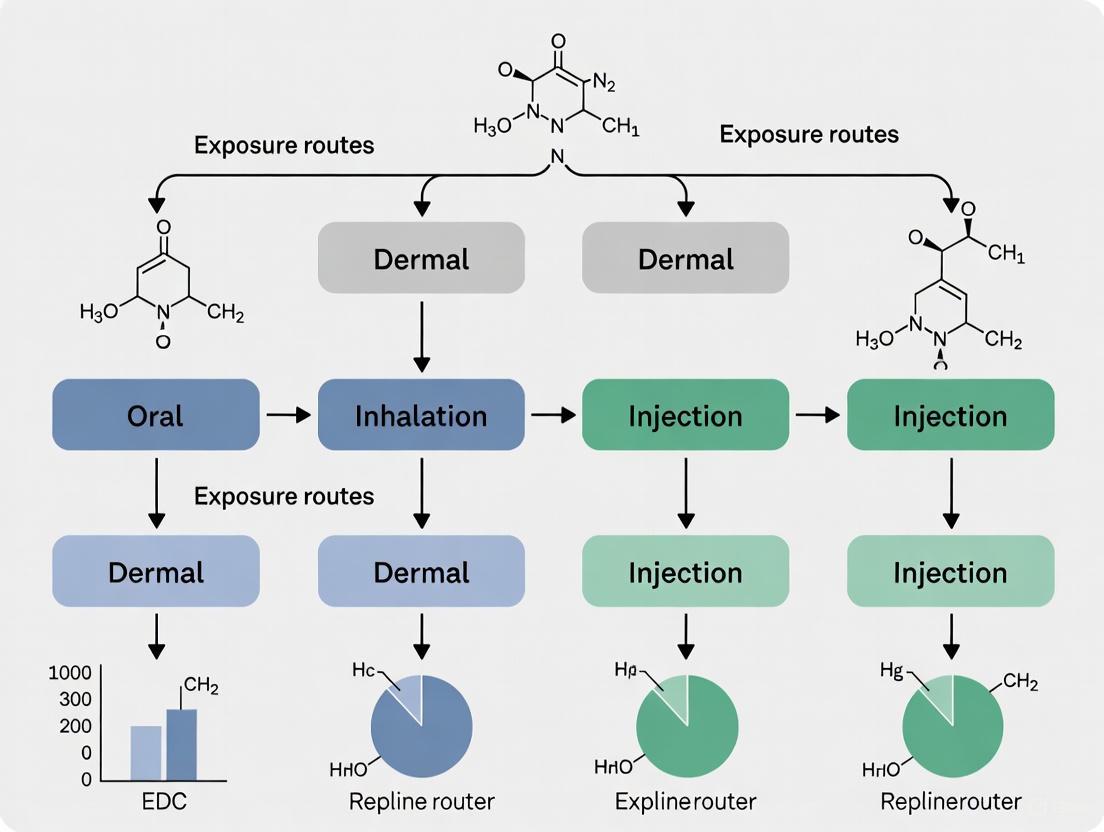
Endocrine-disrupting chemicals (EDCs) pose a significant risk to neurodevelopmental and metabolic health, with exposure routes critically influencing behavioral outcomes in model systems.
From Exposure to Outcome: Comparing EDC Exposure Routes and Their Impact on Behavioral Models
Abstract
Endocrine-disrupting chemicals (EDCs) pose a significant risk to neurodevelopmental and metabolic health, with exposure routes critically influencing behavioral outcomes in model systems. This article synthesizes current evidence for researchers and drug development professionals, exploring the foundational science of EDC exposure through diet, inhalation, and dermal contact. It evaluates advanced methodological approaches for exposure assessment in behavioral models, addresses key troubleshooting challenges such as mixture effects and temporal vulnerability, and validates findings by integrating epidemiological data with experimental results. The synthesis underscores the necessity of refining exposure models to improve the predictive validity of behavioral toxicology and de-risk therapeutic development.
Understanding EDC Exposure Pathways: Sources, Routes, and Critical Windows of Susceptibility
Endocrine-disrupting chemicals (EDCs) are exogenous compounds that interfere with the normal function of the endocrine (hormone) system through various mechanisms including alterations to hormone synthesis, metabolism, or receptor binding [1]. The World Health Organization (WHO) defines EDCs as substances or mixtures that alter function(s) of the endocrine system and consequently cause adverse health effects in an intact organism, its progeny, or (sub)populations [1]. EDCs encompass a wide range of substances found in commercial and industrial applications, including bisphenols, phthalates, per- and polyfluoroalkyl substances (PFAS), and certain heavy metals such as cadmium, mercury, and lead [1].
Globally, regulatory agencies including the Environmental Protection Agency (EPA), the European Union (EU) Commission, and the World Health Organization (WHO) are engaged in efforts to identify and characterize EDCs as a vital first step in risk assessment and regulatory decision-making [1]. According to the European Chemicals Strategy for Sustainability, approximately 70% of the known 100,000 human-made chemicals in commerce have not been measured for their endocrine activity on human health, with more than 1000 chemicals currently classified as known or suspected EDCs [1]. The widespread presence of these chemicals in everyday products—from plastic containers and food packaging to cosmetics and electronic devices—makes understanding their exposure routes, mechanisms of action, and health effects crucial for researchers and public health professionals [1].
Bisphenols and Alternatives
Bisphenol A (BPA) is a well-known endocrine disruptor traditionally used as a starting substance for the manufacture of polycarbonate plastics and epoxy resins, commonly found in food and beverage containers, can linings, and toys [2] [1]. Growing awareness of BPA's health concerns has led to its ban in food contact materials in the European Union as of December 2024, followed by Switzerland in July 2025 [2]. Consequently, BPA has been increasingly replaced with structurally similar alternatives such as bisphenol S (BPS) and bisphenol F (BPF), which provide similar functionality without requiring complex product redesign or manufacturing process changes [2].
The primary exposure route for bisphenols is through diet, particularly from canned food and beverages where the compounds can leach from protective epoxy resin linings. Additional exposure occurs through dental sealants, thermal paper receipts, and drinking water contamination. Dermal absorption and inhalation represent secondary exposure routes of concern in occupational settings.
Mechanisms of Action and Experimental Assessment
BPA is a known endocrine disruptor linked to impacts across multiple organs, including the brain, heart, prostate, mammary gland, and ovaries, even at low doses [2]. Its toxicity primarily occurs through interaction with estrogen receptor α (ERα), leading to altered gene expression and cellular function [3]. A comprehensive 2025 in vitro study compared BPA with 26 alternatives across six biological assays targeting cytotoxicity, endocrine disruption, xenobiotic metabolism, adaptive stress responses, mitochondrial toxicity, and neurotoxicity [2] [3].
The study employed a Cumulative Specificity Ratio score that integrates the degree of specific activation and overall toxicological activity across the test battery, enabling direct comparison of BPA with its alternatives [3]. Researchers observed that effects varied significantly depending on molecular structure. Structurally similar alternatives such as bisphenol AF (BPAF) and bisphenol Z (BPZ) demonstrated comparable or even greater potency in activating ERα compared to BPA [2]. Conversely, compounds with bulky substitutions at the para- and ortho-positions of the phenols showed eliminated estrogenic activity, likely due to steric hindrance preventing binding to ERα's binding site [2].
Table 1: Experimental Assessment of Select Bisphenol Compounds
| Compound | ERα Activation | PPARγ Activation | Mitochondrial Toxicity | Neurotoxicity | Cytotoxicity |
|---|---|---|---|---|---|
| BPA | +++ | - | + | + | ++ |
| BPAF | ++++ | - | ++ | ++ | +++ |
| BPZ | +++ | - | + | + | ++ |
| BPS-MPE | - | +++ | + | - | + |
| BPS-MAE | + | ++ | +++ | +++ | ++++ |
| TMCD | - | - | - | - | - |
Key: - = no activity; + = low activity; ++ = moderate activity; +++ = high activity; ++++ = very high activity
Notably, the lack of estrogenicity for several BPA alternatives, including 4-(4-phenylmethoxyphenyl)sulfonylphenol (BPS-MPE), was accompanied by a shift toward peroxisome proliferator-activated receptor γ (PPARγ) activation—a nuclear receptor pathway not significantly activated by BPA itself [2] [3]. Additionally, some alternatives demonstrated inhibition of mitochondrial functions and caused neurotoxicity in tested models [3]. Simulated phase I metabolism reduced cytotoxicity for most alternatives except methyl bis(4-hydroxyphenyl)acetate (Bz) and 4-[[4-(allyloxy)phenyl]sulfonyl]phenol (BPS-MAE), while estrogenic activity generally remained unchanged or decreased after metabolic transformation [3].
The researchers identified 2,2,4,4-tetramethyl-1,3-cyclobutanediol (TMCD) as the most promising BPA alternative, as it showed no specific activity across all tested assays [2]. However, they noted that TMCD's distinct physicochemical properties and dissimilar chemical structure compared to BPA make it unsuitable as a direct functional replacement without product redesign [2].
Experimental Protocols for Bisphenol Assessment
In Vitro Bioassay Battery Protocol:
- Cell Culture: Maintain appropriate cell lines (e.g., ERα-responsive, PPARγ-responsive) in recommended media with 10% fetal bovine serum at 37°C and 5% CO₂.
- Compound Preparation: Prepare stock solutions of bisphenol compounds in DMSO, ensuring final DMSO concentration does not exceed 0.1% in exposure media.
- Exposure Regimen: Plate cells at optimal density and allow to adhere for 24 hours. Treat with test compounds across a concentration range (typically 0.1-100 μM) for 24-72 hours.
- Endpoint Assessment:
- ERα/PPARγ Activation: Use reporter gene assays with luciferase construct.
- Mitochondrial Toxicity: Measure ATP production, membrane potential, and reactive oxygen species.
- Neurotoxicity: Assess neurite outgrowth in neuronal cell models.
- Cytotoxicity: Determine cell viability via MTT or resazurin assays.
- Metabolic Studies: Incubate compounds with liver microsomes or S9 fractions to simulate phase I metabolism.
- Data Analysis: Calculate EC₅₀/IC₅₀ values and use the Cumulative Specificity Ratio for comparative assessment.
Phthalates and Alternatives
Phthalates are the most commonly used plasticizers worldwide, prized for their relatively low cost, low volatility, and ability to create highly flexible and durable materials [4]. They are categorized into high-molecular-weight (HMW, 7-13 carbon atoms) and low-molecular-weight (LMW, 3-6 carbon atoms) phthalates based on their chemical structure [4]. HMW phthalates represent approximately 70% of the plasticizer market and are primarily used in polyvinyl chloride (PVC) products, including wires and cables, flooring, medical equipment, and synthetic leathers [4]. LMW phthalates comprise about 5% of the market and are found in products such as cosmetics, fragrances, personal care products, and some food packaging [4].
Major phthalates of concern include di(2-ethylhexyl) phthalate (DEHP), di-n-butyl phthalate (DBP), di-iso-butyl phthalate (DIBP), and benzyl butyl phthalate (BBP) [4]. DEHP was historically the most widely used phthalate in PVC applications but has been banned in most product applications in Europe since 2015 due to endocrine-disrupting concerns [4]. Human exposure occurs primarily through dietary sources (food packaging and processing), dermal absorption (cosmetics and personal care products), inhalation (indoor air and dust), and in occupational settings during manufacturing and processing [4].
Mechanisms of Action and Health Effects
LMW phthalates are classified as dangerous substances by the European Union's REACH regulation due to documented adverse effects on reproductive health [4]. While HMW phthalates are not yet definitively classified as endocrine disrupting, studies in rats have demonstrated detrimental liver effects, leading to restrictions on the use of diisononyl phthalate (DINP) and diisodecyl phthalate (DIDP) in childcare products throughout Europe [4].
Phthalates primarily exert endocrine-disrupting effects through:
- Anti-Androgenic Activity: Several phthalates, particularly DBP, BBP, and DEHP, interfere with testosterone synthesis and signaling during critical developmental windows, leading to malformations of male reproductive tissues.
- PPAR Activation: Certain phthalate metabolites activate peroxisome proliferator-activated receptors (PPARs), altering lipid metabolism and adipogenesis.
- Epigenetic Modifications: Phthalate exposure has been associated with DNA methylation changes in genes involved in reproductive development and metabolic processes.
Electronic waste represents a significant source of phthalate exposure, particularly in developing countries where unskilled workers dismantle and process e-waste under conditions that allow direct chemical exposure through touch and inhalation [4]. A 2007 Greenpeace report measured phthalate concentrations in laptop computers from various manufacturers, finding levels ranging from 0.2-0.3% by weight in Apple devices to 18-29% in Acer and HP laptops, dominated by DiNP and DiDP with smaller contributions from DEHP [4].
Table 2: Common Phthalates and Their Applications
| Phthalate | Type | Primary Applications | Regulatory Status |
|---|---|---|---|
| DEHP | LMW | Medical devices, flooring, upholstery | Banned in most European applications |
| DINP | HMW | Toys, gloves, automotive interiors | Restricted in childcare products |
| DBP | LMW | Cosmetics, latex adhesives, pharmaceuticals | Classified as reproductive toxicant |
| DIDP | LMW | Electrical cords, PVC flooring | Restricted in childcare products |
| DnOP | HMW | Pool liners, garden hoses, conveyor belts | No specific restrictions |
| BBP | LMW | Vinyl flooring, sealants, artificial leather | Classified as reproductive toxicant |
Assessment Methodologies
Metabolite Analysis Protocol:
- Sample Collection: Collect urine samples (preferred matrix for exposure assessment) in phthalate-free containers.
- Hydrolysis: Incubate samples with β-glucuronidase/sulfatase enzyme to deconjugate phthalate metabolites.
- Solid-Phase Extraction: Use C18 or mixed-mode cartridges for sample clean-up and metabolite concentration.
- LC-MS/MS Analysis:
- Chromatography: Reverse-phase C18 column with water/acetonitrile gradient.
- Mass Spectrometry: Electrospray ionization in negative mode with multiple reaction monitoring.
- Quantification: Use deuterated internal standards for each metabolite.
- Quality Control: Include method blanks, matrix spikes, and certified reference materials.
PFAS and Emerging Alternatives
Per- and polyfluoroalkyl substances (PFAS) comprise a large class of synthetic chemicals characterized by extremely strong carbon-fluorine bonds, which impart oil- and water-repellent properties [1]. Traditional PFAS have been used extensively in firefighting foams, surface protectants for fabrics, food packaging, and nonstick cookware [1]. In response to phase-out initiatives for traditional PFAS like perfluorooctanoic acid (PFOA) and perfluorooctanesulfonic acid (PFOS), emerging alternatives including hexafluoropropylene oxide-dimer acid (HFPO-DA, known as GenX), dodecafluoro-3H-4,8-dioxanonanoate (ADONA), 6:2 chlorinated polyfluoroalkyl ether sulfonate (6:2 Cl-PFAES), and 6:2 fluorotelomer sulfonamide alkylbetaine (6:2 FTAB) have seen dramatically increased global usage [5].
Human exposure to PFAS occurs primarily through contaminated drinking water, dietary intake (particularly seafood), food packaging migration, and inhalation of indoor air and dust [5]. The environmental persistence and mobility of PFAS allows for long-range transport, resulting in global distribution, though specific alternative types show regional variations based on usage patterns [5].
Mechanisms of Action and Toxicity Profiles
PFAS alternatives cause multi-dimensional damage to biological systems, including cellular dysfunction, organ system abnormalities, and population-level ecological impacts [5]. Toxicity mechanisms include:
- Receptor-Mediated Effects: Activation of peroxisome proliferator-activated receptors (PPARα and PPARγ) and constitutive androstane receptor (CAR), leading to alterations in lipid metabolism and energy homeostasis.
- Mitochondrial Dysfunction: Disruption of electron transport chain function and increased oxidative stress.
- Developmental Toxicity: Adverse effects on fetal development, particularly metabolic programming and organ maturation.
- Immunotoxicity: Suppression of immune function and reduced antibody response to vaccines.
Recent research has identified graphene oxide as a promising safe alternative to PFAS in food packaging applications [6]. Northwestern University researchers have developed a proprietary process using graphene oxide—oxidized single-atom-thick sheets of carbon atoms—to enhance the barrier properties of paper and cardboard products [6]. Independent third-party evaluations have demonstrated that this material increases barrier performance and paper strength by 30-50% compared to current commercial solutions while remaining cost-competitive and enabling compostability or recyclability after use [6].
Table 3: PFAS Alternatives and Their Properties
| PFAS Alternative | Primary Use | Environmental Mobility | Toxicity Concerns | Regulatory Status |
|---|---|---|---|---|
| HFPO-DA (GenX) | Industrial manufacturing | High water solubility | Hepatotoxicity, pancreatic effects | Under regulatory scrutiny |
| ADONA | PFOA replacement | Moderate mobility | Developmental toxicity, endocrine disruption | Limited restrictions |
| 6:2 Cl-PFAES | Surfactant, coatings | High persistence | Metabolic disruption, immunotoxicity | Emerging concern |
| 6:2 FTAB | Firefighting foam | Soil and groundwater contamination | Cellular toxicity, ecological impacts | Phase-out in some regions |
| Graphene Oxide | Food packaging | Biodegradable | Minimal toxicity observed | In development |
Heavy Metals as EDCs
Several heavy metals, including cadmium, mercury, lead, and inorganic arsenic, exhibit endocrine-disrupting properties despite not having biological roles in human physiology [7] [1]. These metals occur naturally in the Earth's crust but have become widespread environmental contaminants through anthropogenic activities such as mining, industrial processes, agriculture, and improper waste disposal [7].
Exposure routes vary by metal but primarily include:
- Dietary intake: Contaminated food and water, particularly rice (arsenic), seafood (mercury), and leafy vegetables (cadmium)
- Inhalation: Occupational exposure in industrial settings, airborne particulate matter
- Dermal absorption: Certain occupational settings and consumer products
Mechanisms of Toxicity
Heavy metals cause toxicity through two primary mechanisms: oxidative stress and ionic mimicry [7].
Oxidative Stress Mechanism: Heavy metals induce the generation of reactive oxygen species (ROS), causing an imbalance between free radical production and antioxidant defenses [7]. This oxidative deterioration affects biological macromolecules including lipids, proteins, and DNA [7]. Under normal conditions, antioxidants like reduced glutathione (GSH) protect cells from ROS, but metal exposure depletes GSH while increasing oxidized glutathione (GSSG), leading to lipid peroxidation and cellular damage [7].
Ionic Mechanism: Lead and other metals substitute for essential bivalent cations like Ca²⁺, Mg²⁺, and Fe²⁺, disrupting numerous biological processes including cell adhesion, intracellular signaling, protein folding, enzyme regulation, and neurotransmitter release [7]. Lead can substitute for calcium even at picomolar concentrations, affecting protein kinase C which regulates neural excitation and memory storage [7].
Arsenic-specific Mechanisms: Arsenic undergoes complex biotransformation in humans, with inorganic arsenic species (iAs) enzymatically converted to monomethylarsonic acid (MMA) and dimethylarsinic acid (DMA) [7]. While methylation was traditionally considered a detoxification process, the intermediate metabolite MMA(III) is highly toxic and potentially responsible for arsenic-induced carcinogenesis [7].
Table 4: Heavy Metals as EDCs - Mechanisms and Health Effects
| Metal | Exposure Routes | Molecular Targets | Endocrine Effects | Treatment Approaches |
|---|---|---|---|---|
| Arsenic | Contaminated water, food | Sulfhydryl groups, DNA repair systems | Diabetes, thyroid dysfunction | DMSA, DMPS, natural chelators |
| Lead | Paint, dust, water pipes, industrial | NMDA receptors, protein kinase C, δ-ALAD | Impaired growth, reproductive toxicity, thyroid disruption | CaNa₂EDTA, DMSA, selenium |
| Mercury | Seafood, dental amalgams, mining | Selenoenzymes, tubulin, neurotransmitter receptors | Thyroid dysfunction, insulin resistance | DMPS, DMSA, alpha-lipoic acid |
| Cadmium | Tobacco, contaminated food, industrial | Metallothionein, calcium channels, antioxidant systems | Estrogenic effects, testicular damage, thyroid dysfunction | EDTA, calcium supplementation |
Chelation Therapy and Alternative Treatments
Chelation therapy represents the standard medical treatment for heavy metal poisoning, involving administration of chelating agents that bind metals and facilitate their excretion [8]. Common chelating agents include:
- Dimercaptosuccinic acid (DMSA): Recommended for lead poisoning in children [8]
- Dimercaptopropane sulfonate (DMPS): Used for severe acute arsenic and mercury poisoning [8]
- Calcium disodium EDTA: Approved for lead removal by the FDA [8]
However, conventional chelation therapy has limitations, including side effects like kidney damage, depletion of essential minerals, and in some cases, mobilization of metals to more sensitive tissues like the brain [9] [8]. These drawbacks have prompted research into alternative and complementary approaches:
- Natural Chelators: Cilantro and chlorella have demonstrated ability to bind heavy metals and facilitate excretion, offering a gentler alternative to synthetic chelators [9].
- Dietary Modifications: Garlic containing sulfur compounds enhances glutathione production, while high-fiber foods aid in metal removal from the digestive tract [9].
- Essential Mineral Supplementation: Adequate calcium, zinc, and magnesium compete with toxic metals for absorption, reducing uptake of harmful metals [9].
- Sauna Therapy: Promotes excretion of heavy metals through sweating, providing an alternative elimination route when combined with proper hydration [9].
- Herbal Support: Milk thistle, turmeric, and dandelion support liver function, enhancing the body's natural detoxification capacity [9].
Experimental Models and Research Approaches
In Vitro Bioassays for EDC Assessment
Comprehensive EDC assessment requires a battery of in vitro bioassays to capture diverse mechanisms of toxicity [3]. Key assays include:
- Cytotoxicity Assays: MTT, resazurin, or neutral red uptake to determine general cellular toxicity.
- Endocrine Disruption Profiling:
- ERα and ERβ reporter gene assays for estrogenic activity
- AR reporter gene assays for anti-androgenic activity
- PPAR transactivation assays
- Steroidogenesis assays using H295R cells
- Xenobiotic Metabolism: CYP450 induction assays and phase II enzyme activity.
- Adaptive Stress Responses: Oxidative stress markers (ROS, glutathione), heat shock protein expression, and inflammatory cytokine production.
- Mitochondrial Toxicity: Oxygen consumption rates, ATP production, and membrane potential measurements.
- Neurotoxicity: Neurite outgrowth inhibition, neurotransmitter receptor binding, and glial cell activation.
In Vivo Models for EDC Research
Animal models remain essential for understanding the complex endocrine-disrupting effects of chemicals, particularly during developmental windows of susceptibility. Common approaches include:
- Developmental Exposure Models: In utero and lactational exposure followed by assessment of reproductive, metabolic, and neurological outcomes in offspring.
- Multi-Generational Studies: Exposure across multiple generations to identify transgenerational effects.
- Disease Susceptibility Models: Combination of EDC exposure with disease challenges to identify modulatory effects.
- Behavioral Assessment: Tests for anxiety, social behavior, learning, and memory to detect neurodevelopmental effects.
The Scientist's Toolkit: Essential Research Reagents
Table 5: Key Research Reagents for EDC Studies
| Reagent/Cell Line | Application | Key Features | Research Use |
|---|---|---|---|
| MVLN Luciferase Cells | Estrogen receptor activation | Stably transfected with ER-responsive luciferase reporter | Screening estrogenic activity |
| H295R Adrenal Cells | Steroidogenesis assessment | Human adrenocortical carcinoma line | Comprehensive steroid hormone production profiling |
| GH3 Pituitary Cells | Proliferation endpoint | Rat pituitary tumor line | Detecting estrogen-responsive cell proliferation |
| PPAR Reporter Cells | PPAR activation screening | Transfected with PPRE-luciferase construct | Identifying metabolic disruptors |
| Primary Hepatocytes | Metabolism and toxicity | Human or rodent primary cells | Metabolic transformation studies |
| Zebrafish Embryos | Developmental screening | Transparent embryos, rapid development | High-throughput developmental toxicity |
| C. elegans | Neurological endpoints | Simple nervous system, genetic tractability | Neurodevelopmental toxicity screening |
Signaling Pathways and Molecular Mechanisms
The following diagrams illustrate key signaling pathways disrupted by EDCs, created using DOT language with specified color palette for optimal visualization.
Diagram 1: Nuclear Receptor Disruption by EDCs
Diagram 2: Heavy Metal Toxicity Mechanisms
This comparison guide has systematically examined four major classes of endocrine-disrupting chemicals—bisphenols, phthalates, PFAS, and heavy metals—highlighting their exposure routes, molecular mechanisms, and research methodologies. The evidence demonstrates that structurally similar alternatives often present similar hazards to the chemicals they replace, emphasizing the need for comprehensive safety assessment before widespread adoption.
For researchers studying EDC exposure routes in behavior models, several key considerations emerge:
- Developmental Timing: Exposure during critical windows of development produces markedly different effects than adult exposure.
- Mixture Effects: Real-world exposure involves complex mixtures that may exhibit non-additive toxicity.
- Non-Monotonic Dose Responses: EDCs often show effects at low doses that are not predicted by high-dose testing.
- Transgenerational Effects: Some EDCs can produce epigenetic changes that affect multiple generations.
Future research directions should prioritize the development of integrated testing strategies that combine in vitro high-throughput screening with targeted in vivo validation, particularly for neurodevelopmental and behavioral endpoints. Additionally, greater attention to the comparative toxicology of replacement chemicals is essential to avoid "regrettable substitutions" that pose similar or greater hazards than the chemicals they replace.
For researchers investigating the link between environmental chemicals and health outcomes in behavior models, a precise understanding of exposure routes is fundamental. Endocrine-disrupting chemicals (EDCs) enter the human body through three primary pathways: dietary ingestion, dermal absorption from personal care products, and environmental contamination from various sources. The dose, duration, and timing of exposure are critical parameters, particularly during vulnerable developmental windows such as prenatal and early life stages, where EDCs can exert long-lasting effects on the endocrine, reproductive, and neurological systems [10] [11] [12]. This guide provides a comparative analysis of these exposure routes, supported by experimental data and methodologies, to inform the design of toxicological studies and behavioral models.
Comparative Analysis of Primary Exposure Routes
The table below synthesizes key quantitative and qualitative data on the three primary exposure routes, providing a foundation for risk assessment and experimental design.
Table 1: Comparative Analysis of Primary Exposure Routes for EDCs
| Exposure Route | Major Chemical Classes | Key Sources | Biomarkers & Measurement Matrices | Vulnerable Populations | Key Quantitative Findings |
|---|---|---|---|---|---|
| Dietary Ingestion | PFAS, Phthalates, Bisphenols, Food Contact Chemicals (FCCs) | Contaminated food & water, food packaging, food contact materials [13] [14]. | Serum (PFAS), Urinary metabolites (Bisphenols, Phthalates) [15] [13] [14]. | General population, developing fetus | >1800 FCCs known to migrate into food; 3601 FCCs detected in human biomonitoring [13]. Drinking water can be a major PFAS source near contamination sites [14]. |
| Personal Care Products (Dermal & Inhalation) | Phthalates, Parabens, Bisphenols [10] [12] [16] | Cosmetics, lotions, fragrances, nail polish, deodorants [10] [12]. | Urinary metabolites (MEP, MnBP, Paraben isomers) [10] [16]. | Pregnant women, infants, reproductive-age women | Highest phthalate metabolites in urine linked to product use: MEP > MnBP > MEHHP [10]. Dermal application enables direct absorption [16]. |
| Environmental Contamination | PFAS, Phthalates, Dioxins, Pesticides | Indoor dust, ambient air, industrial emissions, contaminated soil/water [11] [17] [14]. | Serum, Urine, House dust analysis | Communities near industrial/military sites | PFAS from AFFF contamination persists in groundwater for decades [14]. Indoor dust can account for ~50% of total PFAS intake in some populations [14]. |
Experimental Protocols for Exposure Assessment
Accurate exposure assessment is critical for establishing causal relationships in epidemiological and toxicological research. The following protocols detail standard methodologies for quantifying EDCs from different routes.
Protocol for Assessing Dietary Exposure via Food Contact Chemicals
This protocol outlines the methodology for determining the migration of FCCs from packaging into food, a major ingestion exposure pathway.
- 1. Sample Preparation (Food Simulant Extraction): Select appropriate food simulants (e.g., water, 10% ethanol, 3% acetic acid, or olive oil) based on the intended food type. Expose the food contact material (FCM) to the simulant under standardized time-temperature conditions (e.g., 10 days at 40°C for long-term storage simulation) [13] [16].
- 2. Analyte Extraction and Pre-concentration: Employ solid-phase extraction (SPE) or microextraction techniques (e.g., dispersive liquid-liquid microextraction, DLLME) to isolate and pre-concentrate target FCCs from the complex food simulant matrix. This step is crucial for detecting low concentrations [16].
- 3. Instrumental Analysis: Analyze extracts using liquid chromatography (LC) or gas chromatography (GC) coupled with mass spectrometry (MS). LC-MS/MS is preferred for its sensitivity in detecting a wide range of FCCs, including bisphenols and phthalates [13] [16].
- 4. Quantification and Identification: Use tandem mass spectrometry (MS/MS) for high selectivity. Identify FCCs by matching retention times and mass fragmentation patterns with authentic standards. Quantify concentrations using internal standard calibration curves to ensure accuracy [13].
Protocol for Biomonitoring of Personal Care Product Exposure
Biomonitoring measures internal dose by quantifying EDCs or their metabolites in biological tissues, providing an integrated measure of exposure from all routes.
- 1. Sample Collection: Collect urine samples, the preferred matrix for non-persistent EDCs like phthalates and parabens, due to non-invasive collection and high metabolite concentrations. Store samples at -20°C or below to preserve analyte integrity [10] [12].
- 2. Enzymatic Deconjugation: Treat urine samples with β-glucuronidase/sulfatase enzymes to hydrolyze phase-II metabolites (glucuronide/sulfate conjugates) back to their free forms, which are necessary for detection [10].
- 3. Sample Preparation and Clean-up: Utilize automated or miniaturized sample preparation techniques. Solid-phase microextraction (SPME) or fabric phase sorptive extraction (FPSE) are green chemistry approaches that reduce organic solvent use while effectively extracting target analytes from the biological matrix [16].
- 4. Analysis with GC-MS or LC-MS/MS: For phthalate metabolites, use LC-MS/MS for its ability to handle polar metabolites without derivatization. For other EDCs, select the chromatographic method based on the analyte's physicochemical properties. Quality control should include blanks and spiked pooled urine samples [10] [16].
Protocol for Environmental Exposure Assessment via Indoor Dust
Indoor dust is a reservoir for EDCs that can be ingested, inhaled, or absorbed dermally, making it a key indicator of environmental exposure.
- 1. Dust Sample Collection: Use a vacuum cleaner equipped with a collection sock or a standardized dust sampler from household carpets, furniture, or HVAC systems. Sieve collected dust through a fine mesh (e.g., <150 µm) to homogenize particle size [14].
- 2. Solid-Liquid Extraction: Weigh a precise amount of sieved dust and perform solid-liquid extraction with an organic solvent mixture (e.g., hexane/acetone or methanol) via shaking, sonication, or pressurized liquid extraction (PLE) to exhaustively extract target EDCs [14].
- 3. Extract Clean-up: Pass the extract through a clean-up column (e.g., silica gel or Florisil) to remove co-extracted interferents that can inhibit ionization during MS analysis [14].
- 4. Instrumental Analysis and Quantification: Analyze the cleaned extract using GC-MS or LC-MS/MS. For complex mixtures of PFAS and their precursors, high-resolution mass spectrometry (HRMS) may be required for non-targeted analysis and identification of unknown compounds [14].
Visualization of Aggregate Exposure Pathways
The following diagram illustrates the interconnected pathways through which EDCs from various sources ultimately lead to human exposure and potential health effects. This systems-level view is crucial for designing studies that account for cumulative exposure.
Diagram 1: Aggregate human exposure pathways for EDCs from sources to health effects.
The Scientist's Toolkit: Key Research Reagent Solutions
This table catalogs essential reagents and materials for conducting exposure assessment experiments, as derived from the cited methodologies.
Table 2: Essential Research Reagents for EDC Exposure Assessment
| Reagent/Material | Function in Experimentation | Example Application |
|---|---|---|
| Food Simulants | Solvents that mimic different food types (aqueous, acidic, alcoholic, fatty) to test chemical migration from packaging. | Determining FCC migration under standardized conditions (Protocol 3.1) [13]. |
| Enzymes (β-glucuronidase/Sulfatase) | Hydrolyze conjugated metabolites in urine back to their free forms for accurate quantification in biomonitoring. | Processing human urine samples before analysis of phthalate or paraben metabolites (Protocol 3.2) [10] [16]. |
| Solid-Phase Extraction (SPE) Sorbents | Selectively bind and concentrate target analytes from complex liquid samples, purifying and pre-concentrating them for analysis. | Extracting EDCs from food simulants, water, or biological fluids [16]. |
| Mass Spectrometry Internal Standards | Isotope-labeled analogs (e.g., ¹³C or ²H) of target analytes used to correct for matrix effects and loss during sample preparation. | Essential for accurate quantification in both GC-MS and LC-MS/MS analyses across all protocols [13] [16]. |
| Certified Reference Materials | Matrices (e.g., dust, serum) with certified concentrations of specific analytes, used for method validation and quality control. | Ensuring accuracy and precision in the analysis of environmental and biological samples [14]. |
The Developmental Origins of Health and Disease (DOHaD) paradigm establishes that environmental exposures during sensitive developmental windows can have lifelong and even transgenerational health consequences [18] [19]. Pregnancy, infancy, and early childhood represent periods of exceptionally rapid cellular growth and organ maturation, rendering them highly vulnerable to disruption by endocrine-disrupting chemicals (EDCs). These are exogenous substances that can mimic, block, or interfere with the body's hormonal systems [20]. This review compares the primary routes of EDC exposure across these vulnerable life stages and synthesizes the experimental and epidemiological evidence linking such exposure to behavioral deficits, providing researchers with a comparative analysis of exposure pathways, mechanistic insights, and associated neurobehavioral outcomes.
Comparative Analysis of EDC Exposure Routes Across Vulnerable Life Stages
The primary routes and sources of EDC exposure shift across development, with differing implications for the nature and duration of exposure. The table below provides a structured comparison of these key exposure pathways.
Table 1: Comparison of EDC Exposure Routes Across Vulnerable Life Stages
| Life Stage | Primary Exposure Routes | Key EDCs of Concern | Exposure Characteristics | Major Sources |
|---|---|---|---|---|
| Prenatal | Transplacental transfer from mother [18] [19] | Bisphenols (BPA, BPS, BPF), Phthalates, PFAS, Pesticides [21] [18] | Direct exposure of fetus; dependent on maternal exposure burden [19] | Maternal diet (food packaging, pesticides), personal care products [18] [19] |
| Infant | Breast milk or formula feeding [22] | Persistent Organic Pollutants (POPs), PFAS, PBDEs [22] | Exposure to lipophilic, bioaccumulating chemicals; source of essential nutrition [22] | Contamination of human milk or formula milk; migration from packaging [22] |
| Childhood | Diet, Ingestion, Inhalation [23] | Phthalates, Phenols, Pesticides [23] | Hand-to-mouth behavior; higher food intake per body weight; developing metabolism [23] | Diet, dust, toys, cleaning products, building materials [23] [24] |
Experimental Evidence Linking Prenatal EDC Exposure to Behavioral Outcomes
Prospective birth cohort studies provide the strongest epidemiological evidence for the association between prenatal EDC exposure and adverse neurobehavioral outcomes in children. These studies employ rigorous protocols to quantify exposure and assess outcomes.
Key Experimental Protocols and Data
Table 2: Key Cohort Studies on Prenatal EDC Exposure and Child Behavior
| Study / Citation | Cohort & Sample Size | Exposure Assessment Method | Behavioral Outcome Measure | Key Quantitative Findings |
|---|---|---|---|---|
| SELMA Study [24] | 607 mother-child pairs (Sweden) | Urine/Serum at ~10 weeks gestation | Strengths and Difficulties Questionnaire (SDQ) at age 7 | EDC mixture associated with OR=1.77 (95% CI: 1.67, 1.87) for behavioral difficulties in girls [24] |
| Li et al. Cohort [23] | 823 preschoolers | Baseline urine samples (T0) | Hyperactivity questionnaires at T0, T1 (6 mo), T2 (12 mo) | EDC mixture associated with OR=2.13 (95% CI: 1.70, 2.66) for high hyperactivity trajectory [23] |
| Prospective Birth Cohort [25] | 285 mother-child pairs (China) | Urine in 1st, 2nd, 3rd trimesters | Body Mass Index (BMI) at 24 months | 7 EDCs in 1st trimester positively associated with BMI z-score; DNA methylation mediated the association [25] |
Detailed Experimental Protocol from the SELMA Study
The Swedish Environmental Longitudinal, Mother and Child, Asthma and Allergy (SELMA) study exemplifies a robust methodological approach for investigating prenatal EDC exposure effects on childhood behavior [24].
- Study Population Recruitment: Pregnant women were recruited at their first antenatal care visit (median gestation: 10 weeks). Inclusion required understanding Swedish and residing in the study county. The analytical sample consisted of 607 mother-child pairs with complete exposure and outcome data.
- Biospecimen Collection and Exposure Biomarker Analysis:
- First-morning void urine was collected and stored at -20°C.
- Analysis of non-persistent chemicals (phenols, phthalate metabolites, triclosan) used liquid chromatography tandem mass spectrometry (LC-MS/MS).
- Blood serum was analyzed for persistent chemicals (PFAS, PCBs) using LC-MS/MS and gas chromatography-triple quadrupole mass spectrometry (GC-MS/MS).
- Outcome Assessment: When children were 7.5 years old, parents completed the Strengths and Difficulties Questionnaire (SDQ), a validated behavioral screening tool that generates a total difficulties score.
- Statistical Analysis and Mixture Modeling:
- Weighted Quantile Sum (WQS) Regression was used to model the effect of the EDC mixture while identifying chemicals of greatest concern.
- Models were adjusted for covariates such as maternal education, age, and child's sex.
- Repeated holdout validation was applied to ensure the stability and reproducibility of the results.
Mechanistic Insights: How EDCs Disrupt Neurodevelopment
EDCs are thought to influence neurodevelopment and behavior through several interconnected biological pathways. The following diagram illustrates the primary mechanisms.
Diagram 1: Proposed mechanistic pathways linking EDC exposure to behavioral phenotypes. Key pathways include direct interference with hormone signaling, epigenetic modifications such as DNA methylation, induction of oxidative stress, and disruption of immune function, which collectively impact critical neurodevelopmental processes.
A prominent mechanistic finding comes from a prospective birth cohort in Wuhan, China, which identified DNA methylation (DNAm) as a key mediator. The study found that prenatal exposure to specific EDCs (BP-3, BPS, MEP, TCS) was associated with elevated BMI z-scores in children, and this association was partially mediated by methylation at twelve specific CpG sites annotated to genes involved in development and neural function (e.g., DUXA, TMEM132C, GRM4) [25]. This provides a direct molecular link between exposure and developmental outcome.
The Scientist's Toolkit: Essential Research Reagents and Methods
Research into EDC exposure and neurobehavioral outcomes relies on a suite of sophisticated analytical and bioinformatic tools. The following table details key solutions used in this field.
Table 3: Key Research Reagent Solutions for EDC and Behavioral Analysis
| Tool / Reagent | Primary Function | Application Example |
|---|---|---|
| LC-MS/MS & GC-MS/MS | High-sensitivity quantification of EDCs and their metabolites in biospecimens (urine, serum, cord blood) [25] [24] | Measuring concentrations of BPA, phthalate metabolites, PFAS, and other EDCs in maternal urine during pregnancy [24]. |
| Human Methylation EPIC BeadChip | Genome-wide profiling of DNA methylation status at over 850,000 CpG sites [25] | Identifying differential methylation positions in cord blood that mediate the association between EDC exposure and childhood growth [25]. |
| Weighted Quantile Sum (WQS) Regression | A statistical model to evaluate the effect of a chemical mixture and identify the most influential chemicals [24] | Determining the overall effect of a mixture of 26 EDCs on child behavior and identifying plasticizers as key drivers in girls [24]. |
| Bayesian Kernel Machine Regression (BKMR) | A flexible statistical method to model complex exposure-response relationships and interactions in mixtures [25] [23] | Identifying a positive trend in hyperactivity risk when all EDCs in a mixture were at high percentiles [23]. |
| Strengths and Difficulties Questionnaire (SDQ) | A validated behavioral screening questionnaire for children and adolescents [24] | Assessing behavioral difficulties in 7-year-old children within the SELMA cohort [24]. |
| Latent Class Growth Analysis (LCGA) | A longitudinal modeling technique to identify distinct subgroups of individuals following similar trajectories over time [23] | Classifying preschoolers into "high hyperactivity" and "low hyperactivity" trajectories over a 12-month period [23]. |
The typical workflow for a birth cohort study integrating these tools is summarized below.
Diagram 2: Generalized experimental workflow for prospective birth cohort studies investigating EDC effects on neurodevelopment, from participant recruitment and multi-omics biospecimen analysis to longitudinal follow-up and advanced statistical modeling.
The evidence synthesized from recent cohort studies consistently indicates that prenatal and early-life exposure to EDCs, particularly as complex mixtures, is associated with an increased risk of adverse neurobehavioral outcomes such as hyperactivity and general behavioral difficulties. Key challenges for the field include addressing population heterogeneity, fully elucidating underlying mechanisms like epigenetic mediation, and identifying critical windows of exposure [21]. Future research must continue to leverage advanced mixture modeling methods and integrative multi-omics approaches to better approximate real-world exposure scenarios. For drug development and safety assessment, these findings underscore the critical importance of considering developmental exposure to EDC mixtures and incorporating sex-specific analyses to fully understand neurodevelopmental risks.
Endocrine-disrupting chemicals (EDCs) are exogenous substances that interfere with the synthesis, secretion, transport, binding, action, or elimination of natural hormones in the body responsible for development, behavior, fertility, and homeostasis [26]. The nervous system is particularly vulnerable to EDCs during critical developmental windows, including fetal life, childhood, and adolescence [27]. This review synthesizes current understanding of the molecular mechanisms by which EDCs disrupt hormone signaling and neurodevelopmental processes, with a focus on providing researchers with comparative experimental approaches and data for evaluating EDC effects in behavioral models.
Molecular Mechanisms of Endocrine Disruption
EDCs employ multiple mechanisms to disrupt normal endocrine function, primarily through direct interactions with hormone receptors and epigenetic modifications.
Receptor-Mediated Disruption
EDCs primarily disrupt endocrine function by binding to hormone receptors, either mimicking or blocking natural hormonal actions [28]. These interactions can activate or inhibit transcriptional pathways that regulate gene expression [27].
Table 1: Molecular Targets of Selected Endocrine-Disrupting Chemicals
| EDC Category | Specific EDCs | Molecular Targets | Cellular Consequences |
|---|---|---|---|
| Synthetic Estrogens | Diethylstilbestrol (DES), 17α-ethinylestradiol (EE2) | Estrogen receptors (ERα, ERβ), RXR, PPARγ [27] | Altered gene transcription, cellular differentiation [27] |
| Plasticizers | Bisphenol A (BPA), Phthalates | Estrogen receptors, Peroxisome Proliferator-Activated Receptor (PPAR) [28] | Reduced neuronal growth, decreased myelination [27] |
| Pesticides/Herbicides | Atrazine, Chlorpyrifos, DDT | Dopamine production, Acetylcholinesterase, Androgen receptors [27] | Mitochondrial dysfunction, altered neurotransmitter systems [27] |
| Industrial Chemicals | PCBs, PBDEs, PFAS | Thyroid function, Androgen receptors, Estrogen receptors [27] [29] | Oxidative stress, reduced neuronal differentiation [27] |
Epigenetic Mechanisms
EDCs can induce epigenetic modifications that alter gene expression without changing DNA sequence. These include DNA methylation, histone modifications, and non-coding RNA dynamics that are critical for cellular differentiation [30]. Such modifications can lead to transgenerational effects, where EDC-exposed individuals (F0 generation) pass on epigenetic changes to their offspring (F1 and F2 generations) even without subsequent exposure [26]. Diethylstilbestrol (DES) exposure during pregnancy, for example, has been associated with multigenerational neurodevelopmental deficits [31].
Impact on Neurodevelopmental Processes
EDC exposure during critical developmental windows disrupts multiple neurodevelopmental processes, leading to functional deficits.
Thyroid Hormone Disruption
Thyroid hormones are essential for neurogenesis, neuronal migration, neuron and glial cell differentiation, and myelination [27]. EDCs that alter thyroid function—particularly during fetal life—disrupt these processes, with clinical consequences that may manifest at birth, in childhood, or in adulthood [27]. Common thyroid-disrupting EDCs include phthalates, bisphenol A, and perchlorate [27].
Sex Hormone-Mediated Neurodevelopment
Estrogens and androgens play crucial roles in brain development and organization [27]. Synthetic estrogens like DES and EE2 can bind estrogen receptors in the developing brain, altering the programming of sexually dimorphic brain regions and behaviors [27] [28]. Data from the French HHORAGES-France cohort show that children exposed in utero to synthetic sex hormones developed increased incidence of psychiatric disorders, including schizophrenia, bipolar disorder, and mood disorders [27].
Neurotransmitter System Disruption
EDCs can directly alter the development and function of neurotransmitter systems. Atrazine exposure reduces dopamine production, while chlorpyrifos inhibits acetylcholinesterase activity [27]. These disruptions can lead to neurobehavioral disorders including ADHD, as demonstrated by a recent study of preschoolers which found that EDC mixtures in urine samples were significantly associated with hyperactive behavior trajectories [29].
Table 2: Neurodevelopmental and Behavioral Outcomes Linked to EDC Exposure
| EDC Category | Neurodevelopmental Effects | Behavioral Manifestations | Key Supporting Evidence |
|---|---|---|---|
| Synthetic Estrogens | Altered brain organization, neuronal connectivity | Increased risk of psychiatric disorders (schizophrenia, bipolar) [27] | HHORAGES-France cohort (n=2000 exposed children) [27] |
| Bisphenols & Phthalates | Reduced myelination, impaired neuronal growth | ADHD, hyperactivity, attention deficits [27] [29] | Preschooler study (n=823) showing hyperactivity trajectories [29] |
| Organophosphate Pesticides | Mitochondrial dysfunction, acetylcholinesterase inhibition | Cognitive deficits, memory problems [27] | Animal models showing altered brain development [27] |
| PFAS & Persistent Organic Pollutants | Altered thyroid signaling, oxidative stress in CNS | ADHD, impaired learning [29] | Mixture analysis showing dose-response relationships [29] |
Experimental Models for Evaluating EDC Effects
Various experimental approaches have been developed to characterize EDC effects, each with distinct advantages and limitations for neurodevelopmental research.
In Vivo Models
In vivo assessments in model organisms, particularly fish and rodents, allow evaluation of EDC effects at organismal levels, including behavioral outcomes [28]. Key considerations include developmental timing of exposure (early-life vs. adult stages) and exposure duration (acute vs. chronic) [28]. Fish models are particularly valuable as sentinel species because they are among the first organisms affected by waterborne EDCs and exhibit developmental plasticity in sexual determination that makes them vulnerable to environmental EDCs [28].
In Vitro and In Silico Approaches
In vitro systems using cell cultures allow mechanistic studies at cellular levels, elucidating direct effects of EDCs on specific cell types and molecular pathways [28]. These approaches are particularly valuable for high-throughput screening of potential EDCs. In silico methods comprise computational approaches that can predict endocrine-disrupting potential based on chemical structure, potentially reducing the need for extensive animal testing [28].
Methodological Considerations for Behavioral Research
When designing experiments to evaluate EDC effects on neurodevelopment and behavior, researchers should consider:
- Critical exposure windows: Early-life exposures often have more profound effects than adult exposures [28]
- Non-monotonic dose responses: EDCs do not always follow traditional dose-response relationships, with effects sometimes more pronounced at low doses [27]
- Mixture effects: Real-world exposure involves EDC mixtures that may produce combined effects different from individual compounds [29]
- Sex-specific effects: EDCs may affect males and females differently due to hormonal differences [29]
The Scientist's Toolkit: Research Reagent Solutions
Table 3: Essential Research Tools for EDC Neurodevelopment Studies
| Research Tool Category | Specific Examples | Application in EDC Research |
|---|---|---|
| Analytical Detection | GC-MS, LC-MS, HPLC with mass spectroscopy [26] [32] | Quantification of EDC concentrations in environmental and biological samples |
| Exposure Modeling | Q-gcomp model, mixture effect modeling [29] | Statistical analysis of combined effects from EDC mixtures |
| Behavioral Assessment | Conners' Parent Rating Scale-Revised (CPRS-48) [29] | Standardized evaluation of hyperactive behaviors in preschool children |
| Epigenetic Analysis | DNA methylation profiling, histone modification assays, non-coding RNA analysis [30] | Detection of EDC-induced epigenetic changes |
| Receptor Binding Assays | Estrogen receptor binding assays, PPAR activation tests [28] | Assessment of EDC interactions with hormone receptors |
| Cell-Based Screening | ER-CALUX, AR-CALUX, steroidogenesis assays [28] | High-throughput screening of potential endocrine activity |
EDCs disrupt neurodevelopment through multiple interconnected mechanisms, including receptor-mediated signaling disruption, epigenetic modifications, and alterations to thyroid and sex hormone pathways. These disruptions can lead to significant neurobehavioral consequences including ADHD, psychiatric disorders, and cognitive deficits. Future research should prioritize understanding mixture effects, transgenerational impacts, and sex-specific vulnerabilities while employing integrated methodological approaches that combine in vivo, in vitro, and in silico techniques. Such comprehensive approaches will provide the scientific foundation needed for improved regulatory decisions and protective public health policies.
In the evolving landscape of public health research, endocrine-disrupting chemicals (EDCs) have emerged as significant environmental factors capable of interfering with hormonal systems and contributing to diverse disease outcomes. The concept of the exposome—encompassing the totality of environmental exposures throughout the lifespan—has gained prominence for understanding how chemicals in our environment contribute to complex disorders [27] [33]. A comprehensive umbrella review analyzing 67 meta-analyses and 109 health outcomes has revealed that EDC exposure is significantly associated with tumors, cardiovascular diseases, metabolic disorders, and neurobehavioral abnormalities [34]. This review identifies established biological pathways connecting EDC exposure to neurodevelopmental and metabolic dysfunction, providing researchers with comparative experimental approaches for investigating these relationships across different exposure models and behavioral paradigms.
Comparative Analysis of EDC Exposure Routes and Behavioral Outcomes
Understanding the routes of exposure and their corresponding behavioral manifestations is crucial for developing targeted research methodologies. The following table synthesizes exposure pathways with their documented neurodevelopmental and metabolic consequences:
Table 1: EDC Exposure Routes and Associated Behavioral/Metabolic Outcomes
| Exposure Route | Representative EDCs | Neurodevelopmental Outcomes | Metabolic Dysfunction | Key Evidence Sources |
|---|---|---|---|---|
| Dietary/Food Contact | Bisphenol A (BPA), Phthalates, PFAS | Altered fear extinction, Emotion regulation deficits | Obesity, Insulin resistance, Altered lipid metabolism | [34] [35] [33] |
| Occupational/Environmental | Pesticides, PAHs, Heavy Metals | Intellectual disability, Memory deficits, Autism spectrum disorders | Metabolic syndrome, Type 2 diabetes, Cardiovascular disease | [34] [27] |
| Transplacental | Synthetic estrogens (DES), PCBs, DDT | Schizophrenia, Bipolar disorder, Attention deficits | Increased adult obesity risk, Altered glucose homeostasis | [27] [33] [36] |
| Lactational | Persistent organic pollutants (POPs) | Altered stress response systems, HPA axis dysfunction | Early-onset metabolic syndrome, Accelerated pubertal development | [37] [33] |
Critical Exposure Windows and Developmental Vulnerability
The developmental timing of EDC exposure significantly influences disease trajectory, with prenatal and early postnatal periods representing particularly vulnerable windows [37] [27]. During these sensitive periods, EDCs can alter the developmental trajectory of corticolimbic circuitry—brain networks essential for emotion regulation, stress response, and learning [37]. Research indicates that early-life exposure to EDCs is associated with accelerated maturation of frontoamygdala connections, potentially as an adaptive response to environmental stress but with long-term consequences for mental health [37]. These alterations to typical neurodevelopmental timing may manifest as behavioral disorders that only become apparent in adulthood, illustrating the fetal origins of adult disease paradigm [27].
Established Neurodevelopmental Pathways
Corticolimbic Circuitry Disruption
The prefrontal-amygdala-hippocampal network represents a primary neural pathway vulnerable to EDC exposure, particularly during early developmental windows [37]. This circuitry undergoes protracted maturation throughout childhood and adolescence, with EDCs potentially altering its typical developmental trajectory:
Table 2: EDC Effects on Corticolimbic Circuitry Components
| Neural Structure | Normal Function | EDC-Induced Alterations | Behavioral Manifestations |
|---|---|---|---|
| Medial Prefrontal Cortex (mPFC) | Top-down emotion regulation, Executive function | Reduced volume, Weakened regulatory control | Impaired emotional regulation, Poor executive function |
| Amygdala | Fear processing, Emotional salience | Hyper-reactivity, Altered developmental timing | Anxiety, Hypervigilance, Mood disorders |
| Hippocampus | Contextual memory, Stress regulation | Reduced neurogenesis, Altered glucocorticoid signaling | Learning and memory deficits |
| Frontoamygdala Connectivity | Fear extinction, Emotion regulation | Accelerated or delayed developmental patterns | Altered anxiety responses, Stress vulnerability |
Cross-species evidence confirms that EDCs alter the developmental timing of corticolimbic circuitry, with studies showing accelerated maturation of frontoamygdala connections following early adversity [37]. This accelerated development may represent an ontogenetic adaptation to harsh environments but potentially at the cost of long-term mental health outcomes.
Molecular Mechanisms of Neurodevelopmental Disruption
At the molecular level, EDCs employ multiple mechanisms to disrupt typical neurodevelopment:
- Receptor-Mediated Effects: EDCs directly bind to neural hormone receptors including estrogen receptors (ER), androgen receptors (AR), and thyroid hormone receptors, altering gene expression patterns critical for brain development [27].
- Epigenetic Modification: EDCs induce lasting changes through DNA methylation, histone modification, and microRNA regulation, facilitating transgenerational transmission of neurobehavioral abnormalities [27].
- Thyroid Hormone Disruption: Many EDCs interfere with thyroid function, disrupting thyroid hormones essential for neurogenesis, neuronal migration, and myelination [27].
- Oxidative Stress and Inflammation: EDCs promote neural inflammation and oxidative damage, contributing to neuronal dysfunction and cell death [27].
Diagram 1: Neurodevelopmental Disruption Pathways (Title: EDC Neurodevelopmental Pathway Map)
Metabolic Dysfunction Pathways
EDCs as Obesogens and Diabetogens
EDCs function as metabolic disruptors by interfering with the body's energy homeostasis systems, earning classifications as "obesogens" (promoting weight gain) and "diabetogens" (inducing diabetes) [35]. The mechanisms underlying these effects involve multiple interconnected pathways:
- Adipose Tissue Dysfunction: EDCs promote adipocyte hypertrophy and hyperplasia while altering adipokine secretion profiles, leading to chronic inflammation and insulin resistance [38] [35].
- Pancreatic β-Cell Dysfunction: Certain EDCs impair insulin secretion and promote β-cell apoptosis through oxidative stress and inflammatory pathways [35] [39].
- Hepatic Metabolic Reprogramming: EDCs alter hepatic glucose and lipid metabolism, promoting gluconeogenesis and dyslipidemia [38] [39].
- Thyroid Axis Disruption: EDCs that interfere with thyroid function subsequently reduce basal metabolic rate and promote weight gain [35].
Metabolic Syndrome Pathway Integration
Metabolic syndrome represents a cluster of abnormalities including central obesity, insulin resistance, hypertension, and atherogenic dyslipidemia [38]. EDCs contribute to this syndrome through multiple interconnected pathways:
Table 3: EDC Contributions to Metabolic Syndrome Components
| Metabolic Syndrome Component | Diagnostic Threshold | EDC Mechanisms | Key Associated EDCs |
|---|---|---|---|
| Central Obesity | Waist circumference >40 in (M) / >35 in (F) | Altered adipocyte differentiation, Leptin resistance, Increased energy storage | BPA, Phthalates, Organotins |
| Insulin Resistance | Fasting glucose ≥100 mg/dL | Impaired insulin signaling, GLUT4 translocation defects, Inflammation | PCBs, BPA, DDT |
| Dyslipidemia | Triglycerides ≥150 mg/dL, Reduced HDL | Altered hepatic lipid metabolism, Increased free fatty acids | PFAS, Dioxins, PCBs |
| Hypertension | BP ≥130/85 mm Hg | Endothelial dysfunction, Oxidative stress, Altered renin-angiotensin system | Lead, Cadmium, BPA |
Network toxicology approaches have revealed close interrelationships among lipid metabolism disorders, atherosclerosis, type 2 diabetes, and non-alcoholic fatty liver disease, suggesting EDCs may target common master regulatory pathways [39].
Diagram 2: Metabolic Disruption Pathways (Title: EDC Metabolic Disruption Map)
Experimental Models and Methodologies
Comparative Analysis of Research Approaches
Research into EDC effects employs diverse methodological approaches, each with distinct advantages and limitations for elucidating exposure-behavior relationships:
Table 4: Experimental Models for EDC Research
| Model Type | Key Characteristics | Data Outputs | Neurodevelopmental Applications | Metabolic Applications |
|---|---|---|---|---|
| Human Cohort Studies | NHANES design, Biomonitoring, Cross-sectional or longitudinal | Questionnaires, Chemical biomarkers, Clinical measures | Behavioral assessments, Cognitive testing, Neuroimaging | Metabolic panels, BMI tracking, Disease incidence |
| Animal Models | Controlled exposure, Mechanistic insights, Developmental timing studies | Behavioral tests, Tissue analysis, Molecular assays | Fear conditioning, Social behavior, Learning and memory tests | Glucose tolerance, Body composition, Energy expenditure |
| Cell Culture Systems | High-throughput screening, Molecular mechanisms, Receptor-specific assays | Gene expression, Protein analysis, Receptor activation | Neural differentiation, Neurite outgrowth, Synaptic function | Adipocyte differentiation, Insulin signaling, Mitochondrial function |
| In Silico Approaches | Network toxicology, Molecular docking, Pathway analysis | Prediction of interactions, Identification of key targets | Neural network modeling, Circuit development prediction | Metabolic network modeling, Disease correlation analysis |
Analytical Methodologies for Mixture Effects
Given that humans are exposed to complex mixtures of EDCs simultaneously, advanced statistical approaches have been developed to analyze combination effects:
- Weighted Quantile Sum (WQS) Regression: Identifies chemical mixtures and their predominant drivers, successfully applied to identify BP3, MECPP, and MECOP as key contributors to altered sex steroid hormones in men [40].
- Bayesian Kernel Machine Regression (BKMR): Models complex exposure-response relationships and interactions between chemicals, revealing non-linear and non-additive effects in EDC mixtures [40].
- Molecular Docking and Network Toxicology: Computational approaches predicting interactions between EDCs and biological targets, identifying core targets including cellular apoptosis regulators and inflammatory signaling pathways [39].
The Scientist's Toolkit: Research Reagent Solutions
Table 5: Essential Research Reagents for EDC Investigation
| Reagent Category | Specific Examples | Research Applications | Experimental Function |
|---|---|---|---|
| Chemical Analysis | HPLC-ESI-MS/MS, Isotope-labeled internal standards, Solid-phase extraction columns | Quantification of EDCs and metabolites in biological samples | Precise measurement of exposure levels in urine, serum, and tissues |
| Molecular Detection | Antibodies to metabolic enzymes (Hexokinase I, Fatty Acid Synthase, COX IV), Chemiluminescent substrates | Protein expression analysis in metabolic tissues | Detection of EDC-induced alterations in metabolic pathways and mitochondrial function |
| Hormone Assays | ID-LC-MS/MS for testosterone and estradiol, SHBG immunoassays, ELISA kits | Endocrine endpoint assessment | Quantification of hormonal changes following EDC exposure |
| Cell Markers | Neural differentiation antibodies, Synaptic protein markers, Apoptosis detection kits | In vitro neurodevelopmental studies | Assessment of neural development, connectivity, and toxicity |
| Epigenetic Tools | DNA methylation kits, Histone modification antibodies, miRNA analysis arrays | Transgenerational studies | Analysis of epigenetic modifications underlying lasting EDC effects |
The established pathways linking EDC exposure to neurodevelopmental and metabolic dysfunction reveal complex biological cascades that originate from molecular interactions and culminate in behavioral and physiological disease phenotypes. The evidence demonstrates that EDCs disrupt corticolimbic circuitry development through receptor-mediated and epigenetic mechanisms, while simultaneously acting as metabolic disruptors that reprogram energy homeostasis systems. These pathways are not mutually exclusive; emerging research suggests bidirectional communication between metabolic and neural systems that may amplify EDC effects.
Future research directions should prioritize: (1) advanced mixture modeling to reflect real-world exposure scenarios; (2) identification of sensitive developmental windows for targeted interventions; (3) exploration of cross-generational effects through epigenetic mechanisms; and (4) development of targeted therapeutic approaches to mitigate EDC-mediated harm. The experimental frameworks and methodological comparisons presented here provide researchers with validated approaches for further elucidating these critical exposure-disease relationships.
Advanced Techniques for Quantifying EDC Exposure in Behavioral Research
Biomonitoring is a critical technique in environmental health and toxicology that involves measuring the concentration of chemicals, their metabolites, or specific biomarkers in biological tissues and fluids to assess internal exposure [41]. In the study of endocrine-disrupting chemicals (EDCs), biomonitoring provides direct evidence of the "body burden" – the actual amount of these compounds that has been absorbed into an organism's system [42]. Unlike environmental monitoring which measures contaminants in air, water, or soil, biomonitoring accounts for exposure from all routes and sources, providing an integrated measure of total exposure [43]. This approach is particularly valuable for EDC research because these chemicals often exhibit complex exposure pathways and can exert health effects at very low concentrations [44].
The measurement of internal dose through biomonitoring is fundamental for understanding the relationship between EDC exposure and behavioral effects in model organisms. By quantifying the actual concentrations of EDCs and their metabolites in tissues and fluids, researchers can establish more reliable dose-response relationships, identify target tissues, and elucidate mechanisms of action [41]. This is especially important given that EDCs can interfere with hormonally-mediated processes critical for neurodevelopment and behavior, often through non-monotonic dose responses that complicate traditional toxicological assessment [44].
Key Matrices for Biomonitoring and Analytical Approaches
Selection of Biological Matrices
The choice of biological matrix for biomonitoring depends on the physicochemical properties of the target EDC, the timing of exposure, and the research questions being addressed. Common matrices used in model organism research include:
- Blood/Serum/Plasma: Ideal for measuring recent exposure to lipophilic compounds and providing circulating concentrations that reflect potentially bioavailable compounds [42]. Blood is particularly useful for persistent EDCs like PFAS (per- and polyfluoroalkyl substances), which are routinely measured in serum [44] [24].
- Urine: Preferred for non-persistent, rapidly metabolized EDCs such as phthalates and bisphenols, as these compounds and their metabolites are excreted in urine within hours to days after exposure [44]. Urine collection is often non-invasive, allowing for longitudinal sampling in some model organisms.
- Adipose Tissue: Critical for lipophilic, bioaccumulative EDCs that partition into fat deposits, including certain persistent organic pollutants [42]. While more invasive to collect, adipose measurements provide information about long-term accumulation.
- Brain and Neural Tissues: Essential for EDC research focused on neurobehavioral outcomes, as these measurements directly quantify chemical concentrations at the site of action [44].
- Breast Milk: Particularly valuable for lactational exposure assessment and measuring lipophilic persistent compounds [42].
- Hair and Nails: Emerging matrices that can provide a longer-term exposure history for certain metals and persistent organic pollutants [42].
Analytical Methodologies
Advanced analytical techniques enable precise quantification of EDCs at environmentally relevant concentrations in small volume samples typical in model organism research:
- Mass Spectrometry-Based Methods: Isotope dilution mass spectrometry, gas chromatography-mass spectrometry (GC-MS), and liquid chromatography-tandem mass spectrometry (LC-MS/MS) represent the gold standard for EDC biomonitoring [42]. These techniques offer the sensitivity and specificity needed to detect EDCs at parts-per-billion to parts-per-trillion levels in complex biological matrices [43].
- Immunoassays: Ligand-binding assays and immunoassays provide cost-effective alternatives for high-throughput screening, though they may lack the specificity of mass spectrometry methods [42].
- Inductively Coupled Plasma Mass Spectrometry (ICP-MS): Particularly suitable for measuring metal-based EDCs such as lead, mercury, and arsenic [42].
Table 1: Common Analytical Techniques for EDC Biomonitoring in Biological Matrices
| Analytical Technique | Applications | Sensitivity | Example EDCs Measured |
|---|---|---|---|
| LC-MS/MS | Non-persistent, metabolized EDCs | Parts-per-trillion | Phthalates, bisphenols, parabens [24] |
| GC-MS | Persistent, lipophilic EDCs | Parts-per-trillion | PCBs, organochlorine pesticides [24] |
| ICP-MS | Metallic EDCs | Parts-per-trillion | Lead, mercury, arsenic [42] |
| Immunoassays | High-throughput screening | Parts-per-billion | BPA, triclosan [42] |
Experimental Designs and Protocols for EDC Biomonitoring
Integrated Biomonitoring and Behavioral Assessment
Contemporary EDC research increasingly combines biomonitoring with behavioral assessments to establish direct links between internal dose and functional outcomes. The following experimental workflow illustrates a comprehensive approach:
This integrated approach was exemplified in a recent study investigating hyperactivity trajectories in preschoolers, where urinary concentrations of 22 EDCs were measured alongside repeated behavioral assessments [23]. Researchers collected urine samples at baseline and administered hyperactivity questionnaires at three time points, enabling them to model how EDC body burdens correlated with behavioral trajectories over time [23].
Protocol: Biomonitoring of Non-Persistent EDCs in Rodent Models
Materials Required:
- Metabolic cages for urine collection
- LC-MS/MS system with C18 column
- Solid-phase extraction cartridges
- Isotope-labeled internal standards
- Analytical balance (±0.0001 g precision)
- Refrigerated centrifuge
- Chemical-specific standards (e.g., phthalate metabolites, bisphenols)
Procedure:
- Exposure Regimen: Administer EDCs via relevant exposure routes (oral, inhalation, dermal) at environmentally relevant concentrations for specified duration.
- Sample Collection: House animals in metabolic cages for 24-hour urine collection at predetermined time points. Collect blood via appropriate methods (e.g., saphenous vein, cardiac puncture).
- Sample Preparation: Centrifuge urine at 3,000 × g for 10 minutes. Aliquot supernatant and store at -80°C until analysis.
- Sample Extraction: Thaw samples and add isotope-labeled internal standards. Extract analytes using solid-phase extraction with appropriate solvents.
- Instrumental Analysis: Analyze extracts using LC-MS/MS with electrospray ionization in negative or positive mode, depending on target analytes.
- Quality Assurance: Include method blanks, matrix spikes, and duplicate samples in each analytical batch to ensure data quality.
- Data Analysis: Quantify concentrations using internal standard method with calibration curves. Normalize urinary concentrations to creatinine to account for dilution variations.
This protocol follows approaches validated in large biomonitoring studies such as NHANES and the SELMA pregnancy cohort [43] [24].
Quantitative Data from Recent EDC Biomonitoring Studies
Recent biomonitoring studies have generated substantial quantitative data linking internal EDC doses with behavioral outcomes. The following table summarizes key findings from contemporary research:
Table 2: Internal Dose Measurements of EDCs and Associated Behavioral Effects
| Study Population/Model | EDCs Measured | Concentration Range | Behavioral Outcome | Statistical Association |
|---|---|---|---|---|
| Preschoolers (n=823) [23] | 22 urinary EDCs (phthalates, phenols, pesticides) | Mixture analysis: percentiles | High hyperactivity trajectory | OR=2.13, 95% CI: 1.70-2.66 for mixture effect |
| SELMA Cohort (n=607) [24] | 26 EDCs (phthalates, PFAS, phenols, persistent pollutants) | Chemical-specific percentiles | Behavioral difficulties (SDQ) | OR=1.77, 95% CI: 1.67-1.87 for girls |
| NHANES (n=1,363) [45] | Phthalates, BPA, other phenols | Urinary metabolite percentiles | PRISm (lung function) | OR=2.29, 95% CI: 1.71-3.07 for MIBP |
| Child-bearing age adults [46] | 13 EDC metabolites (BPA, phthalates, parabens) | Pre/post-intervention levels | Exposure reduction success | Trend of decreased EDC exposure with intervention |
Pharmacokinetic Modeling and Exposure Reconstruction
Biomonitoring data becomes particularly powerful when integrated with pharmacokinetic (PK) modeling to reconstruct exposure patterns and predict tissue concentrations. The following diagram illustrates the relationship between biomonitoring and PK modeling:
Reverse dosimetry approaches use biomonitoring measurements combined with PK models to estimate prior exposure concentrations that would result in observed biomarker levels [43]. This reconstructive analysis is particularly valuable for EDCs with short half-lives, where timing of sample collection is critical. Conversely, forward dosimetry uses exposure data with PK models to predict internal tissue concentrations and biomarker levels [43].
Physiologically-based pharmacokinetic (PBPK) models represent the most sophisticated approach, incorporating species-specific physiological parameters, chemical-specific properties, and exposure scenarios to predict the absorption, distribution, metabolism, and excretion of EDCs [43]. These models are especially valuable for extrapolating across species (e.g., from rodent models to humans) and exposure scenarios.
The Researcher's Toolkit: Essential Reagents and Materials
Successful biomonitoring of EDCs in model organisms requires specialized reagents and materials. The following table details essential components of the biomonitoring toolkit:
Table 3: Essential Research Reagents and Materials for EDC Biomonitoring
| Category | Specific Items | Function/Application | Examples/Specifications |
|---|---|---|---|
| Analytical Standards | Native analytical standards | Quantification of target analytes | Certified reference materials for phthalates, bisphenols, PFAS |
| Isotope-labeled internal standards | Correction for recovery and matrix effects | (^{13})C- or (^{2})H-labeled analogs of target EDCs | |
| Sample Collection | Metabolic cages | Separate urine and feces collection | Rodent-sized with cooling systems to preserve sample integrity |
| Appropriate anticoagulants | Blood collection and processing | EDTA, heparin for plasma separation | |
| Cryogenic vials | Long-term sample storage | RNase-free, leak-proof for -80°C storage | |
| Sample Preparation | Solid-phase extraction cartridges | Extract and concentrate analytes | C18, HLB, or mixed-mode sorbents |
| Enzymes for hydrolysis | Deconjugate phase II metabolites | β-glucuronidase/sulfatase from Helix pomatia | |
| Derivatization reagents | Enhance detection of certain EDCs | BSTFA, MTSTFA for silylation | |
| Quality Control | Certified reference materials | Method validation and accuracy assessment | NIST SRM 3672 (organic contaminants in human serum) |
| Matrix-matched calibrators | Minimize matrix effects during quantification | Prepared in same biological matrix as samples |
Mixture Analysis and Advanced Statistical Approaches
Given that real-world EDC exposure involves complex mixtures, recent methodological advances have focused on mixture analysis. Three predominant statistical approaches have emerged:
Weighted Quantile Sum (WQS) Regression: Identifies chemical mixtures associated with health outcomes and quantifies the relative contribution of each component [45] [24]. In the SELMA study, WQS regression revealed that EDC mixtures were associated with behavioral difficulties in 7-year-old children, with OR=1.77 (95% CI: 1.67-1.87) for girls [24].
Quantile-Based g-Computation (Qgcomp): Estimates the effect of increasing all mixture components simultaneously by one quantile [45] [23]. This approach detected a 41% increase in odds of PRISm (OR=1.41, 95% CI: 1.15-1.72) per quartile increase in EDC mixture in NHANES participants [45].
Bayesian Kernel Machine Regression (BKMR): Models complex exposure-response relationships and interactions between mixture components [45] [23]. This method confirmed an overall positive association between EDC mixtures and hyperactivity trajectories when all chemical concentrations were at or above their 55th percentile [23].
These mixture approaches are particularly valuable for EDC research because they better reflect real-world exposure scenarios and can identify interactions between chemicals that might be missed in single-chemical analyses.
Biomonitoring of EDCs in model organisms provides irreplaceable data on internal dose that strengthens the connection between environmental exposures and behavioral outcomes. The integration of advanced analytical chemistry with sophisticated statistical approaches for mixture analysis and pharmacokinetic modeling represents the current state-of-the-art in this field. As biomonitoring techniques continue to advance with improved sensitivity and the ability to measure increasingly complex mixtures, our understanding of how EDCs alter neurobehavioral outcomes through specific internal exposure patterns will continue to grow. This knowledge is essential for developing evidence-based interventions and policies to reduce harmful EDC exposures.
Accurately assessing personal exposure to environmental toxicants, including Endocrine Disrupting Chemicals (EDCs), is central to linking chemicals to health outcomes. The "exposome" concept—representing the totality of exposures an individual experiences over a lifetime—requires tools capable of capturing complex, personal chemical mixtures as people go about their daily activities [47]. For decades, researchers relied on active air samplers and biological samples, but these methods present challenges including cost, participant burden, and inability to represent the full range of bioavailable chemical exposures [48].
Silicone wristbands have emerged as a personal passive sampling technology that fills critical gaps in exposure assessment. When worn during normal activities, these wristbands sequester a wide range of chemicals from the environment, serving as a biologically relevant surrogate for what may enter the body [47]. This guide provides a detailed comparison of silicone wristbands against traditional methods, supported by experimental data and protocols, specifically framed within behavior models research for assessing EDC exposure routes.
Comparative Analysis of Exposure Assessment Tools
The table below provides a systematic comparison of silicone wristbands against other common exposure assessment methodologies.
Table 1: Performance Comparison of Exposure Assessment Tools
| Methodology | Key Advantages | Key Limitations | Best Applications in EDC Research |
|---|---|---|---|
| Silicone Wristbands | - Non-invasive and high participant compliance [47].- Captures 1,500+ chemicals from multiple routes (air, dermal, contact) [47].- Cost-effective and easy to deploy [48].- Correlates well with urinary metabolites for some chemical classes [48]. | - Does not provide route-specific exposure data without complementary methods [49].- Uptake mechanisms for all chemicals not fully characterized [50].- Requires laboratory processing and chemical analysis. | - Assessing the "total" personal exposome of EDC mixtures [49].- Studies in hard-to-reach populations (e.g., children, pregnant women) [47].- Community-engaged research and disaster response exposure tracking [47]. |
| Active Air Samplers (e.g., Backpacks) | - Provides high-fidelity, time-resolved air concentration data.- Can target specific compounds with high precision. | - Expensive (~$3,000 per unit plus calibration) [48].- Cumbersome for participants, potentially affecting compliance [48].- Limited to airborne chemicals, missing dermal and dust ingestion routes. | - Quantifying inhalation exposure to specific volatile EDCs in controlled settings. |
| Biological Samples (e.g., Blood, Urine) | - Measures the internal dose of a chemical or metabolite [47].- Directly links exposure to biological response. | - Invasive collection, which can limit participation [47] [48].- Reflects only recent exposure for non-persistent chemicals [48].- Does not identify exposure sources. | - Establishing a direct link between EDC exposure and a biomarker of effect or health outcome. |
Experimental Data: Validating the Wristband Approach
Chemical Recovery and Stability
Laboratory experiments have rigorously tested the wristband's capacity for quantitative analysis. One comprehensive study demonstrated that wristbands can capture and retain 148 diverse chemicals, including Polychlorinated Biphenyls (PCBs), pesticides, flame retardants, Polycyclic Aromatic Hydrocarbons (PAHs), and Volatile Organic Compounds (VOCs), with recoveries averaging 102% with relative standard deviation ≤21% [48]. Stability tests simulating transport and storage conditions show that SVOC levels remain stable for up to one month at 30°C, and all tested chemicals are stable during long-term storage at -20°C for up to 3-6 months [48].
Correlation with Biological Measures
A key validation is correlating wristband exposures with internal dose. Research has shown that the amount of organophosphate flame retardants (OPFRs) sequestered in wristbands correlated more significantly with corresponding urinary metabolites than levels found on hand wipes [48]. Similarly, a study on PAHs found stronger correlations between wristband concentrations and urinary metabolites than between active air backpack concentrations and urine [48]. This reinforces the wristband's role as a biologically relevant exposure tool that integrates multiple exposure routes.
Uptake Dynamics and the Impact of Movement
A 2025 study investigated the impact of movement on chemical uptake rates, a critical factor in behavior model research. Wristbands were rotated at different speeds to simulate arm movement, showing that motion enhances uptake rates.
Table 2: Impact of Movement on SVOC Uptake Rates in Silicone Wristbands
| Tangential Speed (m/s) | Approximate Human Activity | Uptake Rate Enhancement (vs. Static) |
|---|---|---|
| 0.05 | Very slow movement | 1.2 ± 0.2 times |
| 0.5 | Slow, deliberate movement | 3.2 ± 0.6 times |
| 1.1 | Normal walking pace | 4.3 ± 0.8 times |
The study also found that uptake enhancement positively correlated with a chemical's octanol-air partition coefficient (log KOA), indicating that movement particularly increases the accumulation of more hydrophobic SVOCs [50]. For highly hydrophobic SVOCs (log KOA >9), uptake rates on wristbands actually worn by people were 10 to 10,000 times greater than rates in the rotation experiment, suggesting that direct contact with skin or surfaces, particle deposition, and dermal excretion are significant accumulation pathways beyond just air movement [50].
Figure 1: Pathways of Chemical Accumulation in Silicone Wristbands. Wristbands capture chemicals from multiple exposure routes, integrating them into a single sample for analysis [47] [50].
Detailed Methodological Protocols
Wristband Preparation and Cleaning
Proper preparation is critical for obtaining chemically clean wristbands. The established protocol involves:
- Solvent Cleaning: Wristbands are submerged in a series of solvent exchanges to remove inherent oligomers and potential interferents. A finalized procedure uses ≤65g of silicone in 800 mL of solvent for five exchanges: the first three with ethyl acetate/hexane (1:1, v:v) and the last two with ethyl acetate/methanol (1:1, v:v). Each exchange lasts a minimum of 2.5 hours on an orbital shaker [51].
- Drying and Storage: After solvent cleaning, wristbands are dried under vacuum in stainless steel canisters. Dried wristbands are stored in amber glass jars or PTFE (Teflon) airtight bags at 4°C until deployment [51] [48]. An alternative method involves baking wristbands at 300°C for 180 minutes under a vacuum flushed with nitrogen [48].
Field Deployment and Post-Deployment Processing
- Deployment: Participants wear the wristband for a defined period (e.g., 7 days) while going about their normal routines. The wear time should be documented.
- Post-Deployment Cleaning: Upon return, wristbands are cleaned with two sequential rinses of purified water and one rinse with isopropyl alcohol to remove superficial particles and water residue without extracting sequestered chemicals [51] [48].
- Extraction: Chemicals are recovered from the wristband using two rounds of extraction with 100 mL of ethyl acetate on an orbital shaker for approximately 2 hours each. The combined extracts are then reduced to a small volume (e.g., 1 mL) using a closed-cell evaporator for instrumental analysis [51] [48].
Figure 2: Silicone Wristband Workflow from Preparation to Analysis. The process ensures a clean sampler and reliable quantification of absorbed chemicals [51] [48].
Essential Research Reagent Solutions
The table below details key materials and reagents required for implementing silicone wristband studies.
Table 3: Essential Research Reagents and Materials for Wristband Studies
| Item | Specification/Function |
|---|---|
| Silicone Wristbands | Commercial 1.3 cm width bands; Polydimethylsiloxane (PDMS) polymer acts as the absorbing medium [51] [48]. |
| Solvents | Optima-grade or equivalent Ethyl Acetate, n-Hexane, Methanol for cleaning and extraction [51] [48]. |
| Internal Standards | Deuterated or 13C-labeled analogs of target analytes (e.g., acenaphthylene-D8, phenanthrene-D10); correct for analytical variability and quantify recovery [51]. |
| Performance Reference Compounds (PRCs) | Deuterated chemicals added to wristbands before deployment; correct for in-field sampling rates and equilibrium status [52]. |
| Storage Containers | Amber glass jars and PTFE (Teflon) bags; prevent contamination during storage and transport [51] [48]. |
| Gas Chromatograph-Mass Spectrometer (GC-MS) | Equipped with a DB-5MS column; used for the identification and quantification of extracted chemicals [51]. |
Silicone wristbands represent a significant innovation in exposure science, particularly for research focused on the exposome and EDC mixtures. Their strength lies in providing a simple, non-invasive, and integrative measure of personal exposure that correlates well with biological uptake. When designing studies on EDC exposure routes within behavior models, wristbands are the superior tool for capturing the complex, real-world mixture of chemicals an individual encounters. For a complete exposure assessment, they can be strategically paired with other methods, such as active air samplers to dissect the inhalation route or biological samples to directly link the external exposure captured by the wristband to internal dose and health effects.
Human health is affected not by single chemicals in isolation, but by complex mixtures of environmental endocrine-disrupting chemicals (EDCs) encountered simultaneously through various routes [44]. These EDCs, which include phthalates, bisphenol A (BPA), perfluoroalkyl substances (PFAS), and triclosan, are ubiquitous in consumer products, leading to universal human exposure [44]. Designing laboratory experiments that accurately mirror these real-world exposure scenarios presents a significant challenge for toxicologists and risk assessors. The fetus, infant, and child may have enhanced sensitivity to environmental stressors like EDCs due to rapid development and greater exposure resulting from developmentally appropriate behavior, anatomy, and physiology [44]. This creates an urgent need for experimental models that can capture the combined effects of these chemical mixtures, which may act synergistically or cumulatively to disrupt endocrine homeostasis and increase the risk of childhood diseases [44].
Traditional toxicological testing has historically focused on single chemicals, potentially underestimating risks from complex mixtures that humans encounter daily [53]. The European PARC initiative (Partnership for the Assessment of Risks from Chemicals) highlights this gap, noting that "the diversity of chemicals entering the environment is increasing, with some posing significant harm to ecosystems and human health" [53]. Advances in analytical techniques and statistical methods now enable researchers to develop more sophisticated exposure scenarios that better mimic real-world conditions, thereby providing more relevant data for chemical risk assessment and supporting evidence-based public health interventions.
Comparative Analysis of Experimental Approaches for Mixture Assessment
Different methodological approaches offer distinct advantages and limitations for characterizing mixture effects. The selection of an appropriate model depends on research objectives, available resources, and the specific biological endpoints of interest. The following table summarizes four primary approaches used in mixture toxicity research, highlighting their key characteristics and research considerations.
Table: Comparison of Methodological Approaches for Assessing Chemical Mixtures
| Methodological Approach | Key Characteristics | Typical Applications | Research Considerations |
|---|---|---|---|
| High-Throughput Screening (HTS) Assays | Utilizes cell-based systems for rapid screening of many chemicals/mixtures; measures specific pathway activation (e.g., ER-alpha) [54] | Priority setting for further testing; mechanism-based toxicity screening | Assay choice significantly impacts results (e.g., ER-luc more sensitive than ER-bla for estrogenic mixtures) [54]; may overestimate responses without proper validation |
| Statistical Mixture Modeling | Employ advanced computational models (WQS regression, BKMR) to analyze complex exposure data [40] | Epidemiological studies with multiple exposure measurements; identification of influential mixture components | Can handle high correlation among chemicals; identifies key drivers of mixture effects (e.g., BP3, MECPP for male steroid hormones) [40]; requires specialized statistical expertise |
| Non-Targeted Analysis (NTA) | Uses high-resolution mass spectrometry to broadly screen for known and unknown chemicals [53] | Discovery of emerging contaminants; comprehensive exposure characterization in complex matrices | Detects previously unidentified chemicals; data processing and chemical identification challenging; requires rigorous quality control and standardization [53] |
| Effect-Directed Analysis (EDA) | Combines chemical analysis with biological testing to identify causative agents for observed effects [53] | Identification of bioactive components in complex mixtures; linking observed effects to specific chemicals | Powerful for causal inference; technically complex and resource-intensive; requires integration of multiple analytical platforms |
Each approach contributes uniquely to mixture toxicology. HTS assays provide mechanistic insights at the cellular level, while statistical models elucidate complex exposure-response relationships in human populations. Advanced analytical methods like NTA and EDA offer powerful tools for comprehensive chemical characterization and identification of bioactive mixture components. The most robust research strategies often integrate multiple approaches to overcome individual limitations and provide complementary evidence.
Experimental Protocols for Mixture Exposure Assessment
High-Throughput Screening of Defined Chemical Mixtures
Objective: To evaluate the combined effects of chemical mixtures on specific endocrine pathways using cell-based assays and compare observed responses to predictions based on individual chemical data [54].
Materials:
- ER-alpha agonist assays: ER-bla (β-lactamase) and ER-luc (luciferase) cell lines
- Defined chemical mixtures representing real-world exposure patterns
- Positive controls (known ER agonists) and negative controls (vehicle only)
- High-throughput screening platform with appropriate detection capabilities
Procedure:
- Mixture Design: Prepare mixtures based on environmental relevance and concentration ratios detected in human biomonitoring studies.
- Dose-Response Characterization: Test individual chemicals and mixtures across a range of concentrations (typically 8-12 points in serial dilutions).
- Assay Implementation: Expose cell lines to individual chemicals and mixtures following standardized HTS protocols [54].
- Response Measurement: Quantify pathway activation using assay-specific readouts (fluorescence for ER-bla, luminescence for ER-luc).
- Model Prediction: Calculate expected mixture responses using concentration addition or independent action models based on individual chemical data.
- Validation: Compare observed mixture responses to predicted values to identify synergistic, additive, or antagonistic effects.
Data Analysis:
- Calculate the degree of overestimation or underestimation between predicted and observed responses for each assay system.
- Identify chemical components that disproportionately contribute to mixture effects.
- Determine the preferred assay system for specific endocrine pathways based on its predictive accuracy for mixture responses.
This protocol revealed that model predictions tended to overestimate actual responses in the ER-bla assay but closely matched observations in the more sensitive ER-luc assay, suggesting the latter is preferred for high-throughput analysis of estrogenic mixtures [54].
Statistical Modeling of Complex Mixture Effects in Epidemiological Studies
Objective: To examine the association between exposure to chemical mixtures and sex steroid hormone levels in adult men using multiple statistical approaches [40].
Materials:
- Biological samples (urine, serum) from study participants
- Demographic and covariate data (age, BMI, socioeconomic factors)
- Laboratory equipment for chemical and hormone analysis
- Statistical software capable of implementing WQS regression and BKMR
Procedure:
- Sample Collection: Obtain spot urine samples for chemical analysis and blood samples for hormone measurement from study participants [40].
- Chemical Quantification: Measure urinary concentrations of 25 environmental endocrine-disruptors including phenols, parabens, and phthalate metabolites using HPLC-MS/MS.
- Hormone Assessment: Quantify serum levels of total estradiol (E2), total testosterone (TT), and sex hormone-binding globulin (SHBG) using ID-LC-MS/MS and immunoassays.
- Data Preparation: Adjust chemical concentrations for urinary dilution using creatinine, replace values below detection limits with LOD/√2, and log-transform variables as needed.
- Statistical Modeling:
- Apply multiple linear regression to examine single-chemical associations
- Implement Weighted Quantile Sum (WQS) regression to identify mixture effects and key contributors
- Conduct Bayesian Kernel Machine Regression (BKMR) to capture non-linear and interaction effects
Data Analysis:
- Compare results across statistical models to identify consistent associations
- Determine the most influential chemicals in the mixture (e.g., BP3, MECPP, MECOP were identified as key contributors to anti-androgenic effects)
- Evaluate concentration-response relationships and potential interactions between mixture components
This multi-model approach provides a more comprehensive understanding of mixture effects than any single method, with the WQS and BKMR models confirming mixture effects on male steroid hormones that were not fully apparent from single-chemical analyses [40].
Signaling Pathways in Endocrine Disruption
The following diagram illustrates the key molecular and cellular pathways through which EDC mixtures potentially disrupt endocrine function and contribute to adverse health outcomes, synthesizing current understanding from mechanistic studies.
Molecular Pathways of EDC Mixture Effects
This pathway illustrates how EDC mixtures disrupt endocrine function through multiple interconnected mechanisms. At the cellular level, EDCs can bind to various nuclear receptors (estrogen, androgen, thyroid receptors), altering gene expression patterns critical for development and homeostasis [44]. These changes can lead to mitochondrial dysfunction, including hyperpolarization of the mitochondrial membrane potential (ΔΨm), which in turn triggers phospholipid remodeling and subsequent alterations in nuclear DNA methylation patterns [54]. The resulting persistent functional changes manifest as altered steroidogenesis in reproductive tissues, neuronal disruption during critical developmental windows, and metabolic reprogramming that promotes adiposity [44]. These organ-level effects ultimately contribute to adverse health outcomes including impaired neurodevelopment, reproductive dysfunction, and metabolic disorders, with early-life exposures posing particular concern due to the vulnerability of developing systems [44].
Experimental Workflow for Mixture Exposure Scenario Design
The following diagram outlines a systematic approach for designing and implementing laboratory studies that effectively mimic real-world human exposures to chemical mixtures.
Workflow for Mixture Exposure Scenario Design
This workflow begins with comprehensive problem formulation, establishing the purpose, scope, and level of detail required for the assessment [55]. During this critical phase, researchers define the exposure setting, identify relevant stressors, characterize exposed populations, and outline exposure pathways. The exposure scenario development stage then translates this conceptual understanding into testable experimental designs, defining mixture compositions based on real-world exposure data (e.g., from biomonitoring studies), determining environmentally relevant concentration ranges and ratios, and selecting appropriate experimental models that reflect key exposure routes and biological endpoints [55] [56]. The analytical strategy selection phase involves choosing the most suitable methods for detecting and quantifying effects, which may include sensitive HTS assays like the ER-luc system for estrogenic activity [54], non-targeted analysis using high-resolution mass spectrometry for comprehensive chemical characterization [53], and appropriate statistical models such as WQS or BKMR for analyzing complex mixture effects [40]. This systematic approach ensures that laboratory studies effectively mimic real-world exposure conditions and generate data relevant for assessing human health risks.
The Scientist's Toolkit: Essential Research Reagents and Materials
Successfully designing and implementing mixture exposure studies requires specialized reagents, analytical tools, and computational resources. The following table details essential components of the mixture toxicology toolkit.
Table: Essential Research Tools for Mixture Exposure Studies
| Tool Category | Specific Examples | Research Application | Key Considerations |
|---|---|---|---|
| Bioanalytical Assays | ER-luc and ER-bla cell-based assays [54]; HPLC-ESI-MS/MS [40]; ID-LC-MS/MS for hormones [40] | High-throughput screening of endocrine activity; quantification of chemical metabolites and hormones | ER-luc demonstrates superior sensitivity for detecting mixture effects compared to ER-bla [54]; mass spectrometry methods require rigorous quality control |
| Chemical Standards | Phthalate metabolites (MEHP, MECPP, MEOHP) [44]; Bisphenol A; Parabens; PFAS; Triclosan [44] | Calibration curves; quality control samples; spiking experiments | Certified reference materials essential for method validation; should cover major metabolites and transformation products |
| Statistical Software Packages | Weighted Quantile Sum (WQS) regression; Bayesian Kernel Machine Regression (BKMR) [40] | Analysis of complex mixture effects; identification of key chemical drivers | Different models have complementary strengths; WQS identifies important mixture components while BKMR captures nonlinearities and interactions [40] |
| Laboratory Infrastructure | Solid-phase extraction (SPE) systems; high-resolution mass spectrometers; robotic liquid handling systems | Sample preparation; non-targeted analysis; high-throughput screening | Non-targeted analysis requires advanced instrumentation and computing resources for data processing [53] |
| Data Resources | NHANES exposure and health data [40]; Tox21 screening data [54]; environmental monitoring data | Study design; model validation; contextualizing findings | Publicly available datasets enable benchmarking and comparison across studies and populations |
This toolkit enables researchers to address the complex challenges of mixture toxicology, from comprehensive exposure characterization to mechanistic understanding of combined effects. The selection of appropriate tools should be guided by specific research questions and should consider the need for method standardization to ensure reproducibility and comparability across studies [53].
Designing laboratory studies that accurately mimic real-world human exposures to chemical mixtures requires careful consideration of exposure timing, chemical combinations, and appropriate model systems. The research protocols, analytical frameworks, and experimental tools outlined in this guide provide a foundation for generating more relevant toxicity data that reflects actual human exposure patterns. The integration of advanced statistical methods for mixture analysis, sensitive bioanalytical techniques for effect detection, and systematic approaches for exposure scenario development represents a paradigm shift in chemical risk assessment toward more realistic and protective approaches.
Future directions in mixture toxicology will likely include greater integration of non-targeted analytical methods into standardized testing protocols [53], development of harmonized frameworks for reporting and data sharing, and implementation of fit-for-purpose identification scales and method performance criteria [53]. As noted by researchers in the field, "continuous development of diverse and complementary analytical and computational methodologies is required to, and will improve the detection, annotation, quantification and prioritisation of chemicals and chemical features that pose current or emerging risks, safeguarding public health" [53]. By adopting these innovative approaches, researchers can provide stronger scientific foundations for risk assessment and public health decisions regarding complex chemical mixtures.
Longitudinal studies are a cornerstone of research aimed at understanding how behaviors and health outcomes develop and change across an individual's life. This research design involves repeated observations of the same variables—such as specific behaviors or chemical exposure levels—over short or extended periods, ranging from weeks to decades [57]. Unlike cross-sectional studies that provide a single snapshot in time, longitudinal studies enable researchers to track intraindividual change, identify developmental trajectories, and establish the temporal sequence of events, which is critical for inferring potential causality [58].
Within the specific context of Endocrine Disrupting Chemical (EDC) research, longitudinal designs are indispensable. They allow scientists to observe how chronic low-dose exposures, particularly during sensitive developmental windows like prenatal development or puberty, can influence behavioral outcomes that manifest much later in life [24]. For example, assessing prenatal EDC exposure and then following children through childhood and adolescence can reveal subtle but significant impacts on neurodevelopment and behavior that would be impossible to detect in a one-time assessment [24]. The following diagram illustrates the typical workflow of a longitudinal study investigating EDC exposure and behavioral outcomes.
Comparative Analysis of Longitudinal Study Designs
Selecting an appropriate longitudinal design is a critical first step in planning research on EDC exposure and behavioral outcomes. Each design offers unique advantages and faces specific challenges concerning timeframe, cost, participant burden, and analytical complexity. The table below provides a structured comparison of the three primary longitudinal designs used in this field.
Table 1: Comparison of Longitudinal Study Designs for EDC and Behavioral Research
| Design Type | Key Features | Advantages | Disadvantages | Best-Suited EDC Research Applications |
|---|---|---|---|---|
| Panel Study | The same individuals are followed and repeatedly measured over time [57]. | • Tracks within-person change directly.• High validity for studying developmental processes.• Eliminates recall bias for recent events. | • High cost and time commitment.• High risk of selective attrition.• Practice effects from repeated testing. | • Mapping detailed individual trajectories of behavioral change in response to EDC exposure. |
| Cohort Study | A group sharing a common characteristic or experience (e.g., birth year) is followed [57]. | • Can sample different individuals from the same cohort over time.• Ideal for studying the long-term impact of early-life exposures. | • Can be confounded by cohort effects (differences due to being born in a specific era) [57].• Still requires long-term follow-up. | • Studying health outcomes in groups defined by a shared exposure (e.g., individuals born in a region with high pesticide use). |
| Retrospective Study | Uses existing data (e.g., medical records, biobanks) to look back in time [57]. | • Faster and more cost-effective.• Allows study of long-term outcomes without a decades-long wait. | • Quality of historical data may be poor.• Recall bias can affect accuracy.• Less control over how exposure and outcomes were originally measured. | • Leveraging archived maternal serum/urine samples to link prenatal EDC levels with adolescent behavioral records. |
Experimental Protocols & Data Presentation in EDC Research
To illustrate the practical application of longitudinal designs, this section details a real-world protocol and summarizes quantitative findings from a recent study on prenatal EDC exposure and child behavior.
Detailed Protocol: The SELMA Study
The Swedish Environmental Longitudinal, Mother and Child, Asthma and Allergy (SELMA) study is a prime example of a prospective pregnancy cohort study designed to investigate the impact of prenatal EDC exposure on child health and development [24].
Cohort Recruitment & Baseline Assessment:
- Population: 2,582 pregnant women were recruited at their first antenatal care visit (median gestation: 10 weeks) [24].
- Baseline Data Collection:
Exposure Assessment (Prenatal EDCs):
- Analysis: Maternal urine and serum samples were analyzed using advanced techniques like liquid chromatography tandem mass spectrometry (LC-MS/MS) and gas chromatography-mass spectrometry (GC-MS) [24].
- Chemicals Measured: The study quantified 26 EDCs, including phenols (e.g., BPA, triclosan), phthalate metabolites, per- and polyfluoroalkyl substances (PFAS), and persistent chlorinated compounds (e.g., PCBs) [24].
Outcome Assessment (Child Behavior):
- Timing: When the children were approximately 7.5 years old, parents completed the Strengths and Difficulties Questionnaire (SDQ) [24].
- Tool: The SDQ is a validated behavioral screening questionnaire that assesses emotional symptoms, conduct problems, hyperactivity/inattention, peer relationship problems, and prosocial behavior [24].
Statistical Analysis:
- Single-Chemical Models: Quasi-Poisson and logistic regression models estimated associations between individual EDCs and the total SDQ score or a high-risk cutoff (90th percentile) [24].
- Mixture Analysis: Weighted Quantile Sum (WQS) regression with repeated holdout validation was used to examine the combined effect of the EDC mixture and identify "chemicals of concern" that drove any observed association [24].
Quantitative Data Presentation
The SELMA study yielded clear, quantifiable results demonstrating the association between prenatal EDC exposure and behavioral outcomes.
Table 2: Summary of Key Quantitative Findings from the SELMA Study [24]
| Analysis Type | Study Group | Key Outcome Measure | Result (Odds Ratio, OR) | Interpretation |
|---|---|---|---|---|
| EDC Mixture Analysis (WQS Regression) | Girls (Full Sample) | Odds of behavioral difficulties (SDQ ≥90th percentile) | OR 1.77 (95% CI: 1.67, 1.87) | A significant positive association was observed. |
| Girls (Validation Set) | Odds of behavioral difficulties (SDQ ≥90th percentile) | OR 1.31 (95% CI: 0.93, 1.85) | A positive, borderline significant association was observed. | |
| Validation Stability | Girls | Positive betas in 100 repeated holdout validations | 94 / 100 | The inference was highly stable and reproducible. |
| Single Chemical & Mixture Analysis | Boys | No pattern of significant associations | Not Significant | The effect appeared to be sex-specific. |
The relationship between EDC exposure, underlying biological pathways, and the resulting behavioral outcomes can be conceptualized as a cascade of events, as visualized below.
The Scientist's Toolkit: Key Reagents & Materials
Conducting high-quality longitudinal research on EDCs requires a specific set of tools and reagents for precise exposure assessment and outcome measurement.
Table 3: Essential Research Reagent Solutions for Longitudinal EDC-Behavior Studies
| Item / Reagent | Primary Function in Research | Example from SELMA Study [24] |
|---|---|---|
| LC-MS/MS (Liquid Chromatography Tandem Mass Spectrometry) | High-throughput, sensitive quantification of multiple non-persistent EDCs and their metabolites in urine/serum. | Used to quantify 24 urinary analytes, including BPA, phthalate metabolites, and triclosan. |
| GC-MS/MS (Gas Chromatography-Mass Spectrometry) | Accurate identification and quantification of volatile, persistent organic pollutants (POPs) in serum. | Employed for analysis of 14 persistent chlorinated compounds (e.g., PCBs) in serum samples. |
| Internal Standards (C13-labelled) | Correct for matrix effects and loss during sample preparation, ensuring quantitative accuracy in mass spectrometry. | Added to serum samples prior to protein precipitation for PFAS and persistent compound analysis. |
| Strengths and Difficulties Questionnaire (SDQ) | A standardized behavioral screening tool to assess child and adolescent mental health and behavioral outcomes. | Completed by parents when children were ~7.5 years old to measure the primary behavioral outcome. |
| Weighted Quantile Sum (WQS) Regression Software | A statistical tool to analyze the overall effect of a chemical mixture and identify key contributors within the mixture. | Used to evaluate the joint effect of 26 EDCs and identify "chemicals of concern" (e.g., plasticizers). |
The study of Endocrine-Disrupting Chemicals (EDCs) and their impact on health requires a multidisciplinary approach that meticulously links exposure data to functional behavioral outcomes. EDCs are defined as exogenous chemicals, or mixtures of chemicals, that interfere with any aspect of hormone action [33]. They are ubiquitous in the environment, originating from plastics, pesticides, personal care products, and industrial by-products, and human exposure occurs primarily through ingestion, inhalation, and dermal contact [33] [59]. The central thesis of this guide is that robust comparison of EDC exposure routes in behavioral models depends on the seamless integration of two core components: precise characterization of the exposure and sophisticated, objective assessment of the resulting phenotypic changes.
Emerging evidence underscores that the route of exposure is not merely a logistical detail but a critical determinant of a substance's effect. For instance, formaldehyde is commonly ingested without harm through foods but is a known carcinogen when inhaled at sufficient doses [59]. This principle is paramount in EDC research, where developmental, cognitive, and reproductive outcomes are of primary interest. Integrating exposure data with behavioral phenotyping allows researchers to move beyond simple observation to mechanistic understanding, enabling a direct comparison of how different exposure pathways—oral, inhalation, dermal—influence neurobehavioral endpoints in model systems. This guide objectively compares the methodologies and technologies that make this integration possible, from state-of-the-art activity monitoring to complex cognitive tests.
Comparative Analysis of Methodologies and Technologies
Objective Activity Monitoring Technologies
A critical advancement in behavioral phenotyping is the shift from subjective observational scoring to objective, data-driven activity monitoring. The table below compares the core technologies used for objective activity assessment in both human and animal model research.
Table 1: Comparison of Objective Activity and Cognitive Monitoring Technologies
| Technology | Primary Application | Measured Parameters | Key Advantages | Supporting Evidence |
|---|---|---|---|---|
| Accelerometry (Actical) [60] | Human Studies (Older Adults) | - Percent time in Moderate-to-Vigorous PA (MVPA%)- Light-intensity PA- Sedentary time | - Overcomes recall bias of self-report- Provides real-world, continuous data- Allows for dose-response analysis | Higher MVPA% quartiles linked to 36% lower risk of cognitive impairment (OR=0.64) and better maintenance of memory/executive function [60]. |
| Smartwatch/Smartphone (Apple Watch/iPhone) [61] | Human Studies (Remote/DCTs) | - Interactive cognitive assessments- Passive behavioral tracking (sleep, motor function)- Self-reported health data | - High-frequency, ecological data capture- Enables large, demographically diverse cohorts- Combines passive & interactive data streams | Remote study (N=23,004) demonstrated reliable MCI classification; valid for unsupervised cognitive assessment in diverse populations [61]. |
| Behavioral Phenotyping Cores [62] [63] | Animal Model Studies | - Cognitive tests (e.g., Morris Water Maze)- Motor coordination (e.g., Rotorod)- Social behavior (e.g., 3-Chamber Test) | - Standardized, validated assays- Expert experimental design support- High-throughput testing in controlled environments | Core facilities provide dedicated equipment and expertise for precise measurement of cognitive, motor, and social behaviors [63]. |
The Researcher's Toolkit: Essential Reagents and Materials
The following table details key solutions and materials essential for conducting integrated exposure and phenotyping research.
Table 2: Essential Research Reagent Solutions for Integrated EDC and Behavioral Studies
| Item / Solution | Function in Research | Application Context |
|---|---|---|
| Actical Accelerometer [60] | Provides objective, accelerometer-measured physical activity data by estimating frequency, intensity, and duration of movement. | Human studies; worn on the hip to categorize activity into sedentary, light, and moderate-to-vigorous intensities. |
| Morris Water Maze [62] [63] | A standard assay for assessing spatial learning and memory in rodent models. | Animal studies; requires a large circular pool, a hidden platform, and tracking software to measure latency and path efficiency. |
| Apple Watch & iPhone with 'Intuition' App [61] | Captures multimodal digital biomarkers, including interactive cognitive tests and passive behavioral data. | Human remote/decentralized clinical trials; enables large-scale, longitudinal monitoring of brain health. |
| Rotorod [62] [63] | Tests motor coordination and balance by measuring the latency of an animal to fall from a rotating rod. | Animal studies; used to screen for motor deficits resulting from EDC exposure or other manipulations. |
| Open Field Test [62] [63] | Evaluates general locomotor activity and anxiety-like behavior by measuring movement in a novel, enclosed arena. | Animal studies; quantifies total distance traveled and time spent in the center vs. periphery of the arena. |
| CANTAB (Cambridge Neuropsychological Test Automated Battery) [61] | A computer-based cognitive assessment battery designed to precisely evaluate memory, attention, and executive function. | Human studies; used in clinic and remotely for unsupervised cognitive testing. |
Experimental Protocols for Key Methodologies
Protocol for Accelerometer-Measured Physical Activity and Cognitive Association
This protocol is derived from a large-scale study investigating the link between objectively measured physical activity and cognitive decline in older adults [60].
- Step 1: Participant Recruitment & Consent. Recruit a large, demographically diverse cohort, ensuring representation across racial, ethnic, and geographic lines. Obtain informed consent as approved by an institutional review board.
- Step 2: Accelerometer Deployment. Provide participants with an Actical accelerometer and a neoprene waistband. Instruct them to wear the device over the right hip for all waking hours for 4-7 consecutive days. Participants should only remove the device before going to bed or for water-based activities.
- Step 3: Data Collection & Processing. After the wear period, collect the returned devices and process the data. Define non-wear periods as sequences of zero counts per minute (cpm) lasting more than 120 consecutive minutes. Apply validated count thresholds to categorize activity:
- Sedentary (SED): 0-49 cpm
- Light-intensity PA (LPA): 50-1064 cpm
- Moderate-to-vigorous PA (MVPA): ≥1065 cpm
- Step 4: Variable Calculation. For each participant, calculate the key independent variable: the percentage of total accelerometer wear time spent in MVPA (MVPA%). Using a proportion rather than absolute time controls for variability in daily wear time.
- Step 5: Cognitive Assessment. Conduct cognitive assessments within a defined window (e.g., ±12 months) of the accelerometer measurement. The primary screener is the Six-Item Screener (SIS), with scores <4 indicating cognitive impairment. Expanded batteries should assess domains like:
- Memory: Word List Learning, MoCA-recall.
- Executive Function: Letter Fluency, Animal Fluency.
- Step 6: Longitudinal Follow-up & Analysis. Follow participants over time (e.g., 3+ years) with subsequent cognitive assessments. For analysis, divide MVPA% into quartiles and use logistic regression to estimate the odds of incident cognitive impairment, adjusting for covariates like age, sex, race, and education.
Protocol for Remote Digital Assessment of Brain Health (MCI Detection)
This protocol outlines the methodology for a large-scale, remote study using consumer devices to detect mild cognitive impairment (MCI) [61].
- Step 1: Digital Recruitment & e-Consent. Utilize a multi-channel strategy including targeted emails, word-of-mouth, and app store traffic. Eligible participants download a custom research application, undergo electronic prescreening, and provide informed consent digitally.
- Step 2: Cohort Assignment & Onboarding. Assign participants to cohorts based on age and risk for cognitive decline (e.g., Controls, Subjective Cognitive Complaint (SCC), MCI). Participants proceed through an app-based onboarding and orientation to study activities.
- Step 3: Baseline Cognitive Assessment. Participants complete an initial, unsupervised 30-minute cognitive assessment battery (e.g., CANTAB) on their smartphone to establish a baseline.
- Step 4: Multimodal Data Collection.
- Interactive Data: Participants periodically perform active cognitive tests through the app and report health information.
- Passive Data: Participants who pair a study-provisioned Apple Watch enable continuous, passive collection of behavioral and physiological data, such as sleep patterns and motor activity, during routine device use.
- Step 5: Data Integration & Modeling. Integrate the longitudinal, multimodal data (both passive and interactive). Use machine learning models to classify MCI, comparing the digital signatures of the MCI cohort against control cohorts to validate the remote detection method.
Core Behavioral Assays for Rodent EDC Exposure Studies
This protocol describes a standard approach for assessing the behavioral impact of EDC exposure in rodent models, utilizing the services of a Behavioral Phenotyping Core [62] [63].
- Step 1: Experimental Design Consultation. Work with the core facility to design a robust study. This includes determining the sample size, selecting an appropriate battery of behavioral tests, planning the EDC exposure route (e.g., oral gavage, diet, inhalation), and establishing a timeline.
- Step 2: EDC Exposure. Administer the EDC to the animal models via the chosen route(s) at defined dosages and during specific developmental windows (e.g., in utero, postnatal, adult). Control groups receive a vehicle.
- Step 3: Behavioral Testing Battery. Conduct a series of standardized tests in a dedicated, controlled environment to minimize external effects. A typical battery might include:
- Spatial Learning and Memory: Morris Water Maze or Barnes Maze. Measures the animal's ability to learn and remember the location of a hidden escape platform.
- Anxiety-like Behavior: Open Field Test or Zero Maze. Quantifies activity in the center of an arena versus the periphery, or time spent in open, elevated arms.
- Motor Function and Coordination: Rotorod. Measures the animal's ability to maintain balance on a rotating rod.
- Social Behavior: 3-Chamber Social Approach Test. Assesses the animal's preference for a novel social stimulus versus a novel object.
- Step 4: Data Collection & Analysis. The core facility typically provides the equipment, conducts the tests (or trains researchers to do so), and assists with data analysis. Data is often collected automatically via video tracking and specialized software.
- Step 5: Interpretation & Integration. Correlate the behavioral outcomes with the EDC exposure data (e.g., dose, route, timing). The core staff can provide guidance on interpreting the behavioral data within the context of the underlying neurobiological hypotheses.
Visualizing Workflows and Signaling Pathways
Conceptual Workflow for Integrated EDC Exposure and Phenotyping Research
The following diagram illustrates the logical workflow for a comprehensive study integrating EDC exposure with behavioral phenotyping, from hypothesis to data integration.
Experimental Protocol for Objective Cognitive Health Assessment
This diagram outlines the specific workflow for a human study using objective activity monitoring to assess cognitive health, as described in the experimental protocol.
The objective comparison of methodologies presented in this guide reveals a consistent theme: the power of quantitative, instrument-based data over subjective measures. In human studies, accelerometer-measured MVPA% provides a more reliable correlate of cognitive health than self-reported activity [60], while remote digital technologies offer a viable pathway to demographically diverse and ecologically valid brain health assessment [61]. In animal models, standardized core facilities ensure the reproducibility and precision of behavioral phenotyping, which is critical for attributing specific cognitive or motor deficits to a given EDC exposure route [62] [63].
The integration of exposure data with these advanced phenotyping tools is fundamental to advancing the field. Understanding that inhalation of an EDC may lead to different neurobehavioral outcomes than oral ingestion, for example, can only be achieved through studies designed to capture this complexity. The experimental protocols and visual workflows provided serve as a blueprint for such research. As technology evolves, particularly in the realm of passive digital monitoring, the potential grows for even more sensitive and early detection of the subtle effects of environmental exposures on the brain and behavior. The future of EDC research lies in the continued refinement and synergistic application of these integrated approaches.
Navigating Complexities: Mixture Effects, Variability, and Contextual Modifiers in EDC Studies
1. Introduction: The Low-Dose Mixture Problem in EDC Research
Endocrine-disrupting chemicals (EDCs) are exogenous compounds that interfere with hormone action, contributing to disorders of reproductive, metabolic, and neuroendocrine systems [64]. Human exposure to environmental EDCs is widespread, occurring through intake of water and food, inhalation, and dermal absorption [33]. A critical challenge in environmental health is assessing the risk of combined exposure to multiple EDCs, each at low doses. Individually, these low doses may have minimal observable effects, yet their mixtures can potentially elicit significant health impacts through additive or synergistic interactions [33] [64]. This guide objectively compares experimental approaches for evaluating such mixture effects, with a focus on behavioral models in toxicological research.
2. Key EDCs and Their Documented Effects in Models
EDCs comprise highly heterogeneous synthetic chemicals used in industrial, agricultural, and consumer products. The table below summarizes common EDCs, their sources, and observed effects from animal and experimental models.
Table 1: Common Endocrine-Disrupting Chemicals and Model System Findings
| EDC | Group | Primary Sources | Observed Effects in Animal/Experimental Models |
|---|---|---|---|
| Bisphenol A (BPA) | Bisphenols | Polycarbonate plastics, epoxy resins, food can linings [33] | Estrogenic, obesogenic, neurological, reproductive, and developmental effects [64]. |
| Phthalates | Plasticizers | PVC plastics, personal care products, fragrance, medical devices [33] | Anti-androgenic activity, liver damage, reproductive/developmental effects, asthma, obesogen [64]. |
| Atrazine | Chlorotriazine Herbicide | Pesticide, water and soil contaminant [64] | Targets endocrine, respiratory, and nervous systems; causes liver damage [64]. |
| DDT | Organochloride | Contaminated water, soil, crops, fish (despite bans) [33] | Estrogenic, anti-androgenic, reproductive effects, carcinogen [64]. |
| PCBs | Organochloride | Contaminated air and food, old electrical equipment [33] | Carcinogen, reproductive/nervous system effects (including IQ loss), thyroid injury [64]. |
| PFOA | Fluorosurfactant | Food, water, dust, food wrapper linings, stain-resistant carpeting [33] | Liver, developmental, and immune system toxicant; carcinogen [64]. |
| Vinclozolin | Dicarboximide Fungicide | Diet, occupational exposure [64] | Anti-androgenic activity, male reproductive and neurological effects, transgenerational effects [64]. |
3. Experimental Paradigms for Mixture Assessment
Assessing low-dose mixtures requires specialized experimental designs that differ from classical factorial approaches. Mixture design, where the total proportion of components sums to a constant, is the primary methodology [65] [66].
3.1 Core Concepts in Mixture Experiment Design
- Standard vs. Constrained Designs: In a standard mixture design, components sum to 1 (or 100%). When components have minimum or maximum constraints, it becomes a constrained mixture design, and the feasible region changes [66].
- Design Objectives: The goal is to model the response surface to find the optimal mixture proportion and understand the influence of each component singly and in combination [66].
Table 2: Comparison of Common Mixture Experimental Designs
| Design Type | Best Used For | Key Characteristics | Example Model Equations (3 Components) |
|---|---|---|---|
| Simplex Lattice | Fitting high-order polynomial models to map the response surface accurately [65]. | Uniformly spaced distribution of points over the simplex [65]. | Special Cubic: η = β1x1 + β2x2 + β3x3 + β12x1x2 + β13x1x3 + β23x2x3 + β123x1x2x3 [65] |
| Simplex Centroid | Screening important components when many are present; requires fewer runs [65]. | Includes centroid points (e.g., binary, ternary blends) [65]. | Special Cubic Model (see above) [65]. |
| Extreme Vertices | Problems with constraints on individual components (e.g., min/max proportions) [65] [66]. | Points are positioned at the vertices of the constrained experimental region [66]. | Linear with constraints: η = β1x1 + β2x2 + β3x3 [65] |
The following diagram illustrates the logical workflow for designing and analyzing a mixture experiment, from definition to optimization.
3.2 Integrating Process Variables and Amount Many mixture experiments are not only influenced by component proportions but also by process variables (e.g., temperature, curing time) or the total amount of the mixture. These create a mixture-factorial or mixture-amount experiment, requiring a model that incorporates both component and process factor effects [66].
4. Detailed Experimental Protocol: Assessing a Ternary EDC Mixture in a Rodent Behavior Model
4.1 Objective To determine the combined effects of a low-dose mixture of BPA, Vinclozolin, and PFOA on anxiety-like behavior in a rodent model, and to identify potential synergistic interactions.
4.2 Methodology
- Mixture Design: A {3, 2} Simplex Lattice Design will be used. The three EDCs (A: BPA, B: Vinclozolin, C: PFOA) are the components. The total dose of the mixture will be fixed at a level where each individual EDC is below its established No-Observed-Adverse-Effect Level (NOAEL). The design includes 6 mixture points: (1,0,0), (0,1,0), (0,0,1), (0.5,0.5,0), (0.5,0,0.5), (0,0.5,0.5) [65].
- Animal Model & Exposure: Perinatal exposure (in utero and via lactation) is critical, as developing fetuses and children are highly susceptible to environmental exposures [33]. Dams are exposed to the designated mixtures via drinking water throughout gestation and lactation. Offspring are weaned and behaviorally tested in adulthood.
- Behavioral Assay: The Elevated Plus Maze (EPM) is a standard test for anxiety-like behavior. The primary outcome measures are:
- Time spent in the open arms vs. closed arms.
- Number of entries into the open arms.
- Data Analysis: Response data (e.g., time in open arms) is fitted to a quadratic Scheffé model: η = β1x1 + β2x2 + β3x3 + β12x1x2 + β13x1x3 + β23x2x3. A significant positive interaction term (e.g., β12) indicates synergy between components [65] [66]. Analysis of Variance (ANOVA) is used to assess the significance of the model and its terms [66].
The diagram below visualizes the hypothetical interaction effects of a binary EDC mixture on a behavioral endpoint.
5. The Scientist's Toolkit: Key Research Reagent Solutions
Table 3: Essential Materials and Reagents for EDC Mixture Studies in Behavior Models
| Item | Function/Description | Example Application in Protocol |
|---|---|---|
| Certified Pure EDC Standards | High-purity chemicals for preparing precise dosing solutions. | Used to create the stock solutions for the mixture components (BPA, Vinclozolin, PFOA) in the exposure study [64]. |
| Animal Diet & Water Delivery System | A controlled system for administering EDCs (e.g., osmotic minipumps, medicated diet). | Ensures accurate and consistent delivery of the EDC mixture via drinking water to rodent models throughout the exposure period [64]. |
| Elevated Plus Maze Apparatus | Standardized equipment for assessing anxiety-like behavior in rodents. | Used as the primary behavioral assay to measure the functional outcome of EDC exposure in offspring [64]. |
| Statistical Analysis Software with DOE Module | Software capable of designing mixture experiments and analyzing complex response surface models. | Used to generate the Simplex Lattice design and to perform the ANOVA and regression analysis for the quadratic Scheffé model [66]. |
| Liquid Chromatography-Mass Spectrometry (LC-MS/MS) | Highly sensitive analytical equipment for quantifying EDCs and their metabolites in biological samples. | Used to confirm internal exposure levels in serum or tissue samples from experimental animals, verifying dose delivery [33]. |
6. Data Presentation and Visualization of Mixture Effects
Presenting data from mixture experiments effectively requires moving beyond simple bar charts. The following visualizations are most appropriate.
Table 4: Data Visualization Strategies for Mixture Experiment Outcomes
| Visualization Type | Best Use Case | Justification and Best Practices |
|---|---|---|
| Simplex (Ternary) Plot | Displaying the response surface for a three-component mixture. | The triangle visually represents the entire design space. Responses can be shown with color gradients or contour lines, making it easy to identify optimal regions [65] [66]. |
| Contour Plot | Showing the relationship between two mixture components and the response while holding others constant. | Useful for interpreting complex response surfaces and understanding interactions between specific component pairs [66]. |
| Stacked Bar Chart | Comparing the part-to-whole composition of different mixture formulations and their resulting responses. | Clearly shows the proportional makeup of each tested mixture while allowing comparison of the absolute response value (e.g., behavioral score) across formulations [67]. |
| Scatter Plot with Fitted Curve | Illustrating the relationship between a mixture predictor (e.g., a specific ratio) and a continuous behavioral outcome. | Effectively shows the trend and strength of the relationship. Adding a fitted regression line or curve helps visualize the model's prediction [67]. |
7. Conclusion
Addressing the mixture challenge is paramount for accurate risk assessment of EDCs. While individual low doses may appear insignificant, their combinations can produce measurable effects on complex endpoints like behavior. The experimental frameworks of mixture design—such as Simplex Lattice and Extreme Vertices—provide powerful, statistically rigorous methods to systematically investigate these combined low-dose effects. Success in this field hinges on the appropriate selection of animal models, careful experimental execution during critical developmental windows, and the use of sophisticated data analysis and visualization tools to decipher the complex interactions that define the real-world exposome.
Accounting for Intra- and Inter-Individual Variability in Exposure and Response
The study of Endocrine Disrupting Chemicals (EDCs) presents a formidable challenge due to the complex interplay between exposure variability and individual susceptibility. EDCs are exogenous compounds that interfere with the normal function of the endocrine system by mimicking, blocking, or altering the synthesis, transport, metabolism, or elimination of endogenous hormones [68] [69]. The developmental origins of health and disease (DOHaD) concept postulates that early-life exposures can have long-term impacts on adult health, with effects that may not manifest until later in life [70]. Understanding the sources of intra-individual (within-person) and inter-individual (between-person) variability is crucial for accurate risk assessment and the development of effective public health interventions.
Intra-individual variability in EDC exposure arises from transient, daily lifestyle choices and activities, while inter-individual differences stem from factors such as genetics, sex, life stage, and socioeconomic status [70] [24]. EDCs comprise a structurally diverse group of compounds found in everyday materials including plastics, food packaging, household dust, detergents, cosmetics, personal care products, and children's toys [68]. Human exposure is therefore widespread and continuous, occurring through ingestion, inhalation, and dermal absorption [68]. This review systematically compares experimental approaches for quantifying and accounting for variability in EDC research, providing researchers with validated methodologies for robust study design.
Experimental Approaches for Assessing Exposure Variability
Biomarker-Based Exposure Assessment Protocols
Biomonitoring through biological sampling provides the most direct measurement of internal EDC exposure, capturing the net effect of exposure from all routes and accounting for inter-individual differences in toxicokinetics.
Urine Sample Processing Protocol: First-morning void urine samples are collected and stored at -20°C. Analysis of 24 non-persistent urinary analytes (including bisphenols, phthalate metabolites, and parabens) is performed using liquid chromatography tandem mass spectrometry (LC-MS/MS). For compounds below the limit of detection (LOD), machine read values are used. Metabolites of common phthalates like DEHP and DINP are summed for statistical analysis [24].
Serum Sample Processing Protocol: For persistent compounds, serum proteins are precipitated with acetonitrile after adding labelled internal standards. The supernatant is centrifuged before quantification using LC-MS/MS for PFAS analyses. For persistent organic pollutants, serum is mixed with ethanol and C13-labelled internal standards in toluene to precipitate proteins. Extraction uses dichloromethane-hexane followed by activated silica separation. Analytes are quantified using gas chromatography—high triple quadrupole mass spectrometry (GC-MS/MS) [24].
Table 1: Comparison of EDC Biomarker Analysis Methods
| Biological Matrix | Analytical Technique | EDCs Quantified | Key Advantages | Limitations |
|---|---|---|---|---|
| Urine | LC-MS/MS | Bisphenols, phthalates, parabens, triclosan | Captures recent exposure, non-invasive | Short half-lives (6h-3 days) require repeated measures [71] |
| Serum | GC-MS/MS | Persistent organic pollutants, PCBs, PFAS | Measures body burden of persistent compounds | Invasive collection procedure |
| Serum | LC-MS/MS | PFAS, cotinine | Suitable for medium-persistence compounds | Requires specialized equipment |
Behavioral Survey Instruments for Exposure Assessment
Given the cost and technical demands of biomonitoring, validated survey instruments provide a practical alternative for assessing exposure-related behaviors, especially in large cohort studies.
Reproductive Health Behavior Questionnaire: Kim et al. developed and validated a 19-item survey assessing reproductive health behaviors to reduce EDC exposure through three main routes: food, respiratory pathways, and skin absorption. The instrument uses a 5-point Likert scale and demonstrates strong psychometric properties (Cronbach's α = 0.80). The development process involved comprehensive literature review, expert content validity assessment (CVI > 0.80), and pilot testing. The final instrument captures four factors: health behaviors through food, health behaviors through breathing, health behaviors through skin, and health promotion behaviors [72].
Environmental Health Literacy (EHL) Assessment: The REED study employs validated surveys to measure EHL and readiness to change (RtC) behaviors. These tools assess knowledge about EDC sources and health effects, as well as willingness to adopt exposure-reduction behaviors. Baseline assessments typically show that approximately 79% of participants cite "not knowing what to do" as their primary challenge in reducing EDC exposure, a percentage that drops significantly to 35% after educational interventions [71].
Methodologies for Quantifying Response Variability
Neuroendocrine and Developmental Assessment Protocols
Hypothalamic Kisspeptin Neuron Analysis: To assess EDC impacts on neuroendocrine development, researchers have established protocols for examining kisspeptin and KNDy (Kisspeptin-Neurokinin B-Dynorphin) neurons in rodent models. Animals developmentally exposed to EDCs are perfused with 4% paraformaldehyde, with brains post-fixed overnight and stored in sucrose cryoprotectant. Using RNAscope multiplex fluorescent assays on 30μm coronal sections containing the arcuate nucleus (ARC) and anteroventral periventricular nucleus (AVPV), researchers quantify expression of genes encoding kisspeptin, prodynorphin, neurokinin B, and estrogen receptor alpha. This approach has revealed that early-life exposure to estrogenic PCBs can induce sex-specific changes in prodynorphin expression in the AVPV of male rats, indicating specific disruption of neuroendocrine circuits [73].
Behavioral Assessment in Human Cohorts: The SELMA study employs the Strengths and Difficulties Questionnaire (SDQ) to assess behavioral outcomes in 7-year-old children with prenatal EDC exposure. This standardized instrument measures emotional symptoms, conduct problems, hyperactivity/inattention, peer relationship problems, and prosocial behavior. Statistical analyses employ quasipoisson regression for total SDQ scores and logistic regression for a 90th percentile cut-off, with adjustment for key covariates including sex, parental education, and birth weight [24].
Mixture Analysis and Epigenetic Assessment Methods
Weighted Quantile Sum (WQS) Regression: To address the reality of simultaneous exposure to multiple EDCs, the SELMA study employs WQS regression to analyze mixture effects. This statistical approach creates a weighted index of combined exposure, identifying chemicals of particular concern within the mixture. The method uses deciles of exposure and can be validated with repeated holdout techniques to ensure stable, reproducible, and generalizable inferences [24].
Epigenetic Inheritance Protocols: Assessment of transgenerational effects involves examining DNA methylation patterns in germline cells. Techniques include whole genome bisulphite sequencing and methylC-sequencing to identify acquired epimutations at single-base resolution. Studies have demonstrated that EDC-induced DNA methylation changes can escape embryonic reprogramming and be transmitted across multiple generations, contributing to adult-onset diseases in unexposed descendants [70].
Comparative Analysis of Experimental Findings
Sex-Specific Vulnerabilities to EDC Exposure
Substantial evidence indicates that males and females exhibit differential susceptibility to EDCs, reflecting both organizational and activational effects of sex hormones throughout development.
Table 2: Sex-Specific Responses to EDC Exposure in Experimental Models
| EDC Class | Experimental Model | Key Sex-Specific Findings | Methodological Notes |
|---|---|---|---|
| Estrogenic PCB mixture (Aroclor 1221) | Sprague-Dawley rats | Increased prodynorphin in AVPV of males only; sex-specific effects on serum LH, FSH, and estradiol [73] | Exposure during critical developmental window (E8-P21) |
| Phenol, phthalate, PFAS mixtures | SELMA human cohort (n=607) | Significant association between prenatal exposure and behavioral difficulties at age 7 in girls (OR 1.77, 95% CI 1.67, 1.87) but not boys [24] | WQS regression with repeated holdout validation |
| Bisphenol A, phthalates | Intervention studies | Women showed increased readiness to change behaviors post-intervention (p=0.053) while men decreased (p=0.007) [71] | Pre-post assessment of behavioral readiness |
Intervention Efficacy Across Exposure Routes
Personalized intervention strategies show variable success depending on the exposure route and individual characteristics.
Table 3: Comparison of EDC Exposure Reduction Interventions
| Intervention Approach | Key Components | Efficacy Assessment | Variability Factors |
|---|---|---|---|
| Personalized report-back (Million Marker) | Mail-in urine testing + exposure report-back with personalized recommendations [71] | Significant decrease in monobutyl phthalate (p<0.001); 44% reduction in participants not knowing how to decrease exposure | More effective for women than men; greater efficacy in older participants |
| Educational curriculum with live counseling | Self-directed online interactive curriculum modeled after Diabetes Prevention Program [71] | Ongoing RCT (n=600); primary outcomes: EHL improvement, RtC increase, EDC exposure reduction | Targeted to reproductive-aged population (18-44 years) |
| Behavioral survey-based assessment | 19-item instrument addressing food, respiratory, and dermal exposure routes [72] | Demonstrated reliability (α=0.80) and validity for assessing exposure-reduction behaviors | Captures self-reported behaviors rather than internal dose |
Visualization of Experimental Approaches
Integrated Workflow for EDC Variability Assessment
The following diagram illustrates the comprehensive approach to assessing both exposure and response variability in EDC research:
Neuroendocrine Disruption Pathways
The following diagram illustrates key mechanistic pathways through which EDCs disrupt neuroendocrine function, contributing to response variability:
The Scientist's Toolkit: Essential Research Reagents and Materials
Table 4: Essential Research Materials for EDC Variability Studies
| Category | Specific Items | Research Application | Key Considerations |
|---|---|---|---|
| Biomonitoring | LC-MS/MS system, GC-MS/MS system, internal standards (C13-labelled), solid-phase extraction cartridges | Quantifying EDCs and metabolites in biological samples | Method sensitivity must account for low-dose effects; non-invasive alternatives (hair, saliva) emerging [72] [24] |
| Molecular Analysis | RNAscope Multiplex Fluorescent Reagent Kit, paraformaldehyde, sucrose cryoprotectant, specific probes (Kiss1, Pdyn, Tac2, Esr1) | Gene expression analysis in specific neuronal populations | Enables precise cellular localization in heterogeneous tissues like hypothalamus [73] |
| Epigenetic Tools | Whole genome bisulfite sequencing kits, methylC-sequencing platforms, antibodies for histone modifications (H3K27me3, H3K4me3) | Assessing transgenerational epigenetic inheritance | Must account for embryonic reprogramming periods; focus on imprinted genes and metastable epialleles [70] |
| Behavioral Assessment | Strengths and Difficulties Questionnaire (SDQ), EHL and RtC surveys, continuous performance tests | Standardized behavioral phenotyping in human cohorts | Requires cultural adaptation and validation for different populations; parent-report vs. direct assessment [24] [71] |
| Statistical Software | R packages for WQS regression, mixture modeling, latent class analysis, generalized estimating equations | Analyzing complex exposure-response relationships | Must account for correlated data, repeated measures, and multiple comparisons [24] |
The comprehensive assessment of intra- and inter-individual variability is paramount for advancing our understanding of EDC impacts on human health. Methodologies that account for both exposure variability (through biomonitoring and behavioral assessment) and response variability (through neuroendocrine, behavioral, and epigenetic analyses) provide the most complete picture of EDC-health relationships. The consistent observation of sex-specific effects across experimental models underscores the necessity of considering biological sex as a critical variable in both study design and analysis. Furthermore, the emerging evidence of transgenerational epigenetic inheritance following developmental EDC exposure highlights the long-term consequences that may not be captured in traditional toxicological assessments.
Future research directions should prioritize longitudinal designs that capture exposure variability over time, incorporate multi-omics approaches to elucidate mechanisms of susceptibility, and develop more sophisticated mixture models that better reflect real-world exposure scenarios. The integration of these methodological approaches will strengthen the scientific foundation for regulatory decisions and precision public health interventions aimed at reducing the burden of EDC-related disease.
The toxicity of environmental chemicals is not a static property but is profoundly influenced by the biological and environmental context of the exposed organism. For endocrine-disrupting chemicals (EDCs)—compounds that interfere with hormonal signaling—this context dependence is particularly significant, modifying their potential to impact health outcomes ranging from metabolic diseases to behavioral disorders. Understanding these modifying factors is crucial for accurate risk assessment and the development of effective intervention strategies. This guide examines the experimental evidence for how stress, nutritional status, and environmental co-exposures modify the toxicity of EDCs, with a specific focus on behavioral and metabolic outcomes in research models. We objectively compare the influence of these contextual factors across experimental paradigms, providing researchers with a structured analysis of their interdependent roles.
Stress as a Modifier of EDC Toxicity
Psychological and physiological stress can significantly amplify the adverse effects of EDCs, particularly on neurobehavioral outcomes. Stress activates the hypothalamic-pituitary-adrenal (HPA) axis, and EDCs are known to dysregulate this system, creating a synergistic detrimental effect [74] [75].
Key Experimental Findings
Table 1: Stress as an Effect Modifier in EDC Studies
| EDC Class | Experimental Model | Stress Intervention/Measurement | Behavioral/Metabolic Outcome | Key Finding on Context Dependence |
|---|---|---|---|---|
| PCBs [74] [76] | Prospective cohort (Black women), Animal model (rats) | Perceived Stress Scale (PSS-4), Perinatal exposure paradigm | Increased perceived stress, Neurobehavioral problems | PCB exposure during perinatal period reprogrammed the developing neuroendocrine system, leading to behavioral problems. |
| PAHs [77] | NHANES cross-sectional (3,927 adults) | Statistical modeling of co-exposure | Increased anxiety risk | Mixture analysis revealed a positive connection between EDCs and anxiety, with 2-FLU and 3-FLU as primary drivers. |
| Phthalates [75] | Rodent studies, Human population studies | HPA-axis dysregulation, Chronic stress interaction | Elevated free cortisol, Anxiety, Neuropsychiatric disorders | Exposure is perceived as a direct stressor, with effects amplified when combined with psychological stress. |
Detailed Experimental Protocol: Assessing Perceived Stress in a Human Cohort
- Study Design: Prospective cohort study (e.g., the Study of Environment, Lifestyle, and Fibroids) [74].
- Population: 1,394 Black women aged 23-35 at enrollment.
- EDC Exposure Quantification:
- Sample Collection: Non-fasting blood plasma collected at baseline.
- Chemical Analysis: Plasma samples were analyzed for persistent EDCs (PFAS, PCBs, PBDEs, organochlorine pesticides) using gas chromatography/isotope dilution high-resolution mass spectrometry (PCBs, PBDEs, OCPs) and online solid-phase-extraction–liquid chromatography–isotope dilution tandem mass spectrometry (PFAS). Concentrations below the limit of detection were imputed as LOD/√2 [74].
- Stress Outcome Measurement:
- Tool: The 4-item Perceived Stress Scale (PSS-4), administered at baseline and every 20 months for 60 months.
- Scoring: Responses to four questions about feelings of control and coping are scored from 0-4. Questions indicative of lower stress are reverse-coded, and a total score (range 0-16) is calculated, with higher scores indicating greater stress [74].
- Statistical Analysis:
- Linear Mixed-Eff Models: Used to estimate longitudinal associations between individual EDCs and PSS-4 scores over the follow-up visits.
- Bayesian Kernel Machine Regression (BKMR): Employed to assess the joint effect of the EDC mixture on perceived stress at baseline and to probe for potential interactions between chemicals [74].
Signaling Pathway: EDC Disruption of the HPA Axis
The diagram below illustrates the proposed mechanism by which EDCs and stress interact to dysregulate the HPA axis, a key pathway to behavioral effects.
Nutritional Interventions as Modifiers of EDC Toxicity
Nutritional status and dietary choices can modulate EDC exposure and toxicity through multiple pathways, including reducing absorption, supporting detoxification, and mitigating oxidative stress [78].
Key Experimental Findings
Table 2: Nutrition as an Effect Modifier in EDC Studies
| Nutritional Factor | Experimental Model/Study Type | EDC Class | Outcome Measured | Key Finding on Context Dependence |
|---|---|---|---|---|
| Avoidance of Plastic Packaging & Canned Food [78] | Human intervention studies | BPA, Phthalates | Urinary EDC metabolites | Effective in reducing exposure levels by limiting contact with primary dietary sources. |
| Consumption of Fresh & Organic Food [78] | Human intervention studies | Pesticides, Various | Urinary EDC metabolites | Reduced exposure to pesticides and other contaminants present in processed foods. |
| Supplementation (Vitamin C, Iodine, Folic Acid) [78] | Human studies | Various | EDC metabolite levels, Clinical outcomes | Certain supplements may aid detoxification pathways or protect against specific mechanisms like thyroid disruption. |
| Healthy Dietary Patterns (DGA, Mediterranean) [79] | NHANES cross-sectional | Nitrate, Perchlorate | Urinary nitrate/perchlorate, Thyroid hormones | Did not protect against bisphenol/phthalate exposure; associated with higher nitrate/perchlorate, potentially reducing thyroid hormones. |
Detailed Experimental Protocol: Systematic Review of Nutritional Interventions
- Search Strategy: A systematic search of databases (MEDLINE, CINAHL, EMBASE, Web of Science, Cochrane) from inception to May 2021 [78].
- Eligibility Criteria (PICO):
- Population: Human populations (all ages and genders) with EDC exposure.
- Intervention: Nutritional interventions to reduce EDC exposure or effects (e.g., dietary alteration, organic food, supplementation).
- Control: Placebo or non-exposure to the intervention.
- Outcomes: Reproductive, perinatal, obstetric outcomes; EDC metabolite levels [78].
- Study Selection and Data Extraction: Following PRISMA guidelines, titles/abstracts were screened, and full texts of eligible articles were reviewed. Data on study design, population, intervention, and outcomes were extracted [78].
- Risk of Bias Assessment: Conducted using the Cochrane risk of bias tool for randomized studies and the ROBINS-I tool for non-randomized studies [78].
Environmental & Co-Exposure Modifiers
The real-world exposure to complex mixtures of EDCs can lead to joint effects that are not predictable from the toxicity of individual chemicals.
Key Experimental Findings
- Mixture Effects (PFAS, PCBs, PBDEs, OCPs): In a prospective cohort of Black women, Bayesian Kernel Machine Regression (BKMR) analysis found that while the overall mixture of persistent EDCs was not strongly associated with perceived stress, several individual chemicals (e.g., PFDA, PCB 118, PBDE 99) were associated with higher stress scores. The direction of association varied by specific chemical, highlighting the complexity of mixture effects [74].
- Oxidative Stress as a Mediator: A study integrating NHANES data and bioinformatic tools found that exposure to polycyclic aromatic hydrocarbons (PAHs) was associated with increased anxiety. Causal mediation analysis indicated that oxidative stress (with bilirubin as a marker) mediated approximately 5.42% of the anxiety linked to the PAH mixture. Enrichment analysis further implicated inflammatory genes (TNF, IL-6) and the AGE-RAGE signaling pathway in the underlying mechanism [77].
Experimental Protocol: Analyzing EDC Mixtures and Mediators
- Study Population and EDC Measurement: Utilizing the National Health and Nutrition Examination Survey (NHANES) data from 2007-2012, involving 3,927 adults. Nine PAHs and other EDCs were quantified in urine samples [77].
- Statistical Models for Mixture Effects:
- Multiple Models: Five different statistical models were employed to ensure robustness, including BKMR, quantile-based g-computation (Qgcomp), weighted quantile sum (WQS) regression, and Bayesian WQS (BWQS) [77].
- Identification of Key Chemicals: These models helped identify the chemicals most responsible for the observed association with anxiety (e.g., 2-hydroxyfluorene and 3-hydroxyfluorene for PAHs) [77].
- Mediation Analysis:
- Framework: A causal mediation analysis framework was constructed to test the hypothesis that oxidative stress mediates the relationship between EDC exposure and anxiety [77].
- Bioinformatic Validation: Potential biological mechanisms were identified using the Comparative Toxicogenomics Database (CTD), MalaCards, and Open Targets, followed by Gene Ontology (GO) and Kyoto Encyclopedia of Genes and Genomes (KEGG) pathway enrichment analyses [77].
Signaling Pathway: EDC-Induced Metabolic Disorders via Network Toxicology
Network toxicology and molecular docking provide a systems-level view of how EDCs can trigger metabolic diseases through interconnected pathways.
The Scientist's Toolkit: Research Reagent Solutions
Table 3: Essential Reagents and Assays for EDC Context Dependence Research
| Item/Tool | Function/Application | Example Use in Context |
|---|---|---|
| Gas Chromatography/Isotope Dilution High-Resolution Mass Spectrometry | High-precision quantification of persistent EDCs (PCBs, PBDEs, OCPs) in biological samples like plasma [74]. | Gold-standard method for measuring baseline internal dose in cohort studies linking EDCs to perceived stress [74]. |
| Online Solid-Phase-Extraction–LC–Isotope Dilution Tandem Mass Spectrometry | High-throughput, sensitive quantification of non-persistent EDCs (PFAS, phenols) in biological fluids [74]. | Used for accurate measurement of PFAS in plasma, enabling mixture analysis in relation to health outcomes [74]. |
| Perceived Stress Scale (PSS-4) | Validated psychometric tool for assessing subjective stress levels in human populations [74]. | Primary outcome for evaluating the association between EDC exposure and stress dysregulation in epidemiological studies [74]. |
| Bayesian Kernel Machine Regression (BKMR) | Statistical software/model for analyzing complex joint effects and interactions in environmental mixtures [74] [77]. | Critical for determining the overall effect of an EDC mixture and identifying interactions between chemicals and contextual factors like stress [74] [77]. |
| Causal Mediation Analysis Framework | Statistical approach to quantify the extent to which an intermediate variable explains a relationship [77]. | Used to test and quantify the role of oxidative stress (mediator) in the pathway between PAH exposure (exposure) and anxiety (outcome) [77]. |
| Comparative Toxicogenomics Database (CTD) | Public database that curates chemical-gene-disease relationships [77]. | Bioinformatic tool to identify potential molecular targets and pathways (e.g., inflammation, AGE-RAGE) linking EDCs to diseases like anxiety or metabolic disorders [77] [39]. |
The toxicity of EDCs is fundamentally context-dependent. Experimental data consistently demonstrate that stress, through HPA-axis dysregulation, acts as a significant effect amplifier, particularly for neurobehavioral outcomes. Nutritional interventions, while effective in reducing specific exposures, present a complex picture, as some recommended healthy diets may inadvertently increase intake of other thyroid-disrupting contaminants. Furthermore, advanced statistical and bioinformatic analyses reveal that co-exposure to EDC mixtures and the activation of shared pathways like oxidative stress and inflammation are critical modifiers of toxicity. For researchers in drug development and toxicology, these findings underscore the necessity of moving beyond single-chemical, context-free testing paradigms. Future research must integrate assessments of physiological stress, nutritional status, and real-world mixture exposures to accurately characterize the health risks posed by EDCs and to identify effective intervention points.
The inclusion of sex as a biological variable is a critical imperative in neuroscience and toxicology research. Historically, the predominance of male subjects in preclinical studies, coupled with the failure to analyze data by sex in clinical trials, has led to a significant knowledge gap in understanding how treatments and exposures affect females and males differently [80] [81]. This gap has real-world consequences: women experience adverse drug reactions (ADRs) nearly twice as often as men, a disparity strongly linked to the practice of prescribing equal drug doses to women and men despite documented sex differences in pharmacokinetics [81]. Furthermore, susceptibility to neurodevelopmental, psychiatric, and neurodegenerative disorders shows dramatic sex-specific variations across the lifespan, suggesting divergent responses to environmental insults, including endocrine-disrupting chemicals (EDCs) [82].
This guide provides a structured framework for designing behavioral studies to reliably uncover these dimorphic outcomes. It moves beyond simply including both sexes to outlining how to properly power experiments, select appropriate behavioral paradigms, and interpret sex-stratified data. By integrating methodological considerations from foundational stress research, neuroimaging, and molecular endocrinology, this guide aims to equip researchers with the tools to generate robust, translatable evidence on sex-specific effects, ultimately informing safer, more personalized therapeutics and more accurate risk assessments for environmental exposures.
Key Sex Differences in Behavior and Neurobiology
A foundational understanding of established sex differences in behavior and neural circuitry is a prerequisite for designing insightful experiments. These differences are not merely quantitative but often qualitative, reflecting different underlying neurobiological mechanisms [83].
Behavioral Responses to Stress and Reward
Males and females exhibit divergent behavioral responses to stress and reward, which are often modeled in rodents to understand the neurobiological basis of psychiatric disorders.
- Stress Coping: Females often engage in more passive coping strategies (e.g., immobility in the forced swim test), whereas males tend toward more active coping [84]. This pattern, however, is highly dependent on the type of stressor and the available behavioral responses.
- Fear Conditioning: The effects of acute stress on learning and memory can be sex-dependent. For instance, acute stress has been shown to impair spatial memory in male but not female rats [84].
- Substance Use and Reward: The risk for substance abuse and the underlying reward pathways are sexually dimorphic. Early-life adversity (ELA) provokes cognitive deficits and alcohol abuse primarily in males, whereas females exhibit greater risk-taking and behaviors linked to opioid addiction [85]. Furthermore, animal studies confirm that sexual reward is regulated by testosterone and not estradiol in males [86].
Neural Circuitry and Dynamics
Advanced neuroimaging techniques have revealed that sex differences are embedded in the brain's large-scale architecture and dynamics.
- Network Control Theory (NCT): Applying NCT to youth with a family history of substance use disorder (SUD) revealed sex-divergent effects on brain activity dynamics. Females showed higher transition energy in the default mode network (DMN), while males showed lower transition energy in dorsal and ventral attention networks [87]. This indicates that the fundamental "effort" required to shift brain states differs by sex and risk profile.
- Pain Processing: Sex differences in primary pain conditions, which emerge during puberty, are linked to functional connectivity differences. One study found that while both sexes with multisite pain had reduced connectivity within the sensorimotor network (SMN), only males showed greater connectivity between the DMN and SMN [83].
The table below summarizes key sex-biased behavioral outcomes from studies of early-life adversity, illustrating the distinct phenotypes that can emerge in males and females following the same insult.
Table 1: Sex-Specific Behavioral Outcomes of Early-Life Adversity (ELA) in Animal Models
| Behavioral Domain | Outcome in Males | Outcome in Females | Relevant Citation |
|---|---|---|---|
| Cognitive Function | Deficits in hippocampus-dependent spatial memory (e.g., in novel object location, water maze tasks) | No significant deficits in spatial memory tasks | [85] |
| Affective Behavior | Increased anhedonia (reduced pleasure) | Greater risk-taking behavior | [85] |
| Substance Abuse | Increased alcohol abuse-related behaviors | Increased opioid addiction-related behaviors | [85] |
Experimental Design for Uncovering Dimorphic Outcomes
Robust experimental design is paramount to avoid the pitfalls of conflating sex-specific effects with a general, "average" effect that may not accurately represent either sex.
Foundational Design Principles
- A Priori Inclusion and Stratification: The FDA now encourages the participation of women, including those with childbearing potential, in early-phase clinical trials and mandates that sponsors collect and analyze data for sex effects [88]. This principle must be applied preclinically by including both sexes in adequate numbers from the outset of a study.
- Adequate Statistical Power: Studies must be powered to detect effects within each sex, not just across a combined group. This often requires larger sample sizes than single-sex studies.
- Analysis of Sex as a Variable: Data should be analyzed to test for a main effect of sex and for sex-by-treatment or sex-by-exposure interactions. Simply controlling for sex in statistical models can obscure meaningful differences [83]. In some cases, qualitative differences may necessitate separate statistical models for males and females [83].
- Beyond "Confound" Thinking: Researchers must move beyond viewing sex as a mere confound. Instead, it should be treated as a key biological variable of central interest to the research question [83].
The Scientist's Toolkit: Essential Reagents and Models
Selecting appropriate models and assays is critical for detecting sex-specific effects. The following table details key resources for a research program investigating EDC effects on behavior.
Table 2: Research Reagent Solutions for Sex-Specific Behavioral Toxicology
| Item / Reagent | Function and Rationale in Sex-Specific Research |
|---|---|
| Long-Evans Rats | A commonly used outbred strain for behavioral testing, including studies on sexual reward (e.g., Conditioned Place Preference) and early-life adversity [86] [85]. |
| Limited Bedding & Nesting (LBN) | An established model of early-life adversity that induces fragmented maternal care, used to probe sex-specific developmental vulnerabilities and their microglial mechanisms [85]. |
| Conditioned Place Preference (CPP) | A classic assay for measuring drug or natural reward (e.g., sexual behavior) learning. Essential for studying dimorphic reward pathways, as shown in testosterone-mediated CPP in males [86]. |
| Gonadotropin-Releasing Hormone (GnRH) Antagonist | Used to chemically suppress gonadal hormone signaling, allowing researchers to investigate the activational effects of sex steroids (testosterone, estradiol) on behavior independent of endogenous production [86]. |
| Enzyme-Linked Immunosorbent Assay (ELISA) Kits | For quantifying sex steroid hormones (testosterone, estradiol, progesterone) and stress hormones (corticosterone) from serum or tissue, correlating behavioral findings with endocrine status. |
| Iba1 Antibody | A marker for microglia, the brain's resident immune cells. Critical for immunohistochemistry studies investigating sex-specific synaptic pruning and neural circuit refinement following adversity [85]. |
Methodologies and Protocols for Key Experiments
This section provides detailed protocols for core methodologies cited in sex-differences research, with a focus on their application in a toxicology context.
Network Control Theory (NCT) Analysis Protocol
This protocol, adapted from [87], allows for the quantification of brain-state transition dynamics from resting-state fMRI data, which can reveal sex-specific vulnerabilities in neural circuitry.
- Objective: To estimate Transition Energy (TE)—the input required for the brain to shift between activity patterns—and identify sex differences in these dynamics.
- Materials: Resting-state fMRI and diffusion MRI (dMRI) data from a large cohort (e.g., ABCD Study); computational resources for high-performance computing.
- Procedure:
- Preprocessing: Standard preprocessing of rsfMRI data (motion correction, normalization, band-pass filtering).
- Brain State Identification: Apply k-means clustering to regional rsfMRI time-series data (using a parcellation like the 86-region atlas) to identify recurring patterns of brain activity ("brain states").
- Structural Connectome: Derive a structural connectome (SC) from dMRI data, representing the white matter wiring diagram of the brain. A group-average SC can be used.
- Transition Energy Calculation: Apply NCT using the structural connectome to calculate the global-, network-, and region-level TE required to transition between each pair of identified brain states.
- Sex-Stratified Analysis: Conduct two-way ANCOVAs to examine the effects of the experimental variable (e.g., FH of SUD, EDC exposure) and its interaction with sex on mean and pairwise TE values.
- Workflow Visualization: The following diagram illustrates the sequential workflow for NCT analysis.
Hormone Manipulation and Conditioned Place Preference Protocol
This protocol, based on [86], tests the specific roles of testosterone vs. estradiol in mediating reward-related behavior in a sex-specific manner.
- Objective: To determine the contribution of specific gonadal hormones to the expression of sexual reward in male rats.
- Materials: Sexually experienced male Long-Evans rats; CPP apparatus (3-chambered); long-acting GnRH receptor antagonist; testosterone and estradiol preparations; vehicle (oil).
- Procedure:
- Conditioning: Allow males to learn an association between one chamber of the CPP apparatus and sexual activity over several trials.
- Gonadal Suppression: Following the final conditioning trial, administer a long-acting GnRH receptor antagonist to all subjects to suppress endogenous gonadal hormone production.
- Hormone Replacement: Randomly assign subjects to receive subcutaneous injections of either oil (vehicle control), testosterone, or estradiol 96 and 48 hours prior to the CPP test.
- CPP Test: In a drug-free state, place the rat in the neutral center chamber and allow free exploration of the entire apparatus. Record the time spent in each chamber.
- Tissue Collection: Analyze seminal vesicle weight as a biomarker of androgen activity.
- Key Measurement: The percentage of time spent in the chamber previously paired with sexual activity during the test trial. A significant preference indicates the expression of conditioned reward.
- Pathway Logic: The diagram below outlines the logical flow of the hormone manipulation and its hypothesized effect on the reward pathway.
Data Presentation and Analysis Strategies
Quantifying Sex Differences in Pharmacokinetics and Adverse Outcomes
The strongest evidence for sex-aware dosing comes from pharmacokinetic (PK) studies linked to adverse outcome data. The following table synthesizes findings from a comprehensive review of 86 FDA-approved drugs [81], demonstrating the strong predictive link between female-biased PKs and adverse drug reactions (ADRs).
Table 3: Sex Differences in Pharmacokinetics (PK) Predict Adverse Drug Reactions (ADRs) in Women
| PK & ADR Category | Number of Drugs | Key Finding | Clinical Implication |
|---|---|---|---|
| Drugs with higher PK values in women | 76 out of 86 | Women showed elevated blood concentrations and longer elimination times for the vast majority of drugs examined. | Standard dosing likely leads to systemic overmedication of women. |
| Drugs with female-biased PKs and identifiable ADRs | 52 out of 59 | 96% of drugs with female-biased PK values were associated with a higher incidence of ADRs in women. | Female-biased PKs are a strong predictor of female-biased ADRs. |
| Drugs with male-biased PKs and identifiable ADRs | 7 out of 59 | Only 29% of male-biased PKs predicted male-biased ADRs. | The relationship between PK and ADR is less consistent in men. |
| Overall Prediction Rate | 59 Drugs | PKs predicted the direction of sex-biased ADRs in 88% of cases. | Conclusion: Sex differences in PKs are a major, clinically significant contributor to the higher rate of ADRs in women. |
Analyzing Sex as a Biological Variable in Data
When analyzing data, it is crucial to consider different types of sex differences, which require different statistical approaches [83]. The following diagram categorizes these differences and their analytical implications.
In the assessment of endocrine-disrupting chemicals (EDCs), the concepts of dosage and exposure timing are inextricably linked, with specific developmental periods demonstrating heightened susceptibility to permanent behavioral alterations. Critical windows of exposure represent specific developmental stages characterized by rapid growth and differentiation, during which organisms exhibit amplified sensitivity to environmental insults [89]. These windows are not merely periods of general vulnerability but rather precise temporal sequences where the developing nervous system undergoes fundamental processes including neurulation, neuronal differentiation, proliferation, migration, synaptogenesis, dendritic growth, myelination, and apoptosis [44]. Disruption of these synchronized processes by EDCs can permanently alter neurodevelopmental trajectories, leading to measurable behavioral deficits that manifest throughout the lifespan.
The fundamental principle underlying critical windows is developmental plasticity—while the nervous system exhibits remarkable ability to adapt and reorganize, this plasticity also creates vulnerability points where environmental signals, including toxic exposures, can fundamentally reprogram developmental pathways [89]. From an experimental design perspective, identifying these windows requires sophisticated methodological approaches that can dissect temporal vulnerability from exposure magnitude. This comparative guide examines the experimental frameworks, analytical models, and methodological considerations essential for optimizing dosage and timing parameters in behavioral toxicology research, with specific application to EDC exposure routes in behavioral models.
Theoretical Foundation: Critical Windows in Neurodevelopment
Defining Critical Windows of Vulnerability
Critical windows of development represent specific time periods during which the developing organism is particularly sensitive to environmental perturbations, including EDC exposures [90]. These windows correspond with fundamental neurodevelopmental processes:
- Prenatal development (conception to birth): This period encompasses neural tube formation, neuronal proliferation, and migration. Exposure to EDCs during this window can disrupt fundamental brain architecture [89].
- Early childhood (birth to approximately 5-7 years): This extended window involves synaptogenesis, dendritic arborization, and the establishment of foundational neural networks. The blood-brain barrier remains more permeable during this period, potentially allowing greater EDC penetration [44] [89].
- Puberty and adolescence: While often overlooked, this period involves significant brain remodeling, including synaptic pruning and continued myelination. The hormonal fluctuations characteristic of puberty may create unique vulnerability to endocrine-disrupting compounds [89].
The "critical" nature of these periods stems from the irreversible nature of developmental programming—once a developmental process has passed, opportunities for normal cellular differentiation, migration, or circuit formation may be permanently lost [90].
Biological Mechanisms of Timing Sensitivity
The mechanisms through which timing confers sensitivity to EDCs operate across multiple biological scales:
- Thyroid hormone disruption: Thyroid hormones play critical roles in neuronal migration, synaptogenesis, and myelination during specific developmental windows. Even subclinical perturbations of maternal thyroxine during gestation are associated with reduced cognitive abilities, ADHD symptoms, and increased autism risk [44].
- Epigenetic programming: EDC exposures during sensitive periods can induce stable epigenetic modifications (DNA methylation, histone modifications) that alter gene expression patterns without changing DNA sequences. These modifications can persist long after exposure cessation and may even transgenerationally [89].
- Receptor sensitivity: Developmental expression patterns of hormone receptors (estrogen, androgen, thyroid) create windows of specific sensitivity to EDCs that mimic or antagonize endogenous ligands [44].
- Blood-brain barrier immaturity: The developing blood-brain barrier exhibits greater permeability to certain chemicals during specific prenatal and early postnatal periods, allowing higher EDC concentrations to reach sensitive neural tissues [44].
Methodological Approaches for Critical Window Identification
Experimental Designs for Timing Characterization
Identifying critical windows requires research designs that systematically vary exposure timing while controlling for dosage, duration, and other exposure parameters. The table below compares primary methodological approaches used in behavioral toxicology research.
Table 1: Research Designs for Critical Window Identification
| Design Type | Key Features | Advantages | Limitations |
|---|---|---|---|
| Longitudinal Studies | Repeated observations of the same subjects over time with controlled exposure periods [91] | Can assess temporal sequences and delayed effects; establishes temporal precedence | Time-consuming; expensive; potential for attrition bias |
| Case-Control Studies | Compares subjects with behavioral disorders (cases) to those without (controls) with retrospective exposure assessment [91] | Efficient for rare outcomes; can examine multiple exposure windows simultaneously | Prone to recall bias; cannot establish causality |
| Cross-Sectional Studies | Measures exposure and outcome at a single time point [91] | Quick to implement; cost-effective | Cannot determine temporal relationship; susceptible to prevalence bias |
| Quasi-Experimental Methods | Uses natural experiments or policy implementations to study exposure timing [92] | High ecological validity; ethical for studying harmful exposures | Limited control over confounding variables |
Statistical Models for Mixture Effects and Timing Analysis
In real-world scenarios, EDC exposures occur as complex mixtures during multiple developmental windows. Advanced statistical approaches are required to disentangle timing effects from mixture complexity:
- Linear Regression: Traditional approach examining single chemicals during specific exposure windows, but limited in addressing complex mixture effects [40].
- Weighted Quantile Sum (WQS) Regression: Identifies potentially harmful chemical mixtures and their predominant components during specific exposure windows [40].
- Bayesian Kernel Machine Regression (BKMR): Flexible approach for estimating complex exposure-response functions and interactions between mixtures and timing [40].
- Generalized Synthetic Control Method: Quasi-experimental approach that models temporal patterns in multiple control groups to estimate critical window effects [92].
Each model offers distinct advantages for specific research questions related to dosage-timing relationships, with BKMR and WQS particularly suited for complex mixture effects across multiple exposure windows.
Comparative Analysis of EDC Exposure Routes in Behavioral Models
Exposure Routes and Critical Window Considerations
Different exposure routes present unique timing considerations for behavioral endpoint assessment. The table below compares primary exposure routes used in EDC research, with implications for critical window identification and dosage optimization.
Table 2: Comparative Analysis of EDC Exposure Routes in Behavioral Models
| Exposure Route | Experimental Considerations | Critical Window Implications | Behavioral Endpoint Relevance |
|---|---|---|---|
| Oral Ingestion | Most common human exposure route; incorporates first-pass metabolism [44] | Early developmental windows show higher intestinal absorption and different metabolic capacity [44] | Highly relevant for food/water-borne EDCs; models human exposure patterns |
| Inhalation | Direct route to bloodstream; bypasses first-pass metabolism [72] | Developing respiratory system and higher ventilation rates in early life increase dosage [44] | Important for volatile EDCs; may have more immediate behavioral effects |
| Dermal Absorption | Variable absorption rates based on skin integrity and condition [72] | Higher surface area to volume ratio in early development increases relative exposure [44] | Relevant for personal care product EDCs; often overlooked in behavioral studies |
| Placental Transfer | Direct fetal exposure; maternal metabolism affects fetal dosage [44] | Represents the earliest critical window; fetal systems lack mature detoxification capacity [44] | Essential for prenatal programming studies; models developmental origins of health and disease |
| Lactational Transfer | Significant exposure route for lipophilic EDCs [44] | Early postnatal window coincides with brain growth spurt; dosage depends on lipid content of milk [44] | Critical for studying early postnatal exposures; challenging to quantify dosage |
Research Reagent Solutions for EDC Behavioral Studies
The table below outlines essential research reagents and materials for investigating critical windows in EDC behavioral toxicology.
Table 3: Essential Research Reagents and Materials for EDC Behavioral Studies
| Reagent/Material | Function | Application Notes |
|---|---|---|
| Bisphenol A (BPA) | Common EDC used to establish proof-of-concept for critical windows [44] | Used in dose-response and timing studies; demonstrates non-monotonic responses |
| Phthalate Metabolites | Biomarkers of plasticizer exposure; used to model real-world mixture effects [44] [40] | Enable investigation of complex mixture effects across developmental windows |
| Perfluoroalkyl Substances (PFAS) | Persistent EDCs used to study long-term behavioral consequences [44] | Ideal for investigating latent effects following early-life exposures |
| Triclosan | Antimicrobial EDC found in personal care products [44] | Models dermal exposure route; relevant for human exposure scenarios |
| High-Performance Liquid Chromatography-Tandem Mass Spectrometry (HPLC-MS/MS) | Gold standard for quantifying EDC concentrations in biological samples [40] | Essential for accurate exposure assessment across different timing windows |
| Enzyme-Linked Immunosorbent Assay (ELISA) | Measures protein biomarkers of effect in behavioral pathways [72] | Accessible method for assessing molecular changes following timed exposures |
| CDISC Standards | Standardized data organization for pharmacokinetic and behavioral data [93] | Enables pooling of datasets to increase power for critical window analyses |
Experimental Protocols for Critical Window Identification
Protocol 1: Dose-Response and Temporal Vulnerability Assessment
This protocol systematically evaluates both dosage and timing parameters for EDC effects on behavioral endpoints:
- Animal Model Selection: Utilize developmental models (typically rodents) with precisely timed pregnancies for accurate exposure window definition.
- Exposure Groups: Establish multiple exposure groups varying by:
- Developmental window (e.g., gestational days 7-14, postnatal days 1-7, etc.)
- Dosage levels (low, medium, high based on environmental relevance)
- EDC mixtures (individual compounds vs. mixtures)
- Exposure Administration: Implement oral gavage, dietary administration, or subcutaneous injection depending on exposure route being modeled.
- Behavioral Testing Battery: Administer age-appropriate behavioral assessments:
- Postnatal: Ultrasonic vocalizations, righting reflex
- Juvenile: Open field, social interaction tests
- Adult: Learning and memory tasks (Morris water maze, fear conditioning), anxiety measures (elevated plus maze)
- Tissue Collection and Molecular Analysis: Collect brain regions of interest for histological, biochemical, and epigenetic analyses correlated with behavioral findings.
- Statistical Analysis: Employ mixed-effects models to account for repeated measures and litter effects, with specialized approaches like BKMR for mixture effects.
Protocol 2: Mixture Effects Across Developmental Windows
This protocol addresses the challenge of evaluating complex EDC mixtures during different critical windows:
- Mixture Formulation: Create environmentally relevant mixtures based on human biomonitoring data (e.g., NHANES) [40].
- Window-Specific Exposures: Expose experimental groups during specific developmental windows (prenatal, early postnatal, pre-pubertal) to the same mixture.
- Behavioral Phenotyping: Implement comprehensive behavioral test batteries assessing multiple domains (sensory, motor, cognitive, social, emotional).
- Biomonitoring: Collect blood/urine samples at multiple time points to document internal dosages using HPLC-MS/MS [40].
- Statistical Analysis: Apply WQS regression to identify chemicals driving mixture effects during specific windows, and BKMR to assess interactive effects [40].
Visualization of Experimental Approaches
Critical Window Experimental Framework
Critical Window Experimental Framework: This workflow illustrates the integrated process for identifying critical exposure windows, combining exposure timing, dosage determination, and behavioral assessment.
Statistical Models for Timing and Mixture Analysis
Statistical Models for Timing and Mixture Analysis: This diagram compares analytical approaches for evaluating EDC mixture effects across multiple exposure windows, from traditional methods to advanced mixture analysis techniques.
The optimization of dosage and timing parameters for behavioral endpoints requires a sophisticated integration of developmental biology, toxicology, and advanced statistics. Critical windows represent biological realities that must be incorporated into experimental design and risk assessment frameworks. Future directions in this field should prioritize:
- Cumulative risk assessment approaches that account for both timing and mixture effects [94]
- Advanced statistical models capable of handling complex exposure patterns across development
- Integrated testing strategies that combine in vitro mechanistic data with in vivo temporal vulnerability assessment
- Sensitive behavioral endpoints aligned with specific neurodevelopmental processes occurring during discrete windows
Understanding the temporal dimensions of EDC vulnerability not only refines risk assessment but also reveals fundamental principles of neurodevelopmental programming, with implications for preventing neurodevelopmental disorders of environmental origin.
Bridging the Gap: Corroborating Animal Model Data with Human Epidemiological Evidence
Cross-species validation represents a foundational approach in biomedical research, aiming to translate findings from rodent models to human conditions. This process is particularly crucial in behavior models research, where understanding the effects of endocrine-disrupting chemicals (EDCs) requires careful comparison of behavioral phenotypes across species. The validation of rodent models for human behavioral phenotypes ensures that mechanistic insights gained from controlled laboratory studies have genuine translational relevance for human health risk assessment and therapeutic development [95] [96].
Research has demonstrated that while rodents and humans share fundamental neurobiological systems, significant differences exist in how both species process information and exhibit behavioral responses. The comparative approach allows researchers to identify conserved biological pathways while acknowledging species-specific adaptations. Within the context of EDC exposure routes, cross-species validation becomes particularly important because these chemicals can alter socially significant behaviors through both direct exposure and transgenerational inheritance via epigenetic mechanisms [97] [98]. This article provides a comprehensive comparison of behavioral assessment methodologies, their translational challenges, and emerging computational approaches that bridge species divides in behavioral neuroscience research.
Comparative Behavioral Paradigms: Assessing Social Behaviors Across Species
Common Behavioral Tests and Their Translational Applications
Behavioral neuroscientists have developed standardized paradigms to assess specific behavioral domains across rodent and human subjects. These tests are designed to measure conserved behavioral functions while accounting for species-specific differences in sensory capabilities, motor functions, and cognitive processing.
Table 1: Cross-Species Behavioral Paradigms for Social Behavior Assessment
| Behavioral Domain | Rodent Test Paradigm | Human Analog | Key Measured Parameters | Translational Validity |
|---|---|---|---|---|
| Social Motivation | Open Field Test (OFT) [96] | Naturalistic observation [96] | Time in social zone, approach latency | Moderate: Measures basic approach/avoidance but differs in complexity |
| Social Recognition | Three-chamber social test [96] | Facial recognition tasks [96] | Novelty preference, investigation time | Moderate to High: Conserved novelty preference mechanisms |
| Social Memory | Habituation-dishabituation paradigm [96] | Memory recall tests [96] | Investigation time reduction/recovery | Moderate: Similar memory processes with different stimuli |
| Decision-Making | Rodent Iowa Gambling Task [99] | Iowa Gambling Task (human version) [99] | Reward-based choice selection, risk assessment | High: Comparable cognitive processes despite different implementations |
| Visual Discrimination | Shape discrimination tasks [100] | Computerized object recognition [100] | Accuracy, response latency | Low to Moderate: Different visual processing strategies |
Experimental Protocols for Behavioral Assessment
Three-Chamber Social Test Protocol (Rodent)
The three-chamber social test, designed by Moy et al. (2004), assesses sociability and social novelty preference in rodents [96]. The apparatus consists of three interconnected chambers, with the central chamber serving as the starting point. The test involves two phases:
- Habituation Phase: The experimental rodent freely explores all three empty chambers for 10 minutes.
- Social Interaction Phase: A unfamiliar conspecific (social stimulus) is restrained within a small wire cage in one side chamber, while an identical empty wire cage is placed in the opposite chamber as a control.
- Testing Phase: The subject rodent is placed in the center chamber and allowed to explore all three chambers for 10 minutes. Time spent in each chamber, sniffing time, and specific social behaviors are recorded.
This paradigm capitalizes on rodents' natural tendency to investigate novel social stimuli rather than inanimate objects. The limitation of physical contact prevents aggressive or sexual behaviors from confounding results [96]. Automated tracking systems (e.g., EthoVision, DeepLabCut) provide objective quantification of social preference, reducing human scoring bias.
Iowa Gambling Task Protocol (Cross-Species Adaptation)
The Iowa Gambling Task (IGT) measures decision-making under uncertainty and has been adapted for cross-species comparison [99]. The task involves:
Human Protocol:
- Participants select cards from four virtual decks (A, B, C, D) over 100 trials
- Decks vary in reward magnitude and punishment frequency/probability
- Two decks offer high immediate rewards but greater long-term losses (disadvantageous)
- Two decks offer smaller immediate rewards but better long-term outcomes (advantageous)
- Performance is measured by the net score (advantageous choices minus disadvantageous choices)
Rodent Protocol:
- Animals choose between levers or nose-poke locations associated with different reward probabilities
- Reward delivery is paired with occasional punishment (mild footshock or time-out)
- The task structure maintains the same underlying contingency structure as the human version
- Testing occurs over multiple sessions until stable performance patterns emerge
The IGT engages conserved neural circuits involving the prefrontal cortex, amygdala, and somatosensory regions in both species, making it valuable for translational studies of decision-making deficits in psychiatric disorders [99].
Transgenerational EDC Exposure: A Case Study in Cross-Species Behavioral Analysis
Experimental Design for "Two Hits, Three Generations Apart" Model
A novel "two hits, three generations apart" experimental model in rats has been developed to investigate interactions between ancestral and direct EDC exposures across six generations [97]. This sophisticated design mirrors the real-world scenario where contemporary humans carry ancestral exposures to legacy EDCs while facing current exposures to modern contaminants.
Table 2: Multigenerational EDC Exposure Experimental Design and Key Findings
| Experimental Component | Specifications | Key Behavioral Findings |
|---|---|---|
| First EDC Exposure (F0 Generation) | Pregnant rat dams injected E8-E18 with: Vehicle (6% DMSO), Aroclor 1221 (1 mg/kg), or Vinclozolin (1 mg/kg) [97] | Direct exposure (F1) showed minimal social behavior effects; ancestral exposure (F3) showed significant deficits [97] |
| Breeding Strategy | F1 males/female bred with untreated partners to create paternal and maternal lineages [97] | Paternally exposed lineages showed more pronounced behavioral effects, especially in females [97] |
| Second EDC Exposure (F3 Generation) | F3 dams exposed to same EDCs, creating combined ancestral+direct exposure in F4 [97] | PCB effects persisted to F6 generation; Vinclozolin effects primarily seen in F3 [97] |
| Behavioral Assessment | Sociability and social novelty preference tests in F1, F3, F4, F6 generations [97] | Machine learning (DeepLabCut) enabled precise tracking of nuanced social behaviors (nose touching) [97] |
| Molecular Analysis | qPCR of hypothalamic POA and VMN in F2 males [98] | Altered expression of steroid hormone receptors (ERα, AR, PR) but not dopamine receptors or DNMT3a [98] |
Molecular Mechanisms Underlying Transgenerational Behavioral Effects
The behavioral phenotypes observed in transgenerational EDC studies are supported by specific molecular alterations in brain regions critical for social behavior:
Molecular analyses of brains from transgenerationally EDC-exposed males revealed significant alterations in steroid hormone receptor expression in hypothalamic regions critical for social and sexual behaviors. Specifically, the medial preoptic area (POA) and ventromedial nucleus (VMN) showed changes in estrogen receptor α (ERα), androgen receptor (AR), and progesterone receptor (PR) expression [98]. These molecular changes correlated with observed behavioral alterations in ultrasonic vocalizations and mating behaviors, providing a mechanistic link between epigenetic modifications and functional behavioral outcomes.
Methodological Advances in Cross-Species Behavioral Analysis
Computational Approaches to Bridge Species Differences
Recent advances in computational methods have enhanced the validity of cross-species behavioral comparisons:
DeepLabCut for Automated Behavioral Analysis: Machine learning approaches enable precise tracking of nuanced social behaviors in rodents with human-level accuracy. This technology allows for high-throughput, objective quantification of socially significant behaviors such as nose-to-nose contacts that are difficult to score manually [97].
Convolutional Neural Networks (CNNs) for Visual Processing Comparison: Computational modeling reveals that rats and humans employ different strategies in visual object recognition tasks. While humans utilize higher-level object representations similar to late-stage processing in CNNs, rat performance correlates more with low-level visual features and early convolutional layers [100]. These findings highlight the importance of accounting for species-specific sensory processing differences when designing behavioral tasks.
Cross-Species Biomarker Validation: Rigorous validation approaches for biomarkers across species include stability selection with elastic net regularization and external validation in multiple independent cohorts. For example, a 6-miRNA blood signature derived from MPTP-treated mice was successfully validated in human PBMC and serum exosomes, demonstrating consistent discriminative performance for Parkinson's disease across platforms [101].
Quantitative Cross-Species Modeling for Predictive Translation
Model-based meta-analysis (MBMA) approaches enable quantitative prediction of human clinical outcomes from preclinical animal data. In non-alcoholic fatty liver disease (NAFLD) research, an exponential model relationship between mouse and human alanine aminotransferase (ALT) reduction was established, creating a predictive framework for drug efficacy translation [102]. This model identified that a reduction in mouse ΔALT of at least 53.3 U/L predicts superiority over placebo in human trials, providing a quantitative threshold for preclinical screening.
The Scientist's Toolkit: Essential Research Reagent Solutions
Table 3: Key Research Reagents and Their Applications in Cross-Species Behavioral Research
| Reagent/Resource | Specifications | Research Application | Cross-Species Relevance |
|---|---|---|---|
| Aroclor 1221 | PCB mixture, weakly estrogenic [97] | Modeling legacy EDC exposure; 1 mg/kg dose in rodents [97] [98] | Representative of historical human PCB exposure |
| Vinclozolin (VIN) | Anti-androgenic fungicide [97] | Modeling contemporary EDC exposure; 1 mg/kg dose in rodents [97] [98] | Representative of current agricultural chemical exposure |
| DeepLabCut | Machine learning pose estimation software [97] | Automated analysis of nuanced social behaviors (nose touching) [97] | Enables precise behavioral quantification comparable to human movement tracking |
| Three-Chamber Apparatus | Standardized social testing arena [96] | Assessment of sociability and social novelty preference [96] | Parallels human social preference measures though different implementation |
| Iowa Gambling Task | Decision-making under uncertainty paradigm [99] | Cross-species comparison of reward-based decision-making [99] | Conserved task structure engages similar neural circuits across species |
| qPCR Assays | Hypothalamic gene expression analysis [98] | Molecular mechanism studies of steroid receptors in social behavior circuits [98] | Conserved molecular pathways enable translational mechanistic insights |
Cross-species validation of behavioral phenotypes requires careful consideration of both conserved biological mechanisms and species-specific differences. The comparative approach reveals that while fundamental neurobiological systems are shared across mammals, successful translation requires accounting for differences in sensory processing, cognitive strategies, and behavioral implementation. For EDC research specifically, cross-species models have demonstrated that ancestral exposures can produce behavioral effects in generations never directly exposed, with sex-specific and lineage-dependent patterns [97] [98].
Future directions in cross-species behavioral validation should incorporate more sophisticated computational approaches, including machine learning-based behavioral analysis and artificial intelligence-driven pattern recognition. Additionally, the development of quantitative models that predict human responses based on animal data will enhance the efficiency of translational research. As these methods evolve, cross-species validation will continue to provide critical insights into the effects of EDC exposures on behavioral phenotypes with increasing translational relevance for human health risk assessment.
Human cohort studies are indispensable for understanding the real-world health impacts of endocrine-disrupting chemicals (EDCs). Unlike controlled laboratory settings, these longitudinal studies track participants over time, capturing complex exposure patterns and their long-term health outcomes. The Swedish Environmental Longitudinal, Mother and Child, Asthma and Allergy (SELMA) study stands as a paradigmatic example, having recruited over 2,000 mother-child pairs to investigate how early-life exposure to environmental factors, particularly EDCs, influences chronic disease development in offspring [103]. By collecting biological samples, environmental data, and health assessments at critical developmental windows, cohorts like SELMA provide unprecedented insights into the mixture effects of EDCs that individuals encounter daily. This guide systematically compares the methodologies, findings, and applications of major cohort studies to inform chemical risk assessment and drug development processes.
Comparative Analysis of EDC Exposure Routes and Health Outcomes
Table 1: Primary Exposure Routes and Sources of Major EDC Classes
| EDC Class | Common Exposure Routes | Example Sources | Key Metabolites/Biomarkers |
|---|---|---|---|
| Phthalates | Ingestion, inhalation, dermal absorption [44] | Personal care products, PVC plastics, food packaging, medications [44] | MEP, MBP, MBzP, ΣDEHP metabolites [104] [105] |
| Perfluoroalkyl Substances (PFAS) | Ingestion, placental transfer, lactational exposure [44] | Stain/water resistant coatings, non-stick cookware, food containers [44] | PFOS, PFOA, PFDA [104] [106] |
| Bisphenols | Ingestion, dermal absorption [105] | Plastic bottles, food cans, dental sealants, thermal receipts [105] | BPA, BPF, BPS [104] [105] |
| Persistent Chlorinated Compounds | Ingestion, placental transfer [105] | Electrical insulation, building materials, fatty food [105] | PCBs, HCB [104] [105] |
| Triclosan | Dermal absorption, ingestion [44] | Antimicrobial soaps, toothpaste, personal care products [44] | Triclosan [104] [105] |
Table 2: Key Health Outcomes Associated with Prenatal EDC Exposure in Cohort Studies
| Health Domain | Specific Outcomes | Key EDCs Implicated | Sex-Specific Effects |
|---|---|---|---|
| Neurodevelopment & Behavior | Behavioral difficulties, ADHD symptoms, cognitive deficits [44] [105] | Phthalates, BPA, Triclosan, PCBs [44] [105] | Stronger associations in girls for behavioral difficulties [105] |
| Growth & Metabolism | Altered weight trajectory, lower birthweight, increased body fat [104] [106] | PFAS, phthalates, phenols, pesticides [104] [106] | Opposite effects on body fat (boys: increase; girls: decrease) [106] |
| Reproductive Health | Altered sexual development, reduced fertility, reproductive cancers [72] | Phthalates, BPA, pesticides [72] | Differential effects based on hormonal mechanisms [72] |
Methodological Framework for EDC Mixture Research
Core Study Design Elements
The SELMA study exemplifies robust cohort design, recruiting pregnant women at approximately 10 weeks of gestation and collecting comprehensive data through biological samples, environmental assessments, and questionnaires [103]. This prospective approach captures exposure during critical developmental windows when organisms are most vulnerable to endocrine disruption. The fetal, infant, and child periods represent heightened sensitivity due to rapid development, immature metabolic systems, and greater exposure pound-for-pound compared to adults [44]. Cohort studies address the fundamental challenge that humans are exposed to complex EDC mixtures rather than single chemicals, with effects that may manifest differently across sexes and developmental stages [104] [105] [106].
Advanced Analytical Approaches
Weighted Quantile Sum (WQS) Regression has emerged as a pivotal statistical method for analyzing mixture effects. This approach estimates the combined effect of multiple EDCs while identifying "chemicals of concern" that drive observed health associations [104] [105]. The method involves creating a weighted index of exposures, with weights reflecting each chemical's contribution to the overall effect. For example, SELMA researchers applied WQS to analyze 26 EDCs simultaneously, revealing that chemicals such as PFOA, Triclosan, BPA, and phthalate metabolites were primary drivers of associations with adverse neurodevelopmental and metabolic outcomes [104] [105].
Diagram 1: WQS Regression Analysis of EDC Mixtures. This workflow illustrates how multiple EDCs are analyzed simultaneously to identify both overall mixture effects and individual chemicals of concern.
Biomarker Assessment Protocols
Biological sampling follows standardized protocols to ensure reproducibility. In the SELMA study, first-morning void urine samples were collected at median 10 weeks gestation and stored at -20°C [105]. Analysis utilized liquid chromatography tandem mass spectrometry (LC-MS/MS) to quantify 24 non-persistent urinary analytes, including phenols, phthalates, and other EDCs [105]. For serum biomarkers like PFAS and PCBs, high-resolution mass spectrometry methods provide the sensitivity required to detect low concentrations relevant to population-level exposures. Quality control measures include blank samples, duplicate analysis, and standard reference materials to ensure measurement reliability.
The Scientist's Toolkit: Essential Research Reagent Solutions
Table 3: Key Reagents and Analytical Tools for EDC Mixture Research
| Tool/Reagent | Specification | Research Application |
|---|---|---|
| LC-MS/MS Systems | QTRAP 5500 or equivalent [105] | Quantification of EDCs and metabolites in biological matrices |
| Weighted Quantile Sum Regression | R package or equivalent software [104] [105] | Statistical analysis of mixture effects and chemical weight estimation |
| Biomarker Panels | Multiplex assays for 20+ EDCs [104] [105] | Comprehensive exposure assessment across chemical classes |
| Cohort Data Repositories | Standardized data dictionaries, biological samples [103] | Validation studies, pooled analyses, and method development |
EDC Disruption of Neuroendocrine Pathways: A Mechanistic Workflow
Diagram 2: EDC Disruption of Neuroendocrine Pathways. This mechanistic workflow illustrates how prenatal EDC exposure disrupts multiple hormonal pathways, leading to intermediate phenotypes and eventual clinical outcomes.
Comparative Evidence Synthesis: Implications for Risk Assessment
Table 4: Comparison of EDC Mixture Effects Across SELMA Study Outcomes
| Health Outcome | Key Findings | Chemicals of Concern | Sex-Specific Patterns |
|---|---|---|---|
| Children's Weight Trajectory | Lower birthweight z-scores (β=-0.11), slower infant growth, delayed peak growth velocity [104] | PFOA, Triclosan, HCB, BPS, PFDA, MBP [104] | Delayed age at peak growth velocity mostly in girls (0.51 months) [104] |
| Behavioral Difficulties | Increased odds of behavioral difficulties, especially in girls (OR=1.77) [105] | Short-lived chemicals, plasticizers [105] | Significant associations only in girls [105] |
| Body Fat at 7 Years | Opposite effects by sex: more body fat in boys, less in girls [106] | Bisphenols, phthalates, PFAS, PAH, pesticides [106] | Sex-dependent effects in opposite directions [106] |
The consistent observation of sex-specific effects across multiple health domains underscores the importance of considering hormonal mechanisms in EDC research and risk assessment. The SELMA findings demonstrate that EDC mixtures alter child development in ways that single-chemical approaches would miss, particularly through non-monotonic dose responses and low-dose effects [104] [105] [106]. These insights challenge traditional toxicological paradigms and highlight the need for mixture approaches in chemical safety evaluation.
Cohort studies like SELMA provide compelling evidence that prenatal exposure to EDC mixtures adversely affects multiple health domains, with effect sizes relevant at population levels. The identification of chemicals of concern across studies—including PFAS, phthalates, bisphenols, and persistent pesticides—provides targeted opportunities for exposure reduction. For drug development professionals, these findings highlight potential developmental origins of chronic diseases and underscore the importance of considering environmental exposures in clinical trial design and patient stratification. Future cohort research should prioritize repeated exposure assessment, integration of omics technologies, and development of adverse outcome pathways that link molecular initiating events to clinical endpoints.
Endocrine-disrupting chemicals (EDCs) are exogenous compounds that interfere with hormone action, thereby increasing the risk of diverse adverse health outcomes including reproductive impairment, cognitive deficits, obesity, metabolic disorders, and various cancers [107]. The widespread exposure to these chemicals is documented in biomonitoring studies showing that more than 90% of the US population has detectable levels of common EDCs like bisphenol A (BPA) and phthalates [108]. The health consequences are particularly pronounced when exposures occur during vulnerable developmental windows such as gestation, infancy, and early childhood [44].
While observational epidemiological studies have successfully identified concerning associations between EDCs and health effects, intervention studies provide a critical tool for validating these findings. By actively reducing EDC exposures and measuring subsequent changes in both behavioral and clinical biomarkers, researchers can move beyond correlation to strengthen causal inference. This approach directly tests the hypothesis that reducing EDC exposure leads to measurable health improvements, providing crucial evidence for clinical and public health guidelines [109]. This review synthesizes and compares experimental data from diverse intervention strategies, evaluating their efficacy in modifying exposure biomarkers and downstream health parameters.
Methodological Approaches in EDC Intervention Research
Experimental Designs for Exposure Reduction
EDC intervention studies employ various methodological designs to reduce exposure and validate health impacts. The primary approaches include controlled trials, behavioral modifications, and environmental interventions, each with distinct protocols and outcome measures.
Randomized Controlled Trials (RCTs) represent the gold standard for evaluating intervention efficacy. One notable housing intervention RCT investigated whether lead-reduction measures (paint stabilization and dust mitigation) also reduced EDC exposures in 250 children [110]. Researchers measured organophosphate esters (OPEs) and phthalate metabolites in dust and urine, along with perfluoroalkyl substances (PFAS) in dust and serum at 24- and 36-months post-intervention. The study employed inverse probability of retention weights to mitigate selection bias and used linear regression models to assess treatment effects [110].
Behavioral and Educational Interventions focus on modifying lifestyle factors through personalized recommendations. The "Reducing Exposures to Endocrine Disruptors (REED)" study tests a self-directed online interactive curriculum with live counseling sessions modeled after the Diabetes Prevention Program [108]. This intervention recruits participants from a large population health cohort and randomizes them to receive education about exposure sources, health effects, and personalized strategies to reduce EDC exposure. Outcomes include changes in EDC biomarker levels, environmental health literacy (EHL), and readiness to change (RtC) behavioral surveys [108].
Lifestyle Intervention Frameworks systematically target major exposure routes. A comprehensive review of 21 primary interventions identified the most promising strategies as accessible web-based educational resources, targeted replacement of known toxic products, and personalized intervention through meetings and support groups [109]. These approaches recognize that EDCs enter the body primarily through food, respiratory pathways, and skin absorption, allowing for targeted exposure reduction strategies.
Table 1: Core Methodological Components of EDC Intervention Studies
| Intervention Type | Key Components | Primary Outcome Measures | Population Context |
|---|---|---|---|
| Housing Modification [110] | Paint stabilization, dust mitigation | Urinary phthalate metabolites, serum PFAS | Families with young children (n=250), RCT design |
| Educational & Behavioral [108] | Online curriculum, live counseling, personalized recommendations | Urinary EDC biomarkers, EHL and RtC surveys | Reproductive-aged men and women (n=600), Randomized |
| Product Replacement [109] | Targeted replacement of personal care/products containing EDCs | Urinary phthalate and phenol metabolites | Reproductive-aged adults, various study designs |
Analytical Methods for Biomarker Assessment
Robust biomonitoring is essential for quantifying intervention effectiveness. The most common approach involves pre- and post-intervention sampling of biological matrices to measure EDC concentrations and clinical biomarkers.
EDC Exposure Biomarkers are typically quantified in urine and serum samples. For phthalates, which have short biological half-lives (typically 6 hours to 3 days), urinary metabolites provide excellent measures of recent exposure [108]. Common analytes include mono-2-ethylhexyl phthalate (MEHP) for di-2-ethylhexyl phthalate (DEHP) and monobenzyl phthalate (MBzP) for butylbenzyl phthalate (BBzP) [44]. For more persistent compounds like PFAS, serum measurements are preferred [110]. Analytical techniques typically employ liquid chromatography coupled with tandem mass spectrometry (LC-MS/MS) for high sensitivity and specificity.
Clinical Health Biomarkers provide complementary data on potential health improvements following exposure reduction. These include metabolic parameters (e.g., glucose, insulin, lipids), endocrine markers (e.g., thyroid hormones, testosterone), and inflammatory markers [108]. The REED study incorporates commercially available at-home tests to measure clinical biomarkers, enhancing translational potential by demonstrating to clinicians, insurers, and regulators that exposure reduction can improve recognized health indicators [108].
Quantitative Outcomes of EDC Intervention Strategies
Efficacy Across Intervention Modalities
EDC intervention studies have demonstrated significant reductions in exposure biomarkers across multiple chemical classes and intervention approaches. The quantitative outcomes provide compelling evidence that strategic interventions can effectively reduce body burdens of EDCs.
Housing Interventions show particular efficacy for certain chemical classes. The housing RCT found the intervention was associated with 23% (95% CI: -38%, -3%) lower urinary metabolites of DEHP, a common plasticizer [110]. In a per-protocol analysis, the same intervention achieved 34% lower (95% CI: -55%, -2%) urinary MBzP, a metabolite of BBzP [110]. Notably, the intervention showed differential effects by demographic factors, with Black or African American children experiencing significantly greater reductions in several PFAS compounds (e.g., 42% lower PFNA; 95% CI: -63%, -8%) [110]. This highlights how intervention efficacy can vary across population subgroups, possibly due to baseline exposure differences or intervention implementation factors.
Educational and Behavioral Interventions demonstrate success in reducing exposures to non-persistent EDCs. In previous research by the Million Marker initiative, participants who received report-back of their urinary EDC levels along with personalized recommendations showed significant reductions in monobutyl phthalate after the intervention (p<0.001) [108]. Additionally, 50% of participants reported switching to non-toxic personal care products, 44% used non-toxic household products, 32% ate less packaged food, and 40% used less plastic after receiving their results [108]. These behavior changes translated to measurable exposure reductions, particularly for rapidly metabolized compounds.
Table 2: Quantitative Efficacy of EDC Reduction Interventions
| Intervention | EDC Class | Biomarker | Reduction | Study Population |
|---|---|---|---|---|
| Housing Modification [110] | Phthalates | Urinary DEHP metabolites | 23% (95% CI: -38%, -3%) | Children at 24 months (n=250) |
| Housing Modification [110] | Phthalates | Urinary MBzP (per-protocol) | 34% (95% CI: -55%, -2%) | Children at 24 months (n=250) |
| Housing Modification [110] | PFAS | Serum PFNA (Black children) | 42% (95% CI: -63%, -8%) | Black children at 36 months |
| Educational/Behavioral [108] | Phthalates | Urinary monobutyl phthalate | Significant decrease (p<0.001) | Reproductive-aged adults |
Impact on Clinical and Behavioral Biomarkers
While EDC exposure reduction is a primary outcome, interventions also target and measure changes in clinical health parameters and behavioral indicators that reflect improved health literacy and risk reduction behaviors.
Clinical Biomarkers are increasingly incorporated as secondary outcomes in intervention studies. While the evidence linking EDC reduction to improved clinical biomarkers is still emerging, the REED study specifically tests changes in clinical biomarkers via a commercially available at-home test platform to demonstrate health improvements beyond exposure reduction alone [108]. This addresses a critical gap in the literature and provides necessary evidence for healthcare stakeholders who require demonstrations of clinical relevance.
Behavioral and Knowledge Outcomes show consistent improvement following educational interventions. After report-back of personal exposure data, participants demonstrated significantly increased environmental health literacy (EHL) behaviors (p=0.003) and readiness to change, particularly among women (p=0.053) [108]. Critically, the percentage of participants reporting "not knowing what to do" to reduce exposures dropped from 79% to 35% after the intervention [108]. These findings highlight that knowledge translation is a crucial mechanism through which behavioral interventions achieve exposure reduction.
Key Characteristics of EDCs: Mechanistic Insights for Intervention Targets
Understanding the biological mechanisms of EDC action provides a rationale for intervention approaches and helps identify potential clinical biomarkers for monitoring intervention efficacy. The ten key characteristics (KCs) of EDCs framework offers a systematic method for identifying hazard properties [107].
Figure 1: Key Characteristics Framework Linking EDC Exposure to Health Outcomes
The key characteristics framework illustrates how EDCs disrupt endocrine function through multiple mechanistic pathways, ultimately leading to diverse health effects. These mechanisms provide biological plausibility for the health outcomes observed in epidemiological studies and suggest potential biomarkers for intervention monitoring [107]. For instance, EDCs that interfere with thyroid hormone function (KCs 1, 2, 3, 4, 5, 7) may warrant monitoring of thyroid function tests in intervention studies, while those disrupting sex steroid pathways might necessitate tracking reproductive hormones.
The Researcher's Toolkit: Essential Methodologies and Reagents
Successful EDC intervention research requires specific methodological approaches and analytical tools. The following table summarizes key resources and their applications in exposure reduction studies.
Table 3: Essential Research Tools for EDC Intervention Studies
| Tool/Methodology | Primary Application | Key Considerations | Representative Use |
|---|---|---|---|
| LC-MS/MS | Quantification of EDC metabolites in biological samples | High sensitivity required for low concentrations; isotope-labeled internal standards recommended | Measurement of phthalate metabolites in urine [108] |
| Validated Surveys | Assessment of EHL and behavior change | Must demonstrate reliability and validity; culturally adapted | Reproductive health behavior survey [72] |
| Electronic Data Capture (EDC) Systems | Clinical trial data management | FDA 21 CFR Part 11 compliance; real-time data validation | Managing multi-site intervention data [111] |
| Housing Intervention Materials | Dust mitigation and exposure source control | Paint stabilization, HEPA vacuuming, dust wipe monitoring | RCT reducing phthalate and PFAS exposure [110] |
Intervention studies that reduce EDC exposure and measure subsequent changes in biomarkers provide critical validation for observational findings and strengthen causal inference. The accumulating evidence demonstrates that targeted strategies—including housing modifications, educational programs, and product replacements—can significantly reduce body burdens of multiple EDC classes. These exposure reductions represent important validation of the hypothesis that EDCs contribute to disease etiology and that exposure mitigation represents a promising disease prevention strategy.
Future research should prioritize larger trials with longer follow-up periods to assess the sustainability of exposure reductions and their impact on clinical health outcomes. Additionally, more studies are needed to address disparities in EDC exposure, particularly among communities of color and low-income populations who experience disproportionate exposure burdens [112]. As intervention methods become more refined and their efficacy better established, integration of EDC exposure assessment and reduction strategies into routine clinical care, particularly for vulnerable populations such as pregnant women and couples planning conception, represents a promising avenue for reducing the burden of EDC-related disease.
Endocrine-disrupting chemicals (EDCs) are exogenous substances that interfere with hormone action, thereby increasing the risk of adverse neurodevelopmental and behavioral outcomes [107] [20]. The potency of an EDC's behavioral impact is not solely determined by its chemical class or concentration, but is profoundly influenced by the timing of exposure, the specific route of entry, and its capacity to trigger enduring epigenetic modifications [27] [113]. Understanding these variables is crucial for researchers, toxicologists, and public health professionals aiming to assess risk and prioritize chemicals for regulatory scrutiny. This guide provides a comparative analysis of EDCs based on their documented behavioral impacts, evaluates the influence of different exposure routes, and summarizes the key experimental methodologies used in this field.
Ranking EDCs by Documented Behavioral Impacts
The following table ranks well-studied EDCs based on the strength of evidence linking them to behavioral disturbances, particularly neurodevelopmental disorders such as ADHD, autism spectrum disorders, and cognitive deficits.
Table 1: Ranking of EDCs by Strength of Evidence for Behavioral Impact
| EDC Class | Specific Chemicals | Associated Behavioral Impacts | Strength of Evidence |
|---|---|---|---|
| Phthalates | DEHP, DBP, BBP | Hyperactivity, impulsivity, inattention, increased ADHD symptoms, emotional reactivity [29] [114] | Strong human epidemiological and supporting animal model evidence [29] |
| Bisphenols | Bisphenol A (BPA), BPS | Attention deficit, hyperactivity, increased anxiety and depression-like behaviors, altered social behavior [29] [113] | Strong evidence from animal studies; growing body of human observational data [29] [113] |
| Organophosphate Pesticides | Chlorpyrifos, Parathion | Cognitive deficits, learning disabilities, attention problems, hyperactivity [27] | Consistent findings from epidemiological cohorts and mechanistic animal studies [27] |
| Brominated Flame Retardants | PBDEs, HBCDD | Impaired motor coordination, cognitive deficits, attention disorders [27] [114] | Strong animal evidence; accumulating human biomonitoring data [27] |
| Perfluorinated Compounds (PFAS) | PFOA, PFOS | Hyperactivity, increased risk of ADHD (effect potentially stronger in girls) [29] | Emerging human evidence, with specific compounds like PFOS showing positive correlations [29] |
| Polychlorinated Biphenyls (PCBs) | Aroclor mixtures | Intellectual disability, neurodevelopmental disorders, attention and memory problems [27] [113] | Historical human cohort studies and extensive experimental data [27] |
| Synthetic Estrogens | Diethylstilbestrol (DES) | Increased risk of psychiatric disorders, including schizophrenia and bipolar disorder [27] | Strong evidence from historical human cohorts (e.g., HHORAGES-France) [27] |
Comparative Analysis of Exposure Routes in Behavioral Models
The route of exposure is a critical determinant of a chemical's bioavailability, kinetics, and ultimate neurobehavioral impact. The table below compares the primary exposure routes used in experimental models.
Table 2: Comparison of Exposure Routes in EDC Behavioral Research
| Exposure Route | Common EDCs Studied | Key Experimental Findings on Behavior | Advantages | Disadvantages |
|---|---|---|---|---|
| Oral (Diet/Gavage) | BPA, Phthalates, Pesticides | Altered social behavior, hyperactivity, impaired learning and memory [113] | Mimics major human exposure route; allows precise dosing in diet [113] | Subject to first-pass metabolism; challenging to administer in neonates |
| Subcutaneous/ Intraperitoneal Injection | Synthetic Estrogens (e.g., DES), Vinclozolin | Transgenerational effects on anxiety and social behavior [113] | Precise dosing; bypasses metabolism/gut microbiome for direct systemic effect [113] | Less naturalistic; stress from injection may confound behavioral results |
| Inhalation | Particulate Matter, PAHs | Cognitive deficits, neuroinflammation [114] | Relevant for air pollutants; direct access to neural pathways via olfactory nerve [114] | Technically challenging to maintain consistent exposure atmospheres |
| Transplacental / Lactational | PCBs, PBDEs, BPA, Pesticides | Lasting changes in activity, learning, and social interaction; ADHD-like phenotypes [27] [29] | Captures effects during most vulnerable developmental window [27] | Difficult to disentangle maternal vs. offspring effects; dosing complexities |
Visualizing Exposure Routes and Neurodevelopmental Timing
The following diagram illustrates how different exposure routes converge on key neurodevelopmental processes, with the timing of exposure being a critical factor for the behavioral outcome.
Key Experimental Protocols in EDC Behavioral Research
Human Biomonitoring and Behavioral Assessment
This protocol is central to modern epidemiological studies linking EDC exposure to behavioral outcomes like ADHD [29].
- Core Objective: To investigate associations between internal doses of EDCs and hyperactive behaviors in preschoolers.
- Detailed Protocol:
- Cohort Recruitment: Enroll mother-child pairs from diverse geographical and socioeconomic backgrounds (e.g., >800 pairs from 13 urban and rural kindergartens) [29].
- Biospecimen Collection: Collect first-morning void urine samples from children. Samples are immediately frozen at -80°C to prevent degradation [29].
- Chemical Analysis: Analyze urine samples using techniques like liquid chromatography-tandem mass spectrometry (LC-MS/MS) to quantify concentrations of multiple EDCs (e.g., bisphenols, PFAS, organophosphate flame retardants, parabens) [29].
- Behavioral Phenotyping: Administer standardized behavioral questionnaires to parents, such as the Conners' Parent Rating Scale-Revised (CPRS-48), focusing on the hyperactivity index [29].
- Statistical Modeling: Employ advanced mixture modeling approaches (e.g., quantile-based g-computation) to analyze the combined effect of exposure to multiple EDCs, while controlling for confounders like sex, parental education, and income [29].
- Key Insight from Application: This methodology revealed that mixtures of EDCs were positively associated with hyperactive behavior, with a more pronounced effect in girls, highlighting the importance of multi-pollutant exposure assessment [29].
Transgenerational Behavioral Assessment in Rodent Models
This protocol is used to investigate the heritable epigenetic effects of EDCs on behavior [113].
- Core Objective: To determine if EDC-induced behavioral phenotypes can be transmitted to subsequent generations not directly exposed.
- Detailed Protocol:
- Founder Exposure: Expose pregnant female rodents (F0 generation) to a specific EDC (e.g., vinclozolin) during the critical period of gonadal sex determination in the F1 embryos [113].
- Breeding Strategy: Breed the directly exposed F1 offspring with unexposed partners to create the F2 generation. Repeat to create F3 and subsequent generations. The F3 generation is considered the first truly transgenerational generation, as it has no direct exposure to the original EDC [113].
- Behavioral Testing Battery: Subject animals from each generation (F1-F3) to a series of standardized behavioral tests:
- Open Field Test: Assesses general locomotor activity and anxiety-like behavior.
- Elevated Plus Maze: A specific test for anxiety-like behavior.
- Social Interaction Test: Measures sociability and preference for social novelty.
- Fear Conditioning Tests: Evaluates learning and memory [113].
- Epigenetic Analysis: Post-behavioral testing, analyze brain tissues (e.g., hippocampus, hypothalamus) for epigenetic marks such as DNA methylation, histone modifications, and non-coding RNA expression to correlate with observed behaviors [27] [113].
- Key Insight from Application: This approach has demonstrated that EDCs like vinclozolin and BPA can induce anxiety-like and social behavioral deficits that persist transgenerationally, linked to stable epigenetic alterations in the brain [113].
Mechanisms of Action: From Molecular Disruption to Behavior
EDCs induce behavioral effects through a complex interplay of multiple mechanisms. The Key Characteristics of EDCs framework provides a systematic way to organize these mechanisms [107].
Table 3: Key Characteristics of EDCs Linked to Behavioral Pathology
| Key Characteristic | Molecular Mechanism | Downstream Behavioral Consequence |
|---|---|---|
| Interacts with or activates hormone receptors [107] | BPA binding to estrogen receptors (ERα, ERβ) in the brain [107] | Altered sexual differentiation of the brain; modified circuits controlling social and reproductive behavior [113] |
| Antagonizes hormone receptors [107] | Vinclozolin blocking the androgen receptor (AR) [107] | Demasculinization of play and mating behaviors; altered emotional responses [113] |
| Alters hormone receptor expression [107] | BPA altering expression of estrogen, oxytocin, and vasopressin receptors in specific brain nuclei [107] | Disruption of social bonding, anxiety, and stress-coping behaviors [113] |
| Alters signal transduction [107] | BPA blocking calcium signaling in pancreatic and neuronal cells [107] | Impaired neuroendocrine secretion and neuronal excitability, potentially affecting learning [107] |
| Induces epigenetic modifications [27] | Altered DNA methylation of genes critical for neurodevelopment (e.g., synaptic genes) [27] [113] | Transgenerational transmission of anxiety, cognitive deficits, and abnormal social behaviors [27] [113] |
| Disrupts thyroid hormone function [27] | Interference with thyroid hormone synthesis or transport [27] | Severe cognitive deficits, motor impairment, and attention disorders, as thyroid hormones are crucial for brain development [27] |
Visualizing Integrated Mechanistic Pathways
The diagram below integrates these key characteristics into a cohesive pathway, from EDC exposure to altered behavior, highlighting the role of epigenetics and the gut-brain axis.
The Scientist's Toolkit: Essential Reagents and Models
Table 4: Key Research Reagent Solutions for EDC Behavioral Studies
| Tool/Reagent | Function/Application | Example Use in Behavioral Research |
|---|---|---|
| Bisphenol A (BPA) & Analogs | A high-production volume monomer used in polycarbonate plastic and epoxy resins; a prototypical EDC for establishing proof-of-concept [107] [113] | Dosed orally to rodents during gestation to study transgenerational effects on anxiety, social behavior, and activity levels [113] |
| Diethylstilbestrol (DES) | A synthetic estrogen; provides historical human data and a robust model for studying early-life exposure impacts [27] | Used in rodent models to investigate increased susceptibility to psychiatric disorders like schizophrenia and bipolar disorder [27] |
| Conners' Parent Rating Scale (CPRS) | A standardized questionnaire for assessing childhood behavior problems, including hyperactivity [29] | The primary outcome measure in human biomonitoring studies linking urinary EDC levels to hyperactive behaviors in preschoolers [29] |
| Specific Behavioral Assays (Open Field, Elevated Plus Maze) | Standardized tests to quantify locomotor activity, anxiety-like behavior, and exploratory drive in rodents [113] | Core components of the behavioral test battery used to phenotype animals after developmental EDC exposure [113] |
| LC-MS/MS Systems | Analytical chemistry platform for sensitive and specific quantification of EDCs and their metabolites in biological matrices [29] | Used to measure the internal dose of multiple EDCs in urine, serum, or tissue samples from human and animal studies [29] |
| Epigenetic Analysis Kits | Reagents for measuring DNA methylation (e.g., bisulfite conversion), histone modifications (ChIP), and non-coding RNA [27] [113] | Applied to brain tissue from behaviorally tested animals to identify persistent epigenetic marks linked to EDC exposure [113] |
The Adverse Outcome Pathway (AOP) framework represents a transformative approach in toxicology, enabling researchers to systematically organize mechanistic knowledge from molecular initiation to adverse outcomes relevant to risk assessment [115] [116]. This framework addresses a critical challenge in modern toxicology: the need to understand the potential effects of the vast number of chemicals in our environment that lack comprehensive traditional toxicity testing [116]. An AOP describes a sequential chain of causally linked events, beginning with a Molecular Initiating Event (MIE) where a chemical stressor interacts with a biological target, progressing through measurable Key Events (KEs) at cellular, tissue, and organ levels, and culminating in an Adverse Outcome (AO) of regulatory significance [117]. For researchers investigating endocrine-disrupting chemicals (EDCs) and their effects on behavior models, AOPs provide a structured context for integrating diverse data streams—from high-throughput in vitro assays to in vivo behavioral observations—into a coherent mechanistic narrative [115].
The development and application of AOPs are supported by internationally coordinated efforts and platforms. The AOP-Wiki database, maintained by the Organization for Economic Co-operation and Development (OECD), serves as the central repository for AOP development, containing 403 unique AOPs as of May 2023 [115]. Complementary resources like the AOP Database (AOP-DB) developed by the EPA further integrate AOP information with chemical, gene, disease, and pathway data to facilitate computational analyses [116]. These collaborative platforms enable "crowdsourcing" of toxicological knowledge, establishing common standards for mutual acceptance of data across borders and scientific disciplines [116].
Comparative Analysis: AOPs Versus Traditional Toxicological Approaches
The AOP framework introduces a paradigm shift in how toxicological data are organized and interpreted. Unlike traditional approaches that often rely on descriptive, observational endpoints, AOPs emphasize causal relationships and mechanistic understanding [118]. This section provides a structured comparison between AOP-based and traditional methodologies, with particular emphasis on applications relevant to EDC research in behavioral models.
Table 1: Comparison of AOP-Based and Traditional Toxicological Approaches
| Aspect | AOP-Based Approaches | Traditional Approaches |
|---|---|---|
| Conceptual Foundation | Causal biological pathways; network-based thinking [118] | Descriptive observation; siloed endpoint measurement |
| Regulatory Utility | Supports New Approach Methodologies (NAMs); facilitates use of non-animal data [115] | Relies heavily on animal studies; slower to adopt novel endpoints |
| Data Integration | Designed for cross-study evidence integration and computational analysis [116] [118] | Limited systematic integration across studies and biological levels |
| Temporal Resolution | Explicit consideration of key event sequences and dependencies [117] | Often captures single time points without mechanistic progression |
| Predictive Capability | Enables prediction of AOs from early KEs using Key Event Relationships (KERs) [117] | Primarily identifies associations rather than enabling forward prediction |
| Chemical Applicability | Framework is chemical-agnostic; applicable to data-poor substances [116] | Extensive testing required for each chemical; limited read-across |
For EDC research focused on behavioral outcomes, the AOP framework offers specific advantages. It provides a structured approach to link molecular initiating events (e.g., receptor binding) to complex neurobehavioral outcomes through intermediate key events at cellular and tissue levels [115]. The modular nature of AOPs allows researchers to construct networks relevant to specific endocrine pathways and behavioral phenotypes, connecting shared key events across multiple AOPs [117]. Furthermore, AOPs facilitate the identification of essential key events—those that play a causal role in the pathway such that if prevented, progression to subsequent events does not occur [117]. This is particularly valuable for designing testing strategies that can effectively capture potential adverse effects of EDCs on behavioral models while reducing reliance on complex animal studies.
AOP Workflow: From Molecular Initiation to Adverse Outcomes
The development and application of AOPs follow a systematic workflow that transforms fragmented toxicological data into structured mechanistic knowledge. This process involves multiple stages, from initial AOP conceptualization to practical application in chemical assessment [117].
Diagram 1: Linear AOP Structure showing progression from stressor interaction to adverse outcome.
The AOP development workflow begins with identification of the adverse outcome of regulatory relevance, then works backward to define the sequence of key events leading to that outcome [117]. Each key event must be measurable and essential to the pathway's progression, with empirically supported relationships describing how one event leads to another [117]. For behavioral toxicology studies investigating EDCs, this typically involves mapping events from molecular interactions with hormone receptors through cellular, tissue, and organ-level effects to ultimately manifest as behavioral changes [115].
The weight of evidence assessment is a critical component of AOP development, evaluating the biological plausibility, essentiality, and consistency of key event relationships based on Bradford-Hill considerations [117]. This rigorous evaluation ensures that AOPs represent robust, scientifically justified pathways that can reliably support regulatory applications. The resulting AOPs are living documents stored in the AOP-Wiki, where they undergo continued refinement as new evidence emerges [115] [117].
Experimental Protocols: Generating Evidence for AOP Development
Validating AOPs requires generating experimental evidence that establishes causal relationships between key events. The following protocols represent methodologies commonly used to investigate key events relevant to EDC-mediated behavioral effects.
Transcriptomic Analysis for Key Event Characterization
This protocol details the approach used to examine gene expression changes associated with key events, as demonstrated in a study linking chemical exposure to regenerative proliferation in liver [118].
Table 2: Experimental Protocol for Transcriptomic Analysis of Key Events
| Protocol Step | Description | Critical Parameters |
|---|---|---|
| Chemical Exposure | Administer test chemicals at multiple doses; include positive/negative controls [118] | Dose selection based on preliminary range-finding studies |
| Tissue Collection | Collect target tissues at multiple time points post-exposure | Rapid processing to preserve RNA integrity |
| RNA Isolation | Extract total RNA using column-based or TRIzol methods | RNA Quality Index (RQI) >8.0 for microarray analysis |
| Microarray Processing | Hybridize labeled cDNA to species-specific microarray chips | Robust multi-array average (RMA) normalization |
| Differential Expression | Identify statistically significant changes in gene expression | Bayesian approaches with false discovery rate correction |
| Pathway Analysis | Map expression changes to biological pathways and processes | Overrepresentation analysis using Gene Ontology databases |
| Causal Network Modeling | Construct causal networks representing key events [118] | Include only relationships with experimental causal evidence |
This methodology enables researchers to not only identify gene expression changes but also to infer the activity of key events through causal network analysis. For EDC research, this approach can be adapted to examine key events in neural development and function by focusing on relevant tissues (e.g., specific brain regions) and pathways (e.g., neuroendocrine signaling).
Causal Biological Network Construction for Key Events
The integration of systems biology with AOPs through causal network construction represents a powerful approach to define the molecular underpinnings of key events, as demonstrated in the development of a regenerative proliferation subnetwork [118].
Table 3: Protocol for Causal Biological Network Development
| Step | Methodological Details | Application Example |
|---|---|---|
| Literature Mining | Comprehensive review of peer-reviewed literature for causal relationships [118] | Identify experimentally supported connections between Wnt signaling and cell cycle regulation |
| Database Integration | Extract curated pathways from KEGG, Reactome databases [118] | Incorporate established pathways for hypoxia signaling and cell cycle dysregulation |
| Causal Linkage Criteria | Include only relationships with direct experimental evidence of causality [118] | Require evidence that upstream manipulation affects downstream events |
| Network Simplification | Incorporate sufficient stimulus and time factors into causal linkages [118] | Assume causal linkages incorporate sufficient stimulus for full response |
| Experimental Validation | Test network predictions using chemical exposures [118] | Examine gene expression in rats exposed to known proliferative agents |
| Computational Accessibility | Make network freely available through platforms like Cytoscape [118] | Provide regenerative proliferation network in AOP Xplorer app |
This approach bridges the gap between detailed systems biology descriptions and the simplified, linear representations of AOPs, allowing researchers to capture the complexity of biological pathways while maintaining the practical utility needed for decision-making contexts [118].
Data Integration and Analysis: Quantitative Approaches for AOP Application
The practical application of AOPs in chemical assessment requires quantitative approaches that translate mechanistic understanding into predictive capability. The following case study and data analysis framework illustrate how AOPs can be operationalized using toxicogenomic data.
Case Study: Assessing Regenerative Proliferation Using Causal Networks
A study demonstrating the integration of transcriptomics and causal networks examined the effects of three known carcinogens (carbon tetrachloride, aflatoxin B1, thioacetamide) and two non-carcinogens (diazepam, simvastatin) on a regenerative proliferation key event network [118]. Researchers developed a causal subnetwork of 28 nodes representing the key event of regenerative proliferation, then assessed chemical effects using rat liver gene expression data from Open TG-GATEs.
Table 4: Experimental Results from Causal Network Application
| Chemical | Carcinogenicity | Cyclin D1 Expression | Network Perturbation | Consistency with Known Effects |
|---|---|---|---|---|
| Carbon Tetrachloride | Known carcinogen | Overexpressed | Significant activation | Consistent with liver pathology |
| Aflatoxin B1 | Known carcinogen | Overexpressed | Significant activation | Consistent with liver pathology |
| Thioacetamide | Known carcinogen | Overexpressed | Significant activation | Consistent with liver pathology |
| Diazepam | Non-carcinogen | Not overexpressed | Minimal perturbation | Consistent with absence of proliferation |
| Simvastatin | Non-carcinogen | Not overexpressed | Minimal perturbation | Consistent with absence of proliferation |
The study found that Cyclin D1 (Ccnd1), a gene causally linked to and sufficient to infer regenerative proliferation activity, was overexpressed after exposures to the three carcinogens but not following exposures to the non-carcinogens [118]. These results demonstrate how causal subnetworks representing key events can be used with transcriptomic data to evaluate chemical effects on adverse outcome pathways.
AOP Network Analysis: Identifying Research Focus Areas
Comprehensive analysis of the AOP-Wiki database reveals areas of intensive research focus and potential gaps. A 2024 mapping study analyzed all AOPs in the AOP-Wiki (403 unique AOPs) to identify biological domains and disease areas that are well-represented versus those requiring further development [115].
Diagram 2: AOP-Wiki Mapping Approach for identifying research focus areas and gaps.
The mapping study used bioinformatics tools including overrepresentation analysis with Gene Ontology and DisGeNET to classify AOPs and develop AOP networks [115]. This analysis identified that AOPs related to diseases of the genitourinary system, neoplasms, and developmental anomalies are the most frequently investigated in the AOP-Wiki [115]. The study also highlighted priority areas for the EU-funded PARC initiative, including immunotoxicity, non-genotoxic carcinogenesis, endocrine and metabolic disruption, and developmental and adult neurotoxicity [115]. For EDC researchers, this analysis helps contextualize their work within the broader AOP landscape and identifies opportunities to contribute to less-developed AOP areas.
The successful development and application of AOPs requires leveraging specialized databases, computational tools, and experimental resources. This toolkit summarizes key resources that support AOP-driven research on EDCs and behavioral outcomes.
Table 5: Essential Research Resources for AOP Development and Application
| Resource Category | Specific Tools/Databases | Primary Function | Relevance to EDC Research |
|---|---|---|---|
| AOP Repositories | AOP-Wiki (aopwiki.org) [115] [117] | Central repository for AOP development and collaboration | Access structured EDC-related AOPs; contribute new findings |
| Integrated Databases | EPA AOP-DB (epa.gov/healthresearch/aop-db) [116] | Integrates AOP data with chemical, gene, disease information | Query cross-species AOP relationships; identify susceptibility factors |
| Literature Mining Tools | AOP-helpFinder (aop-helpfinder.u-paris-sciences.fr) [115] | Automated literature screening for AOP development | Identify new evidence for EDC-behavior relationships |
| Toxicogenomics Data | Open TG-GATEs (toxico.nibiohn.go.jp) [118] | Toxicogenomics database with chemical exposure data | Access gene expression profiles for EDCs across time/dose |
| Pathway Databases | KEGG, Reactome [118] | Curated biological pathways | Map EDC molecular events to established pathways |
| Network Analysis | Cytoscape with AOP Xplorer [118] | Network visualization and analysis | Construct causal networks for EDC key events |
| Chemical Safety Resources | EPA Chemical Dashboard [116] | Chemical-specific toxicity data | Access EDC-specific assay information and properties |
These resources collectively enable researchers to navigate the complex landscape of AOP development, from initial evidence gathering to network construction and experimental validation. For behavior-focused EDC research, these tools facilitate the integration of molecular initiating events (e.g., receptor binding) with functional neurobehavioral outcomes through intermediate key events in neural development and function.
The Adverse Outcome Pathway framework provides a powerful structure for organizing mechanistic knowledge about endocrine-disrupting chemicals and their potential effects on behavioral models. By defining causal sequences from molecular initiation to adverse outcomes, AOPs enable researchers to integrate data across biological levels and testing systems, supporting more efficient and predictive chemical safety assessment. The continuing development of AOPs for endocrine disruption and neurotoxicity, coupled with computational tools for network analysis and evidence integration, represents a promising path forward for understanding and mitigating the risks posed by EDCs. As the AOP knowledgebase expands through international collaboration, it will provide an increasingly robust foundation for linking molecular measurements to adverse outcomes relevant to human and ecological health.
Conclusion
This analysis confirms that the route and timing of EDC exposure are critical determinants of behavioral outcomes in model systems, with prenatal and early-life periods representing windows of heightened vulnerability. Successfully modeling these effects requires sophisticated methods that account for real-world exposure to chemical mixtures and important contextual modifiers like sex and co-exposures. Future research must prioritize the development of integrated assessment strategies that combine personalized exposure monitoring with high-throughput behavioral phenotyping and mechanistic toxicology. For biomedical and clinical research, these efforts are essential to improve the predictive power of safety assessments, identify susceptible populations, and inform evidence-based public health policies aimed at reducing exposure to these pervasive chemicals.
References
- 1. Endocrine-disrupting chemicals exposure: cardiometabolic ... [https://pmc.ncbi.nlm.nih.gov/articles/PMC12487381/]
- 2. Alternatives to BPA are mostly not safer, scientists find [https://foodpackagingforum.org/news/alternatives-to-bpa-are-mostly-not-safer-scientists-find]
- 3. A Comparative Assessment of Bisphenol A and Its ... [https://pubmed.ncbi.nlm.nih.gov/40817891/]
- 4. Phthalate Risks and Alternatives - calce, umd [https://calce.umd.edu/phthalate-risks-and-alternatives]
- 5. Emerging PFAS alternatives: Unveiling environmental fates ... [https://www.sciencedirect.com/science/article/pii/S3050745625000409]
- 6. PFAS could be replaced with safe graphene oxide solution [https://news.northwestern.edu/stories/2025/05/pfas-could-be-replaced-with-safe-graphene-oxide-solution]
- 7. Toxicity, mechanism and health effects of some heavy metals [https://pmc.ncbi.nlm.nih.gov/articles/PMC4427717/]
- 8. Chelation therapy [https://en.wikipedia.org/wiki/Chelation_therapy]
- 9. Exploring Alternative Treatments for Heavy Metal Intoxication: A [https://www.primescholars.com/articles/exploring-alternative-treatments-for-heavy-metal-intoxication-a-holistic-approach-126502.html]
- 10. Exposure risks to phthalates by cosmetics and personal ... [https://www.sciencedirect.com/science/article/abs/pii/S0009279725004168]
- 11. Endocrine Disruptors [https://www.niehs.nih.gov/health/topics/agents/endocrine]
- 12. Role of personal care products as endocrine disruptors ... [https://www.frontiersin.org/journals/reproductive-health/articles/10.3389/frph.2025.1514060/full]
- 13. Evidence for widespread human exposure to food contact ... [https://www.nature.com/articles/s41370-024-00718-2]
- 14. A Review of the Pathways of Human Exposure to Poly [https://pmc.ncbi.nlm.nih.gov/articles/PMC6380916/]
- 15. Evidence mapping and scoping review of pathways for ... [https://pubs.rsc.org/en/content/articlelanding/2025/em/d4em00696h]
- 16. Endocrine disruptors in personal care products and ... [https://www.sciencedirect.com/science/article/abs/pii/S0026265X25011233]
- 17. Environmental and Exposure Pathways - NCBI - NIH [https://www.ncbi.nlm.nih.gov/books/NBK225345/]
- 18. Prenatal Dietary Exposure to Endocrine Disruptors and Its ... [https://pmc.ncbi.nlm.nih.gov/articles/PMC12568251/]
- 19. Prenatal Dietary Exposure to Endocrine Disruptors and Its ... [https://www.mdpi.com/2305-6304/13/10/864]
- 20. Endocrine-Disrupting Chemicals (EDCs) [https://www.endocrine.org/patient-engagement/endocrine-library/edcs]
- 21. Prenatal exposure to endocrine-disrupting chemicals and ... [https://pmc.ncbi.nlm.nih.gov/articles/PMC12605038/]
- 22. Systematic review on Endocrine Disrupting Chemicals in ... [https://www.sciencedirect.com/science/article/pii/S0149763425000284]
- 23. Effects of single and multiple endocrine-disrupting ... [https://www.sciencedirect.com/science/article/pii/S0160412025005768]
- 24. Prenatal exposure to endocrine disrupting chemicals and ... [https://www.nature.com/articles/s41370-024-00739-x]
- 25. Prenatal EDC exposure, DNA Methylation, and early ... [https://www.sciencedirect.com/science/article/pii/S0160412024004586]
- 26. Research Advances in the Analysis of Estrogenic Endocrine ... [https://pmc.ncbi.nlm.nih.gov/articles/PMC9563511/]
- 27. Effects of Endocrine-Disrupting Chemicals in the Brain [https://pmc.ncbi.nlm.nih.gov/articles/PMC12565183/]
- 28. Experimental Approaches for Characterizing the Endocrine ... [https://www.frontiersin.org/journals/endocrinology/articles/10.3389/fendo.2020.619361/full]
- 29. Hyperactive Behavior in Preschoolers Linked to Endocrine ... [https://beyondpesticides.org/dailynewsblog/2025/10/hyperactive-behavior-in-preschoolers-linked-to-endocrine-disrupting-chemical-exposure/]
- 30. Endocrine-disrupting chemicals (EDCs) and epigenetic ... [https://www.sciencedirect.com/science/article/pii/S2214750024002713]
- 31. Exposure to endocrine-disrupting chemicals and ... [https://pubmed.ncbi.nlm.nih.gov/36808586/]
- 32. Endocrine-Disrupting Compounds: An Overview on Their ... [https://www.mdpi.com/2073-4441/13/10/1347]
- 33. Environmental Endocrine-Disrupting Chemical Exposure [https://pmc.ncbi.nlm.nih.gov/articles/PMC7541969/]
- 34. Review Endocrine disrupting chemicals exposure and health [https://www.sciencedirect.com/science/article/pii/S0147651325009194]
- 35. Impact of EDCs on Metabolism and Obesity [https://www.endocrine.org/topics/edc/what-edcs-are/common-edcs/metabolic]
- 36. Endocrine-disrupting chemicals exposure: cardiometabolic ... [https://pubmed.ncbi.nlm.nih.gov/41035032/]
- 37. Neurodevelopmental mechanisms linking early experiences ... [https://pmc.ncbi.nlm.nih.gov/articles/PMC9875304/]
- 38. Metabolic Syndrome - StatPearls - NCBI Bookshelf - NIH [https://www.ncbi.nlm.nih.gov/books/NBK459248/]
- 39. Exploring the Mechanisms of EDCs-Induced Metabolic ... [https://www.sciencedirect.com/science/article/pii/S3050620425000363]
- 40. a comparison of different statistical models [https://www.nature.com/articles/s41598-024-76972-z]
- 41. Biological Monitoring - an overview [https://www.sciencedirect.com/topics/medicine-and-dentistry/biological-monitoring]
- 42. Biomonitoring [https://en.wikipedia.org/wiki/Biomonitoring]
- 43. Exposure Reconstruction (Biomonitoring and Reverse ... [https://www.epa.gov/expobox/exposure-assessment-tools-approaches-exposure-reconstruction-biomonitoring-and-reverse]
- 44. Early Life Exposure to Endocrine Disrupting Chemicals and ... [https://pmc.ncbi.nlm.nih.gov/articles/PMC5322271/]
- 45. Potential effects of endocrine-disrupting chemicals on ... [https://www.sciencedirect.com/science/article/pii/S0147651325010462]
- 46. A Personalized Biomonitoring and Report-back ... [https://www.centerwatch.com/clinical-trials/listings/NCT06450951/a-personalized-biomonitoring-and-report-back-intervention-to-reduce-exposure-to-endocrine-disrupting-chemicals]
- 47. Silicone wristbands track hundreds of unique chemical ... [https://www.niehs.nih.gov/news/factor/2023/8/science-highlights/silicone-wristbands-measures-exposures]
- 48. Preparation and performance features of wristband samplers ... [https://pmc.ncbi.nlm.nih.gov/articles/PMC5658681/]
- 49. Silicone wristbands as personal passive sampling devices [https://www.sciencedirect.com/science/article/pii/S0160412022002665]
- 50. impacts of movement on chemical uptake rates [https://pubs.rsc.org/en/content/articlelanding/2025/em/d4em00440j]
- 51. Silicone Wristbands as Personal Passive Samplers - PMC [https://pmc.ncbi.nlm.nih.gov/articles/PMC3962070/]
- 52. Performance of passive samplers for monitoring estuarine ... [https://academic.oup.com/etc/article/32/10/2182/7736492]
- 53. Advancing the characterisation of human chemical ... [https://www.eu-parc.eu/projects/advancing-characterisation-human-chemical-exposome-innovative-methods]
- 54. Intramural papers of the month [https://www.niehs.nih.gov/news/factor/2025/6/papers/dir]
- 55. Exposure Assessment Tools by Approaches - Indirect ... [https://www.epa.gov/expobox/exposure-assessment-tools-approaches-indirect-estimation-scenario-evaluation]
- 56. Practical examples of exposure scenarios - ECHA [https://echa.europa.eu/support/practical-examples-of-exposure-scenarios]
- 57. Longitudinal Study Design: Definition & Examples [https://www.simplypsychology.org/longitudinal-study.html]
- 58. Unique opportunities and challenges of longitudinal ... [https://www.sciencedirect.com/science/article/abs/pii/S0896627325003125]
- 59. Route of exposure [https://healthjournalism.org/glossary-terms/route-of-exposure/]
- 60. Objectively Measured Physical Activity and Cognitive ... [https://pmc.ncbi.nlm.nih.gov/articles/PMC5161659/]
- 61. and smartphone-based remote assessment of brain health ... [https://www.nature.com/articles/s41591-024-03475-9]
- 62. Behavioral Phenotyping Core - Research [https://www.seattlechildrens.org/research/resources/behavioral-phenotyping-core/]
- 63. Behavioral Phenotyping Core - Feinberg School of Medicine [https://www.feinberg.northwestern.edu/research/cores/units/bpc.html]
- 64. Animal Models of Endocrine Disruption - PMC - PubMed Central [https://pmc.ncbi.nlm.nih.gov/articles/PMC6029710/]
- 65. Mixture Design [https://help.reliasoft.com/reference/experiment_design_and_analysis/doe/mixture_design.html]
- 66. Designing and Analyzing Experiments with Mixtures [https://www.isixsigma.com/design-of-experiments-doe/designing-and-analyzing-experiments-mixtures/]
- 67. How to Choose the Right Data Visualization [https://www.atlassian.com/data/charts/how-to-choose-data-visualization]
- 68. Associations Between Endocrine-Disrupting Chemical ... [https://pmc.ncbi.nlm.nih.gov/articles/PMC12299029/]
- 69. Endocrine-disrupting chemicals exposure: cardiometabolic ... [https://cardiab.biomedcentral.com/articles/10.1186/s12933-025-02938-8]
- 70. Linking inter-individual variability to endocrine disruptors [https://pmc.ncbi.nlm.nih.gov/articles/PMC5849504/]
- 71. Reducing Exposures to Endocrine Disruptors (REED) study, a ... [https://trialsjournal.biomedcentral.com/articles/10.1186/s13063-024-08627-3]
- 72. Development and validation of a survey on reproductive ... [https://www.frontiersin.org/journals/reproductive-health/articles/10.3389/frph.2025.1519896/full]
- 73. Neuroendocrine and Developmental Impacts of Early Life ... [https://pmc.ncbi.nlm.nih.gov/articles/PMC11631349/]
- 74. A prospective cohort study of persistent endocrine ... [https://pmc.ncbi.nlm.nih.gov/articles/PMC11637482/]
- 75. The Impact of Environmental Estrogens on Stress Hormones [https://oneseedperfumes.com/blogs/news/the-impact-of-environmental-estrogens-on-stress-hormones?srsltid=AfmBOookcjaznWjXmr4jbz2Nanhg5l43hn2NavLcPbdXdvJZlK1adrjP]
- 76. Early life exposure to toxic chemicals may cause ... [https://www.endocrine.org/news-and-advocacy/news-room/2024/early-life-exposure-to-toxic-chemicals-may-cause-behavioral-psychological-problems]
- 77. Unraveling the connection between endocrine-disrupting ... [https://www.sciencedirect.com/science/article/pii/S014765132500524X]
- 78. Nutritional interventions to ameliorate the effect of ... [https://pmc.ncbi.nlm.nih.gov/articles/PMC9305939/]
- 79. Diet quality and exposure to endocrine-disrupting ... [https://www.sciencedirect.com/science/article/abs/pii/S0013935122003760]
- 80. Sex Differences in Drug Development: Policy and Practice [https://www.ncbi.nlm.nih.gov/books/NBK53386/]
- 81. Sex differences in pharmacokinetics predict adverse drug ... [https://bsd.biomedcentral.com/articles/10.1186/s13293-020-00308-5]
- 82. Sex-Specific Effects of Environment on Behavioral ... [https://www.frontiersin.org/research-topics/30285/sex-specific-effects-of-environment-on-behavioral-outcomes-across-the-lifespan/magazine]
- 83. The emergence of sex differences in primary pain during ... [https://pmc.ncbi.nlm.nih.gov/articles/PMC12584504/]
- 84. A primer on sex differences in the behavioral response to ... [https://www.sciencedirect.com/science/article/abs/pii/S2352154617302024]
- 85. Sex-specific behavioral outcomes of early-life adversity ... [https://pmc.ncbi.nlm.nih.gov/articles/PMC9577368/]
- 86. Testosterone, but not estradiol, dictates the expression of ... [https://pubmed.ncbi.nlm.nih.gov/40495658/]
- 87. Sex-specific differences in brain activity dynamics of youth ... [https://www.nature.com/articles/s44220-025-00523-2]
- 88. Evaluation of Sex Differences in Clinical Investigations [https://www.fda.gov/regulatory-information/search-fda-guidance-documents/evaluation-sex-differences-clinical-investigations]
- 89. What Are Critical Windows of Exposure? → Question [https://pollution.sustainability-directory.com/question/what-are-critical-windows-of-exposure/]
- 90. Workshop to identify critical windows of exposure for ... [https://pmc.ncbi.nlm.nih.gov/articles/PMC1637822/]
- 91. Comparison Study: Methods, Insights, and Applications in ... [https://mindthegraph.com/blog/comparison-study/]
- 92. A comparison of quasi-experimental methods with data ... [https://pmc.ncbi.nlm.nih.gov/articles/PMC10555819/]
- 93. Integrating Pharmacokinetic Data with CDISC Standards [https://www.allucent.com/resources/blog/understanding-how-pk-data-and-cdisc-work-together]
- 94. Cumulative risk assessment as the pathway to public ... [https://www.sciencedirect.com/science/article/pii/S0161813X25000506]
- 95. A cross-species comparative approach to assessing multi [https://www.sciencedirect.com/science/article/pii/S001393512101358X]
- 96. From rodents to humans: Rodent behavioral paradigms for ... [https://pmc.ncbi.nlm.nih.gov/articles/PMC10679632/]
- 97. Two Hits of EDCs Three Generations Apart: Effects on Social ... [https://pmc.ncbi.nlm.nih.gov/articles/PMC8779176/]
- 98. Endocrine-disrupting chemicals alter the neuromolecular ... [https://pmc.ncbi.nlm.nih.gov/articles/PMC6871765/]
- 99. Cross-species comparison of rodent and human decision ... [https://www.frontiersin.org/journals/psychiatry/articles/10.3389/fpsyt.2025.1551477/full]
- 100. A computationally informed comparison between the ... [https://elifesciences.org/reviewed-preprints/87719v2]
- 101. Cross-Species Validation of a 6-miRNA Blood Signature ... [https://www.frontiersin.org/journals/neurology/articles/10.3389/fneur.2025.1704976/full]
- 102. Development of a cross-species model to predict clinical ... [https://pubmed.ncbi.nlm.nih.gov/41033600/]
- 103. The SELMA study: a birth cohort study in Sweden following ... [https://pubmed.ncbi.nlm.nih.gov/22882790/]
- 104. Prenatal exposures to mixtures of endocrine disrupting ... [https://www.nature.com/articles/s41598-021-89846-5]
- 105. Prenatal exposure to endocrine disrupting chemicals and the ... [https://pmc.ncbi.nlm.nih.gov/articles/PMC12583134/]
- 106. EDC mixtures during pregnancy and body fat at 7 years of ... [https://www.sciencedirect.com/science/article/pii/S001393512400197X]
- 107. Consensus on the key characteristics of endocrine ... [https://www.nature.com/articles/s41574-019-0273-8]
- 108. Reducing Exposures to Endocrine Disruptors (REED) study, a ... [https://pmc.ncbi.nlm.nih.gov/articles/PMC11587698/]
- 109. Lifestyle interventions to reduce endocrine-disrupting ... [https://www.sciencedirect.com/science/article/pii/S0160412022005037]
- 110. A randomized controlled trial of a housing intervention to ... [https://www.sciencedirect.com/science/article/pii/S0160412024005804]
- 111. The Ultimate Guide to Electronic Data Capture for Clinical ... [https://www.quanticate.com/blog/electronic-data-capture-systems-in-clinical-trials]
- 112. Disparities in Environmental Exposures to Endocrine ... [https://pmc.ncbi.nlm.nih.gov/articles/PMC5741159/]
- 113. The Invisible Influence: Can Endocrine Disruptors ... [https://www.mdpi.com/2673-7140/5/3/46]
- 114. Endocrine Disruptors and Their Impact on Quality of Life - PMC [https://pmc.ncbi.nlm.nih.gov/articles/PMC12066167/]
- 115. Comprehensive mapping of the AOP-Wiki database [https://pmc.ncbi.nlm.nih.gov/articles/PMC10958381/]
- 116. Adverse Outcome Pathway Database (AOP-DB) [https://www.epa.gov/healthresearch/adverse-outcome-pathway-database-aop-db]
- 117. Developers' Handbook 2.5 [https://aopwiki.org/handbooks/3]
- 118. Integration of Adverse Outcome Pathways, Causal ... [https://pmc.ncbi.nlm.nih.gov/articles/PMC8987526/]